
Best Bargain LCD TVs 2026: Buying Guide by Budget
Disclosure: We may earn a commission when you buy through links on this page, at no extra cost to you. As an Amazon Associate I earn from qualifying purchases. Learn more

The best bargain LCD TVs balance size, panel type and smart features. Learn what to pay for and what to skip at each price level.
TV prices span a huge range, and the cheapest screen on the shelf can look fine in a bright store yet disappoint at home. This guide helps you find the best bargain lcd tvs by showing where extra money truly improves the picture and where it only buys features you may never use. You will learn how size, panel type, and refresh rate trade off at each budget level.
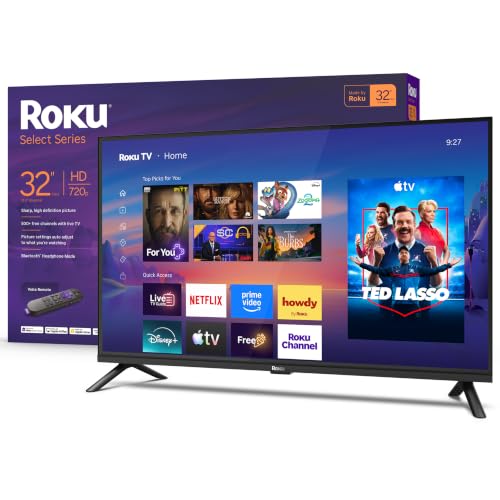
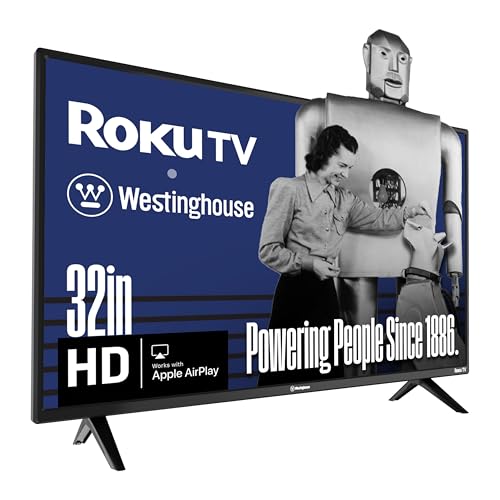
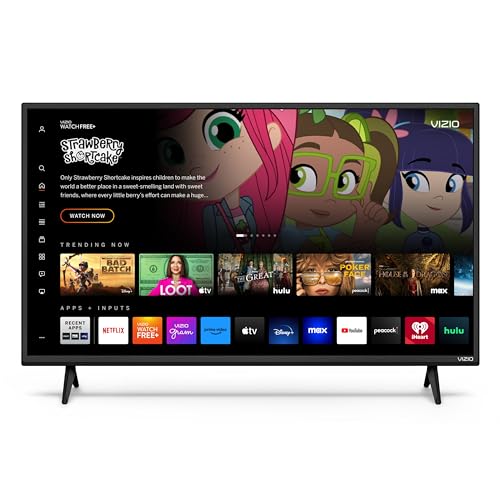
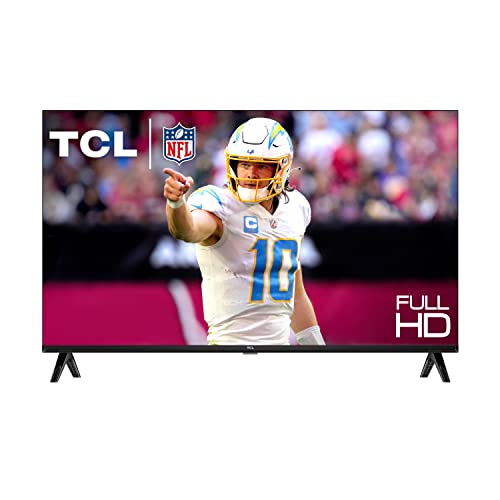
The comparison table below collects screen sizes, resolutions, and panel details for quick scanning. Pair it with the tier guidance that follows so you can judge value by your room, your seating distance, and what you watch most.



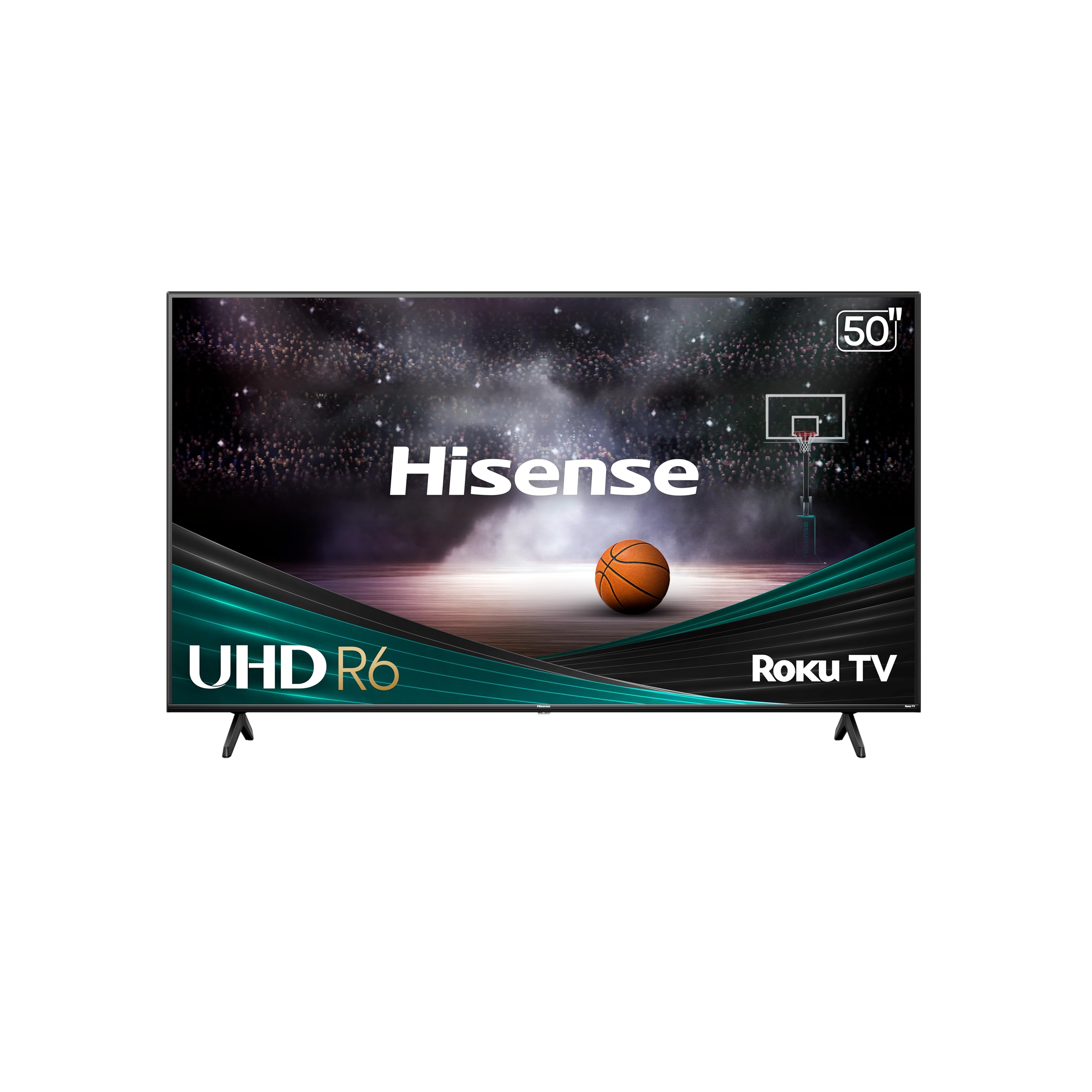

What Your Money Gets You at Each Price Tier
Budget Tier: What to Expect
Budget sets give you honest 4K resolution at 43 inches and up (or HD at 32 inches) and the major streaming apps, with panels that look best straight on and in dimmer light. Viewing angles narrow on VA panels, so seats far to the side lose contrast. Build quality is lighter and stands may wobble on wide sizes, which makes wall mounting with a standard VESA mount attractive. For a second room or a first apartment, this tier covers the essentials without waste.
Midrange Tier: The Sweet Spot for Most Buyers
Midrange money buys brightness headroom, and brightness is what makes HDR look real rather than washed out. You also gain better upscaling for cable and older content, plus more HDMI ports. Gamers gain variable refresh rate support that reduces screen tearing. If this TV is your main screen for the next five years, this tier offers the best balance of price and staying power. Our broader overview of the best lcd tvs shows how this tier compares with higher end lines.
Premium Tier: When Spending More Pays Off
Spending more pays off when your room is bright, your screen is large, or you watch a lot of dark, cinematic content. Mini LED backlights with many dimming zones control contrast far better than edge lit designs. Premium processing also cleans up low bitrate streams, which is most of real world viewing. If your room is small and dim, save the difference; the premium gains shrink when conditions are already easy.
Features Worth Paying For (and Ones to Skip)
What You Can Realistically Get on a Budget
On a tight budget you can realistically get a sharp 4K panel at 43 inches and up, HDR format support, and a workable smart platform for around $250 to $450 at common sizes, or a basic HD 32 inch set for far less. You cannot expect true 120 Hz panels, high peak brightness, or strong built in audio at that level. Do not trade panel size for a long list of smart extras you can add later with a streaming stick. A slightly larger, simpler TV usually satisfies more than a smaller, feature packed one.
Refresh Rate and Response Time
Refresh rate describes how often the panel updates each second. A native 120 Hz panel shows sports and games more smoothly than 60 Hz, and it matters most for console gaming at 120 frames per second. Ignore inflated marketing numbers that double the real rate. Response time affects blur behind fast objects; lower is better, and modern LCD panels are generally fine. For news, sitcoms, and movies, 60 Hz remains perfectly watchable.
Panel Technology (IPS, VA, OLED, Mini LED)
VA panels deliver deep contrast for movie nights but lose quality at wide angles. IPS panels keep color accurate from side seats but show weaker blacks. OLED gives perfect blacks and fast response at higher prices and with a small risk of burn in from static images. Mini LED improves LCD contrast and brightness and is the premium LCD path. Shoppers weighing panel families can also browse the best led lcd tvs guide for more detail.
Adaptive Sync and Gaming Features
Adaptive sync, sold as FreeSync or G Sync compatibility, matches the TV refresh to the game frame rate and prevents tearing. HDMI 2.1 ports enable 4K at 120 Hz from current consoles, and auto low latency mode switches the TV into game mode automatically. Check how many ports are HDMI 2.1, because some sets offer only one or two. Casual gamers can skip these features entirely and save money. Players comparing value across formats may also check the best bargain 4k tvs guide.
Smart Platform and Sound
Google TV, Roku, and webOS all carry the major apps, so choose by remote comfort and menu speed rather than app lists. A slow platform frustrates daily, while a streaming stick can replace a poor one for under $50. Built in TV sound is thin on nearly every bargain set, with small speakers aimed downward or backward. Plan wall space and one HDMI eARC port for a soundbar, and your total setup will sound far larger than the TV alone.
Long Term Costs to Factor In
The sticker price is only part of ownership. Add a wall mount or a sturdier stand for large sizes, an HDMI cable rated for your console, and possibly a soundbar. Electricity use rises with screen size and brightness, though modern LCD sets remain modest users compared with older plasma models. Consider an extended warranty only for very large or premium sets where panel replacement costs are high. For context on how value models age against flagships, see our look at the best tvs of all time and the features that lasted. Keep the box for the first month in case a return is needed, and photograph the screen on a plain gray image to spot defects early.
Lcd TVs: Your Questions Answered
What size should I get for my room or desk?
For living rooms, sit about 5 to 8 feet from a 55 to 65 inch 4K TV for an immersive but comfortable view. Closer seating favors smaller sizes to avoid seeing individual pixels on lower quality content. Measure your stand width too, because wide feet on large sets need real support. On a desk, 32 to 43 inches suits most viewing distances without constant head turning.
IPS vs OLED: which is better?
Neither is better for everyone. IPS suits bright rooms and wide seating because color stays consistent at angles, while OLED suits dark rooms and movie lovers who want perfect blacks. OLED costs more at the same size and carries a small burn in risk with static logos. For a bargain focused main TV, a good VA or mini LED LCD often gives the most size and brightness per dollar.
Is 4K worth it on bargain LCD TVs?
Yes, 4K is worth it and is now standard even at low prices, so there is little reason to buy a 1080p set above 43 inches. Streaming services deliver most new content in 4K, and upscaling handles older shows well. At small sizes and long distances the gain shrinks, but since 4K carries little price premium today, it remains the sensible default.
How long do bargain LCD TVs last?
Most LCD TVs last about 7 to 10 years of typical use before brightness fades or electronics fail. Backlights rated for tens of thousands of hours rarely limit life first; power boards and software support usually do. Keep vents clear, avoid max brightness at all times, and use a surge protector. Smart features may age faster than the panel, which a streaming stick can fix cheaply.
Does refresh rate matter for non gamers?
For non gamers, refresh rate matters less than brightness and contrast. Sports fans do see smoother motion on native 120 Hz panels, especially in fast camera pans. Movie viewers gain little, since films run at 24 frames per second. If your budget forces a choice, put panel quality first and treat high refresh as a bonus rather than a requirement.
Final Thoughts
Choose size for your seating, panel type for your room light, and tier for how long you plan to keep the set. Use the product table above to compare brightness, ports, and panel details in your price band, and remember the wider bargain TV market covered in the best bargain tvs guide. Judged that way, the best bargain lcd tvs deliver a picture that feels premium long after the price is forgotten.


