
Best Bargain Binoculars: A 2026 Checklist Before You Buy
Disclosure: We may earn a commission when you buy through links on this page, at no extra cost to you. As an Amazon Associate I earn from qualifying purchases. Learn more

Run a simple checklist before you buy the best bargain binoculars: the numbers, focus and eye relief, weight, and the return window that protects you.
The bargain shelf is where binocular prices get tempting and quality gets uneven. Two pairs with the same name and the same printed numbers can leave the factory with slightly different alignment, focus feel, and brightness, and at these prices that spread is normal rather than scandalous. Finding the best bargain binoculars is therefore less about spotting the lowest tag and more about checking the right things in the right order. The product table is the shelf; this guide is the inspection you run on it.
The checklist below runs from the printed numbers to the one protection that matters most at this price: an easy return. Work through it before you buy and again on the day the pair arrives, and a bargain stays a bargain instead of becoming a drawer ornament. None of the steps need tools or expertise, just a few minutes and a bright window.
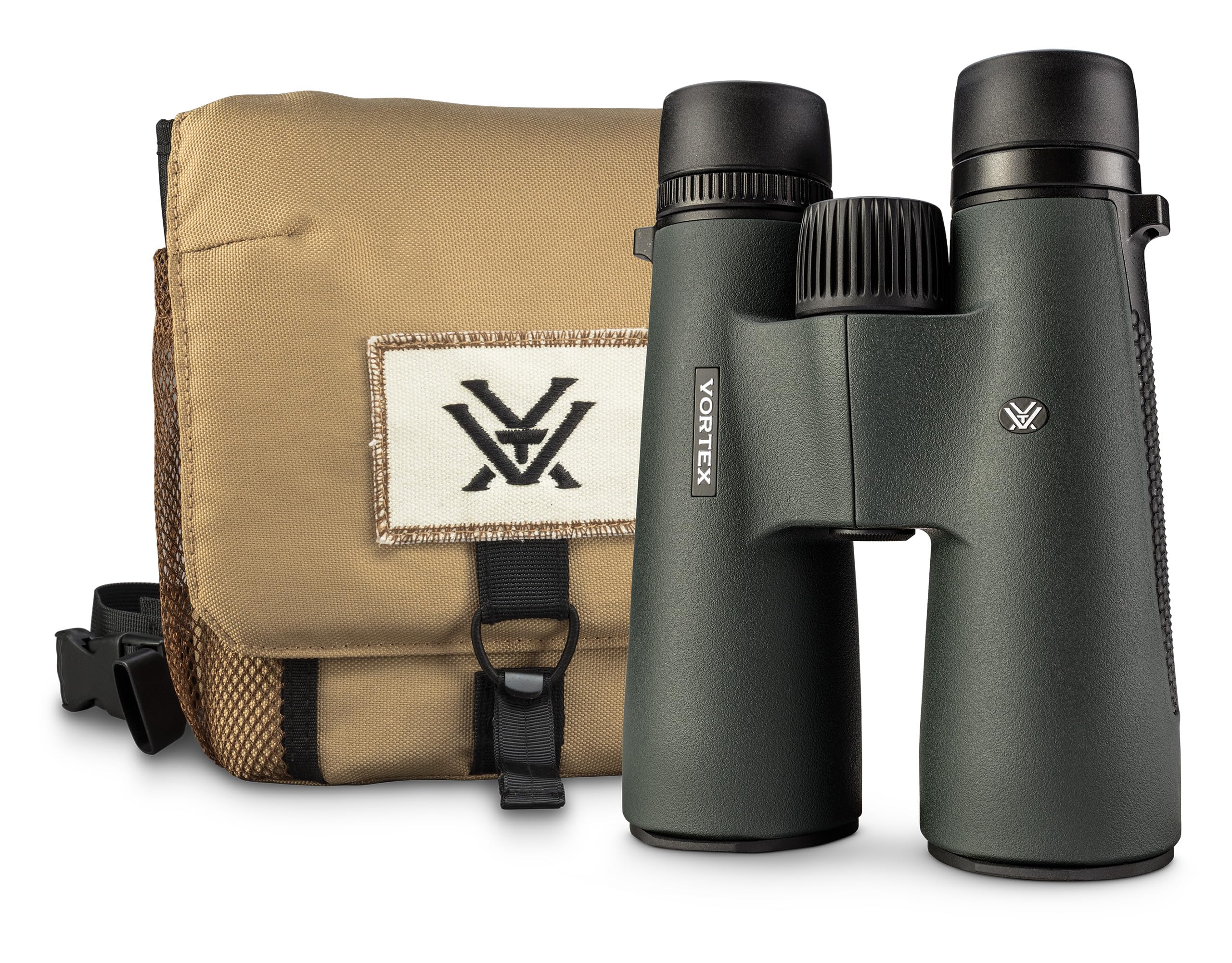
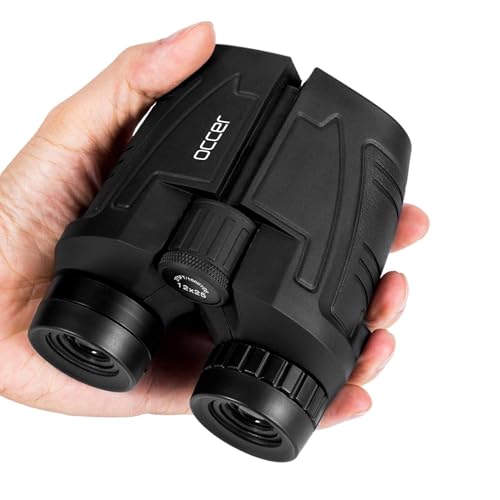


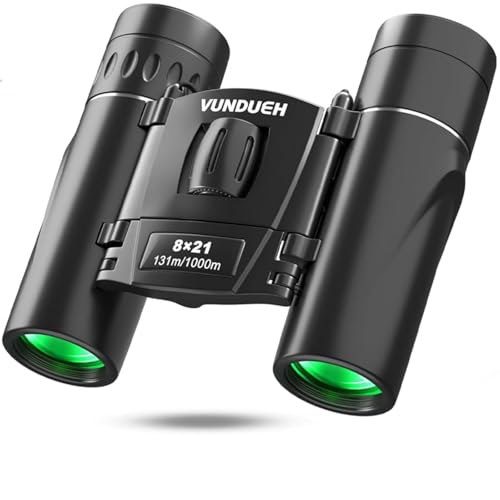

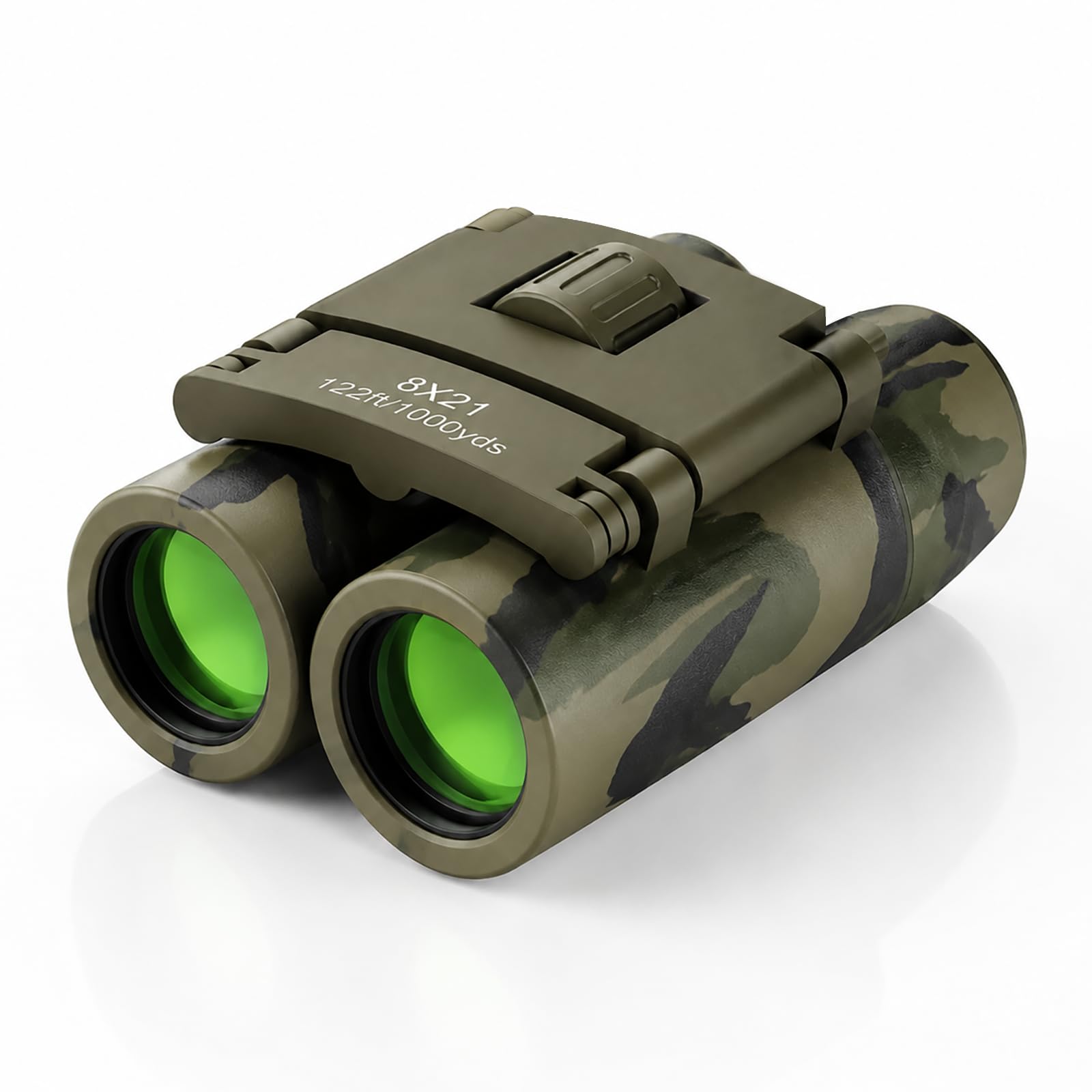
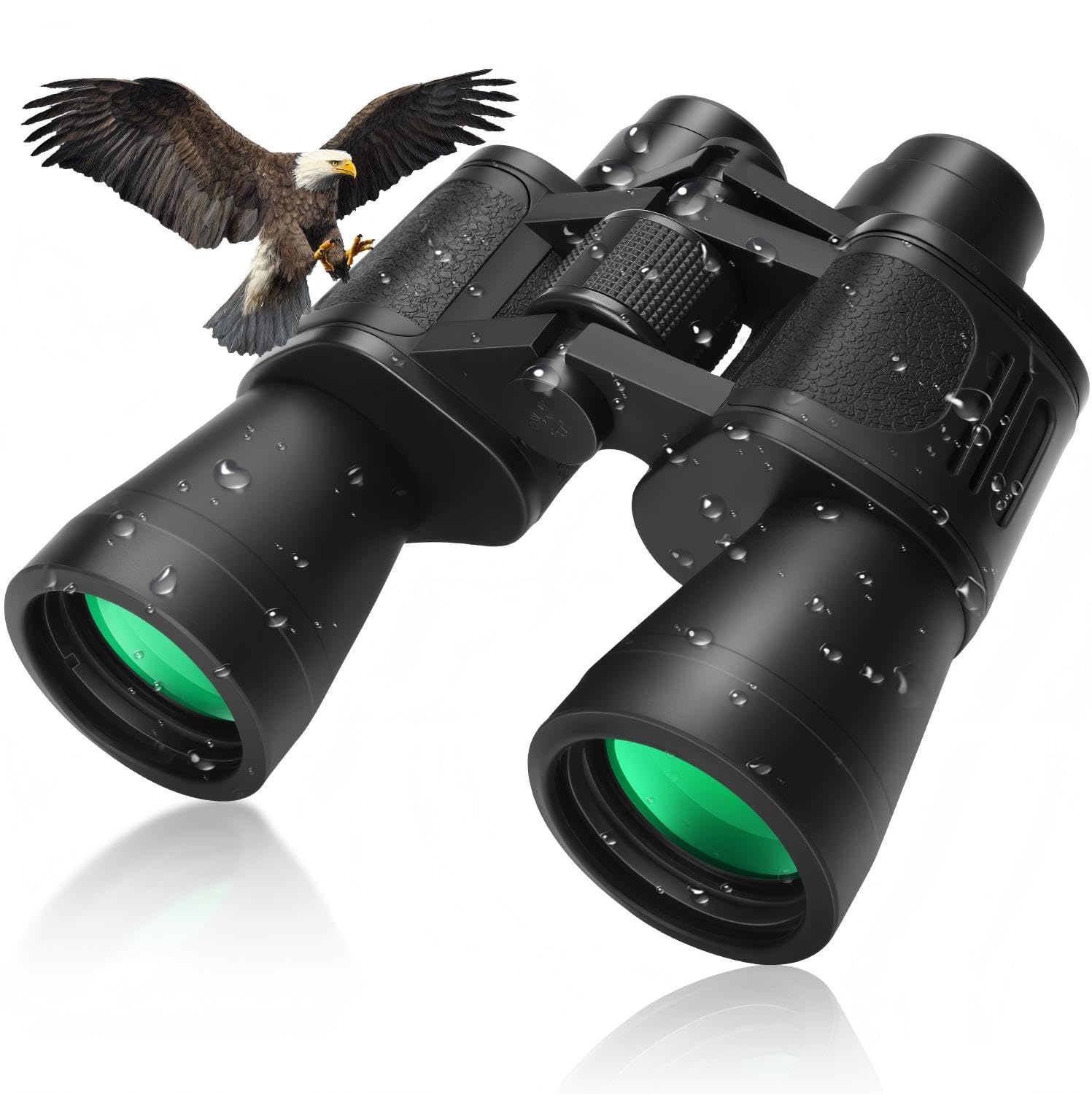
A Five Step Checklist for the Best Bargain Binoculars
Run the steps in this order, and use the product table as the list of candidates you are checking against. A pair that fails an early step does not deserve the later ones.
Step One: Check the Numbers First
Every listing leads with two numbers, such as 8x42, where the first is magnification and the second is the front lens size in millimeters, and they should be read against your plans before anything else on the page. An 8x pair shows a wider and steadier view that suits sports, travel, and general nature watching, while a 10x pair reaches a little farther at the cost of more visible shake. Plainly put, extra magnification is not free quality: it narrows what you can see and shows every tremor in your hands. Bargain listings that shout extreme power figures on tiny lenses are telling you to walk away, and for a first bargain pair, the standard 8x42 and 10x42 formats are the ones to beat.
Step Two: Check the Focus Wheel and the Diopter
Turn the center focus wheel slowly from its nearest setting to its farthest, and it should move smoothly, with even resistance and no gritty patches, sticky spots, or loose wobble. Then look at a detailed scene and confirm both eyes merge into a single clear image; a pair that shows a doubled edge is misaligned, and no low price makes that acceptable. The small diopter ring near one eyepiece balances the difference between your two eyes, so set it once with care. A wheel that feels rough on day one rarely smooths out later, and since focus feel is the part of a cheap binocular you touch most, judge it like you mean it.
Step Three: Check Eye Relief and Fit
Eye relief is the distance your eye can sit behind the eyepiece while still seeing the whole field of view. Glasses wearers need generous eye relief, because their glasses hold the eye farther back; with too little relief, the edges of the view disappear behind dark rings. Eyecups that fold down or twist down exist for exactly this reason, so check them with your glasses on. Also confirm the hinge lets the barrels match the spacing of your eyes and then holds that setting instead of slowly closing while you watch, because fit is personal in a way specs are not, and this step belongs in your hands rather than in a listing photo.
Step Four: Check the Weight Against Your Plans
A binocular that feels fine for thirty seconds in a store can feel very different at the end of a long walk. Match the weight to the outing: light compacts suit travel days and events, while heavier standard pairs earn their ounces on a tripod or during short, deliberate sessions close to home. A wide, soft neck strap spreads the load and changes how heavy a pair feels in practice. Morning bird walks are the classic example, and the guide to best binoculars for birdwatching looks closely at how carried weight shapes a full day afield.
Step Five: Check the Return Window, and Use It
At bargain prices, individual copies of the same model vary, so the return policy is not fine print; it is the quality control step that the low price left out. Buy where returns are simple and the window is long enough to try the pair properly. On the day it arrives, run the earlier steps again (the wheel, both barrels, your own eyes, your own glasses) and keep the box and packing until those checks pass. If the pair fails, send it back and try the next copy rather than learning to live with a flaw that will annoy you for years, since exchanging a bad copy for a good one is the oldest trick in bargain optics, and it works.
What Each Price Band Usually Buys
Bargain prices fall into rough bands, and knowing what each band normally includes keeps expectations honest. The bands below describe classes of build and glass, not specific models.
The Under $50 Band
Under about $50, expect the basics done simply: modest coatings, a narrower field of view, and mechanics that vary the most from copy to copy. That makes this the band where the return step matters most of all. Pairs here still serve real purposes, such as a stadium seat, a glove box, or a first pair for a curious kid. Zoom models crowd this band and their extra moving parts are usually the first thing to disappoint, so buy pairs here as light duty tools rather than lifetime optics, and the band delivers fair value.
The $50 to $100 Band
Between about $50 and $100, the standard formats get genuinely capable. Coatings climb a class, fields widen, sealed and fog resistant bodies appear, and focus wheels feel less like toys. Alignment also tightens up in this band, so fewer copies need exchanging, and many buyers find this is where a bargain stops feeling like a compromise. Birders often shop here, and a companion guide on best binoculars birding explores which birding features appear first as prices rise within it.
The $100 to $150 Band
From about $100 to $150, the gains turn subtle: brighter edges, a flatter field, stronger hinges, and glass that holds contrast when you look toward the light. The center of the image improves less than the edges do, which is why casual users may not notice what the extra money bought. Serious users who watch for hours do notice, mostly as less eye strain over a long session. Beyond this band, you are paying for refinement rather than for a new level of usefulness.
Quick Buyer Checklist
Before ordering, answer each question honestly. Any answer of no deserves a second look before money moves.
- Do the printed numbers match the way I actually plan to use the binoculars?
- Does the focus wheel turn smoothly from stop to stop, with no grit or wobble?
- Can I see the full round field of view while wearing my glasses?
- Does the hinge hold the width I set, without drifting closed?
- Can I carry this weight for the length of a normal outing?
- Does the seller accept returns inside a window I can really use?
- Is a warranty stated in writing somewhere I can find again?
Red Flags to Walk Away From
Specs are only half the story. Reading owner ratings takes the same skepticism: a near perfect average from a small handful of buyers proves almost nothing, and even roundups of best rated binoculars are best mined for repeated complaints rather than headline scores. Watch for these warning signs as well.
- Magnification claims that dwarf the lens size, such as extreme zoom figures printed on a pocket sized body.
- Listings that never state the coating class or the front lens size at all.
- A seller with no stated warranty and no clear return terms.
- Owner reports that mention doubled images or barrels drifting out of alignment.
- A price far below every other seller of the same pair, with no explanation given.
Care and Maintenance Tips
Bargain optics last longer with gentle habits, so wipe lenses only with a clean lens cloth, and brush or blow dust away first so grit never drags across the glass. Keep the lens caps on in transit, carry the pair in a padded case, and store it somewhere dry at room temperature rather than in a hot car. A strap you trust matters, since most fatal damage starts with a drop. If the hinge or wheel stiffens, stop forcing it and check for trapped grit before anything bends or strips.
Frequently Asked Questions
How can I tell whether a bargain binocular is a good copy?
Look at a detailed, high contrast scene such as roof tiles against the sky and check three things. Both eyes should merge into one image with no doubled edges, the focus wheel should feel even across its whole travel, and the left and right sides should look equally bright. One extra check: focus on a straight edge near the top of the view and confirm it stays straight across the field. Any failure on arrival day is a return, not a flaw to learn to live with.
Do bargain binoculars work for people who wear glasses?
Yes, as long as the eye relief is long enough and the eyecups fold or twist down. With your glasses on, you should see the full circular field without dark crescents at the edges. A practical point the spec sheet will not tell you: try the pair with the exact glasses you wear outdoors, since deep frames hold the eye farther back than slim ones do. If the full field only appears when you press the binoculars hard against your lenses, the fit is wrong for you.
Is higher magnification a good idea on a cheap binocular?
Usually not. Magnification enlarges the shake in your hands along with the subject, and bargain focus mechanisms and small lenses punish that shake harder than premium optics do, while high power also dims the image when the front lenses stay small. An 8x pair that you can hold steady will show more real detail than a shaky 12x pair, because detail you cannot hold still is detail you cannot use. If distance work truly dominates your plans, budget for a tripod adapter as part of the same purchase.
Are bargain binoculars usually waterproof?
Many are only splash resistant, whatever the headline wording suggests. Truly waterproof pairs are sealed so the inside stays dry in sustained rain, and fogproof pairs add a dry gas filling so the inner glass stays clear across temperature swings. Read the listing for sealing language rather than trusting the word waterproof in a title. One useful habit: even a sealed pair should be dried off before it goes back into its case, since moisture trapped on straps and armor still feeds mildew over time.
When should I return a bargain binocular instead of keeping it?
Return it when the flaw affects the image or the mechanics: a doubled image, one barrel noticeably dimmer than the other, a gritty or loose focus wheel, or a hinge that will not hold its setting. Cosmetic marks on the armor are not a reason to send a good copy back. One timing point matters: run these checks in the first days, while the return window is wide open, not after a month in a drawer. Exchanging early costs a trip; exchanging late can cost the whole purchase.
Final Thoughts
A bargain binocular earns its name through the checks, not through the discount. Confirm the numbers suit your plans, insist on a smooth wheel and a merged image, make sure the fit works with your eyes and your glasses, and keep the return route open until the pair proves itself. The cheapest pair that passes every step beats the cheapest pair, full stop. Do all that, and the best bargain binoculars stop being a gamble and become a sensible tool, so start with the candidates in the product table and let the checklist do the arguing.


