
Best Barefoot Water Shoes 2026: Drainage and Grip Guide
Disclosure: We may earn a commission when you buy through links on this page, at no extra cost to you. As an Amazon Associate I earn from qualifying purchases. Learn more

The best barefoot water shoes drain fast, grip wet rock and leave toes room to spread. Learn what to check for rivers, beaches and pools.
The best barefoot water shoes combine a thin flexible sole, a wide toe box and fast drainage, so you can wade, swim, paddle and hike by the water with a natural feel underfoot. They protect against rocks, shells and hot sand without the bulk of sandals or sneakers.
This guide explains the types, what to look for in grip, drainage and fit, and how to care for them so they last.


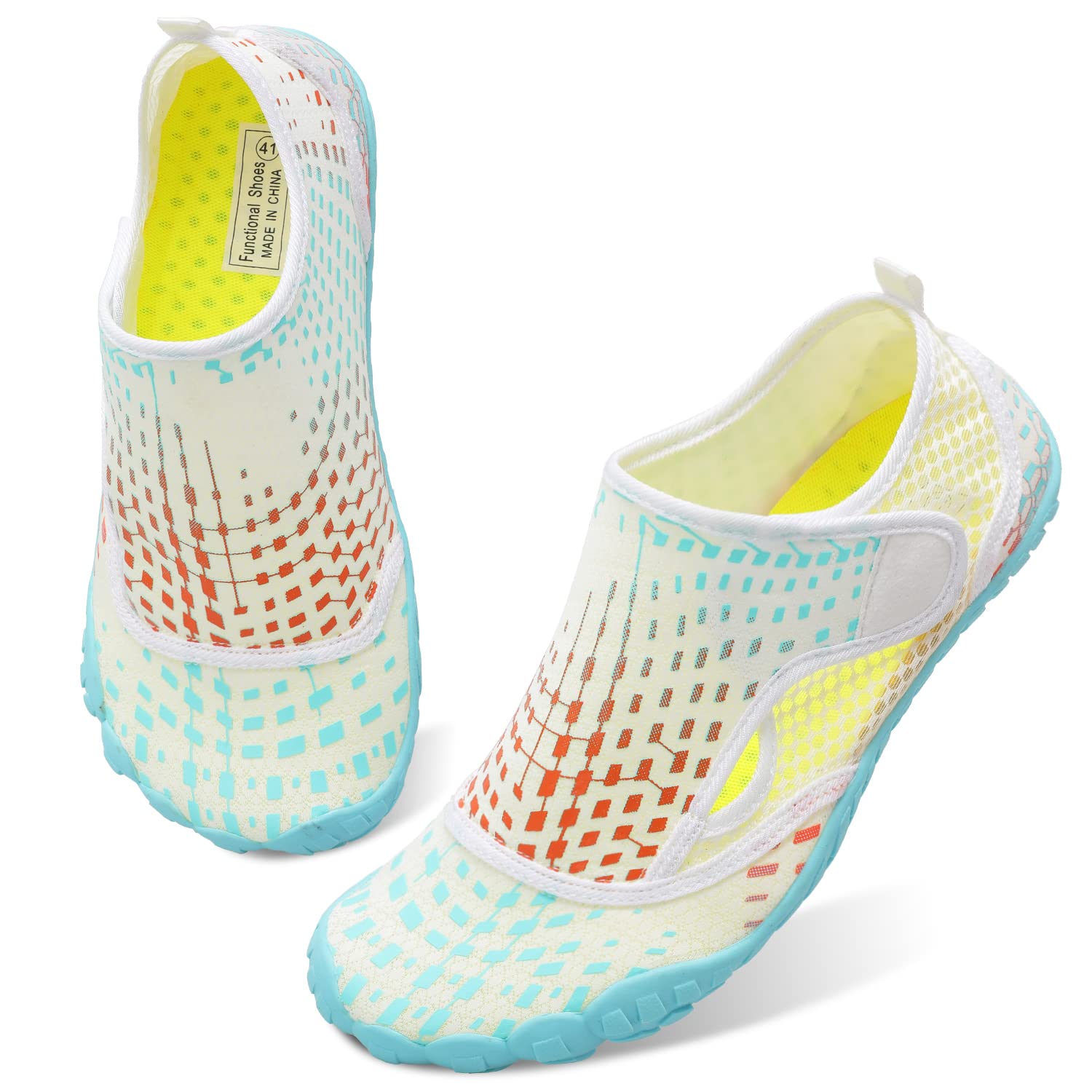


Who Should Buy Barefoot Water Shoes
They suit swimmers, paddlers, kayakers, beachgoers, river hikers and anyone who walks on slippery rocks or pool decks. They are also handy for travel, since they pack flat and dry fast. They suit people who want toes to spread and feet to feel the ground. They are not designed for long hikes on dry trails, where closed trail shoes with better protection work better.
Types Compared
Aqua sock style
Stretchy uppers with a thin rubber sole. They are the lightest and most flexible, and they suit swimming, pool use and sandy beaches. They offer the least protection from sharp objects.
Lace up water shoes
A sturdier upper with laces and a thicker sole. They hold the foot better on rocky rivers and hikes, and the drainage ports let water out.
Five toe water shoes
Separate toe pockets give the best ground feel and grip on wet rock. Fit needs care and the look is distinctive.
Water sandals
Open designs with straps that dry fastest and stay cool. They leave toes more exposed.
Features to Compare
- Drainage: look for mesh uppers or drain ports so water leaves quickly and the shoe does not feel heavy.
- Wet grip: a rubber outsole with a siped or patterned tread holds on wet rock, boat decks and pool surfaces.
- Toe box: toes should spread flat without pressing the sides.
- Fastening: a drawcord, strap or laces keep the shoe on in currents and surf.
- Sole thickness: thin soles give feel, but a bit more rubber helps on sharp rocks and hot sand.
- Quick dry fabric: neoprene retains warmth, while mesh and quick dry synthetics dry fastest.
Fit and Sizing
Water shoes should fit snugly, because a loose shoe lets sand and grit in and slips off in the current. Try them on with or without thin socks, depending on how you plan to use them, and leave a little room in front of the toes. Walk, step up and wiggle your toes to check for rubbing. Fabric stretches slightly when wet, so a snug fit on dry land often feels right once wet.
Using Them Safely
Water shoes protect against many hazards but not all of them. Sharp shells, glass and fishing hooks can penetrate a thin sole, so look where you step. Test grip before wading across a stream, move slowly on algae covered rocks and use a stick or trekking poles if the current is strong. If you have diabetes, numbness or poor circulation, check your feet carefully after each outing and talk with a clinician before wearing minimal footwear.
Choosing for Your Activity
Swimmers and pool users want a low profile aqua sock that does not drag. Kayakers and paddlers need a snug, secure shoe that can be worn in a boat and stays on when stepping out into muddy shallows. River hikers should look for a sturdier sole, a toe cap and laces that hold the foot on rocky beds. Beach walkers need a sole thick enough for hot sand and shell fragments, plus fabric that sheds sand easily. Match the shoe to the roughest place you plan to use it, because the same pair rarely suits every activity.
Sole and Grip in Detail
Soft rubber grips wet rock best but wears faster on abrasive surfaces. Harder rubber lasts longer but can slip on algae. Look for a pattern of small cuts or grooves that channel water away, and avoid smooth soles for slippery docks. If you plan to walk on hot sand or asphalt, check that the sole is thick enough to insulate your feet. Many barefoot water shoes have thin soles by design, so protect yourself by watching where you step.
Water Temperature and Comfort
Thin shoes give little insulation, so cold lakes and rivers can numb feet quickly. For cool water, look for neoprene uppers or wear thin neoprene socks, and keep outings short until you know how your feet respond. In hot weather, lighter mesh models keep feet cooler and dry faster. Check the water for hazards before you step in, and take shoes off to rinse out sand if it starts to rub.
Care and Drying
Rinse shoes in fresh water after saltwater, chlorine or mud, and let them dry in the shade with the insoles removed. Direct heat stiffens rubber and weakens glue. A mild soap and soft brush remove odour and grit. Replace the pair when the sole wears smooth, the seams open or the upper loses its stretch.
Common Mistakes to Avoid
- Choosing a pair that is too large and fills with sand.
- Judging grip on dry floors instead of wet rock.
- Leaving wet shoes in a closed bag, which breeds odour.
- Using thin aqua socks for long hikes on rough ground.
Related Guides
See best water shoes, best water shoes for men, best water shoes for women and best barefoot shoes.
Frequently Asked Questions
What makes a water shoe barefoot?
A wide toe box, a thin flexible sole and a low or zero drop footbed. They let the foot spread and feel the ground while still draining quickly.
Can I swim in barefoot water shoes?
Yes. Most are designed for swimming, wading and paddling. Choose a snug fit so they stay on while kicking.
Are they good for hiking?
They suit short river hikes and wet trails. For dry, rocky trails, a barefoot trail shoe with more protection is a better choice.
How do I stop them smelling?
Rinse after use, dry fully in the shade and wash occasionally with mild soap. Do not store them wet.
Do I need socks with them?
Not necessarily. Thin neoprene or quick dry socks add warmth and reduce rubbing, but many people wear water shoes barefoot.
Final Thoughts
Choose a snug fit, a grippy sole and fast drainage, and care for the shoes after each outing. The best barefoot water shoes let you move naturally in and around water while keeping your feet protected.


