
Best Barefoot Shoes for Weightlifting 2026: Stable Flat Sole Guide
Disclosure: We may earn a commission when you buy through links on this page, at no extra cost to you. As an Amazon Associate I earn from qualifying purchases. Learn more

The best barefoot shoes for weightlifting give a flat, firm base and room for toes to spread. Learn what to check before your next lift.
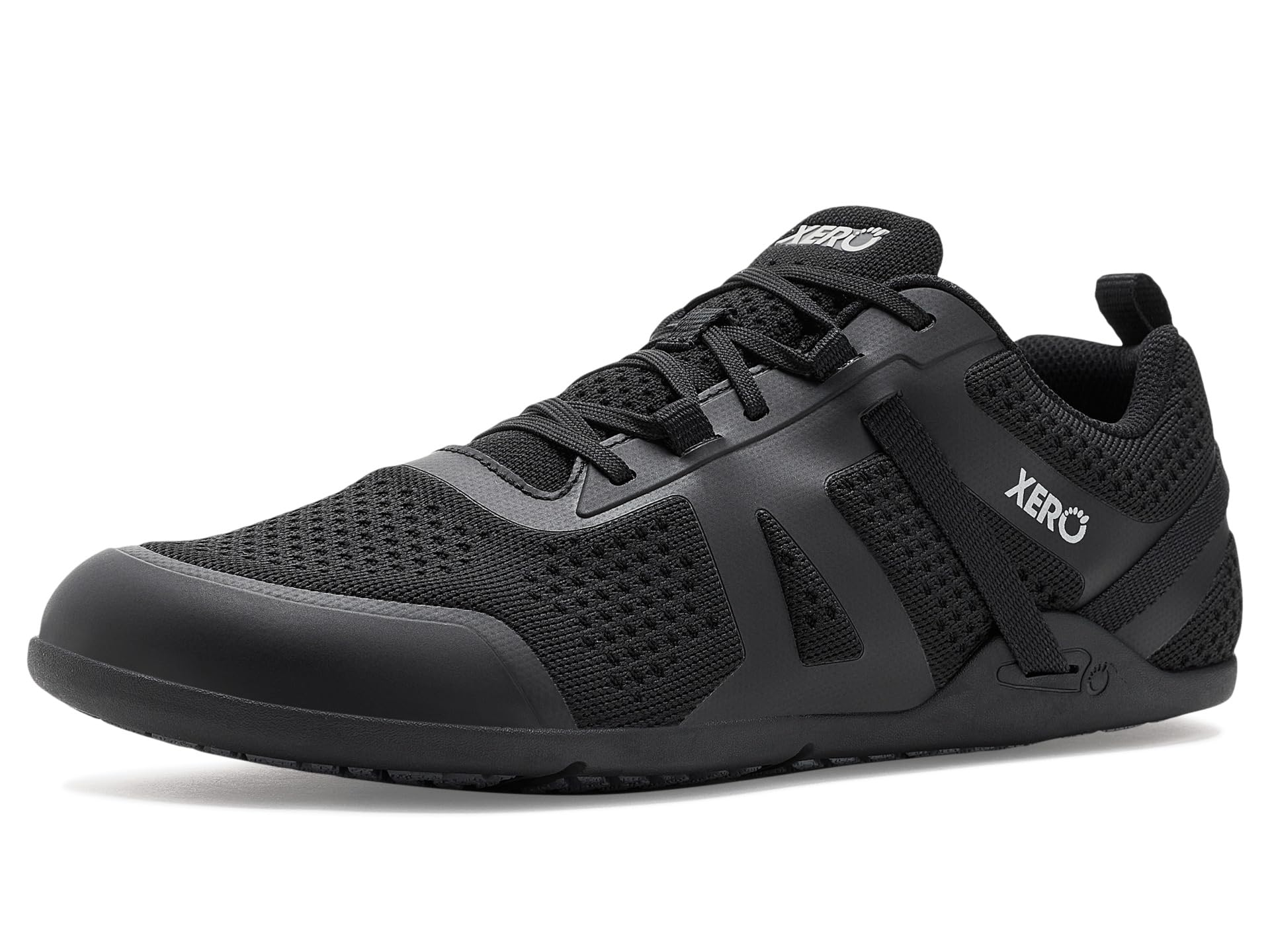
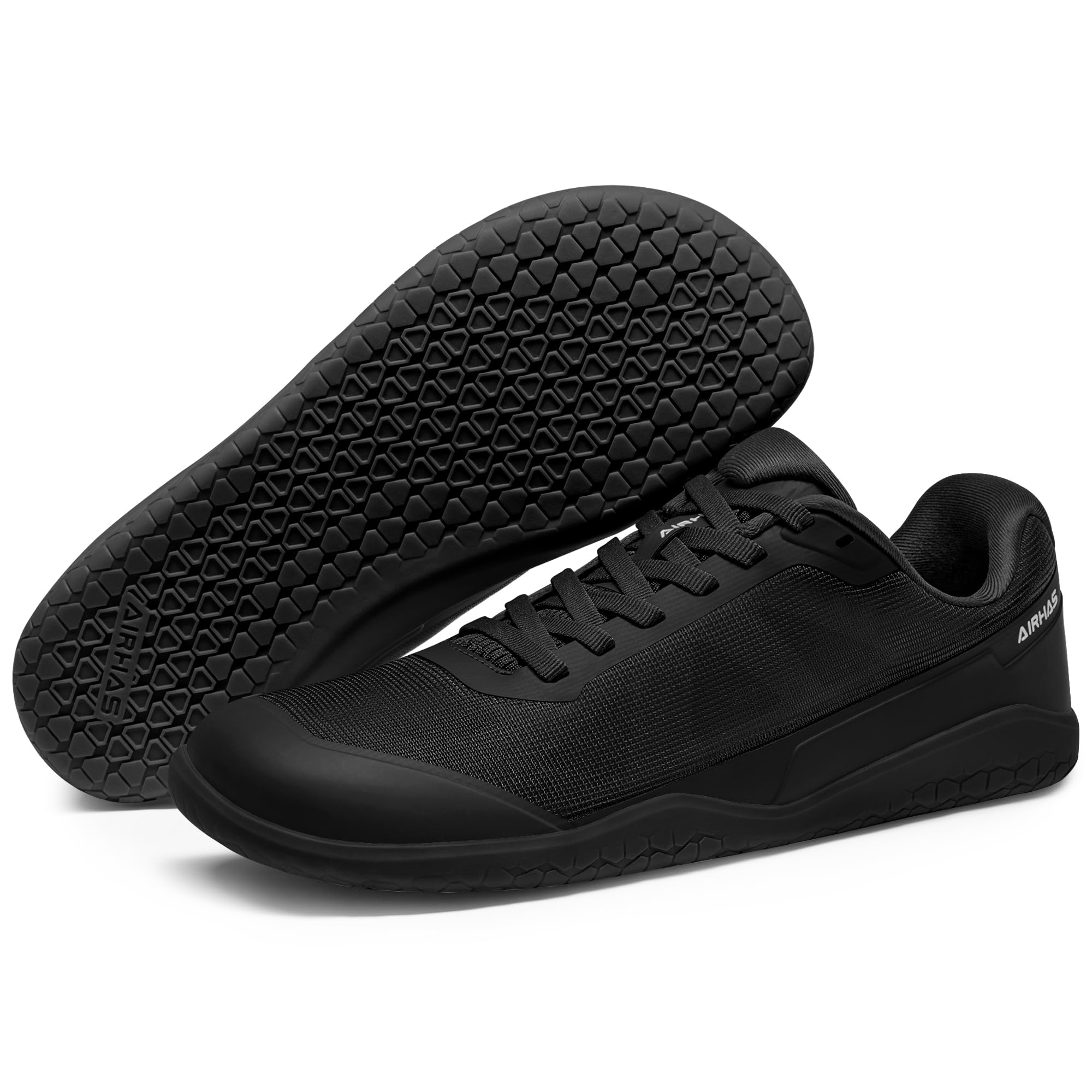
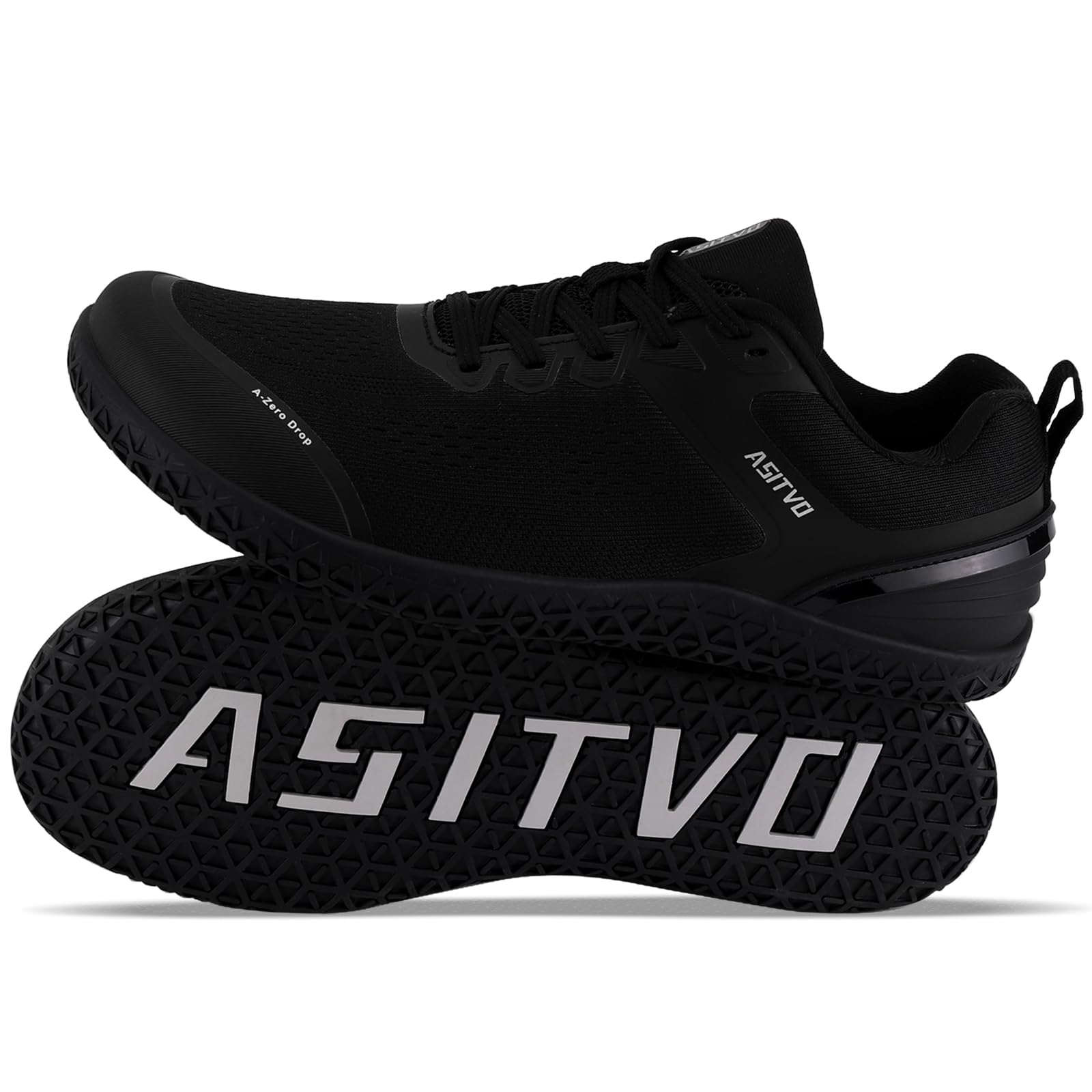
The best barefoot shoes for weightlifting give you a flat, firm base, a wide toe box and little or no heel lift, so your feet can grip the floor and spread under load. Lifters choose them for squats, deadlifts and general gym work because a thin sole puts you closer to the ground and transmits force without a squishy cushion in between.
This guide explains what makes a minimal shoe stable enough for lifting, which features to compare in the product table, and how to switch without overloading your feet.





Who Should Buy Barefoot Lifting Shoes
They suit lifters who do deadlifts, squats, kettlebell work and general strength training and want a stable, low profile shoe. They are also a good fit for people who already train in flat shoes or socks and want protection from dropped plates and gym floors. Olympic lifters who need a raised heel for deep squats and overhead positions should look at dedicated weightlifting shoes instead, and anyone doing a lot of running or jumping in the same session may want a bit more cushion.
Features That Matter for Lifting
- Firm, flat sole: a thin, dense sole resists compression under heavy loads. Soft foam compresses and makes the foot feel unstable.
- Zero drop: heel and forefoot sit level, which keeps weight over the midfoot in deadlifts and squats.
- Wide toe box: toes should spread flat so you can grip the floor and balance.
- Secure midfoot: laces or a strap should lock the foot in place so it does not slide inside the shoe during a heavy lift.
- Grip: a smooth, sticky sole holds on rubber gym flooring and platforms. Deep lugs can feel unstable on a flat surface.
Types of Barefoot Lifting Shoes
Minimal cross training shoes
These are the most versatile choice. They have a thin flat sole, a wide toe box and a flexible upper that handles lifts, box jumps and short conditioning sessions in one pair.
Deadlift slippers
Very thin, flat shoes with a strap or elastic closure. They put you as close to the floor as possible, which shortens the pull in deadlifts, but offer little protection from dropped weights.
Five toe shoes
Each toe has its own pocket, which maximises toe spread and ground feel. Fit is more demanding, and the look is not for everyone, but many lifters like the grip they give.
Switching From Cushioned Trainers
If you are used to a raised, cushioned heel, change gradually. Train in the new shoes for warm ups and lighter sets first, then move heavier work over a few weeks. Calves and feet may feel tired as they do more of the work. Strengthening the feet with toe spreads and short barefoot walks on safe surfaces helps.
Lighter, flatter shoes change how your squat feels because your ankles may need more mobility. If your heels lift or your knees cave as you drop, reduce load and work on ankle mobility, or keep a raised heel shoe for squat days.
Fit and Sizing
Try shoes late in the day with the socks you lift in. Leave a thumb width of space in front of the longest toe and check that the heel stays planted when you rise onto your toes. Stand on one foot, hinge forward as in a deadlift and make sure the foot does not slide around inside the shoe. A loose upper wastes force and can cause blisters.
Programming Around the Change
Treat the first weeks as a skill phase. Use the new shoes for warm ups, accessory work and lighter deadlifts, and keep your heavy squat and press days in your usual shoes until your calves and ankles feel comfortable. Film a set from the side if you can: a flat shoe often shows whether weight drifts to the toes or the heels. Many lifters find that grip on the floor improves because toes can spread and press down, which helps balance on single leg work such as lunges and step ups.
Lifting Surfaces and Grip
Rubber gym flooring and wooden platforms suit smooth, firm soles. On concrete or outdoor mats, a slightly thicker sole protects against roughness. Avoid soles with deep, widely spaced lugs for heavy lifts, because they flex under load and feel unstable. If you train in several gyms, look for a sole that stays grippy on both dry and slightly damp floors.
Safety and Care
A thin sole offers little protection from dropped plates or dumbbells, so keep weights away from your feet and use shoes with a reinforced toe cap if you train around heavy loads. Wipe soles clean before lifting so dust does not reduce grip. Air shoes after sessions, wash them as the label directs and replace them when the sole compresses or the upper stretches. If you have diabetes, numbness or persistent foot pain, talk with a clinician before changing footwear.
Common Mistakes to Avoid
- Choosing a soft cushioned sole because it is marketed as barefoot.
- Switching all training to minimal shoes in one week.
- Buying a size that lets the foot slide inside under heavy load.
- Using ultra thin shoes around heavy dumbbells without protecting the toes.
Related Guides
See best weightlifting shoes and best olympic weightlifting shoes for raised heel options, best women's weightlifting shoes, and best barefoot shoes for everyday wear.
Frequently Asked Questions
Are barefoot shoes good for deadlifts?
Yes, many lifters prefer them because a flat, thin sole shortens the range of motion and keeps weight over the midfoot. Pick a firm sole so it does not compress under load.
Can I squat in barefoot shoes?
Many people do, especially with moderate loads. Lifters who need extra ankle mobility for deep squats may prefer a raised heel on heavy squat days.
Are barefoot shoes safe for heavy lifting?
They are safe when they fit well and have a firm sole, but a thin upper and sole protect less against dropped weights. Pay attention to foot placement and bar path.
Do I need special socks?
Thin socks keep ground feel and stop the foot from sliding. Many lifters wear toe socks with five toe shoes.
Final Thoughts
Look for a firm flat sole, a wide toe box and a secure midfoot, and change your training over gradually. With those checks, the best barefoot shoes for weightlifting give you a stable, connected base for every set. Talk with your clinician if you have persistent foot pain or any warning sign.


