
Best Barefoot Shoes for Men 2026: Fit and Sole Guide
Disclosure: We may earn a commission when you buy through links on this page, at no extra cost to you. As an Amazon Associate I earn from qualifying purchases. Learn more

The best barefoot shoes for men offer a wide toe box and thin flexible sole. Learn how to pick the right fit and transition safely.
The best barefoot shoes for men let feet move naturally while still protecting them from rough ground. A good pair has a wide toe box, a flat sole and enough flexibility to bend with the foot. Men's lasts are often wider and longer than women's, which matters for heel hold and toe room.
This guide explains how to judge those features, how to choose between road, trail, gym and everyday styles, and how to switch without soreness.


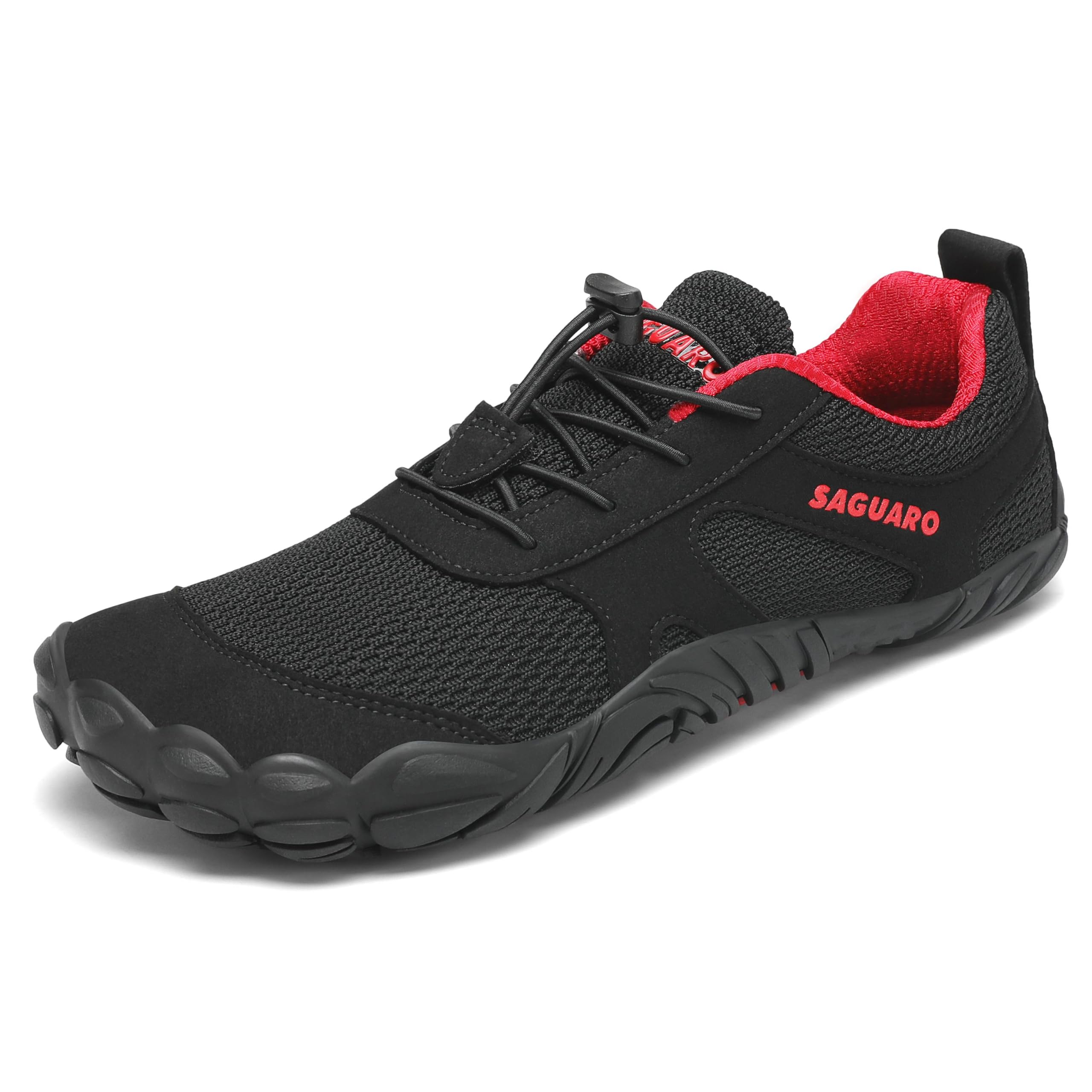


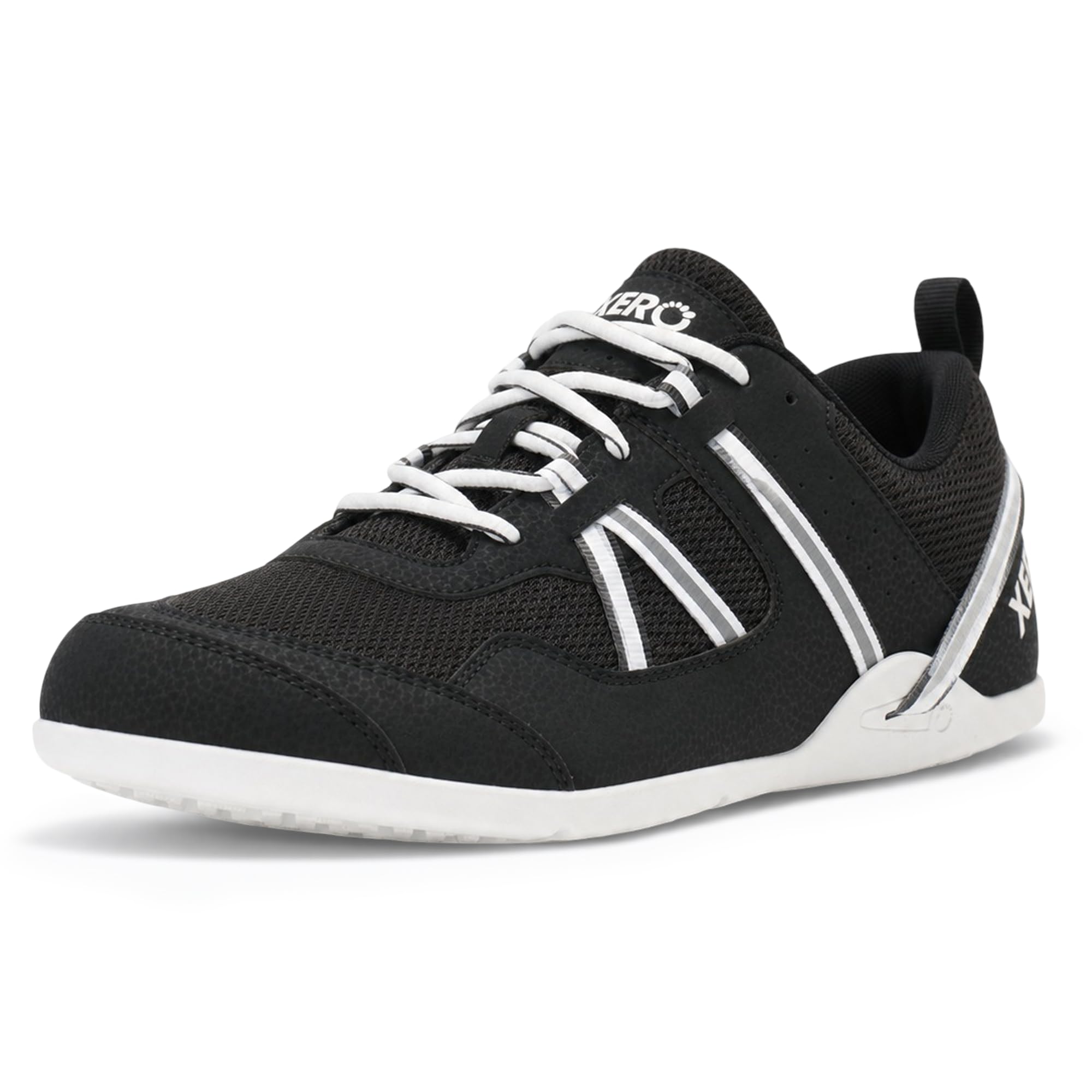


Wide Toe Box and Flat Sole
Toes need room to spread for balance, and a tapered toe box prevents that. Look at the shoe from above: it should look foot shaped, widest at the toes rather than pointed. Your toes should lie flat without pressing each other or the front.
A flat sole, with no drop from heel to toe, keeps posture natural. If you are used to raised heels, expect calf tightness at first and transition gradually.
Sole Thickness and Ground Feel
Thin soles give more ground feedback, which many barefoot wearers enjoy. Thicker soles protect better on rough trails and suit beginners. A few millimetres suit roads and gyms, while a thicker sole suits rocky paths. Flexibility matters as much as thickness: the shoe should twist and bend easily in your hands.
Types for Different Uses
Road and everyday
Light shoes with smooth soles for pavement, errands and the office. Leather and smart canvas uppers bridge casual and work settings.
Trail
Grippy lugs, a rock plate and a tougher upper for dirt, roots and loose stone.
Gym and training
Flat, stable soles that resist compression under load, good for lifting and conditioning.
Water and travel
Quick drying uppers that drain, suited to rivers, beaches and packing light.
Transitioning Without Injury
Start with short walks and build over weeks. Feet, calves and Achilles tendons need time to adapt to lower heels and greater movement. Soreness that fades with rest is common, but sharp or persistent pain is a warning to slow down. Mix barefoot shoes with your old shoes during the transition, increase barefoot time in small steps, and support the change with toe spreads and calf raises.
Fit for Different Foot Shapes
Wide feet often thrive in barefoot shoes because foot shaped toe boxes finally allow natural spread, though brands differ in how wide they run. Narrow feet can find them roomy, so favour models with good midfoot lockdown. High insteps need volume across the midfoot, so check lacing area and tongue design. Flat feet deserve a gradual approach. Try shoes with your usual socks, in the afternoon, and walk on stairs to test heel hold.
Barefoot Shoes for Everyday Life
Everyday pairs need to look acceptable at work and in social settings while keeping a wide toe box and flat sole. Leather and smart canvas uppers bridge that gap better than bright trail styles, and neutral colours work with most outfits. Office floors, pavements and public transport are smooth and predictable, so barefoot shoes suit them well. Keep a conventional pair for formal events if a dress code demands it, and switch back afterwards. Gradual daily use builds foot strength without a dedicated training plan.
Choosing the Right Size
Barefoot shoes demand a different fit check from conventional shoes. Measure both feet in the afternoon and fit the larger one. Leave a thumb width in front of the longest toe, check that the heel does not lift when you walk and make sure the toes do not touch the sides. Brands vary, so compare the manufacturer's size chart with your foot length in centimetres rather than relying on the number on a shoe you already own. Check return terms before ordering, because a size that looks right on paper can feel wrong after an hour of walking.
Socks and Insoles
Thin socks keep ground feel and stop blisters, while toe socks suit five toe styles. Avoid thick cushioned socks, which fill the toe box and blunt the barefoot feel. Most barefoot shoes ship with a thin removable insole, and taking it out gives more ground feel once your feet have adapted.
Budget and Durability
Budget pairs suit casual wear and gym use, but thin soles wear quickly on abrasive pavement. Mid priced and premium pairs add stronger stitching, more durable rubber and better uppers, and some brands sell replaceable soles or resoling services. If you walk several miles daily, expect to replace a thin soled pair within a year or two, and rotate two pairs to let each dry fully. Washing too often or drying on a radiator shortens the life of glued soles.
Warning Signs and Foot Care
Talk with your clinician if you notice persistent pain, swelling, numbness, skin breakdown or pain that changes how you walk. People with diabetes, neuropathy or serious foot conditions should seek advice before switching. Keep toenails trimmed straight across, moisturise dry heels and check soles for wear. Replace shoes when grip fades or the upper tears.
Before You Buy Checklist
- Toe box foot shaped, widest at the toes.
- Zero drop with no raised heel.
- Sole twists and bends easily.
- Sole thickness suits your main surface.
- A transition plan ready, starting with short walks.
Related Guides
See best barefoot shoes, best walking shoes for men, best shoes for men, best workout shoes for men and best gym shoes for men.
Frequently Asked Questions
Are barefoot shoes good for flat feet?
Many people with flat feet enjoy them after a gradual switch, but others need more support. If pain persists, seek clinician advice.
How long does the transition take?
Most people need several weeks to a few months. Rushing is the most common cause of injury.
Can I run in barefoot shoes?
Yes, after a gradual transition. Start with very short runs on soft surfaces and build slowly.
Do they work for wide feet?
Often yes, thanks to foot shaped toe boxes. Compare the stated width and try with your usual socks.
Are they safe for hiking?
They suit smooth trails. Rocky terrain needs thicker soles and tougher uppers.
Final Thoughts
Give toes room, keep the sole flat and flexible, and change in small steps. That patient approach makes the best barefoot shoes for men a rewarding change rather than a painful experiment.


