
Best Barbell Sets for Home Gym: Space, Plates, and Bar Guide for 2026
Disclosure: We may earn a commission when you buy through links on this page, at no extra cost to you. As an Amazon Associate I earn from qualifying purchases. Learn more

Best barbell sets for home gym explained: bar size, plates, floor protection, ceiling height, and storage.
A home gym barbell set has to do more than hold weight: it must fit your room, protect your floor, and work with the rack and bench you already own or plan to buy. This guide to the best barbell sets for home gym use covers bar size, plate style, storage, and space planning, so you can build a setup that stays useful as you get stronger.
The product table lists barbell and plate sets that suit garages, basements, and spare rooms. Use the sections below to plan your space and weight needs, then compare the table against your plan.
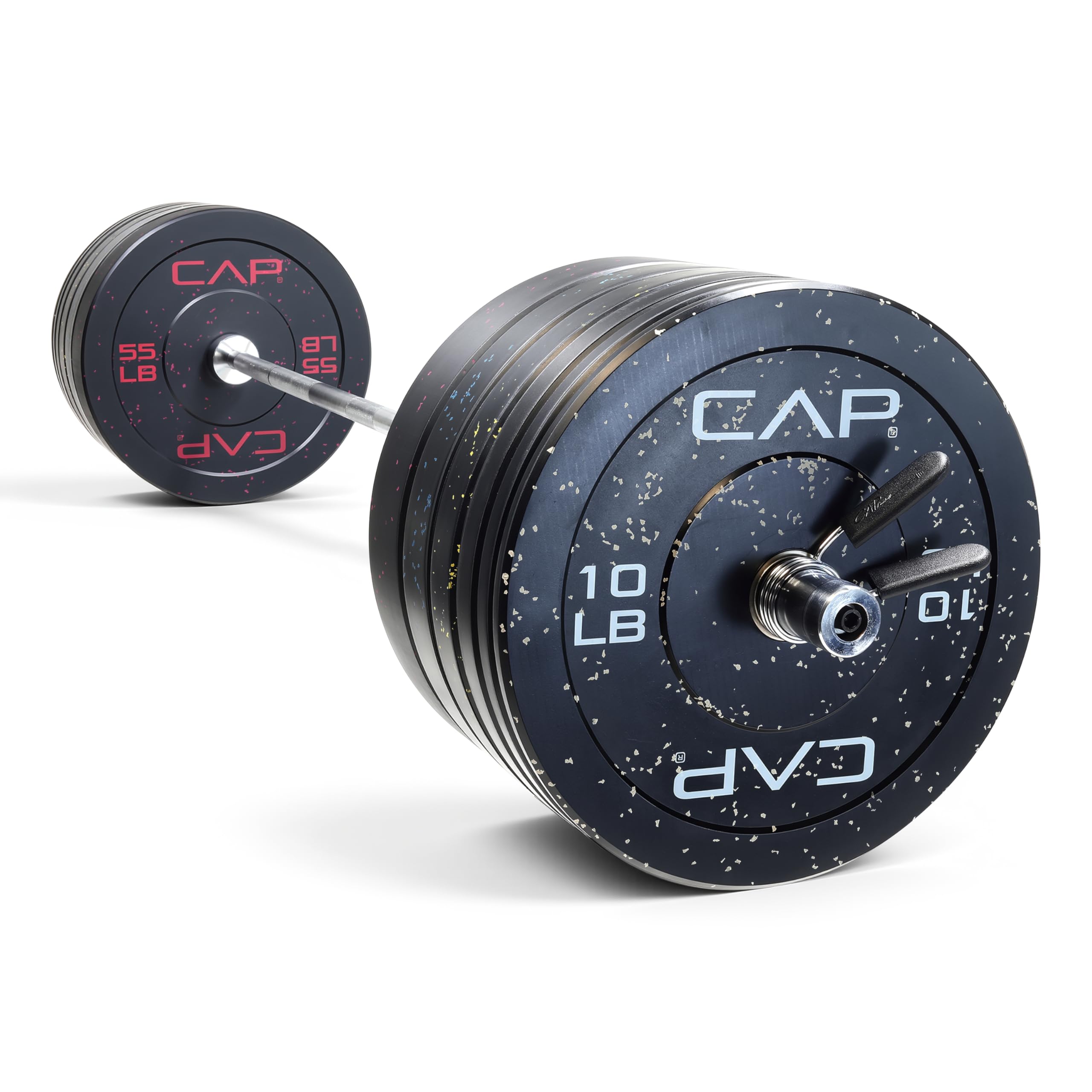
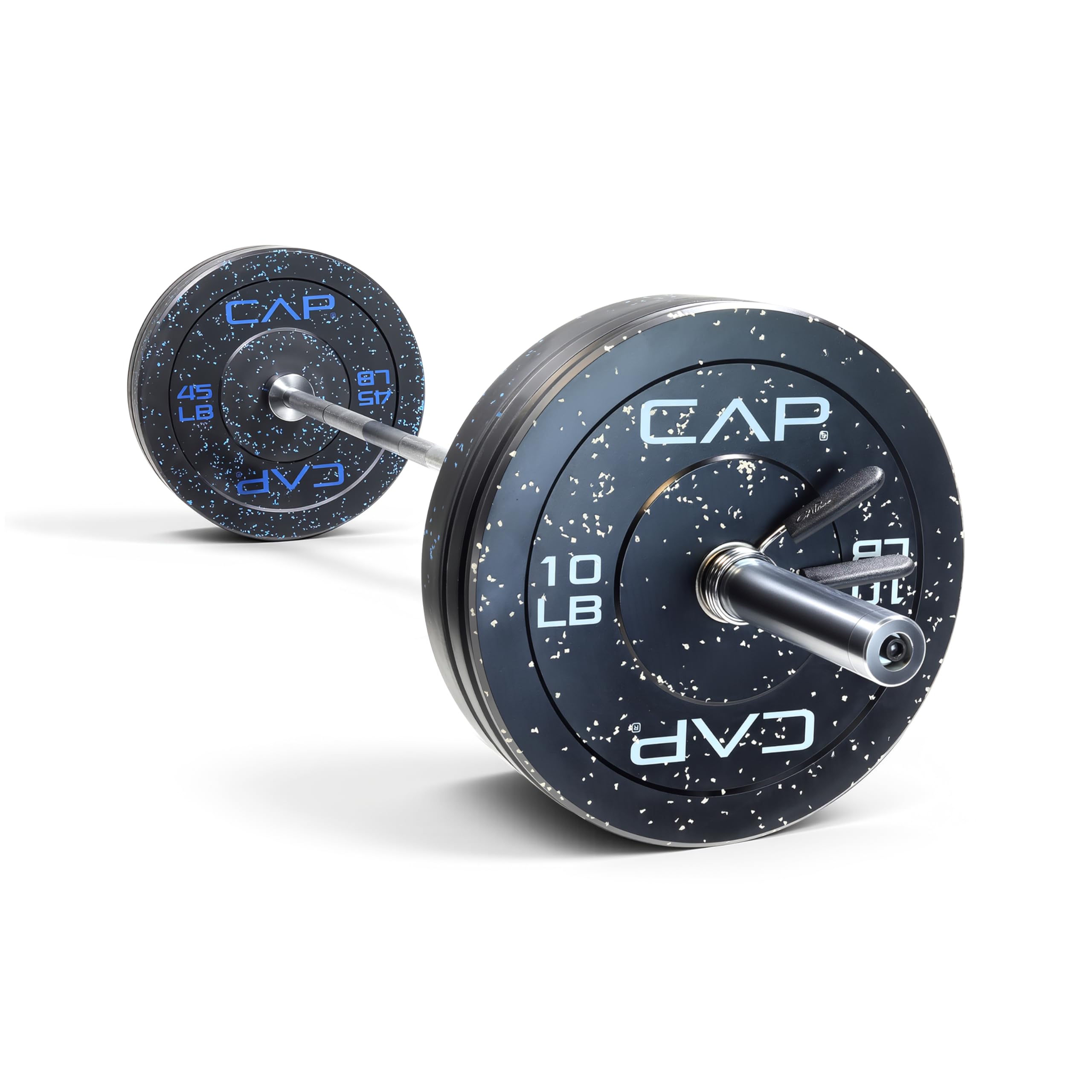
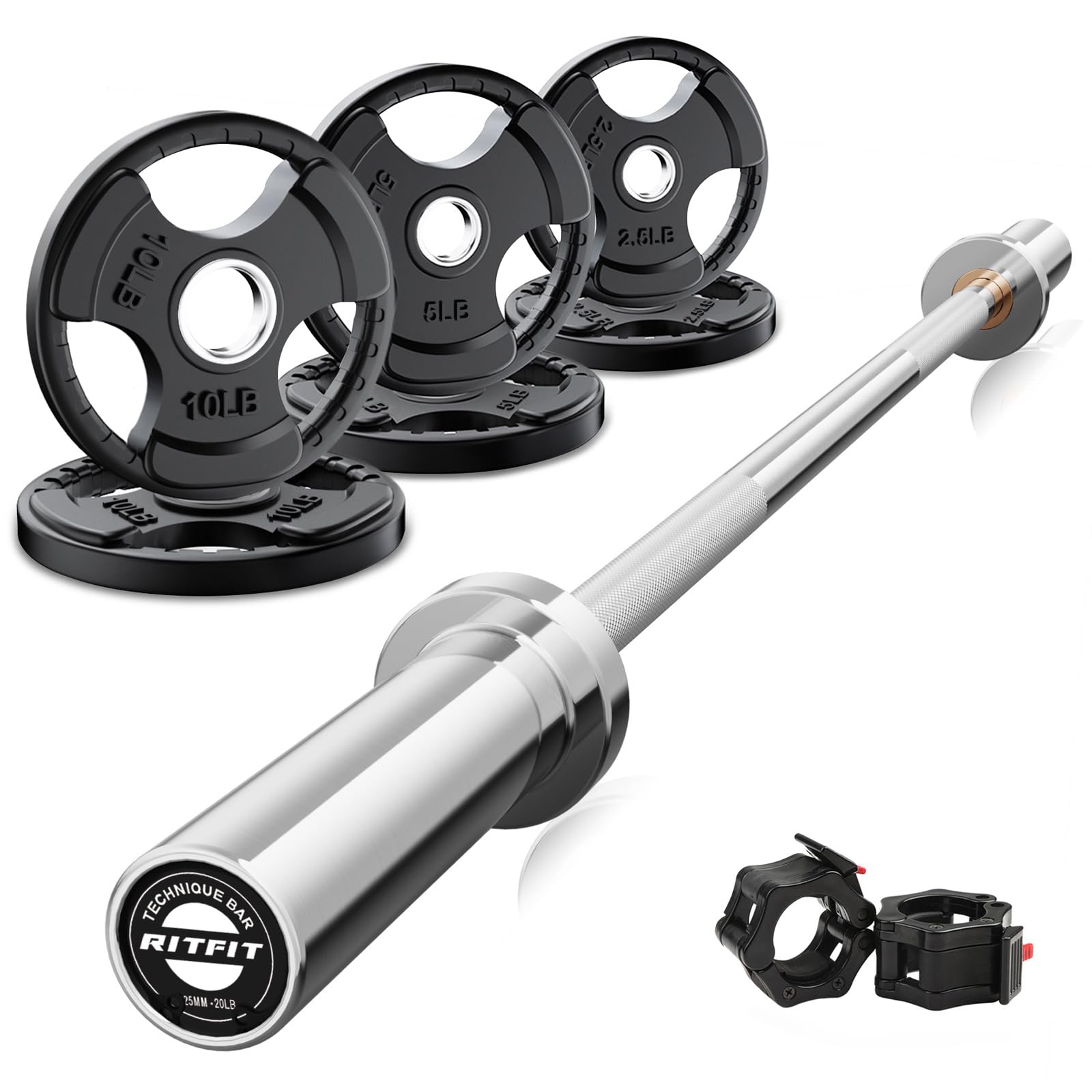

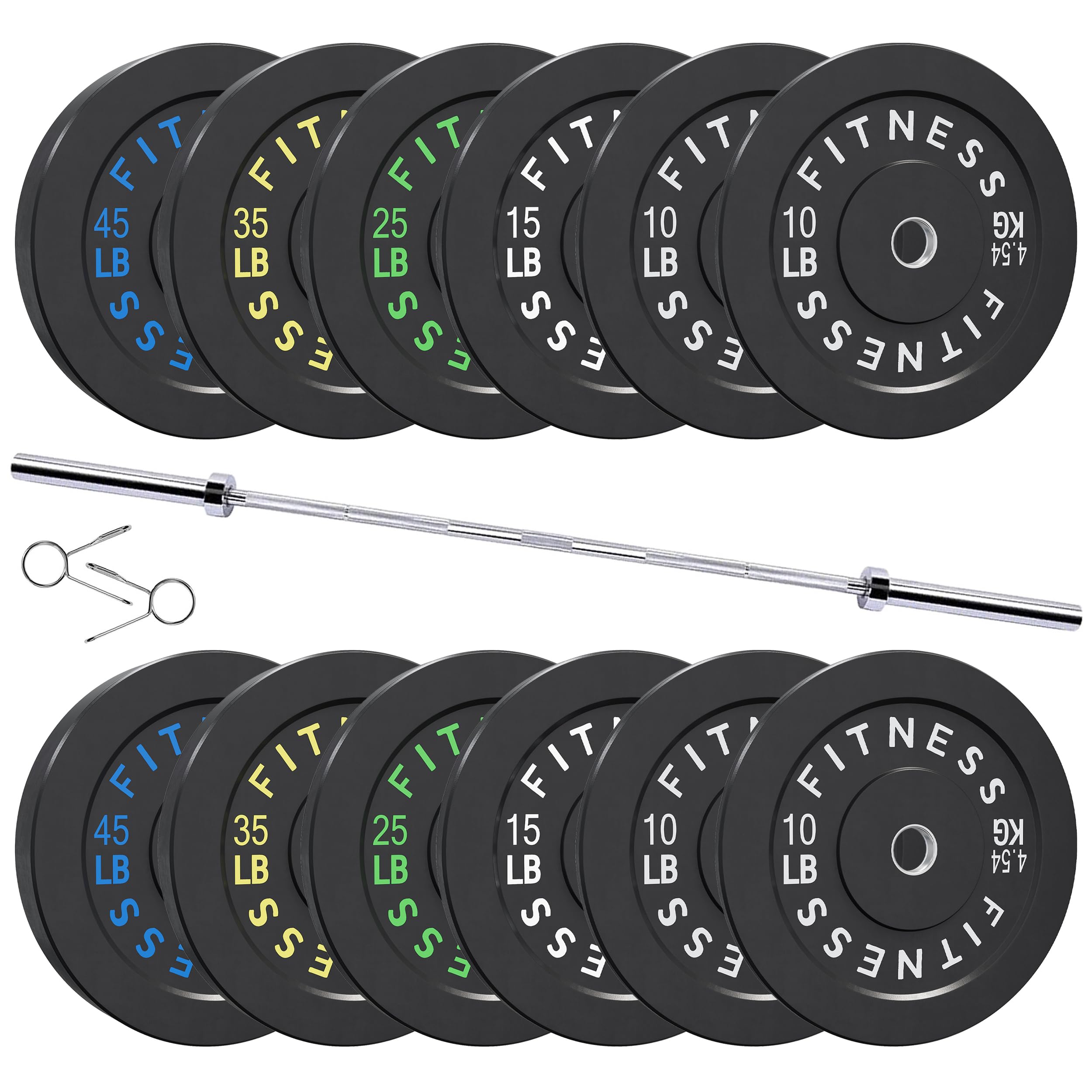
Start With Your Space
Measure the room before you choose a set. A standard 7-foot bar needs about 9 to 10 feet of width so you can load plates on both sides, and about 7 to 8 feet of depth for a rack and bench. Check ceiling height for overhead presses; most lifters need at least 8 feet, and more for taller people.
Small Rooms
If space is tight, consider a 5 or 6 foot bar and a compact plate set. Short bars handle less weight but fit in a corner and suit beginners and light lifting. Storing plates upright on a plate tree saves floor space.
Garages and Basements
These spaces suit full-length Olympic bars. Protect the floor with rubber mats or plywood, and keep the bar and plates dry. Garage humidity can cause rust, so choose a coated bar and wipe it after use.
Olympic or Standard
Olympic sets, with 2-inch sleeves, are the best choice for a home gym because the bars are stronger and plates are easy to find. Standard 1-inch sets cost less but limit your growth and often cannot be used with a rack designed for Olympic bars. If your budget is tight, an Olympic bar with a modest plate set is still better than a standard set that you outgrow.
Plates for a Home Gym
Cast Iron Plates
Cast iron is affordable and thin, so you can load more weight. It suits bench press, squats, and rows. It is loud when dropped and can damage floors.
Bumper Plates
Rubber bumper plates protect floors and bars when dropped. They are the safest choice for deadlifts, cleans, and overhead lifts in a home setting. They cost more and take up more space on the bar, so check the bar sleeve length for the weight you plan to lift.
Best Barbell Sets for Home Gym by Budget
Under $250
Basic Olympic bars with 100 to 160 pounds of plates are available, along with standard sets. They are fine for starting but may need more plates soon.
$250 to $600
This range offers bars with better knurling, 200 to 300 pounds of plates, and some bumper sets. For most home gyms, this is the target.
Above $600
You will find premium bumper plate sets and higher weight totals with durable bars. They suit serious training and shared home gyms.
What to Buy Alongside the Set
A squat rack or power rack is the most important companion, since it lets you lift safely alone. A bench adds pressing and rowing exercises. Collars, a floor mat, and a plate tree or storage rack complete the setup. Add weights gradually, and buy fractional plates (1.25 and 2.5 pounds) so you can progress in small steps.
Safety Tips
Always use collars, set the safety bars or arms to the right height, and lift with a spotter when you can. Keep the area clear and the floor dry, and store plates so they cannot tip. Follow the manufacturer's instructions for the bar's weight limit and assembly. If you have a health condition or injury, ask your doctor before starting a new training program.
Common Mistakes to Avoid
Buying only the minimum weight is the most frequent mistake. Others include forgetting ceiling height, ignoring floor protection, and mixing bar and plate sizes. Do not skip a rack to save money, since bench and squat work are risky without one.
Frequently Asked Questions
What features matter most for a home gym barbell?
Bar strength, sleeve rotation, and a finish that resists rust matter most, along with plates that suit your lifts and floor.
How much weight does a home gym need?
Many home lifters start with 200 to 300 pounds and add more over time. Heavier lifters may want 400 pounds or more.
Should I get bumper plates?
If you lift from the floor or overhead, yes. They protect the floor, the bar, and your gear.
How do I protect my floor?
Use interlocking rubber mats or a plywood platform covered with rubber. A thick mat also reduces noise.
Can I use a barbell set without a rack?
You can, for exercises like deadlifts and rows, but squats and bench press are safer with a rack and safety arms.
How do I store the plates?
Use a plate tree or wall-mounted holders. Store the bar horizontally on pegs or lean it in a corner with its ends supported.
Final Thoughts
Plan the room first, choose Olympic when you can, and buy plates that match how you train. Use the product table above to compare options. The best barbell sets for home gym use are the ones that fit your space, handle your lifts safely, and leave room to add weight. For related reading, see our guides to the best barbell sets and the best home gym sets.


