
Best Barbell Sets: Olympic and Standard Bar and Plate Sets for 2026
Disclosure: We may earn a commission when you buy through links on this page, at no extra cost to you. As an Amazon Associate I earn from qualifying purchases. Learn more

Best barbell sets explained: Olympic or standard bar, iron or bumper plates, collars, weight totals, and budget.
A barbell set packages a bar, weight plates, and collars so you can start lifting without buying each piece separately. This guide to the best barbell sets explains the differences between standard and Olympic sizes, iron and bumper plates, and how much weight you need, so you can choose a set that will still be useful when you get stronger.
The product table lists complete barbell and plate sets across a range of weights and prices. Use the sections below to decide on bar type, plate style, and total weight, then compare the table against that shortlist.
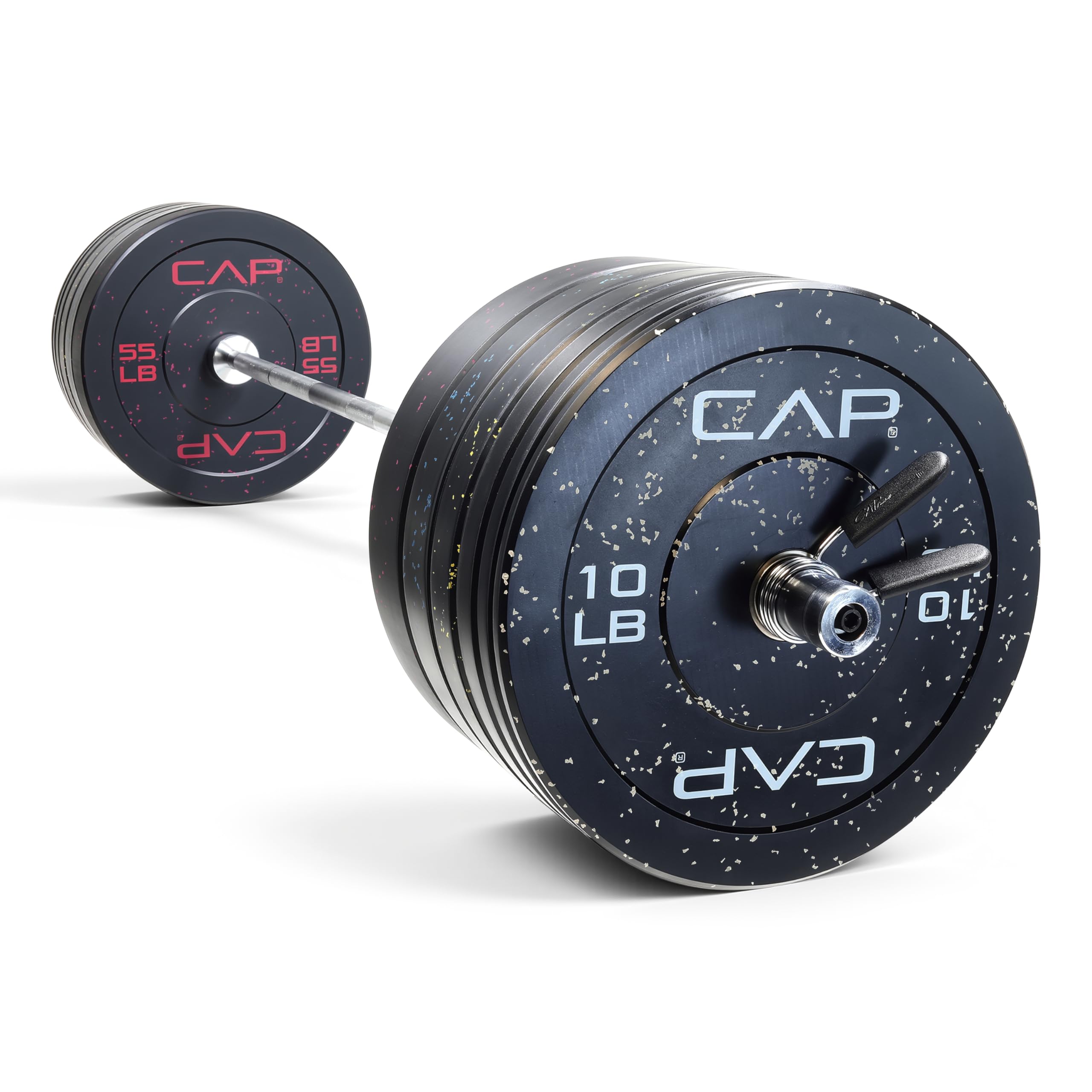
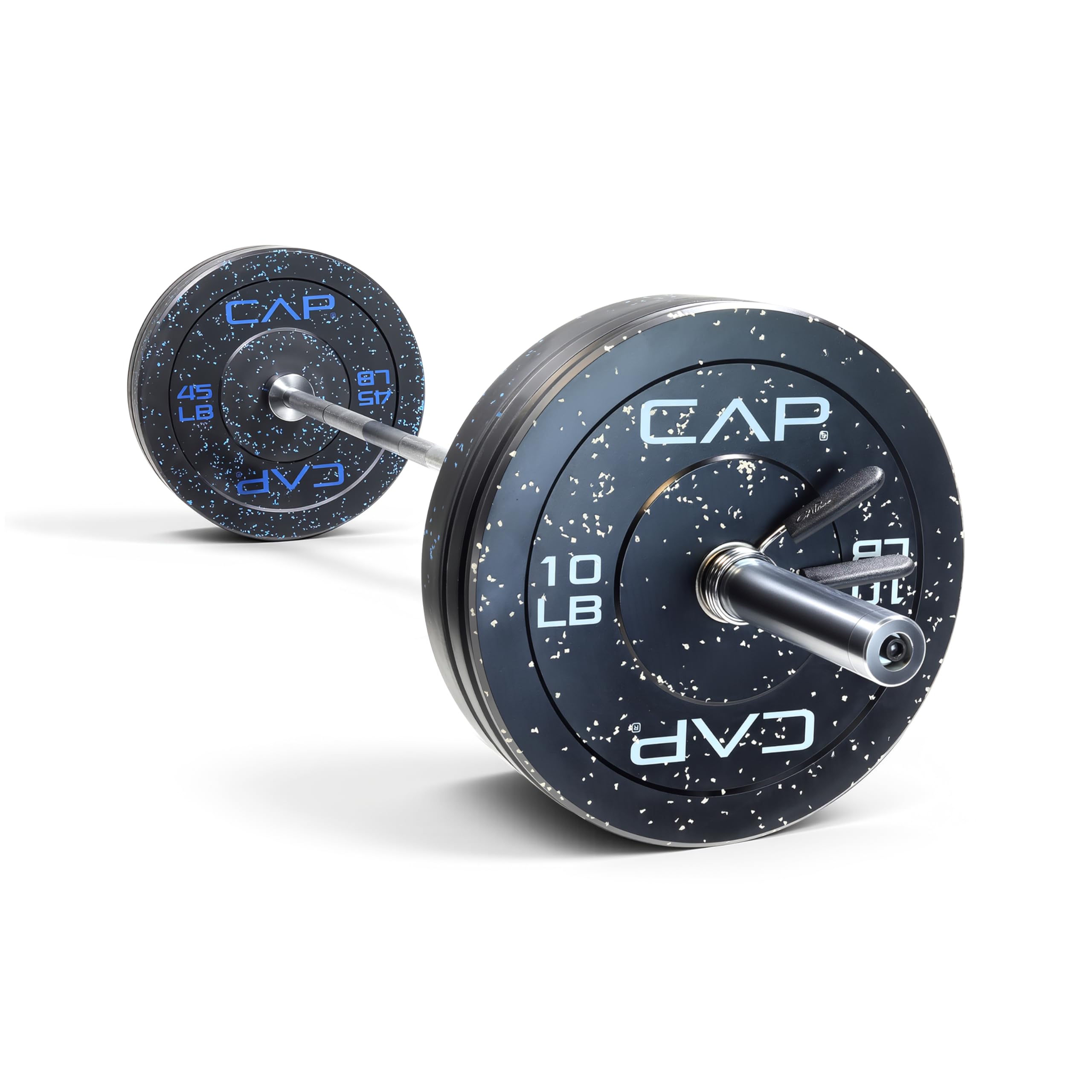
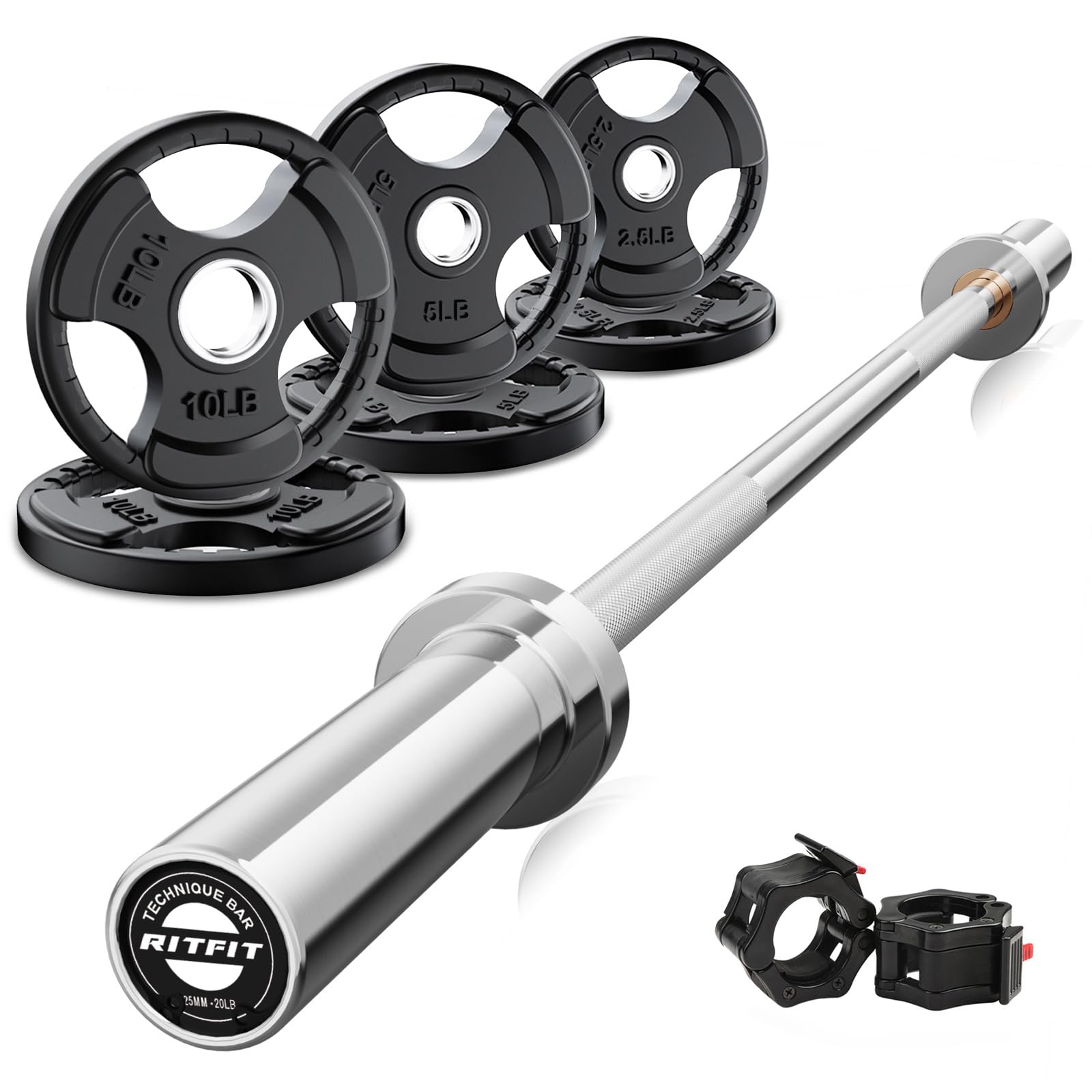

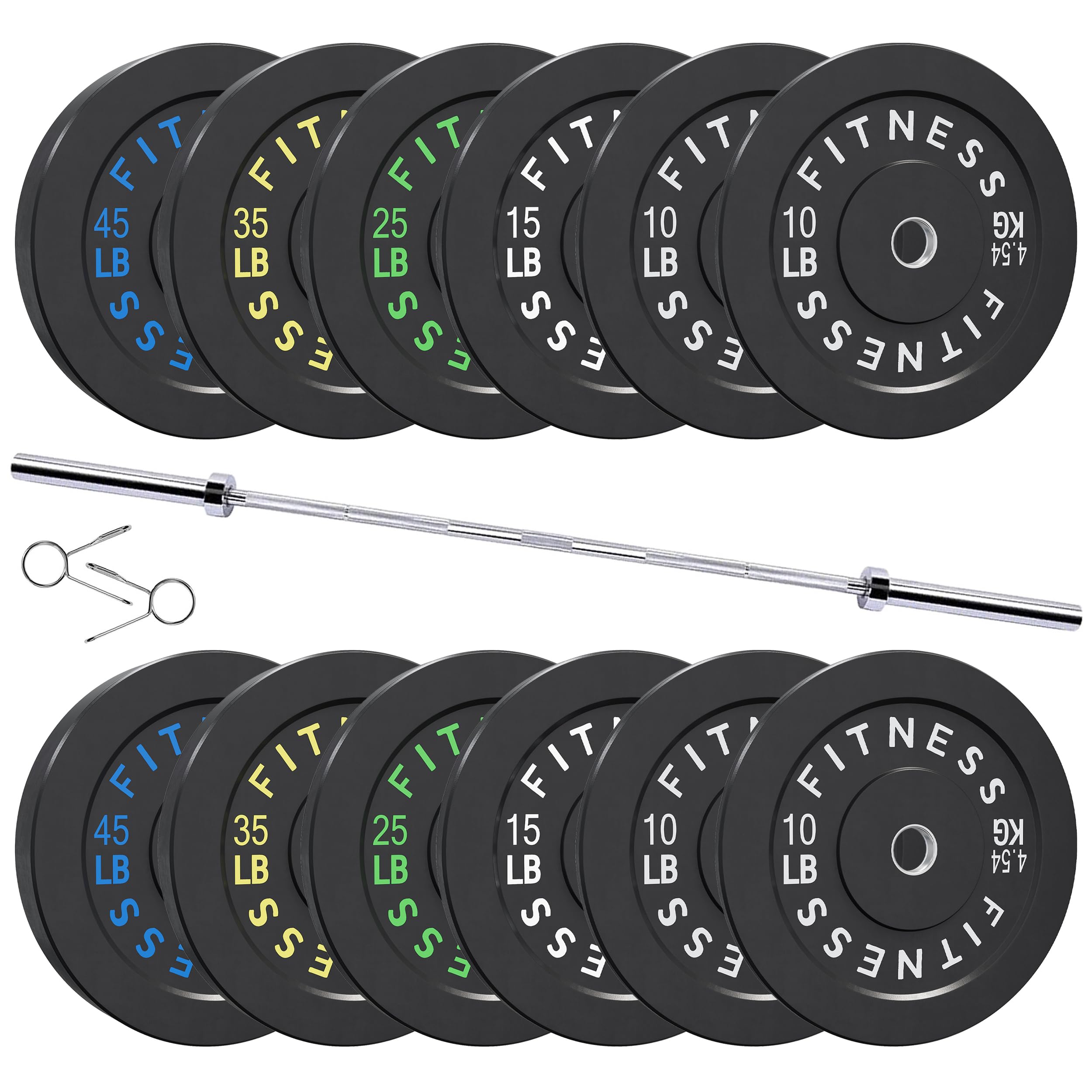
Olympic or Standard Barbell Sets
The first decision is the size. Standard sets use bars with a 1-inch sleeve, and the plates have a 1-inch hole. They are cheaper and fit small spaces but have lower weight limits and can flex or bend under heavy loads. Olympic sets use a 2-inch sleeve with a stronger bar, typically 7 feet long and 45 pounds, and the plates have a 2-inch hole.
For anyone who wants to progress, Olympic is the better long-term choice because plates are easy to find, bars handle more weight, and you can add rack, bench, and bumper plates later. Standard sets can work for light training, but make sure the bar and plates are made by the same maker so they fit well.
Bar Length and Weight
Seven-foot bars weigh 45 pounds and are the norm for squats, presses, and deadlifts. Shorter 5 to 6 foot bars (often 25 to 35 pounds) suit small rooms and beginners. Check the bar's weight rating, which should be well above what you plan to lift.
Plates: Cast Iron or Bumper
Cast iron plates are thinner and cost less per pound, so more weight fits on the bar. They are the usual choice for bench press and general lifting. Bumper plates are rubber, thicker, and designed to be dropped from overhead without damage, so they suit Olympic lifts and deadlifts on a floor. They cost more and take up more bar space.
Weight Total
Sets range from about 100 pounds to over 400 pounds. A 150 to 300 pound set suits most beginners and intermediate lifters. Choose a set that lets you add plates later, because you will outgrow a minimal set within a year or two.
Key Features to Compare
Knurling and Grip
Knurling is the textured pattern on the bar. Medium knurling gives a secure grip without tearing your hands. Very aggressive patterns can feel rough, while smooth bars slip.
Sleeve Rotation and Collars
Sleeves that spin freely on bushings or bearings are easier on your wrists. Look for collars that lock firmly; spring collars are cheap, while lock-jaw or clamp collars hold more securely.
Finish and Rust Resistance
Chrome, zinc, and black oxide finishes resist rust. Raw steel needs oil and care. If you store the set in a garage or basement, choose a coated bar and wipe it after use.
Best Barbell Sets by Budget
Under $200
This range holds standard sets and entry Olympic bars with lighter plate totals. They suit beginners and light training at home. Check bar weight limits.
$200 to $500
Most buyers should look here. Olympic bars, 150 to 300 pounds of plates, and decent finishes are available, along with some bumper plate sets.
Above $500
Higher-priced options include bumper plate sets, better bars, and larger total weights. They suit regular lifters who want gear that lasts for years.
Space, Floor, and Safety
Measure the room for the bar length plus room on both sides to load plates. Use a rubber mat or plywood to protect the floor and reduce noise. Always use collars, and have a spotter or safety arms for heavy presses and squats. Lift within your ability and follow the manufacturer's guidance. If you have a health condition or injury, ask your doctor before starting a new training routine.
Common Mistakes to Avoid
Buying a set that is too light is the most common mistake, since you will outgrow it quickly. Others include mixing standard bars with Olympic plates, ignoring floor protection, and skipping the rack that makes lifting safe. Also avoid sets with thin, bendy bars if you plan to lift heavy.
Frequently Asked Questions
What features matter most in a barbell set?
Bar quality, plate type, total weight, and collars matter most. Check that the sizes match and that the bar's weight rating suits your goals.
How much weight should I buy?
For beginners, 150 to 250 pounds covers most lifts at first. Plan on adding plates as you progress.
Are bumper plates worth it?
Yes if you lift from the floor or overhead. For bench press and curls, iron plates are enough.
Do I need a rack?
A rack or stands make squats and bench press much safer, especially when training alone.
Can I use a barbell set in an apartment?
Yes with a thick mat and careful lowering, though noise and floor limits matter. Check your lease and building rules.
How do I care for the bar?
Wipe it after use, brush the knurling occasionally, and keep it dry. Apply light oil to protect against rust.
Final Thoughts
Choose Olympic if you can, pick plates that match your training style, and buy more weight than you need today. Use the product table above to compare current sets. The best barbell sets give you a stable bar, secure collars, and room to grow. For related options, see our guides to the best barbell sets for home gym and the best weight sets for home gym.


