Best Barbecue Smokers 2026: Buying Guide
Disclosure: We may earn a commission when you buy through links on this page, at no extra cost to you. As an Amazon Associate I earn from qualifying purchases. Learn more

A buying guide to barbecue smokers, covering fuel types, temperature control, cooking space, build quality, and upkeep for low and slow cooking.
A barbecue smoker trades speed for flavour, so fuel, temperature control, and cooking space matter far more than gadget features. This guide to the best barbecue smokers compares the main types so you can choose one that fits your yard and your patience. This guide explains the main types in plain language so you can compare them without needing technical knowledge.
The comparison table below gives a quick overview of the main smoker types, and the sections that follow explain who each type suits, which features matter most, and how to avoid common buying mistakes. By the end, you should be able to match a model to your home, your routine, and your budget.



Price alone rarely tells the full story, since running costs, maintenance, and how well a model fits your space often matter more over time. Keep those factors in mind as you read, and note any feature that would change your daily routine for better or worse.
Types of Smokers Compared
Different smoker types suit different routines, so start by matching the type to how you will actually use it. The table below summarises the main options, and each type is explained in more detail underneath.
| Type | Best For | Typical Price |
|---|---|---|
| Offset Smokers | Traditional low and slow cooking | about $300 to $900 |
| Pellet Smokers | Set and forget convenience | about $400 to $1,200 |
| Vertical Water Smokers | Compact backyard smoking | about $200 to $500 |
Offset Smokers
Offset smokers burn wood or charcoal in a side firebox, with heat and smoke flowing across the cooking chamber. They give classic flavour and large capacity, but they need attention, fuel management, and practice to hold steady temperatures.
Pellet Smokers
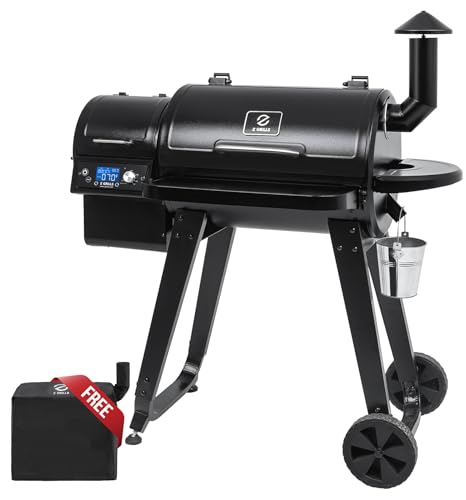
Pellet smokers feed wood pellets automatically and hold temperature with a controller. They suit beginners and busy cooks who want steady heat with less babysitting. They need power and pellets, and smoke flavour is milder than offset cooking.
Vertical Water Smokers
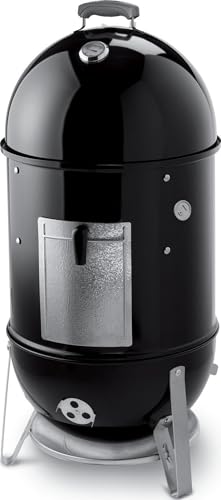
Vertical smokers stack heat, water, and cooking grates in a compact drum. They suit small yards and first time smokers, with the water pan steadying temperature. Capacity is smaller, and access to lower grates is awkward mid cook.
For a wider comparison within this category, readers often also look at best barbecue smoker grills, best wood pellet smokers, best pellet grills and smokers. Each guide covers a closely related option, so you can see how smoker choices differ before settling on a type.
Who Should Buy Which Type
The right smoker depends on who will use it and how often. The groups below cover the most common buyers, so find the one closest to your situation and note the features it prioritises.
First Time Smokers
First time smokers should favour temperature stability and simple controls over size. A smaller, controllable smoker teaches fire management without wasting fuel on a huge chamber.
Large Gathering Hosts
Hosts cooking for crowds need cooking area, multiple grates, and steady heat over many hours. Check grate layout for brisket, ribs, and chicken together, since a single level limits menu options.
Weekend Hobby Cooks
Hobby cooks who enjoy tending a fire should look at offset or charcoal models, where fire skill is part of the pleasure. If weekends are busy, a pellet model keeps smoking practical rather than occasional.
Key Features Explained
Marketing lists can hide what actually matters, so focus on the features below when comparing models. Each one affects daily use, running costs, or long term satisfaction in a direct way.
- Temperature Control: Steady temperature matters more than maximum heat. Check vent design, controller accuracy, and how the smoker recovers after the lid opens, since frequent peeking drops temperature.
- Fuel Type and Cost: Wood, charcoal, and pellets differ in flavour, cost, and availability. Price local fuel honestly, since a smoker that needs rare pellets or premium charcoal gets expensive fast.
- Cooking Space: Cooking space should match typical cooks, not rare feasts. Measure grate area and clearance for tall items like whole chicken, since a cramped chamber limits what you can smoke.
- Build Quality and Seals: Thick steel holds heat steadier and lasts longer, while tight seals prevent smoke and heat leaks. Check door fit, latch quality, and gauge before trusting appearance.
For a wider comparison within this category, readers often also look at best meat smokers, best grills and smokers. Each guide covers a closely related option, so you can see how smoker choices differ before settling on a type.
Common Mistakes to Avoid
Buying the biggest smoker for occasional cooks wastes fuel and heat. Another mistake is opening the lid constantly to check progress. A third is skipping a probe thermometer and guessing doneness.
Take time to measure, check compatibility, and read the manual before first use. A little preparation avoids most disappointments, and it also helps you spot a poor fit before the return window closes.
Care and Everyday Use
Clean grates after each cook, empty ash once cool, and wipe grease from drip areas to reduce flare risk. Cover the smoker when not in use, check seals seasonally, and store pellets dry.
Never use a smoker indoors, in a garage, or near flammable structures, since carbon monoxide and fire risk are real. Keep a fire extinguisher nearby, supervise children and pets, and let ash cool fully before disposal.
Your First Cook and Everyday Use
Decide fuel and capacity from real cooking habits, check the local fuel supply, and measure the patio space including clearance. A smoker that fits the yard and the fuel budget will be used far more than a showpiece.
For a first cook, choose a forgiving cut such as pork shoulder and allow plenty of time, since rushing a smoke leads to tough meat and frustration. Keep notes on fuel amounts, vent settings, and cooking times, so each later cook improves on the last. A simple notebook by the smoker quickly becomes the most useful accessory you own.
A Final Check Before You Buy
Before ordering your smoker, run through this short checklist to catch the oversights that cause most returns.
- Measure your space and confirm the smoker fits with room to use it comfortably.
- Check compatibility with what you already own, from power supplies to existing accessories.
- Compare running costs over two years, not just the purchase price on the day.
- Read the warranty and return terms, and note who handles service if something goes wrong.
- Confirm delivery, installation, and any extra parts you will need on arrival.
Frequently Asked Questions
How long does smoking take?
Smoking is slow by design, often taking several hours for ribs and far longer for large cuts. Plan around temperature, not clock time, and use a probe thermometer to judge doneness rather than guessing.
What wood should I use?
Mild fruit woods suit poultry and pork, while stronger woods like hickory and oak suit beef. Avoid treated, painted, or resinous wood, which can taint food and harm health.
Do I need to soak wood chips?
Soaking delays smoke and can cool the fire, so many cooks use dry wood in a smoker box or chunks. Experiment with small batches, since wood behaviour varies with smoker type and airflow.
How do I keep temperature steady?
Control airflow with vents rather than chasing fuel additions, keep the lid closed, and shield the smoker from wind. Small, regular adjustments beat large corrections that swing temperature wildly.
Is smoked food safe to eat?
Smoked food is safe when cooked to the right internal temperature, handled cleanly, and stored promptly. Use a probe thermometer, keep raw and cooked meat separate, and refrigerate leftovers quickly.
Final Thoughts
Choosing the right best barbecue smokers comes down to matching type, features, and budget to your real routine. Use the comparison table above as a starting point, check the details that matter for your situation, and favour a model you will actually enjoy using every day.