Best Bar Shaker Sets 2026: Home Bar Buying Guide
Disclosure: We may earn a commission when you buy through links on this page, at no extra cost to you. As an Amazon Associate I earn from qualifying purchases. Learn more

Bar shaker sets range from basic three piece kits to full bartender collections. Learn shaker types, materials, and tools that make better cocktails.
The best bar shaker sets turn home cocktail making from guesswork into a repeatable routine. A good shaker seals tightly, chills drinks quickly, and pours without drips, while the right extra tools let you measure, stir, and strain with confidence. The comparison table below shows the main set types so you can match a kit to how seriously you mix drinks.
Sets vary from a single shaker with a jigger to a full kit with strainers, a bar spoon, a muddler, and a pourer set. This guide explains shaker styles, materials, and the tools that actually earn counter space, so you buy a set you will use weekly rather than a box that gathers dust.



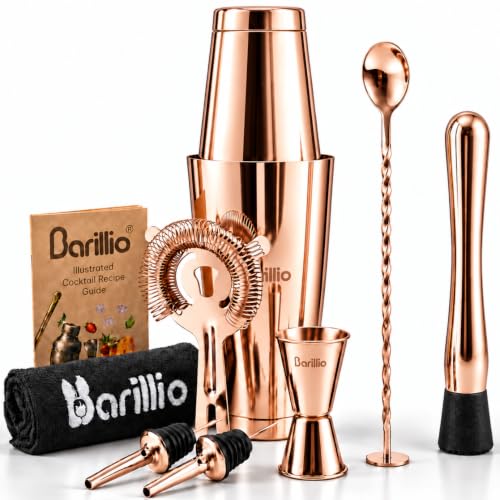


Cobbler, Boston, and French Shakers
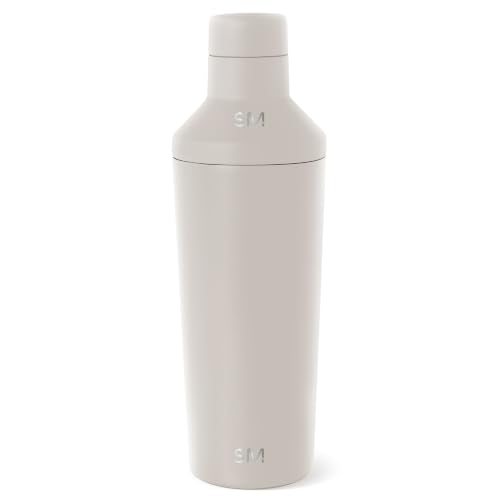
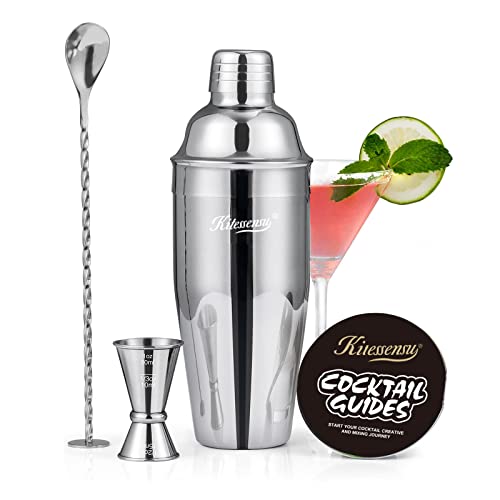
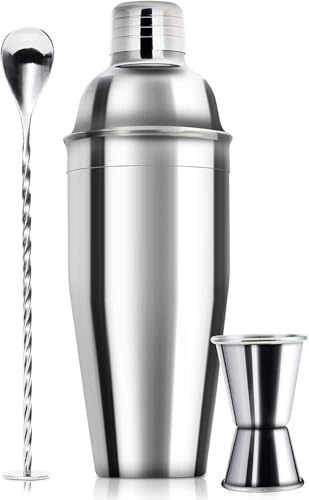
The cobbler shaker has three parts: a tin, a built in strainer top, and a cap that doubles as a small measure. It is the easiest shaker for beginners because it seals simply and strains without a separate tool, though the cap can stick when the metal contracts from cold. Cobbler sets suit casual drink makers who value simplicity.
The Boston shaker pairs two tins of different sizes and seals by pressing one into the other. It holds more volume, chills fast, and needs a separate strainer, which gives experienced makers more control over dilution and texture. The French, or Parisian, shaker looks like a two piece cobbler without a strainer and suits makers who want style plus Boston like performance with a separate strainer.
Materials: Stainless Steel, Glass, and More
Stainless steel is the standard for shakers because it chills quickly, resists breakage, and cleans easily. Weighted tins seal better and feel balanced during shaking, while very thin tins dent easily and lose their seal over time. Look for food grade steel with smooth interior seams that rinse clean without trapping residue.
Glass shakers look attractive and let you see the drink, but they chill more slowly and break if dropped on a hard floor. Glass suits display and gentle use rather than vigorous shaking. Avoid plated or painted finishes on the inside of a shaker, since coatings can wear into drinks, and favour plain steel for the parts that touch liquid.
Jiggers, Strainers, and Measuring Well
A jigger measures spirits accurately, and accurate measures make repeatable drinks. A double ended jigger with two sizes, such as one ounce and two ounces, covers most recipes, while a Japanese style jigger with thin walls and marked lines suits precise work. Measure at eye level on a flat surface to avoid overpouring, since small errors change balance noticeably.
Strainers separate ice and fruit pulp from the finished drink. A Hawthorne strainer with a spring fits Boston tins and most mixing glasses, while a fine mesh strainer catches small ice chips for a silky texture. A julep strainer suits stirred drinks served over fresh ice. Clean strainers promptly so springs and mesh do not trap sticky residue.
Bar Spoons, Muddlers, and Mixing Tools
A long bar spoon stirs drinks, layers liquids, and reaches the bottom of tall mixing glasses. A twisted shaft spins smoothly in the hand and helps a clean stir, while a spoon end or fork end adds versatility for garnishes. Stirring suits spirit forward drinks that should stay clear and silky rather than cloudy from shaking.
A muddler presses fruit, herbs, and sugar to release flavour without shredding. A flat ended muddler suits citrus and sugar, while a toothed end grips herbs but can tear mint leaves and release bitterness. Use gentle pressure and a few presses rather than grinding, since over muddling makes drinks bitter and cloudy.
Set Sizes and What to Skip
A starter set with a shaker, a jigger, and a Hawthorne strainer covers most classic cocktails and is the best value for new makers. A midrange set adds a bar spoon, a muddler, and a mixing glass, which opens stirred drinks and fresh fruit cocktails. A full set adds pourers, a peeler, and a bottle opener, which suit frequent hosts but add clutter for occasional makers.
Skip gimmick tools that duplicate a job you already cover, such as novelty ice moulds in every shape or a second shaker in a different finish. A set that stores neatly in a box or on a stand gets used more than a sprawling kit spread across drawers. Choose the smallest set that covers the drinks you actually make, then add single tools as your repertoire grows.
Care, Storage, and Drink Safety
Rinse shaker parts promptly after use, since sugar and citrus corrode seals and leave sticky films that make tins stick. Hand wash stainless steel and dry before storing, because dishwasher heat can warp thin tins and dull finishes. Store tins separately rather than nested tightly, since nested tins can vacuum seal and jam.
Serve responsibly by measuring pours and keeping track of drinks across an evening. Offer water and food alongside cocktails, and plan transport before guests arrive when alcohol is served. Keep tools out of reach of children, since shakers and strainers have small parts and sharp edges, and store spirits securely between gatherings.
To furnish the wider home bar, see best bar sets and best bar tool sets. For drinks on the move, best travel bar sets covers portable kits, while best outdoor bar sets suits garden and patio setups.
A Final Check Before You Order
Before ordering, count the drinks you actually make and choose the smallest set that covers them, since a sprawling kit gathers dust while a compact set gets used weekly. A shaker, a double ended jigger, and a Hawthorne strainer cover most classics, and a bar spoon and muddler open stirred and fresh fruit drinks. Check tin weight and steel quality, since weighted tins seal better and last longer than thin dent prone ones.
Think about storage before buying, since a set that stores neatly in a box or on a stand gets used more than tools scattered across drawers. Rinse and dry tools promptly after use to protect seals and springs, and store tins separately so they do not vacuum seal together. A good set earns its counter space by making repeatable drinks easy, not by impressing with tool count.
Frequently Asked Questions
What is the best shaker type for beginners?
A cobbler shaker is the easiest start because it combines shaker, strainer, and cap in one piece. It seals with a simple press and pours without a separate strainer, which keeps the process simple. Its cap can stick when cold, so run the top under warm water briefly if it jams. Once you shake regularly, a Boston set with a separate strainer gives more volume and control.
Should I buy stainless steel or glass shakers?
Stainless steel suits most makers because it chills fast, survives drops, and cleans easily. Weighted steel tins seal well and feel balanced during shaking. Glass looks elegant and shows the drink, but it chills slowly and breaks on hard floors. Choose steel for regular use and glass only for display or gentle occasional mixing where breakage risk is low.
What tools come in a good bar shaker set?
A good starter set includes a shaker, a double ended jigger, and a Hawthorne strainer, which together cover most shaken cocktails. A midrange set adds a bar spoon, a muddler, and a mixing glass for stirred drinks and fresh ingredients. Full sets add pourers, a peeler, and an opener for frequent hosts. Skip duplicate or novelty tools that do not match the drinks you actually make.
How do I stop a shaker from leaking or sticking?
Seal the shaker firmly with a straight press, and check that the rim is clean and undented before shaking. Shake with the seam facing away from you and hold both parts firmly. If a cobbler cap sticks after chilling, run warm water over the top briefly to expand the metal. Store tins separately rather than nested, since nested tins can vacuum seal and jam between uses.
How do I clean bar tools properly?
Rinse tools promptly after use to stop sugar and citrus from setting on steel and springs. Hand wash with warm soapy water, rinse well, and dry fully before storing to prevent water spots and odour. Avoid dishwasher heat on thin tins and plated finishes, which can warp or dull. Clean strainer springs and muddler heads carefully, since sticky residue hides in crevices and affects the next drink.
Final Thoughts
A good bar shaker set matches your skill and your drinking habits rather than impressing with tool count. A steel shaker that seals well, an accurate jigger, and a reliable strainer cover most cocktails, and extra tools earn their place only when you use them. Use the product table above to compare set types, then choose the kit that fits your counter, your budget, and the drinks you love to make. The best bar shaker sets make home cocktails feel easy, repeatable, and fun for everyone at the table.