Best Bar Tool Sets of 2026: Complete Buying Guide
Disclosure: We may earn a commission when you buy through links on this page, at no extra cost to you. As an Amazon Associate I earn from qualifying purchases. Learn more

Build a home bar that works well: shakers, jiggers, strainers, bar spoons, mixing glasses, and storage tips for cocktails without clutter or wasted money.
A good home bar starts with a few tools used well, not a drawer full of gadgets. The best bar tool sets cover the core pieces every home bartender needs, and the comparison table below sets out set types so you can match one to your drink style, your space, and your budget.
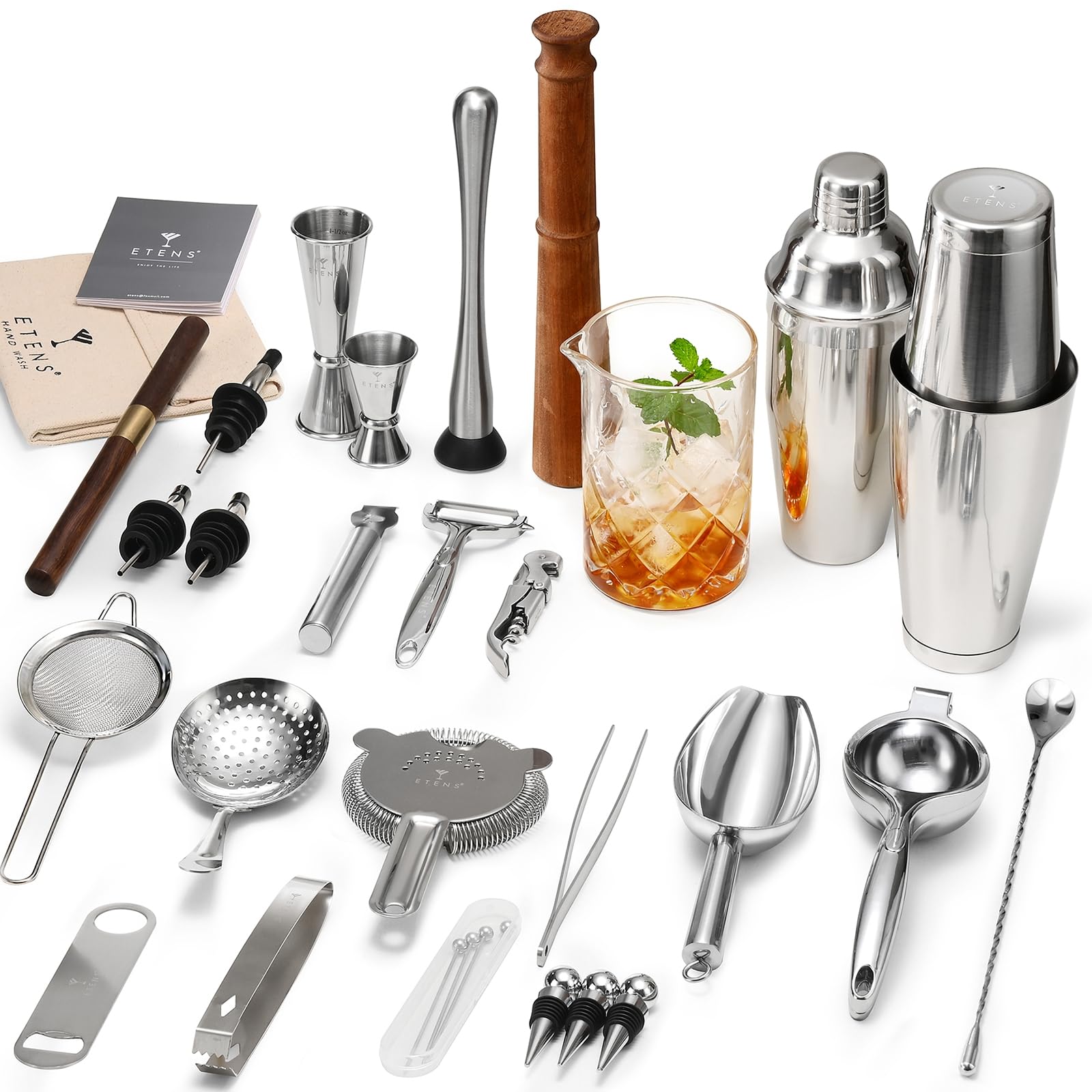
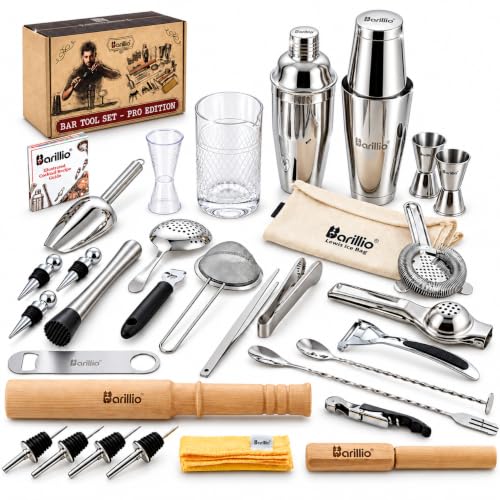
Most beginners need a shaker, a jigger, a strainer, and a bar spoon, with a peeler and a muddler as useful extras. Sets bundle those pieces at a lower cost than buying separately, but bundle quality varies, so judge materials and finish before price alone.


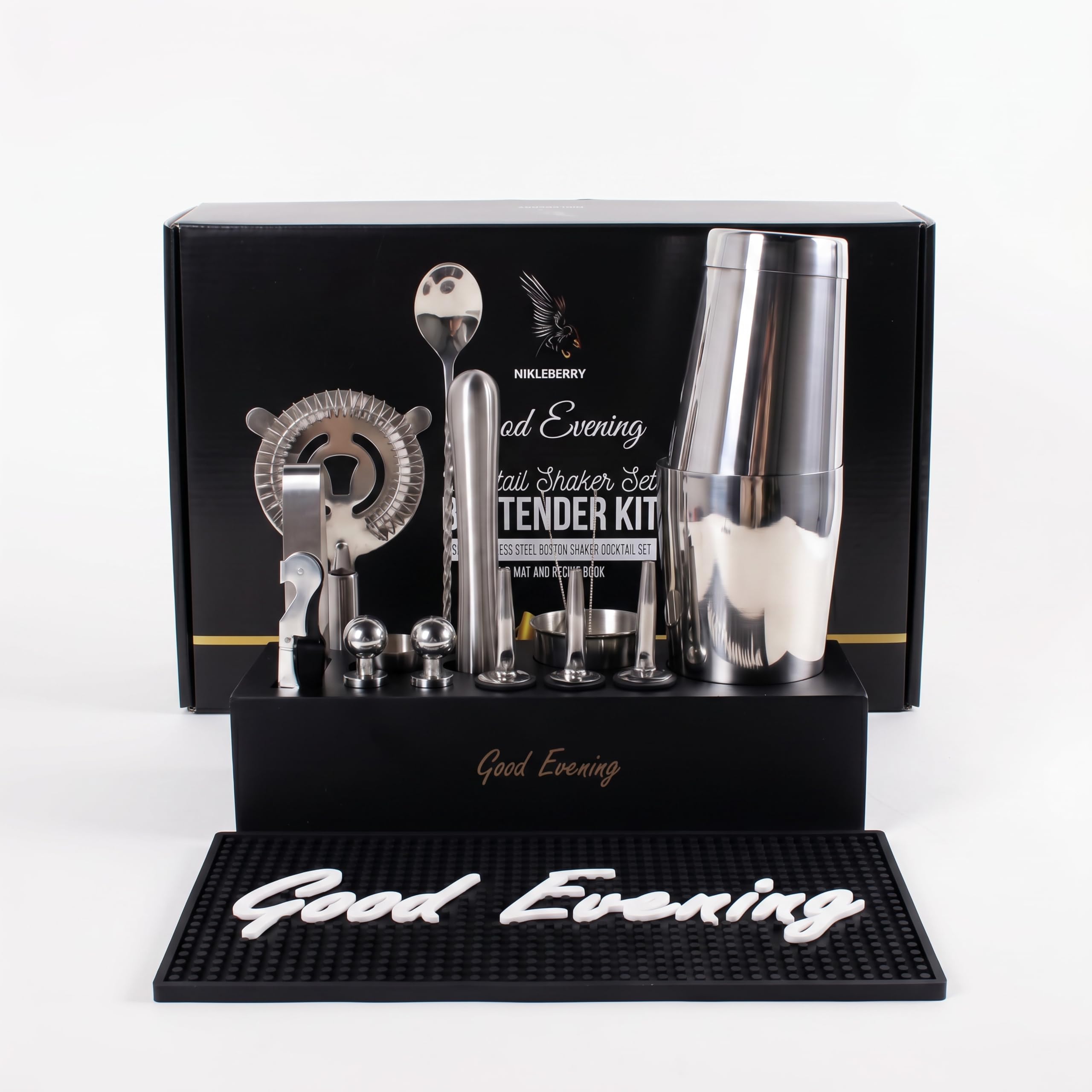
Who Should Buy a Bar Tool Set
A bar tool set suits home hosts, cocktail beginners, and anyone setting up a first home bar. It also suits gift buyers, since a well chosen set gives a complete starting kit in one box. Experienced bartenders may prefer buying pieces separately, but a set still works as a backup or travel kit.
It is less suited to professional bars, where tools face heavy daily use and need commercial durability and precise volumes. Home sets prioritise looks and value, while professional tools prioritise speed and longevity under constant use. For home entertaining, however, a good set covers nearly every classic drink.
- Home hosts who make cocktails for friends
- Beginners learning classic drinks at home
- Gift buyers seeking a complete starter kit
Core Tools Explained
Shakers and Jiggers
Shakers come in cobbler, Boston, and French styles. Cobbler shakers include a built in strainer and suit beginners, while Boston shakers use two tins and need a separate strainer but seal well and chill quickly. French shakers sit between the two, with elegant looks and a separate strainer need. Choose by confidence: cobbler for simplicity, Boston for speed once practised.
Jiggers measure spirits accurately, and accuracy matters more than flair for balanced drinks. A double ended jigger with clear markings covers most recipes, while a Japanese style jigger offers finer graduations for precise work. Avoid novelty jiggers with unclear volumes, since guessing measures ruins otherwise good recipes.
Strainers, Spoons, and Openers
Strainers separate ice and pulp from the finished drink. A Hawthorne strainer fits shaker tins, a julep strainer suits stirred drinks in mixing glasses, and a fine mesh strainer catches small ice chips for silky texture. Most home bars need a Hawthorne strainer first, with a fine strainer as a useful second piece.
Bar spoons stir drinks without over diluting them, and their long handles reach mixing glass bottoms. A twisted spoon helps layering and controlled stirring, while a simple long spoon covers basic needs. Add a bottle opener and a peeler for garnishes, since fresh citrus peel lifts many drinks more than any syrup.
Materials, Finish, and Cleaning
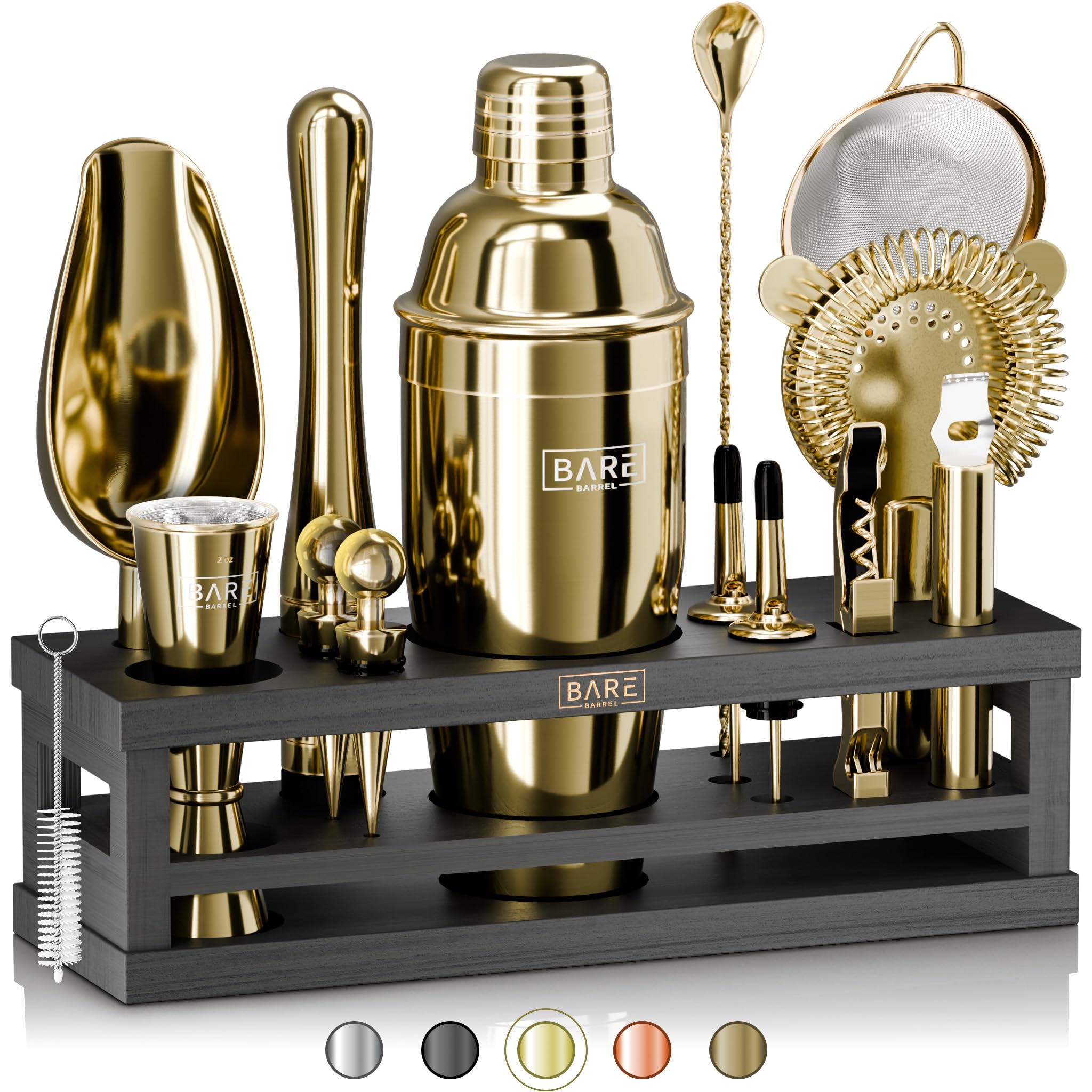
Stainless steel is the standard for bar tools because it resists corrosion, chills well, and cleans easily. Gold or copper finishes look striking but can wear with heavy washing, so check whether the finish is plated or solid. Weighted bases and thick walls feel better in use and survive drops better than thin, light tools.
Most bar tools wash best by hand with warm soapy water, then drying promptly to prevent spots. Dishwashers can dull finishes and loosen parts over time, so hand washing protects both looks and function. Store tools dry, and keep small pieces together so jiggers and strainers do not vanish into drawers.
Types Compared
Bar tool sets range from basic starter kits to full professional style kits, and each suits a different level of interest. The table below compares them for home buyers.
| Type | Suits | Watch Out For |
| Starter set | Beginners, classic shaken drinks | No mixing glass |
| Mid range set | Stirred and muddled drinks | More storage space needed |
| Full set with stand | Keen hosts, display bars | Higher price, more clutter |
Starter sets cover the four core tools and suit beginners, mid range sets add a mixing glass and muddler for stirred and muddled drinks, and full sets add stands, extra strainers, and garnish tools for keen hosts. Choose the smallest set that covers drinks you actually make.
Readers comparing nearby options often find related guides useful. See best bar sets for a closer look at that related choice.
Setting Up a Small Home Bar
Start with a clear surface or tray that holds your tools, a few bottles, and a cutting board for garnishes. A tray keeps spills contained and makes cleanup quick, while a dedicated shelf or cart keeps tools visible and inviting. Avoid spreading tools across kitchen drawers, since hidden tools get forgotten and drinks become a chore.
Stock a few versatile spirits and mixers before buying exotic bottles. A good gin, rum, whiskey, and vermouth cover many classics, while tonic, soda, and fresh citrus cover mixers. Build the bottle collection slowly as you learn recipes, and let your tool set grow with your drinks rather than ahead of them.
Mistakes That Waste Money
The most common mistake is buying a large decorative set whose tools look good but measure poorly or seal badly. Check shaker seals and jigger accuracy early, and return sets that fail basic jobs. Another mistake is buying duplicate gadgets, such as several openers and picks, that clutter the bar without improving drinks.
Ignoring cleaning also shortens tool life. Citrus juice left on steel can spot finishes, and sticky syrup in strainers hardens quickly. Rinse tools after use, dry them promptly, and store them together so the next drink starts cleanly rather than with a search through drawers.
What Your Money Gets at Each Price Level
Price tiers for a bar tool set reflect materials, build quality, and features rather than a single best choice, so use the table below as a guide to where extra spending actually helps. A budget option often covers the core job well, while higher tiers add durability, comfort, or convenience that frequent users will notice most.
| Tier | Typical Price | What You Get |
| Budget | about $20 to $40 | Basic stainless tools with simple finishes. |
| Mid range | about $40 to $80 | Thicker steel, better seals, and accurate jiggers. |
| Higher end | about $80 to $150 | Premium finishes, weighted tools, and complete kits. |
Start at the lowest tier that meets your real use, then step up only for a weakness that would bother you daily. A casual user rarely benefits from premium durability, while a daily user feels cheap materials quickly. That simple rule keeps spending sensible without sacrificing the features that matter for your routine.
Also consider running costs and lifespan alongside the purchase price. A slightly pricier option with replaceable parts, washable covers, or widely available spares can cost less over years than a cheap option that needs early replacement. Compare total ownership, not just the price on the listing, before you decide.
Frequently Asked Questions
What tools do I need to start making cocktails?
Start with a shaker, a jigger, a Hawthorne strainer, and a bar spoon, which together cover most shaken and stirred classics. Add a peeler for citrus garnish and a muddler for drinks that need crushed herbs or fruit. That small kit makes dozens of recipes without clutter, and you can add pieces as your tastes develop.
Cobbler or Boston shaker: which is better for beginners?
A cobbler shaker is easier for beginners because it includes a strainer and seals with a simple cap, so there is less to learn at once. A Boston shaker seals well and chills fast, but it needs a separate strainer and a little practice to open cleanly. Start with a cobbler, then try a Boston once shaking feels comfortable.
How do I measure cocktails accurately?
Use a jigger with clear markings and measure at eye level on a flat surface, since pouring freehand varies widely between drinks. Consistency matters more than speed for balanced flavour, so measure every spirit and mixer until ratios become familiar. A small measuring error in a strong spirit changes a drink far more than in a mixer.
Do bar tools need special cleaning?
Most bar tools need only hand washing with warm soapy water and prompt drying to prevent spots and sticky buildup. Dishwashers can dull plated finishes and loosen joints, so hand washing is safer for good sets. Rinse strainers and muddlers right after use, since dried pulp and syrup are harder to clean later.
Are expensive bar tool sets worth it?
Higher priced sets often offer thicker steel, better seals, and more accurate jiggers, which matter for frequent use. Occasional hosts may do well with a mid range set that covers core tools solidly. Judge by seal quality, jigger markings, and weight in hand rather than by box presentation or gadget count alone.
Should I buy a set with a stand?
A stand suits hosts who display tools and want everything visible and tidy, but it adds cost and counter clutter. Sets without stands store easily in drawers and suit smaller kitchens. Choose a stand only if you have display space and use the tools often enough to justify keeping them out.
Final Thoughts
A good bar set gives you accurate measures, a reliable shaker seal, and tools that clean easily after guests leave. Compare the product table above against the drinks you make most, and favour core quality over gadget count.
Start small, learn a few classics well, and let the bar grow with your taste. The best bar tool sets are the ones that make hosting feel easy rather than fussy.