Best Beer Mixers in 2026: Which Type Is Right for You?
Disclosure: We may earn a commission when you buy through links on this page, at no extra cost to you. As an Amazon Associate I earn from qualifying purchases. Learn more

Confused by all the options? We compare every type of beer mixer side by side so you can choose the best beer mixers for your space and budget.
A plain lager becomes something new with the right mixer, but the shelf of options can puzzle anyone. Tomato based blends promise a bold michelada, ginger and citrus mixes suggest a bright shandy, and small concentrate bottles claim big flavor from a few drops. This guide compares the types of best beer mixers so you can stock your fridge with intent.
The comparison table below gives a fast overview of formats and prices. Below it, each type gets an honest look at flavor, effort, and cost, followed by the label checks that separate a mixer you will finish from one that gathers dust behind the ketchup.




Types of Beer Mixers Compared
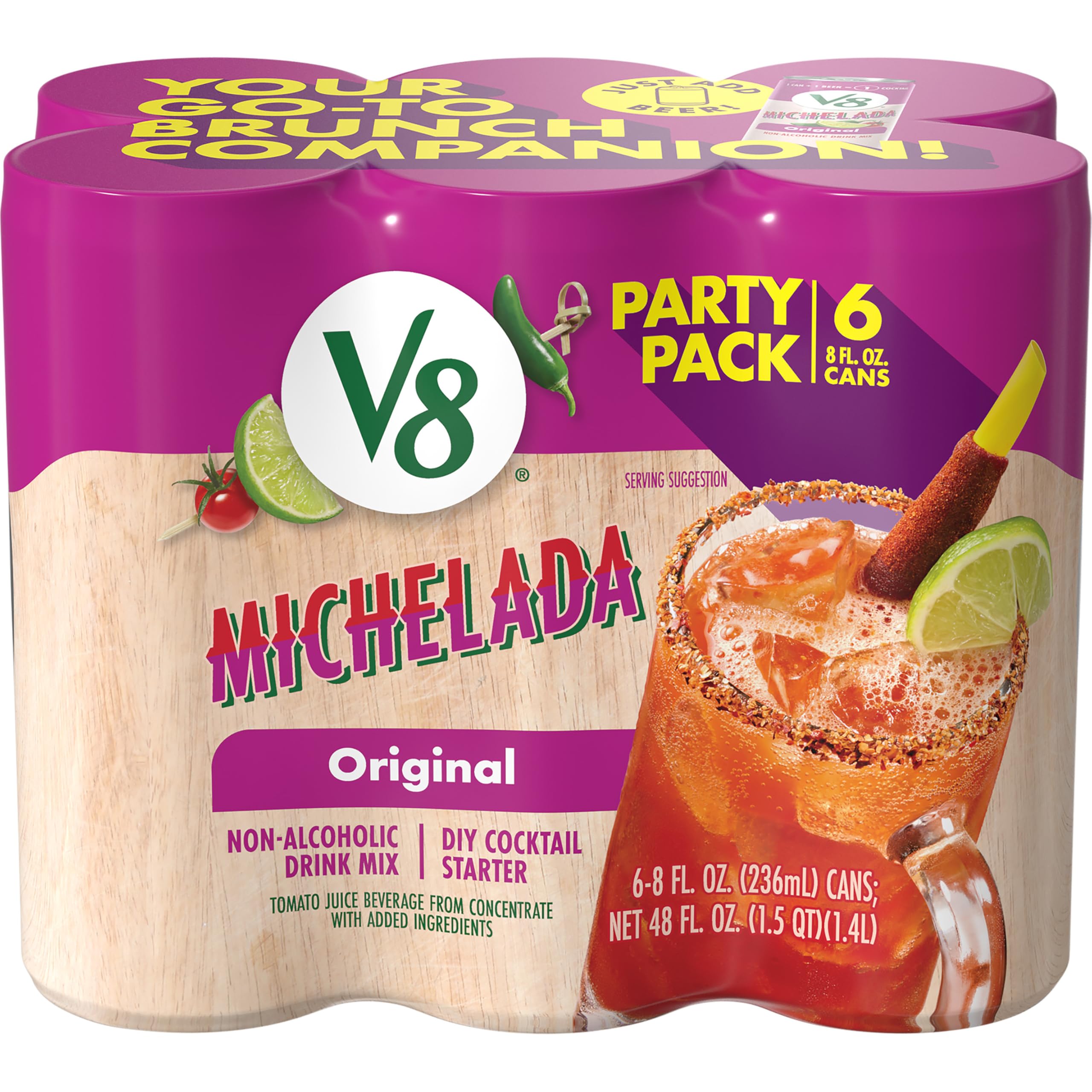
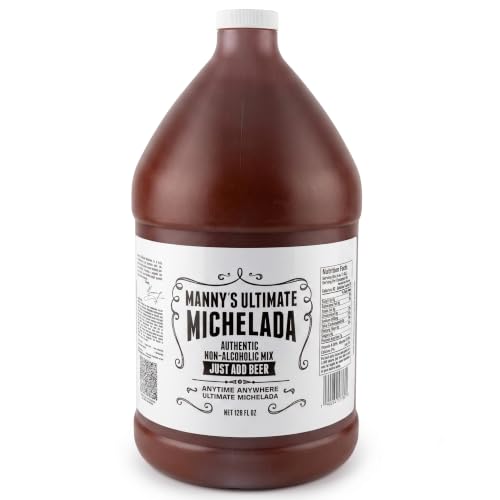
Beer mixers fall into three broad families: ready to pour blends, craft style bottled mixes with layered seasoning, and compact concentrates or small format bottles. All three aim at classic drinks such as the michelada, the shandy, and the radler, but they differ in how much work, fridge space, and money they ask from you.
Premium Options
Premium mixers are usually bottled blends built around real juice, tomato, or brewed ginger, with seasoning layered in rather than sprayed on top. A bottle might carry the salt, lime, chili, and spice balance of a proper michelada in one pour, so you add beer, stir gently, and serve. Prices often run about $10 to $20 per bottle, which feels steep until you count the fresh ingredients and prep time they replace.
The strengths are flavor depth and consistency from glass to glass. The weakness is that you pay for water weight and glass, and an opened bottle needs fridge space and a timely finish. Choose this type when you serve beer cocktails often, host friends who love micheladas, or want a reliable result without building a spice shelf first.
Budget Options
Budget mixers include large bottles of seasoned tomato juice, lemonade blends for shandies, and simple citrus sodas that home bartenders have used for years. They often cost under $8 for a generous bottle, and one bottle stretches across many glasses. The flavor is usually straightforward: bright, salty, or sweet, with less layering than premium blends.
The trade off is control. A budget blend may run too sweet, too salty, or too mild, and you fix that at the glass with extra lime, hot sauce, or a pinch of salt. That actually suits tinkerers, who enjoy adjusting each drink. Choose budget mixers for big gatherings, casual weekends, and experimenting to learn which style your household likes before spending more.
Compact Options
Compact mixers are concentrates, small bottles, and single serve packs that take almost no room. A few drops or a small pouch can season a full glass, which makes them ideal for travel, camping, tailgates, and small kitchens. Prices vary, often about $8 to $18 for a multipack, and the cost per drink lands in the middle once you do the math.
The downside is precision. Concentrates punish a heavy hand, turning a good lager bitter or harsh with one extra squeeze, and they offer less of the body that juice based mixes bring. Choose compact formats when storage is tight or the drinks happen away from home, and measure carefully the first few times until you learn the strength.
Premium Options vs Budget Options: Which Should You Choose?
Compare flavor first. Premium blends layer juice, acid, salt, and spice so the drink tastes complete at once, while budget blends give a simpler base you adjust yourself. Next, think about effort. Premium wins for guests and weeknights because there is nothing to tweak, while budget rewards anyone happy to keep lime and hot sauce nearby.
Cost per glass narrows the gap more than shelf prices suggest, since a large budget bottle serves many drinks. Freshness matters too: both types decline after opening, but premium juice based mixes usually ask to be finished sooner. Finally, consider variety. One premium bottle does one drink very well, while the same money in budget formats buys two or three styles to explore. Pick premium for a signature drink you serve often, and budget for range and volume.
How to Choose the Right Beer Mixer
Safety and Certifications
Mixers are food products, so start with the seal and the date. Buy bottles with intact seals and a best by date months away, and skip anything leaking or swollen. If you or your guests have allergies, read the full ingredient list, because michelada style mixes may contain shellfish derived sauces, soy, or wheat based ingredients that are easy to miss at a glance.
Once opened, refrigerate juice based mixers and finish them within the window on the label, often about a week or two. Shelf stable concentrates last longer but still belong in a cool, dark spot. When in doubt about a bottle that smells off or looks separated in a way stirring cannot fix, pour it out. No drink is worth a stomach ache, and a fresh bottle costs little.
Intended Use and Who It Is For
Match the mixer to the drink and the drinker. A michelada mix belongs with crisp lagers and suits people who enjoy savory, spicy flavors. A shandy or radler blend pairs with wheat beers and pilsners and pleases guests who prefer something light and citrusy. If your group leans toward classic cocktails as well, our guide to the best mixers for margaritas shows how similar label checks apply across the home bar.
Think about frequency too. A household that makes beer cocktails every weekend uses a large bottle before it fades, while an occasional host should buy small formats to avoid waste. And keep the beer itself in mind: a delicate lager disappears under a heavy mix, so strong blends call for a sturdier beer that can hold its own.
Warranty and Customer Support
Food and drink products do not carry warranties, but sellers should still make breakage and freshness right. Glass bottles do break in transit, so favor sellers with a clear replacement policy and packaging that protects the bottle. Save your order details until the bottles arrive and you have checked seals and dates.
Support quality also shows in information. A maker that publishes full ingredients, nutrition facts, and mixing ratios on the listing respects your time. If a brand hides its ingredient list behind marketing words, that silence tells you something. Good support teams answer ratio and allergen questions quickly, which matters when you are planning drinks for a group with mixed needs.
Key Performance Specs
For a mixer, performance means flavor balance, mixing ratio, and yield. The ratio tells you strength: a mix used at about one part mix to three parts beer stretches further than one used at equal parts. Multiply the ratio by bottle size to get servings, then divide the price by servings for a true cost per glass.
Also check sugar and sodium per serving if you make these drinks often, because a savory mix can carry a surprising amount of both. Carbonation is the last spec, and it belongs to technique: pour the mix first, add beer slowly down the side of the glass, and stir once. That order keeps the foam lively instead of flattening the drink. Keeping finished drinks cold matters as well, and our guide to the best beer refrigerators covers steady storage temperatures for beer and mixers alike. For a wider view of the category, see our guide to the best drink mixers for how beer mixers compare with soda and cocktail bases.
Care and Maintenance Tips
- Refrigerate juice based mixers as soon as you open them, and write the opening date on the cap so guesswork never decides freshness.
- Shake tomato and spice blends before pouring, because seasoning settles at the bottom and the first glass otherwise tastes weak while the last tastes harsh.
- Wipe bottle rims after each pour, since dried mix crusts the cap threads and makes the next opening messy.
- Store concentrates upright in a cool cupboard, and keep them away from stove heat that dulls citrus and spice flavors.
- Rinse glasses soon after serving, because tomato and chili mixes stain and hold odors if they sit overnight.
FAQs
What features matter most when buying beer mixers?
Flavor balance, ingredient quality, and mixing ratio matter most. A good mixer lists real juice or tomato near the top of its ingredients, states a clear ratio so you can predict servings, and balances salt, acid, and heat so no single note shouts. Check sugar and sodium per serving too, especially if beer cocktails are a weekly habit rather than a rare treat.
How much should I spend on a beer mixer?
Most home drinkers do well spending about $6 to $15 per bottle. Budget blends under $8 cover parties and experiments, while premium bottles around $12 to $20 earn their price when they replace several fresh ingredients. Judge by cost per glass using the mixing ratio, not by bottle price alone, because a strong concentrate can outlast a larger weak blend.
How long does a beer mixer last?
Unopened, most mixers keep for many months in a cool cupboard, guided by the best by date on the bottle. After opening, juice and tomato based mixes usually stay at their best for about one to two weeks in the fridge. Concentrates last far longer once opened, often several months, since you use so little each time and many contain no fresh juice to spoil.
Are expensive beer mixers worth it?
They are worth it when you value a complete, repeatable drink with no prep. A premium michelada blend can replace tomato juice, lime, sauces, and spices you might buy and barely use, so the true comparison is against that whole basket. If you enjoy adjusting flavors yourself, a budget base plus your own additions can taste just as good for less money.
How do I maintain a beer mixer?
Maintenance is mostly storage discipline. Keep opened bottles cold and sealed, shake settled blends before use, and respect the finish within guidance on the label. Keep unopened spares away from heat and light. If a mixer smells sour in the wrong way, grows mold at the rim, or tastes flat and strange, discard it and open a fresh bottle.
Wrapping Up
The right mixer depends on your drink, your storage space, and how much tweaking you enjoy. Premium blends deliver a finished flavor fast, budget bottles reward a little personal adjustment, and concentrates travel anywhere. Check ingredients, ratios, and dates before you buy, compare your shortlist with the product table above, and you will stock best beer mixers that earn their place in your fridge. Drink responsibly, and only serve alcohol to adults of legal drinking age.