
Best Beer Pumps for 2026: What Actually Matters Before You Buy
Disclosure: We may earn a commission when you buy through links on this page, at no extra cost to you. As an Amazon Associate I earn from qualifying purchases. Learn more
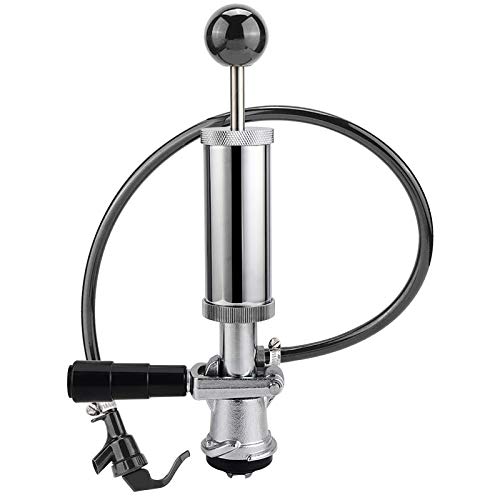
Learn how to choose the best beer pumps with a clear checklist on pump types, pressure, cleaning, fit, and price tiers for home and party use.
Beer pumps cover more ground than most buyers expect. The term includes simple hand pumps that push beer from a party keg, traditional beer engines that pull cask ale in pubs, and compact electric dispensers for home use. This guide gives you a clear checklist for judging best beer pumps of every kind, so foam filled glasses and flat pours stop being a gamble.
The product table below shows the main options at a glance. After it, the evaluation criteria explain what good looks like for each pump type, which styles pass the checklist for common uses, and the red flags that should send you back to the listings.
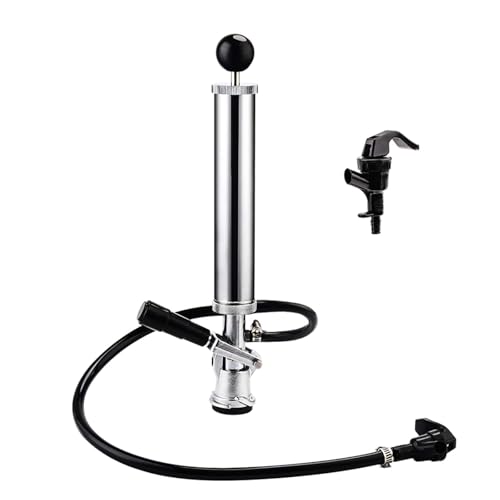
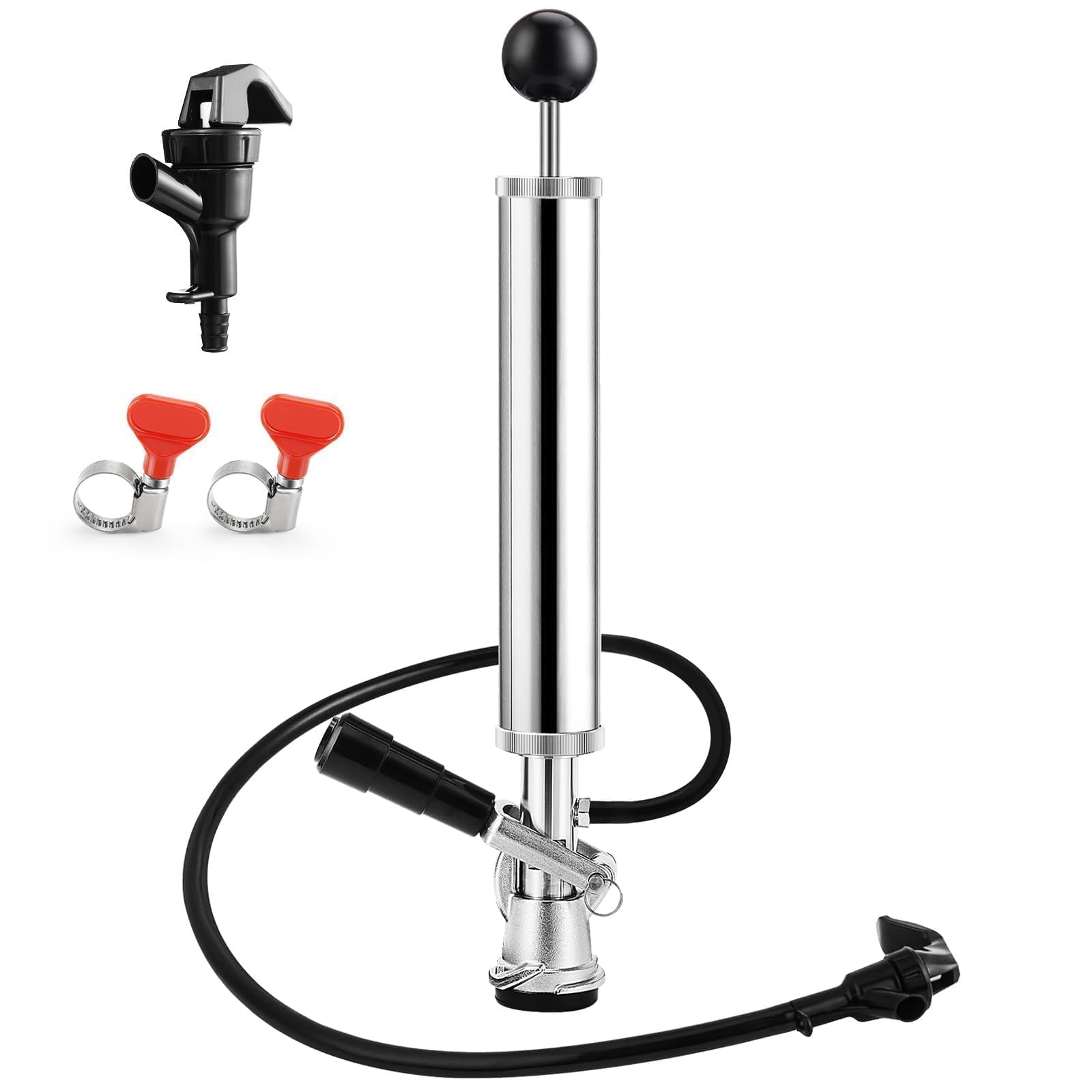
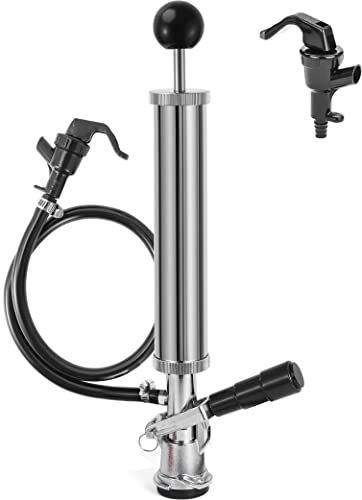




How to Evaluate Beer Pumps
Intended Use and Who It Is For
Intended use decides everything else, so score this first. A hand pump on a keg suits a one day party where the beer will be finished within hours. A beer engine suits cask ale fans who want that soft, cellar style pour at home or in a small bar. An electric dispenser suits regular home drinkers who value a chilled, repeatable pour.
Be honest about frequency. A pump used twice a year should be cheap, simple, and easy to store. A pump used every weekend earns better seals, smoother action, and spare parts support. Matching the pump to the real pattern of use is the single best predictor of whether you will still like it next year.
Price vs Value
Budget hand pumps often cost around $25 to $60 and are fine for occasional kegs. Mid range options around $60 to $200 include sturdier party pumps and most home electric dispensers. Premium beer engines and polished pub style setups can run about $200 to $500 or more, reflecting brass fittings, smooth mechanisms, and long service life.
Value means cost per pour over the pump life, not the sticker. A cheap pump that leaks, foams, and wastes a quarter of a keg costs more than it saves. When you read comparisons of the best quality pumps in any category, the same lesson appears: seals, materials, and parts support decide value far more than the headline price.
Maintenance and Long Term Costs
Every beer pump needs cleaning, because beer residue feeds off flavors and bacteria fast. Lines, taps, and pump chambers should be rinsed after use and cleaned with a proper beer line cleaner on a regular schedule. Budget for that cleaner, plus replacement seals and washers, as the true running cost of ownership.
Ask how the pump comes apart before you buy. Models with simple, tool light disassembly get cleaned often in real life. Models with hidden chambers and fiddly parts get skipped, and skipped cleaning is what makes home poured beer taste stale. Long term cost is mostly the price of neglect, so choose a design you will actually maintain.
Size, Weight, and Fit for Your Space
Measure where the pump will live and work. A beer engine needs counter depth for its base and clear space for the long handle pull. An electric dispenser needs ventilation room around its vents and a spot near an outlet. A keg hand pump needs no counter space at all, but the keg itself needs a tub, ice, and floor room.
Weight matters for storage and transport. Heavy cast engines feel wonderful in use but are a chore to move for events. If the pump will travel to parties or a garden, a lighter unit you can carry in one trip wins. Check the coupler type against your kegs as well, since a pump that does not fit your keg fitting is useless no matter how good its scores look.
Key Performance Specs
The specs that matter are pour control, pressure handling, and compatibility. Good pour control means a smooth stroke or steady flow that fills a glass with a modest head instead of a cup of foam. Hand pumps add air, which is fine for same day drinking but speeds up staling, while gas driven and electric systems keep beer fresher across days.
Check which keg couplers and line sizes the pump supports, and whether flow can be adjusted. For beer engines, stroke volume tells you how many pulls fill a pint. For electric dispensers, check cooling range and noise. A pump that matches your kegs, your beer style, and your pace of drinking will always outperform a stronger spec sheet that fits none of them.
Safety and Certifications
Pressurized beer demands respect. Never exceed the pressure rating of the keg or the pump, and release pressure slowly using the relief valve before disconnecting anything. If your setup uses gas cylinders, secure them upright, keep them away from heat, and check fittings for leaks with soapy water before serving.
Materials matter for health as well. Wetted parts should be food grade, and cleaning chemicals should be made for beer lines and rinsed exactly as directed. Serve only to adults of legal drinking age, and position kegs where children cannot play with taps or heavy cylinders. A safe setup is part of a good pour, not an optional extra.
Ease of Use and Setup
A pump passes this test when a first time user can set it up in minutes with clear instructions. Couplers should click on without force, lines should arrive cut to sensible lengths, and priming should take a glass or less of wasted beer. Confusing diagrams and missing washers are early warnings of a frustrating ownership experience.
Daily use should feel just as simple. Handles should move smoothly without jerking, taps should shut off cleanly without drips, and the pump should stay stable on the counter or keg while you pour. If a demo video shows two hands wrestling the pump to fill one glass, believe it and choose a different design.
Three Pump Styles That Pass the Checklist
Manual Keg Pumps for Parties
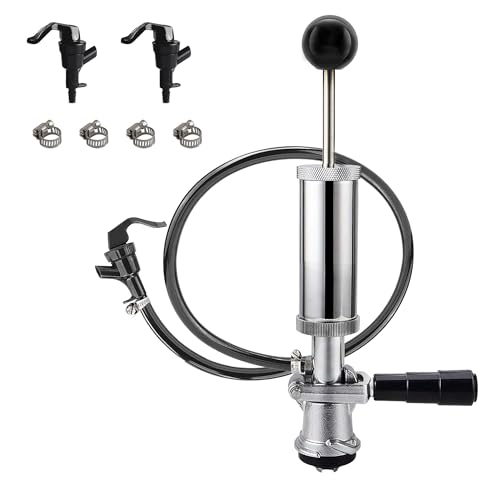
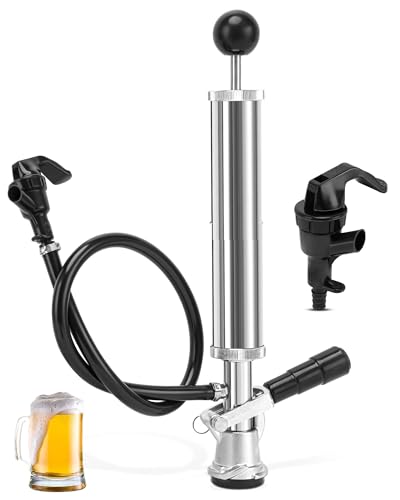
The classic hand pump taps a keg and uses air pressure from your pumping to push beer to the faucet. It passes the checklist on price, simplicity, and zero setup beyond icing the keg. For a wedding, a barbecue, or a game day where the keg will be emptied the same day, nothing beats it for value.
Its limit is freshness. Air in the keg dulls flavor within a day or so, and eager pumping creates foam. Assign one calm person to pour, keep strokes slow and even, and plan to finish the keg at the event. Around $25 to $60 buys a serviceable version with a standard coupler.
Compact Electric Dispensers
Electric countertop dispensers chill small kegs or pressurized growlers and pour at the touch of a handle. They pass on ease of use and consistency, giving a cold, lively pour across several days rather than one afternoon. They suit regular home drinkers who buy small format kegs and want the pub feel without a full kegerator build.
The trade offs are cost, noise, and format lock in. You pay around $100 to $250, hear a fan while it chills, and must buy kegs that fit the unit. Check the accepted formats carefully before ordering, because a dispenser that excludes your favorite beer is an expensive ornament.
Traditional Beer Engines for Cask Ale
A beer engine is a hand pull pump that draws cask conditioned ale up from a cellar or countertop cask without added gas pressure. It passes on pour quality for that style, producing the soft carbonation and creamy head cask fans love. For a home bar built around real ale, it is the most satisfying pump of all.
It is also the most demanding. Casks need settling, venting, and drinking within a few days, and the engine needs careful cleaning between casks. Prices often start around $200. Choose it only if cask ale is truly your thing, because for standard keg beer it solves a problem you do not have.
Quick Buyer Checklist
- Does the pump type match how fast the beer will actually be finished?
- Does the coupler fit the kegs you buy most often?
- Can you take it apart and clean every part that touches beer?
- Are replacement seals, washers, and lines easy to order?
- Does it fit your counter, floor space, and storage spot with room to spare?
- Are all parts that touch beer made from food grade materials?
- Is the total cost, including cleaner and spares, within your budget?
- Do the instructions cover pressure release and safe disconnection clearly?
Red Flags to Watch For
- Vague specs. Listings that hide coupler type, materials, or line size are hiding something else too.
- No spare parts. A pump without available seals and washers becomes trash the first time a gasket fails.
- Impossible promises. Claims that a hand pump keeps beer fresh for weeks ignore basic science about air and beer.
- Missing safety guidance. Any pressurized product sold without pressure limits and release steps deserves a pass.
- Suspicious review patterns. Waves of short, glowing comments with no mention of cleaning or foam tell you little about real ownership.
How to Make Your Beer Pump Last Longer
Rinse the pump and lines with clean water right after each use, before residue dries. Run beer line cleaner through the system on the maker schedule, then rinse again until the water runs clear and neutral. Let parts air dry fully before storage, and keep seals lightly conditioned if the maker advises it.
Store the pump in a dry place with hoses loosely coiled rather than kinked. Inspect washers each time you set up, and swap any that look cracked or flattened. Ten minutes of care after an event is what separates a pump that lasts a decade from one that tastes stale by its third keg.
Beer Pumps: Your Questions Answered
How much should I spend on a beer pump?
Match spending to use. Around $25 to $60 covers a solid hand pump for parties. Regular home drinkers looking at electric dispensers should budget about $100 to $250, and cask fans can expect $200 or more for a proper beer engine. Add a little for line cleaner and spare seals, because those small items protect the beer you already paid for.
Are expensive beer pumps worth it?
They are worth it when you pour often. Better pumps give smoother flow, fewer foam losses, sturdier fittings, and seals you can actually replace, all of which lower the cost per good glass over years of use. For a once a year party keg, an expensive pump adds little. The honest test is pours per year: the more you pour, the more quality pays you back.
How do I maintain a beer pump?
Rinse with water after every use, clean lines with beer line cleaner on schedule, and dry parts fully before storing them. Check washers and seals at each setup and replace worn ones early, since a tired seal causes leaks and foam that look like bigger failures. Never store a pump wet or with beer sitting in the lines, because residue is what creates stale flavors.
How long does a beer pump last?
A cared for beer engine or quality dispenser can serve for many years, often a decade or more, because the mechanisms are simple and parts are replaceable. Cheap hand pumps may last only a season or two of heavy use before seals give out. Lifespan depends less on the calendar than on cleaning habits and whether spare parts remain available for your model.
What features matter most when buying beer pumps?
Coupler compatibility, pour control, and cleanability matter most. The pump must fit your kegs, fill a glass without turning it into foam, and come apart so every beer touched surface can be cleaned. After those three, look at materials, spare parts support, and size for your space. Fancy finishes and extra gauges add little if the core three are weak.
The Bottom Line
Run every candidate through the same three questions: does it fit your kegs and your pace of drinking, can you clean it fully, and can you get parts when seals wear out? If the answer is yes three times, the pump will serve you well at any price tier. Compare your finalists with the product table above, and you will find the best beer pumps that pour cleanly for years. Apply these checks to any best beer pumps you compare.


