
Best Bar Mixers Made Simple: A Clear Buying Guide for 2026
Disclosure: We may earn a commission when you buy through links on this page, at no extra cost to you. As an Amazon Associate I earn from qualifying purchases. Learn more

New to buying bar mixers? Our simple guide to the best bar mixers explains the basics, key specs, and smart tips so your first purchase is the right one.
Buying your first bar mixer can feel confusing because the same countertop space can hold a spindle drink mixer, a compact blender, or a small prep machine that only looks similar. This guide walks you through the best bar mixers in plain language, starting with what these machines actually do. You will learn the terms, the specs that matter, and the mistakes that waste money.
By the end, you will know which style fits the drinks you make most, what size suits your counter, and how much spending makes sense for your routine. Use the comparison table below to see how the main styles differ once the basics are clear.





Bar Mixers 101: The Basics
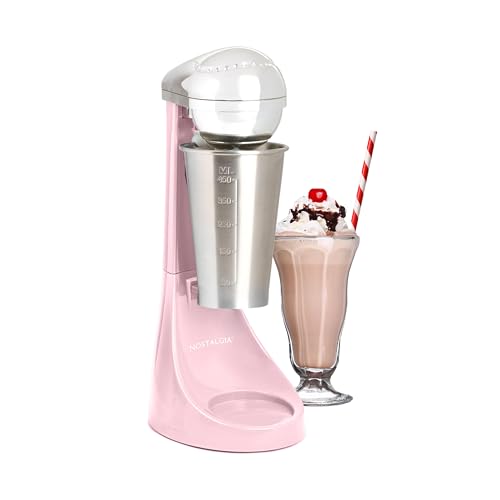
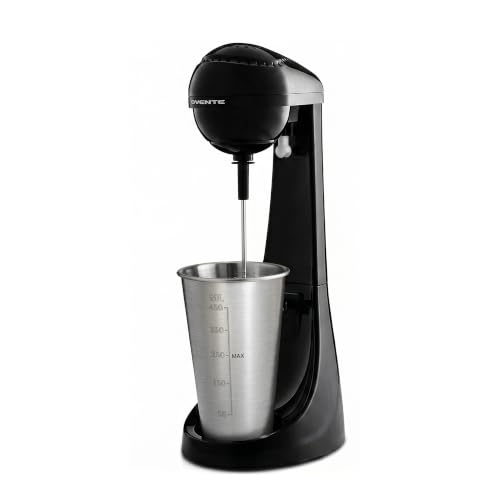
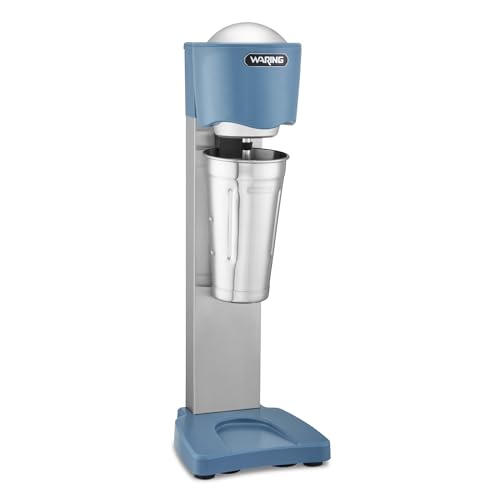
A bar mixer is a machine built to mix drinks quickly and evenly. The most common home style is the spindle mixer, where a cup sits under a spinning shaft that blends milkshakes, frappes, and mixed drinks right in the serving cup. Other models use a small blender jar to crush ice and blend frozen drinks for two or three people at a time.
The basic parts are simple. A motor drives either a spindle or blades, a speed control sets how hard the machine works, and a cup or jar holds the drink while it mixes. Power is listed in watts, and higher wattage generally means the motor handles thick drinks and ice with less strain. Speed settings matter too, because a gentle low speed folds in delicate ingredients while a high speed gives you a smooth frozen texture.
One term worth knowing is duty style. A light duty machine is built for a few drinks at a gathering, while a heavier build can run through a long party without overheating. For home use, light to medium duty is almost always enough, and paying for commercial output you never use adds cost and counter bulk.
Key Specs Explained in Plain English
Six things decide whether a bar mixer feels great or gathers dust. Work through each one below before you look at prices, and the right choice usually becomes obvious.
Intended Use and Who It Is For
Start with the drinks you actually make. If you mostly stir simple mixed drinks and blend milkshakes, a spindle mixer covers your needs and cleans up in seconds. If frozen drinks with crushed ice are the main event, a jar style machine with real ice crushing ability is the better fit, and you can see our guide to the best mixers for margaritas for that ice focused angle. Occasional hosts can buy small and simple. People who host every weekend should look for a stronger motor and a sturdier cup or jar.
Warranty and Customer Support
A warranty tells you how much confidence the maker has in its own motor and parts. One year of coverage is the common floor for home machines, and two years is a genuine plus at midrange prices. Check what the warranty covers, because some plans protect the motor but exclude cups, jars, and blades that wear out. Also look for a support line or chat that real people answer, plus a parts page where you can order a replacement cup without replacing the whole machine. Keep your receipt and register the product, since a claim without proof of purchase often goes nowhere.
Ease of Use and Setup
A good bar mixer should take minutes to set up and seconds to clean. Look for controls you can read at a glance, such as a simple dial or two clear speed buttons, rather than a crowded panel of programs you will never touch. Cups and jars that rinse clean under the tap save real time, and dishwasher safe parts help even more. A practical test while shopping is to picture the full routine: fill, mix, pour, rinse. If any step sounds like a chore, you will use the machine less, no matter how strong the motor is.
Size, Weight, and Fit for Your Space
Measure before you buy. Note the height of the space under your cabinets, because a tall spindle mixer may not fit beneath them, and leave a few inches of depth so the cup slides in and out easily. Weight matters if you plan to store the machine in a cabinet and lift it out for each party; anything you dread lifting will stay hidden. Compact footprints suit apartment counters, while a wider, heavier base feels steadier during aggressive blending. Also check cord length, since a short cord limits where the machine can live near an outlet.
Price vs Value
Bar mixers fall into three broad price tiers. Budget models at around $40 to $90 cover basic shakes and simple mixed drinks with plastic cups and modest motors. Midrange models at about $90 to $200 add metal cups, stronger motors, and better speed control, and this tier suits most home hosts. Premium models above $200 bring commercial style builds, quieter motors, and longer warranties. Value means matching the tier to your drink count: a household making four drinks a month gains little from the top tier, while a weekly host outgrows the budget tier fast.
Key Performance Specs
Three numbers tell most of the performance story. Wattage in the range of about 100 to 400 watts is typical for spindle styles, and jar styles often run higher because crushing ice takes more force. Speeds matter less as a count and more as a range: you want a true low speed that will not splash, plus a high speed that finishes a frozen drink smoothly. Cup capacity around 28 to 32 ounces handles a generous single drink with room for foam. If a listing hides wattage or capacity, treat that silence as a warning sign.
Picking the Right Bar Mixers for Different Uses
Most first time buyers shop for a home bar, and home use has its own priorities. Counter space is tight, drink counts are modest, and the machine often sits in view, so looks and size count more than raw output. The guidance below focuses on that home setting.
Best at Home Bar Mixers
The best at home bar mixers share three traits: a footprint that fits under standard cabinets, a cup or jar sized for one to three drinks, and cleanup that takes under a minute. A metal cup is worth choosing because it chills drinks while mixing and survives drops. If your home bar centers on stirred and built drinks rather than frozen ones, see our guide to the best mixers for whiskey for the liquid side of the setup. For blended party drinks and soda shop style shakes, the spindle or compact jar styles in the product table above are the natural home picks by type.
One more home specific point: noise. A loud machine in a small apartment kitchen can end a conversation, so if you entertain in one open room, favor models described as quiet running and avoid the cheapest thin walled jars that rattle. Your guests will thank you.
Rookie Mistakes to Avoid
- Buying for drinks you never make. A heavy ice crushing machine is wasted money if your house drink is a shaken cocktail that never touches a motor.
- Ignoring cup and jar material. Thin plastic clouds, stains, and holds odors, while metal and thick glass stay clear and clean longer.
- Skipping the height check. A mixer that cannot slide under your cabinets will fight you every single time you store it.
- Chasing speed counts. Ten speeds you cannot tell apart are worth less than two well spaced speeds you use daily.
- Forgetting cleanup. Blades and spindles that cannot come apart for washing trap residue and shorten the life of the machine.
It also helps to separate drink mixing from drink ingredients. This guide covers machines; for the bottled side of the equation, see our guide to the best drink mixers so your machine and your ingredients match in quality.
Getting Started: Setup and First Use
Read the manual before first use, even if the machine looks self explanatory, because cup seating and spindle locks differ by brand. Wash the cup or jar and any removable parts in warm soapy water, dry them fully, and run a first cycle with plain water to clear any factory residue. Set the machine on a dry, level counter away from the sink edge.
For your first real drink, start on the lowest speed and add liquid before ice or thick ingredients, which keeps splashing down and helps the motor. Clean and inspect regularly: wipe the spindle after each session, check the cord for damage, and look at blades or agitators for bends. Five calm minutes of setup and cleaning habits will add years to the machine.
If you already own baking gear, note that a bar mixer is not a stand mixer substitute; thick dough and batter belong to a different machine class, which our guide to the best stand mixers covers in detail. Keeping each tool in its own lane prevents burnt motors.
Small handheld tools fill yet another niche for quick frothing and single servings, and our guide to the best handheld mixers explains where those fit. Most home bars end up with one main machine plus one small helper.
Frequently Asked Questions
Are expensive bar mixers worth it?
Expensive bar mixers are worth it only when you mix drinks often enough to feel the upgrades. Higher prices buy metal cups, stronger motors, quieter running, and longer warranties, which matter to a weekly host. If you blend a few drinks a month, a midrange machine delivers nearly the same result in the glass. One extra point in favor of premium builds: replacement parts stay available longer, so a repair in year four is more likely to be possible.
What features matter most when buying bar mixers?
Motor strength, cup or jar material, and ease of cleaning matter most. A motor matched to your drinks prevents stalling on ice and thick shakes, while a metal or thick glass container stays clear and resists odors. Controls should be simple enough to use with wet hands. A feature shoppers often overlook is a stable base: suction feet or real heft keep the machine from walking across the counter during a hard blend, which protects both the drink and the counter.
How long does a bar mixer last?
A home bar mixer typically lasts about five to ten years with normal use and basic care. Lifespan depends on how often you run it, whether you overload it with ice, and whether you clean and dry parts after each session. Machines stored assembled in a damp spot near the sink tend to corrode sooner. If the motor starts to smell hot during a normal drink, that is an early warning sign to reduce loads and check the manual for service options.
How much should I spend on a bar mixer?
Most first time buyers should spend about $90 to $200. That midrange band buys a motor that handles ice, a metal cup or sturdy jar, and a warranty worth having. Spend less, around $40 to $90, if you only mix simple drinks a few times a year. Spend more only when you host large groups often. Keep a little budget aside for extra cups, because a second cup speeds up serving when several guests want the same drink.
How do I maintain a bar mixer?
Rinse the cup or jar right after use, wash removable parts in warm soapy water, and dry everything before storing. Wipe the spindle or blade base after each session so sticky residue never builds up, and inspect the cord and plug monthly. Once or twice a year, run a cycle with warm water and a drop of dish soap to clear hidden film. Store the machine unplugged with the cup loosely seated, which keeps seals from staying compressed and aging early.
The Bottom Line
For a first purchase, the winning formula is simple: match the machine style to your drinks, choose a metal cup or sturdy jar, and buy the midrange tier unless your hosting is rare or constant. Those three decisions matter more than speed counts or styling. When you compare the best bar mixers with those points in mind, the right model usually stands out quickly. Look back at the comparison table above, check your cabinet height one last time, and buy with confidence.


