
Best Bar Blenders of 2026: Complete Buying Guide
Disclosure: We may earn a commission when you buy through links on this page, at no extra cost to you. As an Amazon Associate I earn from qualifying purchases. Learn more
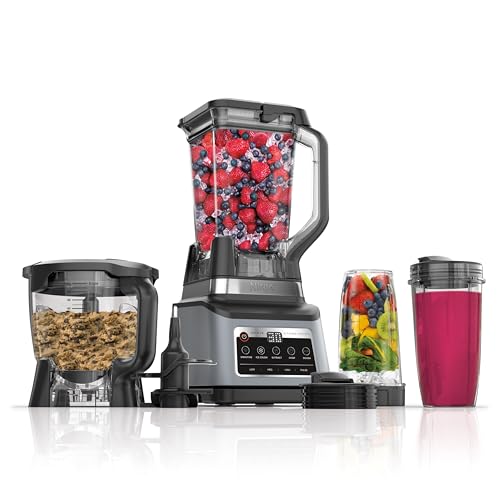
Learn how to choose the best bar blenders for ice crushing, frozen drinks, and daily blending, with clear guidance on power, jar size, speeds, and value.
A bar blender has one job that ordinary kitchen blenders often fail at: turning ice and frozen fruit into a smooth drink, again and again, without straining the motor or leaving chunks behind. If your frozen drinks come out gritty or your blender smells hot after two rounds, the machine is simply not built for bar work. This guide to the best bar blenders shows you how to judge power, jar size, and speed control before you buy.
You will see what each price level delivers, which types suit home bars and which suit busy counters, and how to keep a blender running well for years. Start with the comparison table below to line up capacities and wattage claims side by side.
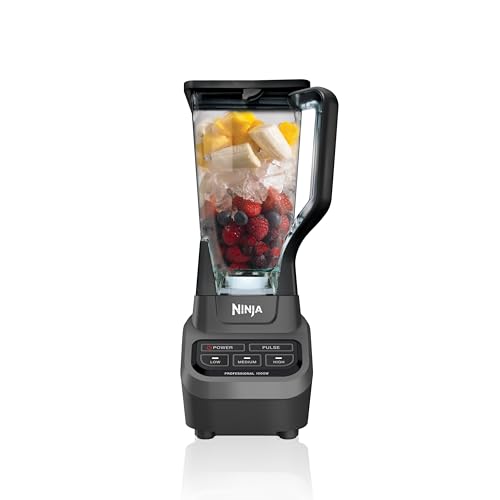
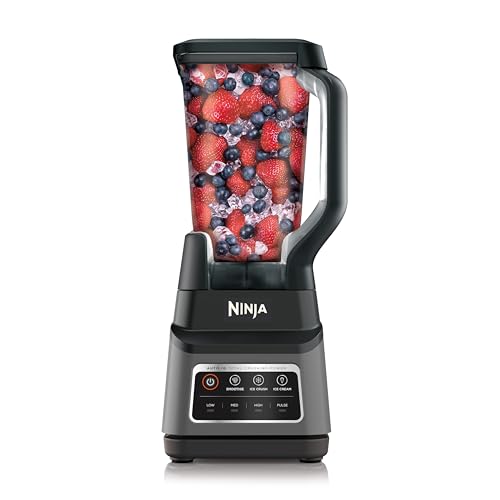
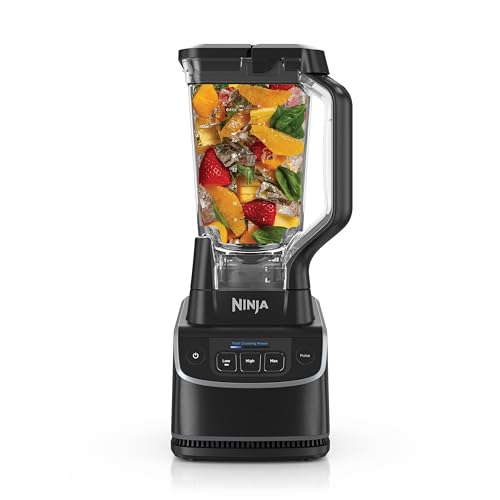


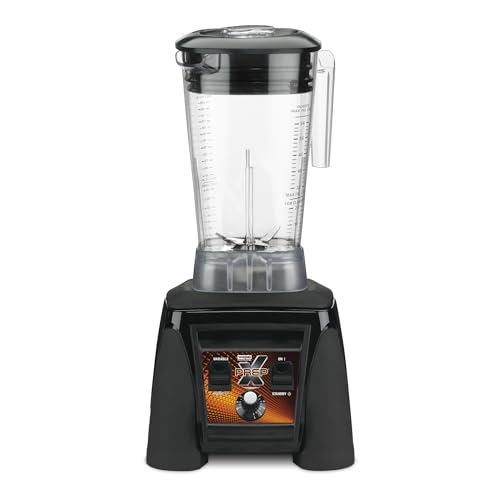

Bar Blender Profiles at a Glance
Best Overall
The best overall profile is a full size countertop blender around $150 to $300 with a motor in the 1,000 to 1,500 watt range, a jar of about 64 ounces, and variable speed control plus pulse. This combination crushes ice to snow, blends thick frozen drinks without an air pocket stalling the blades, and still handles sauces and soups. It suits home entertainers who make drinks for groups most weekends. The trade off is size: a jar and base this capable need real counter and cabinet space, so measure your storage before you commit.
Best Value
The best value profile usually sits around $70 to $150 and keeps the parts that matter: a motor of at least 800 watts, a sturdy jar, and a simple dial or button layout with pulse. You give up some quietness, some preset programs, and often a shorter warranty, but frozen drink quality stays close to pricier machines when the blade design is sound. This profile fits casual hosts who blend a few rounds on weekends rather than all evening.
Best Premium Pick
The best premium profile, around $300 to $550, adds a stronger motor, a quieter housing, precise variable speed, and a long warranty that can reach seven to ten years. Premium jars are often made from heavy duty Tritan with a wide base that blends thick mixtures with less tamping. This level suits serious home bars, small cafes, and anyone who blends daily and wants one purchase to last a decade. The limit is simple value math: if you blend twice a month, the extra cost buys durability you will never use up.
How to Choose the Best Bar Blenders: Buying Guide
Motor Power and Wattage
Wattage is a starting point, not a promise. Bar work stresses a motor differently from smoothie blending, because ice is hard, dense, and unforgiving in the first seconds. As a working guide, look for at least 800 watts for occasional frozen drinks and 1,000 watts or more for regular ice crushing. Torque and blade design matter as much as the watt figure: a well shaped blade that pulls ice down into the vortex will outperform a higher watt motor with a flat, lazy blade. If reviews of a category mention stalled blends, believe the pattern.
Ease of Cleaning
A blender that is annoying to clean will be used less, so treat cleaning as a core feature. Most jars clean well with warm water, a drop of soap, and thirty seconds at medium speed, then a rinse. Removable blade assemblies wash more thoroughly but add a gasket that can wear or leak if it is seated poorly. Dishwasher safe jars save effort, though repeated dishwasher heat can cloud some plastics over time. Sealed buttons or a smooth dial also wipe clean more easily than raised buttons, which trap sticky syrup.
Blade or Attachment Design
Bar blenders rely on a fixed blade assembly shaped to create a strong vortex, usually with winged blades that lift and fold the mixture. Stainless steel blades resist corrosion from citrus and salt, a daily reality in drink making. A tamper is a valuable extra for thick frozen blends, letting you push ingredients toward the blade without stopping the motor. Attachments such as personal blending cups add flexibility for single servings. Be cautious with food processor style extras like a dough hook or whisk; they belong to combo machines and rarely match the ice crushing focus a bar blender needs.
Speed Settings and Presets
Variable speed is the control that separates bar blenders from basic models. Starting slow lets ice settle onto the blade instead of bouncing around the jar, and ramping up gradually gives a smooth, even texture. Pulse gives you short bursts to break up a frozen lump or finish a chunky salsa style mix. Preset programs for ice crush or frozen drinks can help new users, but a good dial plus pulse covers the same ground with more control. Ten speeds are plenty; more settings add cost without adding results. If you also make morning drinks, our guide to the best blenders for smoothies explains which speed features matter there.
Warranty and Motor Reliability
Bar blending is hard on motors, so the warranty tells you how much the maker trusts its own machine. Budget models often carry one to three years, midrange models three to five, and premium models seven to ten. Read what the warranty actually covers: motor and jar coverage matter more than coverage for lids and tampers. A blender with a thermal protection switch that shuts the motor down before damage occurs will outlast one that simply runs until it fails. When you compare a cheap model against a midrange one, price the warranty difference honestly.
Capacity and Jar/Bowl Size
Jar size should match your typical batch, not your biggest party of the year. A 64 ounce jar handles four to six frozen drinks at once, which covers most home bars. Smaller 48 ounce jars blend more efficiently when you usually make one or two drinks, because the ingredients stay in contact with the blade. Personal single serve cups around 20 to 24 ounces suit solo shakes and quick drinks. Also check the jar shape and the cabinet height: a tall jar on a tall base may not fit under standard upper cabinets, a classic bar setup problem. Material counts too, and BPA free Tritan is the common quality standard.
Types of Bar Blenders
Full Size Countertop Blenders
Full size countertop blenders are the main choice for bar work. They offer the strongest motors, the largest jars, and the best ice crushing, and they stay stable on the counter during heavy blends. Their downsides are size, weight, and noise. Choose this type if frozen drinks are the priority and you have a permanent spot for the machine. If counter space is tight, compare against the space saving options in our guide to the best quality blenders before you decide.
Personal/Single Serve Blenders
Personal blenders blend directly in a travel cup, which makes them fast for one shake or a single frozen drink and easy to clean. Their motors are smaller, so ice crushing is slower and heavy daily use wears them out sooner. They suit solo users, dorm rooms, and anyone who values storage space over batch size. For protein drinks specifically, our guide to the best blenders for shakes covers what these compact machines handle best.
Blender and Food Processor Combos
Combo machines pair a blender jar with a food processor bowl, saving storage space and money versus buying two appliances. The blender side usually handles drinks well, while the processor bowl chops garnishes, nuts, and ice for recipes. The compromise is that neither side is the strongest in its class, and extra parts mean more washing and more pieces to store. Combos suit small kitchens with mixed needs. If drinks are your main task, a dedicated bar blender still wins, and immersion styles covered in our guide to the best hand blenders suit soups rather than ice.
How to Make Your Bar Blender Last Longer
- Add liquids first, then soft ingredients, then ice. This layering lets the vortex form quickly, so the blade is never grinding dry ice against an empty jar.
- Do not overfill past the max line. Thick frozen blends expand as they move, and an overfilled jar strains the motor and can force liquid past the lid.
- Clean right away with warm water and a drop of soap. Dried syrup and citrus are far harder to remove later, and prompt cleaning keeps the jar clear and odor free.
- Let the motor rest between heavy batches. A minute or two of rest after several ice heavy blends keeps heat down and protects the motor windings.
- Start on low speed, then ramp up. A gentle start keeps ice in contact with the blade and avoids the shock load that wears the drive coupling.
Bar Blenders: Your Questions Answered
What's the difference between a blender and a food processor?
A blender uses a tall jar and fast blades to turn ingredients into a smooth liquid, which is why it owns drink making. A food processor uses a wide bowl and slower, larger blades to chop, slice, and shred with control over texture. Try to crush ice for drinks in a processor and you get uneven chunks; try to chop nuts evenly in a blender and you get nut butter at the bottom and chunks at the top. Each tool is built around its jar shape.
Can a bar blender crush ice?
Yes, crushing ice is the defining job of a bar blender, provided the motor and blade are up to it. Look for at least 800 watts, a blade design made to pull ice downward, and a jar shape that keeps cubes moving. One practical tip that listings rarely mention: let very hard freezer ice sit on the counter for a few minutes first. Slightly tempered ice crushes faster, sounds less violent, and is noticeably kinder to both blade and motor.
Is a more expensive bar blender worth it?
It is worth it if you blend often, blend for groups, or hate replacing appliances. Premium money buys torque that does not fade mid batch, quieter operation, and warranties that stretch toward a decade. It is not worth it for occasional use, where a solid midrange machine produces nearly identical drinks. A fair test is cost per year: a $300 blender that lasts ten years costs less annually than a $100 blender replaced every three years.
How many watts does a good bar blender need?
Around 1,000 watts is the comfortable target for regular frozen drink work, with 800 watts as the floor for lighter use. Below that, motors strain on full jars of ice and results turn chunky. That said, watts alone do not guarantee performance, because blade shape, jar design, and gearing decide how much of that power reaches the ice. Treat wattage as a filter to remove weak candidates, then judge the survivors by jar, blade, and warranty.
How do I clean a bar blender quickly?
Rinse the jar right after use, fill it halfway with warm water, add a drop of dish soap, and run it on medium for about thirty seconds. Rinse again and let it air dry with the lid off. This routine takes under two minutes and prevents the sticky film that makes jars cloudy. For a stubborn lime or syrup ring, a paste of baking soda and water on a soft sponge works well. Never use an abrasive pad on a plastic jar, since fine scratches hold odors later.
Our Verdict
For most home bars, a full size model with about 1,000 watts, variable speed with pulse, a 64 ounce jar, and at least a three year warranty is the balanced choice. Blend twice a month and the value tier serves you just as well; blend daily and premium durability pays for itself. Compare your shortlist in the product table above, and you will see why the best bar blenders earn their place through power, control, and years of steady service.


