
Best Bacon Cookers for 2026: What Actually Matters Before You Buy
Disclosure: We may earn a commission when you buy through links on this page, at no extra cost to you. As an Amazon Associate I earn from qualifying purchases. Learn more

Use this checklist to judge the best bacon cookers on cooking results, grease handling, safety, cleanup, and value before you spend a dollar.
A bacon cooker promises a simple thing: crisp strips without a splattered stovetop. Some deliver exactly that, while others warp, trap grease in corners you cannot reach, or cook the ends raw while the middle burns. This guide gives you a checklist to judge the best bacon cookers before spending anything.
Work through the criteria below, compare your shortlist in the table of picks below, and you will know exactly which design fits your kitchen, your household size, and your tolerance for cleanup.


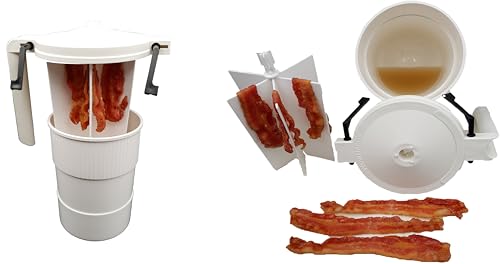
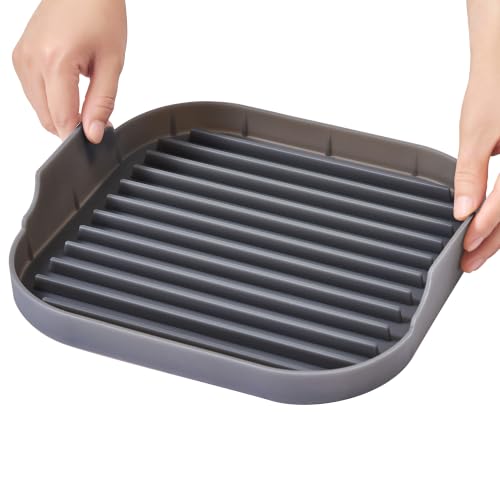

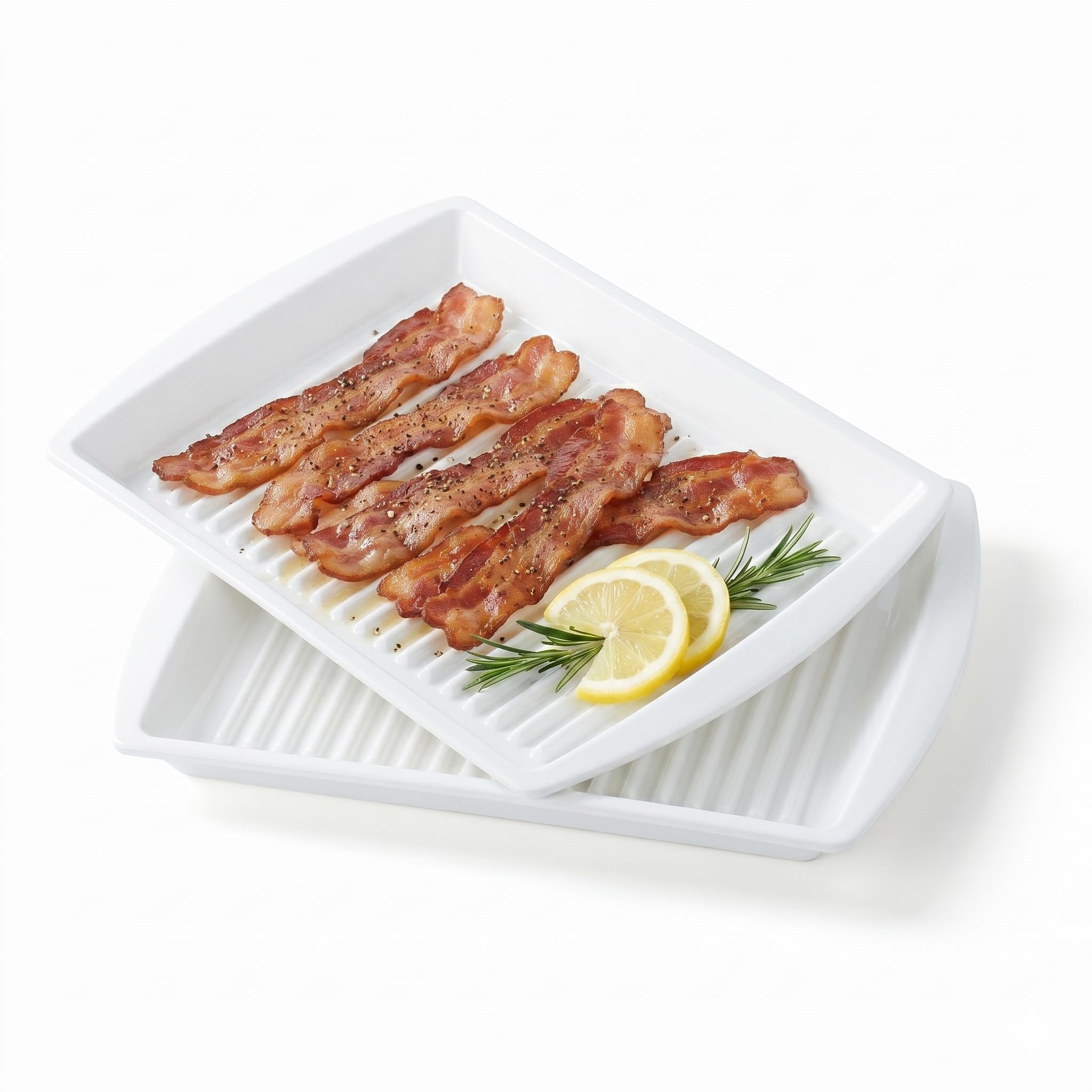


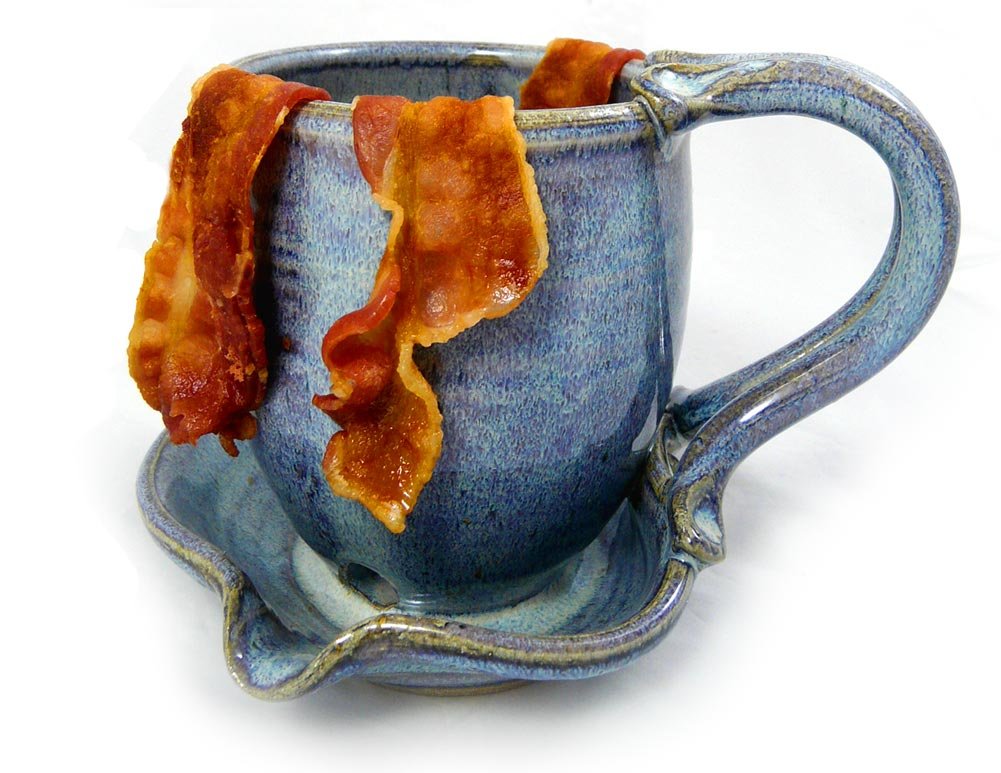

How to Evaluate Bacon Cookers
Intended Use and Who It Is For
Start with how much bacon you cook and how often. A microwave tray that holds four to six strips suits a solo breakfast or a couple on weekends. A family cooking a full pack every Saturday needs a larger electric grill style cooker or a big oven rack, because cooking in three batches cools the first batch before the last finishes.
Also decide what done means in your house. If everyone wants evenly crisp strips, designs that lift bacon out of its own grease score highest. If you prefer chewy bacon, a flat tray or rack over a pan works fine and costs less. Matching the design to your habit matters more than any single feature.
Warranty and Customer Support
Look for at least a one year warranty on electric models, since heating elements and thermostats are the parts that fail. For simple microwave trays and racks, the warranty matters less than the material: a tray that warps in the first month is a bad buy at any price. Check that replacement parts such as lids, racks, and grease cups are sold separately.
Support quality shows up in small ways. A brand that publishes a real phone number and hosts the manual online is easier to live with than one with only a web form. Save your receipt and register the product if asked; warranty claims go faster with both.
Maintenance and Long Term Costs
Grease is the whole maintenance story with bacon. Every design must answer one question: where does the fat go, and how easily can you pour it out and wash the part that held it? Deep reservoirs with a spout beat shallow trays that slosh. Parts that go in the dishwasher save real time, because hand washing greasy corners gets old by the third weekend.
Long term costs stay low for this category. There are no filters or consumables, so the main cost is replacement when plastic warps or a nonstick surface wears out. A metal rack that survives years of use beats a cheap plastic tray you replace annually, even at twice the purchase price.
Safety and Certifications
Hot grease burns faster and deeper than hot water, so treat every bacon cooker like a small fryer. Electric models should carry a recognized electrical certification mark such as UL or ETL, an automatic shutoff is a welcome bonus, and the cord should be short enough to stay off the floor. Keep children away from the counter edge while cooking, and never carry a full grease reservoir across the kitchen.
Know how to handle a grease fire before you ever face one: smother it with a metal lid or baking sheet, never use water, and keep a fire extinguisher rated for kitchen use within reach. For microwave models, confirm the plastic is labeled microwave safe and BPA free, and stop using any tray that blisters or cracks, since damaged plastic and high fat heat are a poor mix.
Key Performance Specs
Capacity comes first: count the strips the cooker holds in a single layer, because overlapping strips steam instead of crisping. For electric models, even heat across the whole surface matters more than maximum temperature; cold corners leave pale, flabby ends. A lid or splatter guard that still lets steam escape gives you crisp bacon without a greasy film over the whole stovetop.
Cooking time is the second spec. Microwave designs finish a batch in roughly five to eight minutes, while electric grills take longer but handle bigger loads. Judge the spec sheet against your Saturday morning, not against an ideal one.
Ease of Use and Setup
The best design is the one you will use on a tired weekday. Count the parts: a base, a rack, and a lid is a friendly number, while five stacking pieces discourage everyone. Controls should be readable at a glance, and an electric model with a simple dial beats a touch panel you operate with greasy fingers.
Setup should take under a minute from cabinet to counter. One practical know how point: put the cooker on a heat safe surface with clearance on all sides before loading it, because moving a loaded, greasy tray is how spills happen.
Price vs Value
Budget microwave trays and oven racks sit around $15 to $35 and do the core job well for small households. Mid range electric models, around $40 to $90, add capacity, lids, and thermostats that hold a steady temperature across a full batch. Premium designs above about $90 to $150 sell build quality, larger footprints for big families, and easier grease handling.
Value is cost per year of service, not the sticker alone. A $25 tray replaced every year loses to a $70 electric cooker that runs for five.
Quick Buyer Checklist
- Does it hold at least one full serving of strips in a single layer for your household?
- Does the grease drain into a reservoir or channel you can pour from safely?
- Are all greasy parts dishwasher safe, or easy to wash by hand?
- Does it have a lid or guard that contains splatter while letting steam escape?
- For electric models, is there a recognized safety certification and at least a one year warranty?
- For microwave models, is the material labeled microwave safe and BPA free?
- Will it fit the cabinet or drawer where you plan to store it?
- Does the price per expected year of use beat the cheaper alternative you are eyeing?
Red Flags to Watch For
Vague capacity claims top the list. A listing that says family size without stating strip count is hiding a small cooking surface. Be wary of plastic microwave trays with no material details, and of electric models with no certification mark named anywhere on the page.
Short warranties under ninety days on an electric appliance signal low confidence from the maker. Watch for grease reservoirs with no spout and lids that seal tight with no vent, a combination that steams bacon and spills on opening. Finally, treat a flood of glowing reviews with no mention of cleanup as a warning sign: cleanup is the first thing real owners talk about.
Setup and Care Tips
Read the manual before first use, because drain angles and maximum fill lines vary by design and guessing leads to spills. Wash all parts before the first batch to remove manufacturing residue. After cooking, let the grease cool until it firms up slightly, pour it into a heat safe container for disposal, and never pour it down the sink drain, where it hardens and clogs pipes.
Clean and inspect regularly: check plastic trays for warping and cracks, and confirm electric cords and plugs show no damage. Store the cooker in a dry place with the lid ajar so no stale grease smell builds up.
FAQs
How much should I spend on a bacon cooker?
Most households land between about $15 and $90. A microwave tray around $15 to $30 covers small batches well, while an electric model around $40 to $90 earns its price if you cook a full pack weekly. Spending more mainly buys capacity and build quality. Decide your batch size first; paying for capacity you never use is the most common overspend in this category.
How long does a bacon cooker last?
A metal rack or heavy tray can last many years, while a plastic microwave tray typically serves two to four years before warping or staining makes it unpleasant. Electric models often run three to five years, with thermostats the usual failure point. Lifespan rises sharply if you avoid thermal shock: let hot parts cool before washing instead of running cold water over them.
How do I maintain a bacon cooker?
Empty the grease after every use once it cools slightly, wash parts in hot soapy water or the dishwasher, and dry fully before storing. Once a month, check for warped plastic, cracked handles, and frayed cords on electric models. One point many owners miss: a thin film of grease left in corners turns rancid and flavors the next batch, so corners deserve the extra ten seconds with a brush.
Are expensive bacon cookers worth it?
They are worth it when the price buys capacity, even heat, and grease handling you will use weekly. A premium electric model that cooks a full pack evenly and pours clean genuinely saves time and mess. They are not worth it for occasional cooks, where a simple tray matches results for a small batch. Match the spend to your actual cooking rhythm, not your best intentions.
What features matter most when buying bacon cookers?
Three features matter most: drainage that lifts strips out of their grease, a lid or guard that contains splatter while venting steam, and parts that wash easily. Capacity and a fair warranty follow close behind. Everything else, from timers to decorative finishes, is secondary. If a model nails the big three at a fair price, it will make better weekend breakfasts than a feature packed model that fails one of them.
Final Thoughts
Judge every candidate against drainage, cleanup, and capacity for your real household, in that order. The table above lays the options side by side so you can apply the checklist quickly. When a model drains well, washes easily, and fits your batch size, you have found the best bacon cookers choice for your kitchen, whatever the price tag says.


