
The Best Bar Glassware Sets for 2026: Buying Guide and What to Look For
Disclosure: We may earn a commission when you buy through links on this page, at no extra cost to you. As an Amazon Associate I earn from qualifying purchases. Learn more

Learn how to choose the best bar glassware sets by glass type, capacity, durability, and care needs, with a clear buying guide for a balanced home bar.
A home bar can have fine spirits and fresh citrus and still feel unfinished if every drink lands in the same random tumbler pulled from the kitchen shelf. Glass shape changes how a drink tastes, smells, and even how cold it stays. This guide to the best bar glassware sets helps you choose a set that covers the drinks you actually serve, without paying for pieces that will sit untouched in the back of a cabinet.
You will learn which glass types matter most, how to judge build quality and thickness, and how set size matches your hosting habits. Use the comparison table below to compare piece counts and materials as you read.
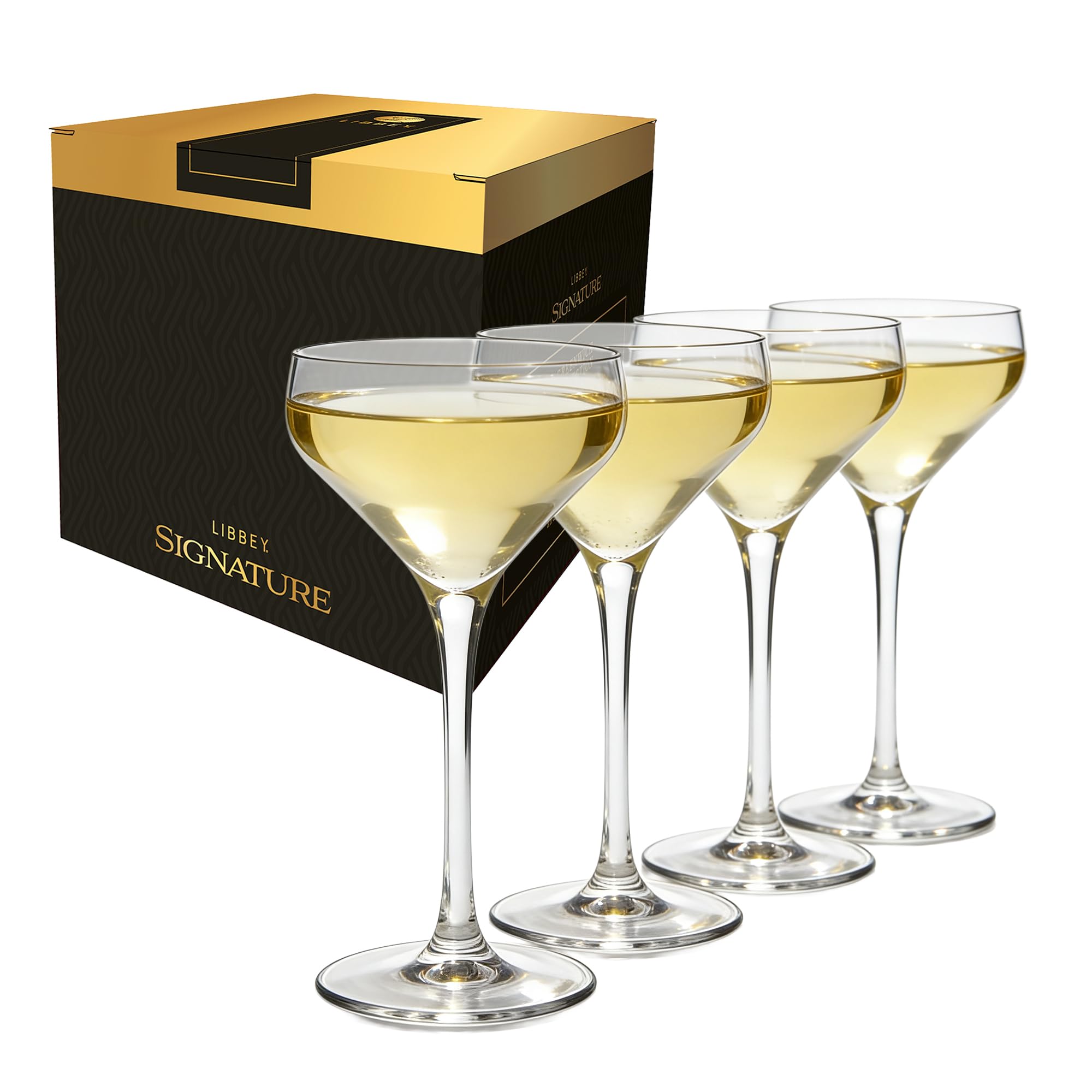


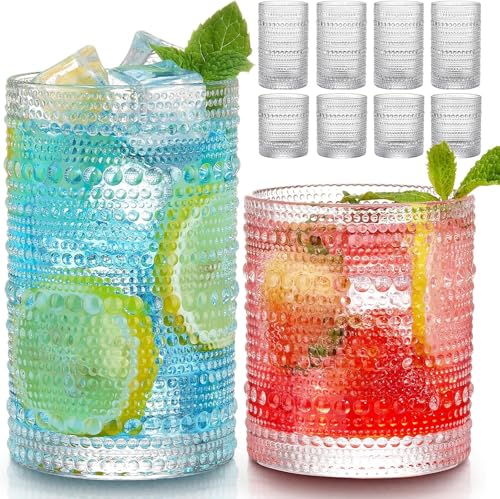


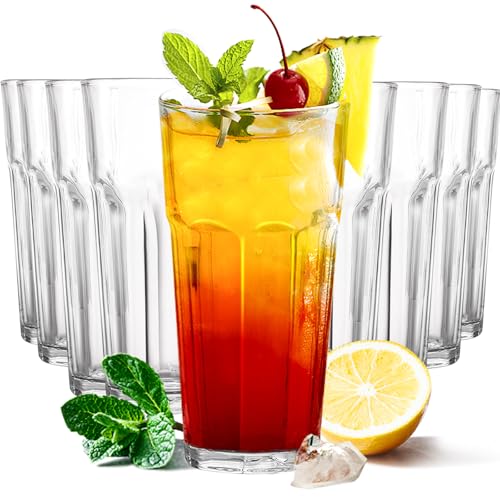
Bar Glassware Set Profiles at a Glance
Best Overall
The best overall profile is a mixed set of about twelve to sixteen pieces covering highball glasses, rocks glasses, coupe or cocktail glasses, and wine glasses, usually around $60 to $120. That mix handles most drinks a home bar serves, from a gin and tonic to a stirred cocktail served up. Look for balanced weight, smooth rims, and glass that feels clear rather than green or gray at the edge.
Best Value
The best value profile is a focused set of eight to twelve everyday glasses, usually around $30 to $60, built around the two shapes you use most. For many homes that means rocks glasses and highball glasses in a sturdy weight that survives daily use and regular washing. Value sets often skip stemware, which is a sensible trade if you rarely serve wine or drinks served up. The glass may be a touch thicker and less refined than premium sets, yet for family dinners, weekend drinks, and guests who set glasses down hard, that sturdiness is a feature, not a flaw.
Best for Beginners
The best beginner profile is a small starter set of six to eight pieces around $25 to $50, chosen for versatility and easy care. Short tumblers that work for juice, water, and spirits, plus a few taller glasses for mixed drinks, cover a new bar with minimal fuss. Dishwasher safe glass matters at this stage, because hand washing delicate stems is the habit most likely to be skipped. Start small, learn which drinks you make most, and expand with matching pieces later. A beginner set that gets used every week beats a grand set that feels too precious to touch.
How to Choose the Best Bar Glassware Sets: Buying Guide
Intended Use and Who It's For
Begin with your real drink list, not an imaginary one. Write down the five drinks you serve most often and note the glass each one wants: tall and slim for drinks built over ice with soda, short and wide for spirits poured over a large cube, stemmed for drinks served up so your hand does not warm them. A set chosen around that list earns its shelf space. A set chosen around a magazine photo usually includes elegant pieces for drinks nobody in your home ever orders.
Build Quality and Materials
Most bar glassware is soda lime glass, lead free crystal glass, or tempered glass. Soda lime glass is affordable and durable enough for daily use. Crystal glass, in modern lead free form, is thinner, clearer, and rings when tapped, and it shows a drink at its best, but it costs more and asks for gentler handling. Tempered glass resists knocks and heat changes well, suiting busy households. Whichever material you choose, inspect the rim and base for bubbles, seams, and wobble. A glass that rocks on a flat counter was made carelessly.
Key Performance Specs
For glassware, the specs that matter are capacity, rim thickness, and balance. Capacity should match the drink: rocks glasses around 8 to 12 ounces, highball glasses around 12 to 16 ounces, and cocktail coupes around 5 to 7 ounces. A thin, smooth rim feels better to drink from and is a sign of finer production, while a thick rolled rim survives more abuse. Balance is easy to test: a stemmed glass should feel steady when full, not top heavy. If you are building the wider bar at the same time, our guide to the best bar sets covers the tools and bottles side of the setup.
Size, Weight, and Fit for Your Space
Measure before you buy, because glassware fails at the cabinet more often than at the bar. Tall highball and stemmed glasses need shelf height with an inch to spare, and wide coupes eat surprising amounts of shelf width. Weight matters for comfort: a rocks glass with a heavy base feels secure and keeps drinks cold longer, while very heavy glass tires guests during a long evening. Count your storage honestly. A compact set you can reach easily serves you better than a large set stacked in a risky tower behind other dishes.
Ease of Use and Setup
Good glassware should be easy to pour into, drink from, and wash without a ritual. Wide mouths suit drinks built in the glass and make adding ice simple, while narrow stems need a steadier hand when carrying. Check whether the set is described as dishwasher safe if that is how you actually clean, and note that tall stems may not fit a standard dishwasher rack. Setup for a new set is simple: wash every piece before first use to remove packing dust, inspect each rim for chips, and store glasses upright unless the maker advises otherwise.
Safety and Certifications
Glass safety starts with honest materials. In the United States, reputable makers sell lead free glassware for everyday lines, and crystal style glass today is commonly made with minerals such as barium or zinc instead of lead. If a vintage style set does not state its material clearly, ask before buying, especially for drinks that sit in the glass a long time. Chip checks are the other safety habit: a chipped rim can cut a lip, so run a fingertip around rims now and then and retire damaged pieces. For serving tools that meet your drinks, see our guide to the best bar tool sets.
Price vs Value
Budget sets under about $40 cover daily drinking with sturdy, simple shapes. Mid range sets around $40 to $120 add thinner rims, clearer glass, and a wider mix of shapes, and this is where most home bars should shop. Premium sets above about $120, including fine crystal, buy elegance and delicacy that suit slow, careful serving. Judge value per piece and per use: a mid range set used weekly for five years costs pennies per drink.
Types of Bar Glassware Sets
Mid Range Options
Mid range sets balance clarity, rim quality, and durability better than any other tier. They suit regular hosts who want drinks to look and feel considered without the anxiety of handling very delicate crystal. Most mixed home bar sets worth buying live in this band.
Compact Options
Compact sets of four to eight pieces suit small apartments, bar carts, and couples who host a few guests at a time. They favor short, stackable or sturdy shapes that store easily. The trade off is flexibility: a compact set rarely covers wine, cocktails served up, and tall drinks all at once, so choose it around your two most common drinks.
Budget Options
Budget sets put durability and price first, with thicker glass and simple shapes that tolerate daily family use and frequent washing. They suit first apartments, outdoor serving, and anyone who would rather replace a glass cheaply than worry about it. Clarity and rim finesse are modest, but the drinks still taste right.
Premium Options
Premium sets in fine crystal offer the thinnest rims, the clearest sparkle, and shapes tuned to specific drinks, including glasses shaped for shaking and straining service alongside your best bar shaker sets gear. They suit dedicated hosts and collectors who enjoy the ritual and will hand wash with care. The cost is real, and so is the fragility, so premium glass earns its place only when it will truly be used.
Care and Maintenance Tips
- Read the manual before first use. Maker guidance on washing temperature and stacking prevents the early chips and clouding that shorten a set's life.
- Clean and inspect regularly. Wash soon after use so citrus and red wine do not stain, and check rims for chips each time you put glasses away.
- Store in a dry place. Upright storage on a clean, dry shelf avoids trapped moisture, odors, and the rim damage that storing glasses upside down on hard shelves can cause.
- Register the product for warranty. Some makers cover manufacturing defects or offer replacement programs, and registration takes a minute while the box is still at hand.
- Polish with a lint free cloth. A soft cloth removes water spots from stems and bowls and keeps glass sparkling without scratching the surface.
If you are comparing bar glassware against everyday drinking glasses, our guide to the best glassware sets covers the broader everyday options.
FAQs
What features matter most when buying bar glassware sets?
The match between shapes and your drink list matters most, followed by rim quality and honest capacity. A set whose shapes fit the drinks you serve weekly will always outperform a larger set built around drinks you never make. One detail worth checking in person or in photos is the base: a slightly weighted base keeps stemmed and short glasses steady on a crowded table, which saves more drinks than any decorative feature.
How much should I spend on a bar glassware set?
Most home bars should spend around $40 to $120 for a mid range set that covers the main shapes with decent clarity and rims. Spend less if the glasses are for daily family use and outdoor serving, where breakage is expected. Spend more only when you host often and enjoy fine crystal for its feel.
Are expensive bar glassware sets worth it?
They are worth it for hosts who serve cocktails and wine often and who notice and enjoy a thin rim and brilliant clarity. Fine crystal does change the feel of a drink at the lip, and dedicated shapes present drinks beautifully. They are not worth it if the set will live in fear at the back of a cabinet. Glass you are afraid to use delivers no value at all, so buy the finest set you will still happily hand to a guest.
How long does a bar glassware set last?
A quality set lasts many years, often a decade or more, because glass does not wear out in normal use. Losses come from chips, drops, and dishwasher clouding rather than age. You can stretch a set's life by washing with mild detergent, avoiding sudden temperature shocks such as pouring boiling water into a cold glass, and storing pieces with a little space between them. Buying from a line that sells open stock replacements extends the set's useful life even further.
How do I maintain a bar glassware set?
Wash glasses soon after use in warm water with a small amount of mild detergent, rinse well, and dry with a soft cloth to prevent spots. Avoid abrasive pads, which dull the surface over time. For cloudy glass caused by hard water, a soak in warm water with white vinegar often restores clarity. Store glasses upright in a clean cabinet, and keep a regular chip check in your routine so damaged pieces leave the rotation before they hurt anyone.
The Bottom Line
Choose the set whose shapes match your real drink list, whose rims and clarity feel right at your price, and whose size fits both your guest list and your shelves. For most homes that means a mid range mixed set bought once and used for years. Judged that way, the best bar glassware sets are simply the ones that get reached for every week. Compare the options in the product table above and pick the set your hosting habits support.


