
Best Basic Dinnerware Sets: Matching the Right Set to Your Routine for 2026
Disclosure: We may earn a commission when you buy through links on this page, at no extra cost to you. As an Amazon Associate I earn from qualifying purchases. Learn more

A buying guide to the best basic dinnerware sets matched to real routines, covering materials, set sizes, cleaning, durability, and value per piece.
There is no single dinnerware set that suits every kitchen. A couple in a small apartment eats differently from a family of six, and a set that survives daily dishwasher cycles may still be wrong for someone who loves hosting long Sunday dinners. The best basic dinnerware sets are the ones matched to your routine: your household size, your storage space, your cleaning habits, and how rough daily life is on your dishes.
This guide works through that match step by step. The comparison table below shows typical set options side by side, and the sections after it explain which type fits which buyer, which features actually matter, and which mistakes make a set wear out or sit unused.


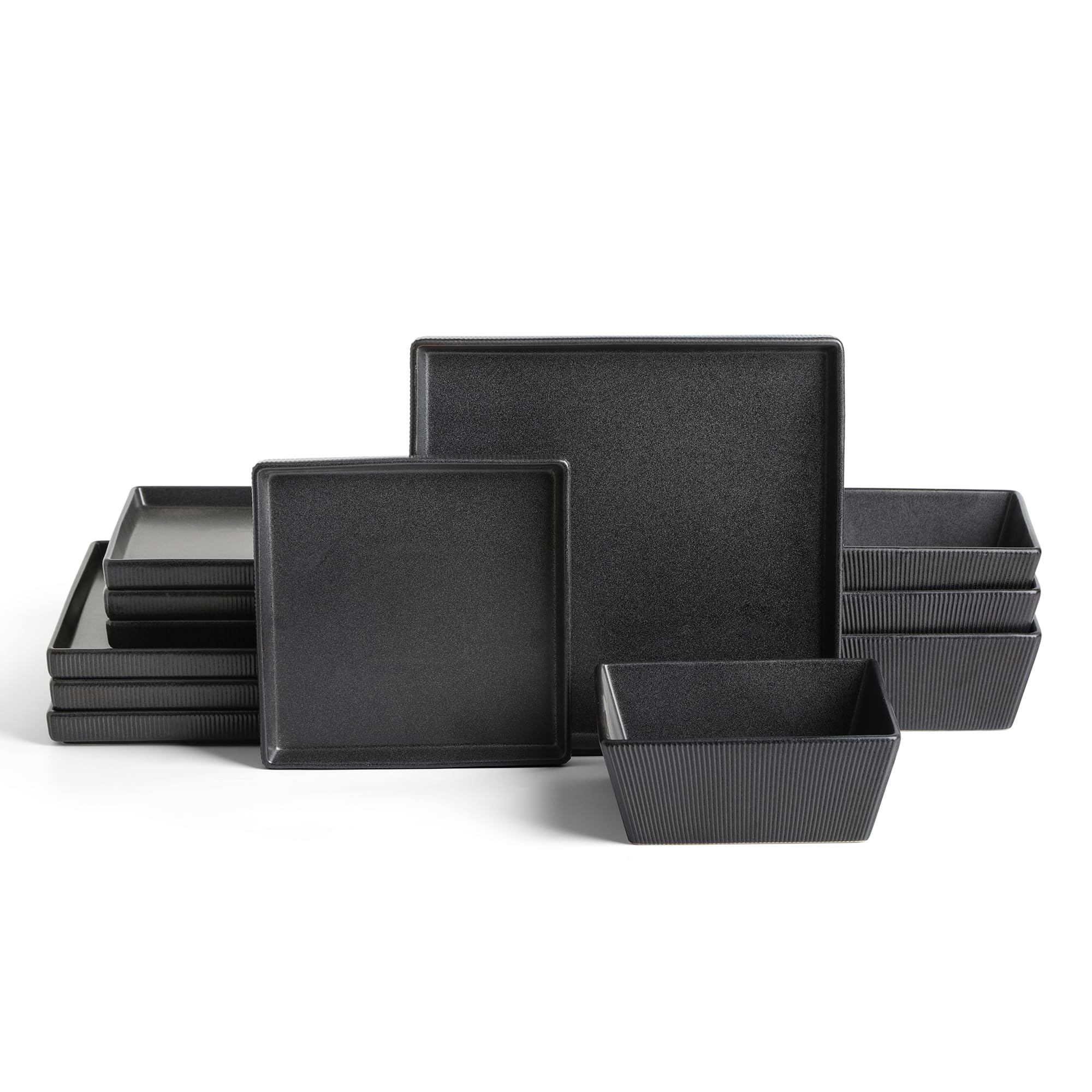
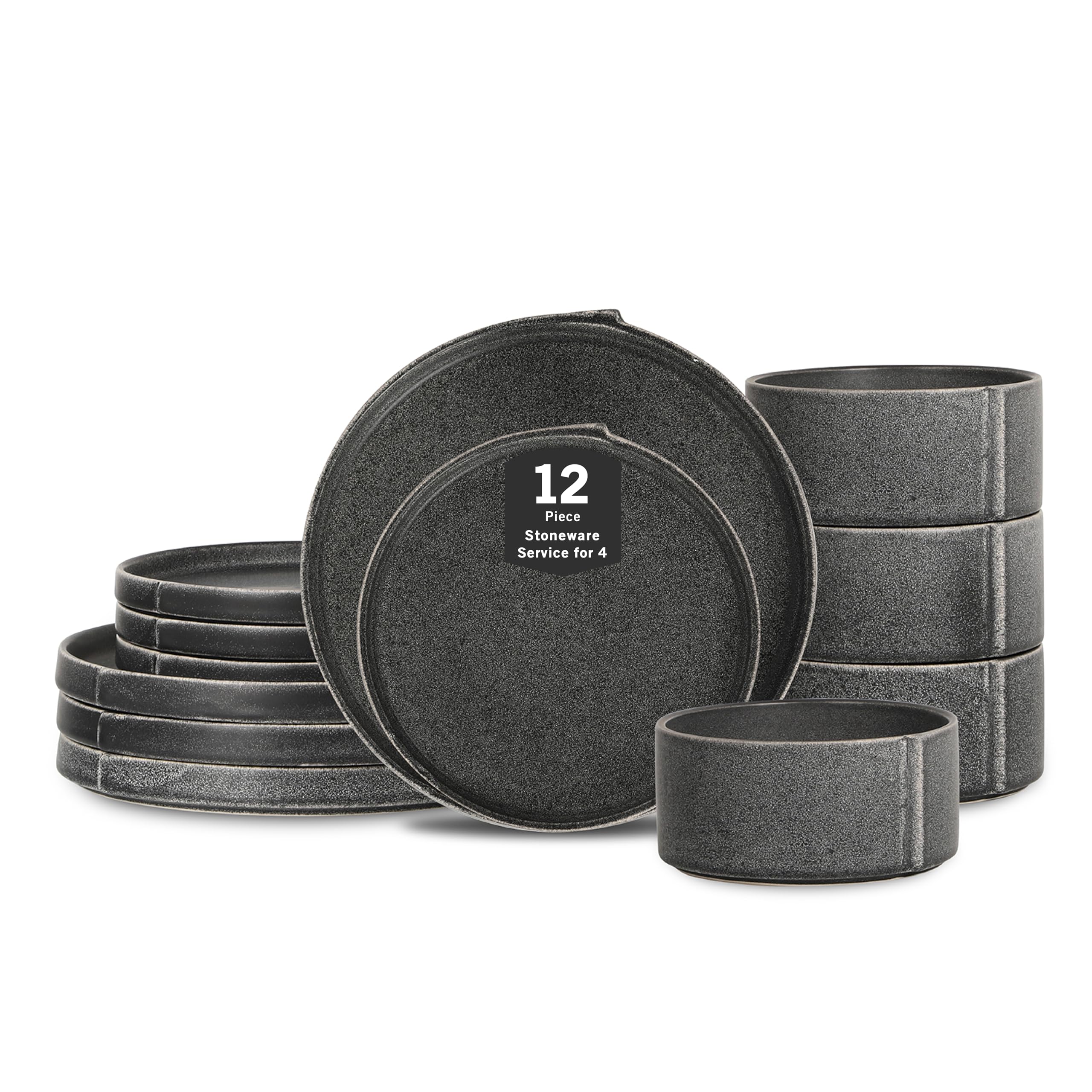

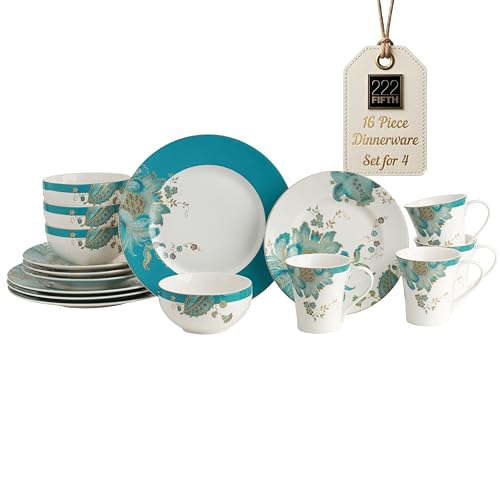

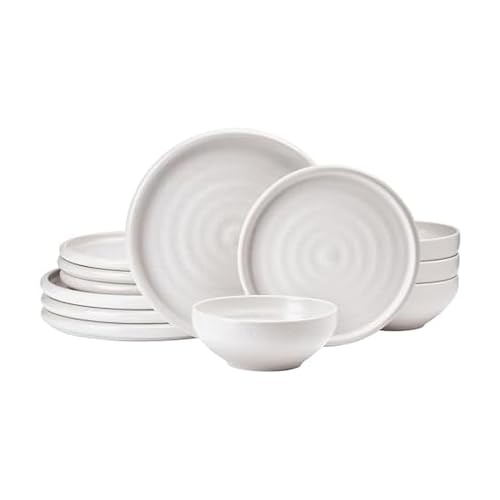

Who Should Buy Which Basic Dinnerware Sets?
For First Time Buyers
Your first set should be forgiving while you learn your own habits. Choose a neutral color in stoneware or porcelain, a standard place setting layout, and pieces that are sold individually later so a broken plate does not end the set. Prioritize dishwasher and microwave safety, because convenience decides whether you use the set daily. Our guide to the best everyday dinnerware sets is a good companion if your goal is simple daily use above all else.
For Gift Shoppers
Dinnerware is a classic wedding and housewarming gift, and the safest gift is a widely liked design in a service for four or eight with a clear return policy. Neutral white or soft solid colors blend with whatever the couple already owns. Check that replacement pieces are easy to order, since a gift set grows more valuable when it can be repaired by purchase rather than replaced entirely. Include the receipt and the pattern name, a small kindness that helps the recipient add pieces years later.
For Value Seekers
Value seekers should think in cost per year, not cost per box. A slightly pricier stoneware set that survives five years of daily use beats a bargain set that chips within months and needs full replacement. Watch for open stock availability, because replacing one bowl is cheaper than replacing a service. Buy during seasonal sales if your timing is flexible, and favor proven materials over trendy shapes, since unusual rims and square plates tend to chip and stack poorly.
For People Who Want the Best Performance
Performance in dinnerware means resistance to chips, stains, and temperature change, plus a finish that still looks clean after hundreds of washes. Porcelain leads here: it is fired at high temperatures, absorbs almost no water, and resists the gray marks that flatware leaves on softer glazes. If you want to compare upper tier construction in depth, our guide to the best quality dinnerware sets explains what separates durable pieces from delicate ones.
Key Features to Compare
Ease of Cleaning (Dishwasher Safe?)
Most basic sets are dishwasher safe, but the label hides differences. Gold or metallic trim, hand painted details, and some reactive glazes need hand washing to keep their finish. Think honestly about your routine: if you run the dishwasher nightly, a hand wash only set will quietly become the set you avoid.
Also check rack fit. Oversized dinner plates and wide rimmed bowls can block spray arms in compact dishwashers, so measure your rack height before choosing dramatic shapes.
Size, Capacity, and What Is Included
A standard place setting includes a dinner plate, a salad plate, a bowl, and a mug, and sets are usually sold as a service for four, six, or eight. Count the pieces your household truly uses: big cereal eaters may want extra bowls, while mug collectors may never touch the included cups. Larger households and frequent hosts should look at our guide to the best dinnerware sets for 8 for seating and storage planning. Finally, measure cabinet shelf height, because stacked stoneware grows tall quickly.
Value per Piece
Divide the set price by the number of pieces you will actually use, not the number printed on the box. A service that includes little used items such as saucers or small dessert plates can look cheap while costing more per useful piece. Also factor in the replacement price of a single dinner plate, since that is the piece most likely to break. Sets with fairly priced open stock pieces protect your budget for years, while sets sold only as sealed boxes punish every accident.
Material and Food Safety
Porcelain and stoneware are the dependable core materials: both are fired ceramic, food safe, and free of the worries that come with some plastics. Melamine is light and nearly unbreakable, which suits outdoor meals and young children, but it should not go in the microwave. Buy from reputable sellers whose pieces are labeled food safe, and be cautious with old or decorative ceramics of unknown origin, since some vintage glazes were not made to modern food contact standards. When in doubt, use suspect pieces for display or dry goods only.
Heat Resistance and Everyday Safety
Check the temperature limits before you put a plate under a broiler or move a bowl from freezer to oven. Many stoneware pieces tolerate oven heat around 350 to 450 degrees Fahrenheit, but sudden temperature swings can crack even sturdy ceramic, a problem called thermal shock. Let a hot dish rest a minute before setting it on a cold stone counter. Microwave safety matters daily too: dense porcelain heats evenly, while pieces with metallic trim must never go in the microwave at all.
Common Mistakes to Avoid When Buying Basic Dinnerware Sets
- Judging by box price alone and ignoring the cost of replacing individual broken pieces later.
- Skipping the dishwasher and microwave check, then discovering your daily routine does not match the care label.
- Buying a service for twelve when your cabinets and table only suit four, which leads to clutter and chips.
- Choosing dramatic shapes that stack poorly, block dishwasher spray arms, and crowd your shelves.
- Ignoring the warranty and return window, even though a quick check protects you if pieces arrive flawed or chip early.
How to Make Your Basic Dinnerware Set Last Longer
Small habits add years to a set. Load the dishwasher so pieces do not touch, because rattling edges are where chips begin. Use a soft divider, even a paper plate or a cloth napkin, between stacked plates you store for guests.
Avoid soaking stoneware for long stretches, since absorbed water can weaken glazes over time. If a mug or bowl has a wooden or bamboo element, such as a serving board in a matching serveware line, hand wash it and let it dry fully before storing. Rotate your everyday stack weekly so the same bottom plates do not carry the load forever.
Storage deserves the same attention as washing. Keep stacks to a modest height so the weight of the pile does not stress the bottom plates, and avoid sliding pieces across each other when you put them away, since that dragging motion scratches glazes. If your set includes serving pieces you use only at holidays, store them in a separate cabinet or box. Keeping daily pieces within easy reach reduces hurried grabbing, which is when most chips and cracks actually happen.
Basic Dinnerware Sets: Your Questions Answered
Is a full dinnerware set better than buying pieces separately?
A full set is usually better value when you need everything at once, since boxed services cost less per piece than open stock. Buying separately wins when you already own good mugs or bowls and only need plates, or when you want to mix materials, such as porcelain plates with larger stoneware bowls. One practical middle path is to buy the set for daily pieces and add specialty items, like pasta bowls, only if your cooking calls for them.
What dinnerware material is safest for food?
Porcelain from a reputable maker is among the safest choices, because its dense, glassy surface does not absorb food or harbor residue in pores. Stoneware with a smooth, intact glaze performs similarly. The caution zone is damaged or unknown ceramic: once a glaze is cracked or crazed, retire the piece from wet food use. Melamine is approved for serving food but should stay out of the microwave, where heat can degrade it.
Are basic dinnerware sets dishwasher safe?
Most basic sets are dishwasher safe, but the way you load matters as much as the label. Place plates upright with space between them, keep bowls from nesting tightly, and use a normal cycle rather than the hottest sanitize setting for decorated pieces. A useful extra check is detergent strength: harsh pods can dull glazes over hundreds of cycles, so a milder detergent helps finishes last. Hand washing remains the gentlest option for any piece with trim.
How long do basic dinnerware sets last?
A decent stoneware or porcelain set lasts five to ten years of daily use, and often much longer. Lifespan depends mostly on handling: most sets are retired because of accumulated chips and lost pieces, not because the material wears out. Choosing a pattern that stays in production is the quiet secret to longevity, since you can replace the two or three casualties each year and keep the service complete instead of starting over.
Final Thoughts
Match the set to your routine first, then compare material, cleaning needs, and value per piece. Check the product table above against your cabinet space and household size, and you will choose the best basic dinnerware sets for your table with confidence. Readers drawn to finer finishes can also browse our guide to the best luxury dinnerware sets to see what higher budgets add.


