Best Bang for Your Buck Android Phones 2026 Value Guide
Disclosure: We may earn a commission when you buy through links on this page, at no extra cost to you. As an Amazon Associate I earn from qualifying purchases. Learn more

Value Android phones balance chip, battery, screen, and camera without flagship prices. Learn which specs matter daily and which ones you can safely skip.
The best bang for your buck android phones give you the daily experience that matters, smooth scrolling, all day battery, and a camera that handles everyday light, without charging flagship prices. Value phones now share many parts with pricier models, so the gap is smaller than it used to be, but makers still cut corners in places you should check. The product table shows where value phones typically win and where they compromise.
This guide separates the specs that change daily use from the ones that only look good on a box. Chip speed, battery size, screen quality, and software support matter far more than megapixel counts or bundled accessories. Read on to learn how to judge a value phone by how it will feel in six months, not just on unboxing day.

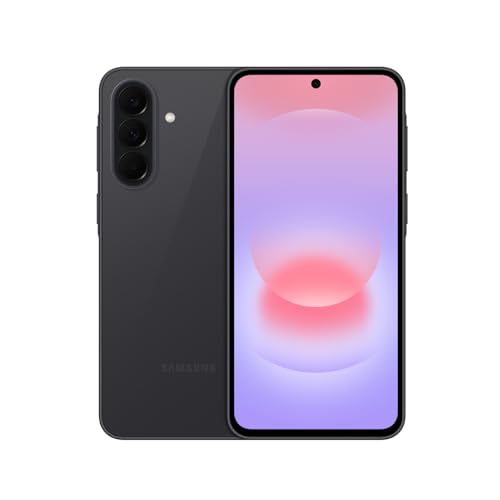
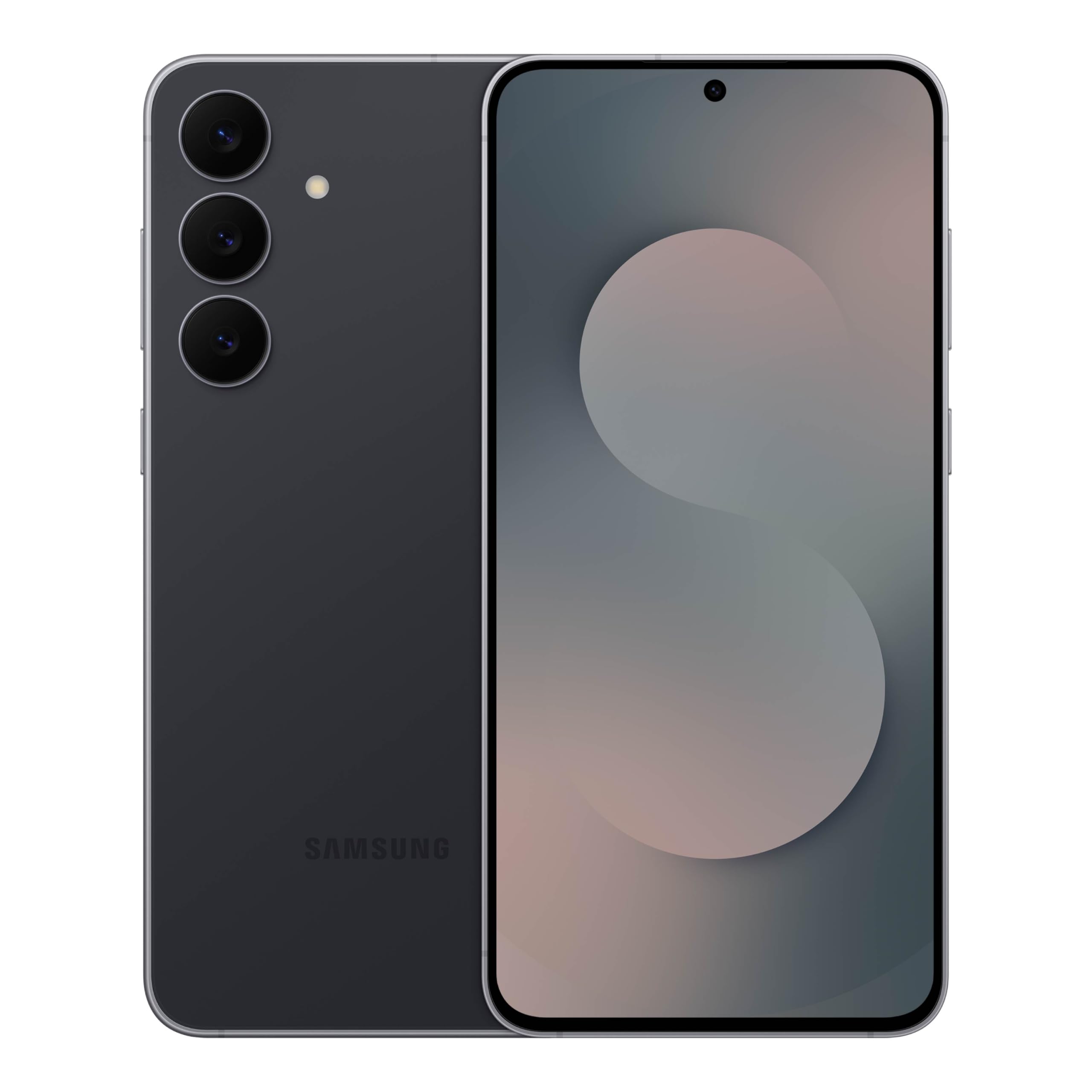
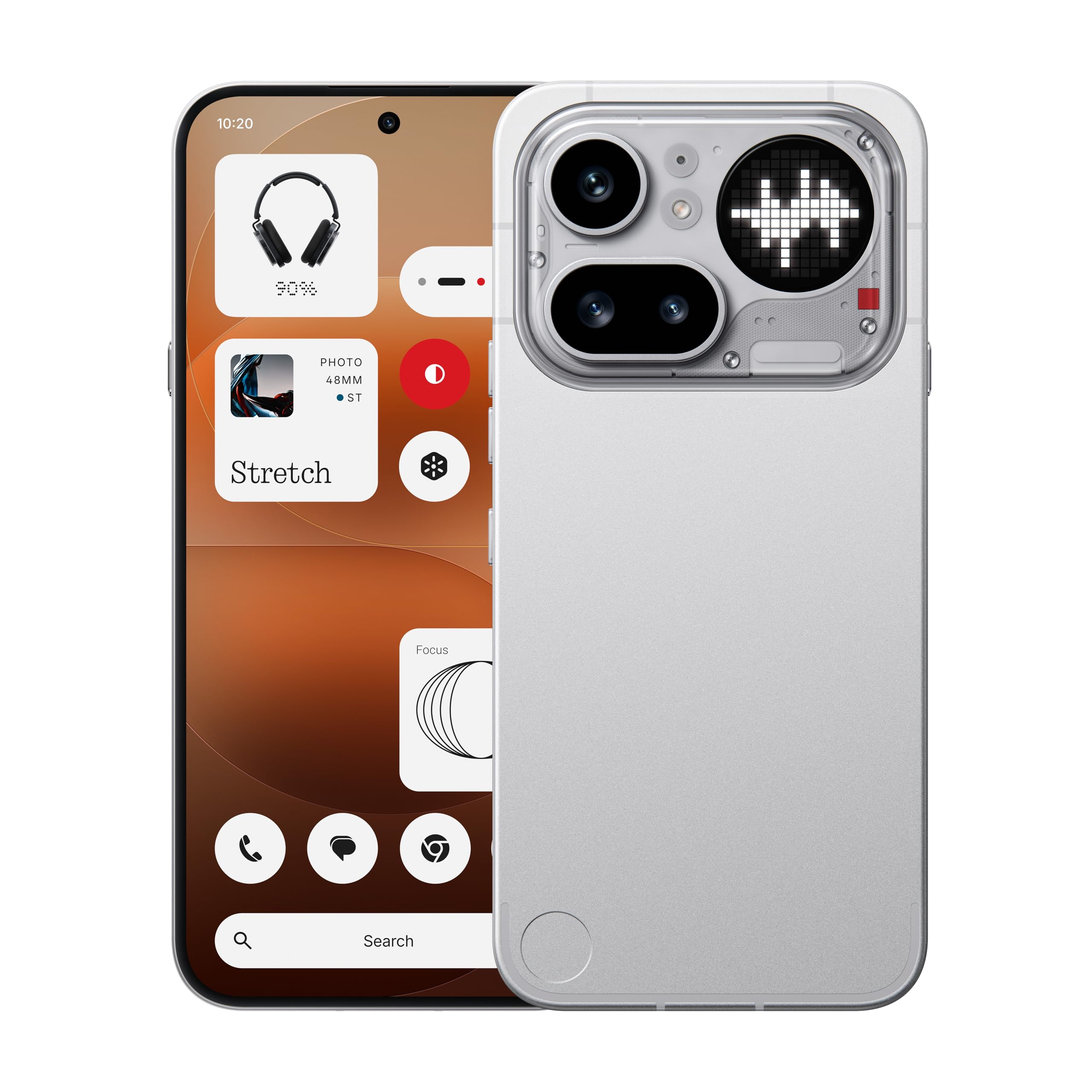
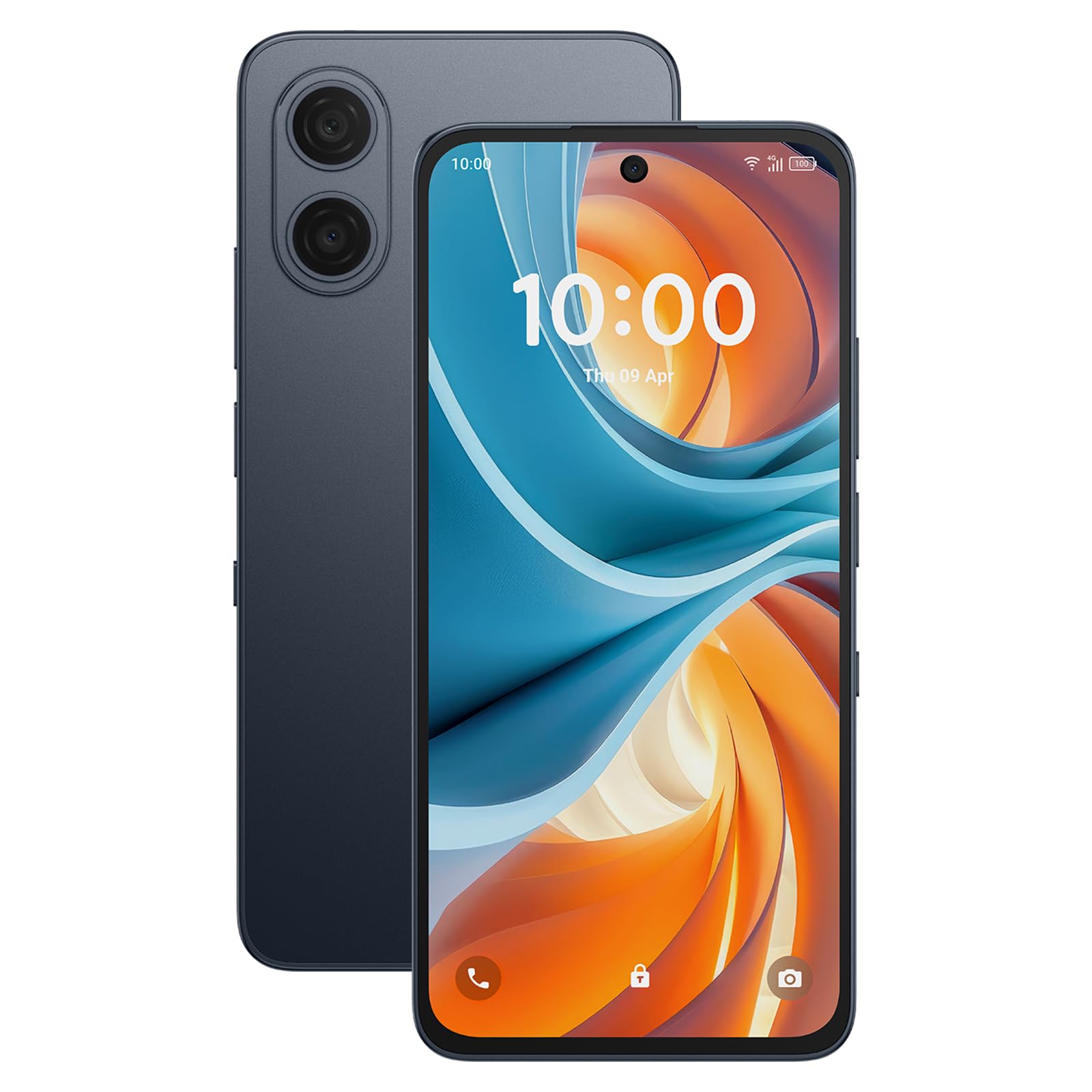


Chip and Memory: The Daily Speed Test
The chip and memory decide whether a phone feels fast in normal use or stutters when you switch apps. A midrange chip from the last two generations handles messaging, maps, video, and light games smoothly, while a very cheap chip lags when several apps run at once. Memory matters too, since six gigabytes keeps more apps ready in the background than four, which means less reloading.
Storage speed affects how quickly apps install and photos save, though makers rarely advertise it clearly. A phone with generous storage avoids the need for constant cleanup, and a microSD slot helps when it is offered, though many value phones now skip it. Check both memory and storage before judging a phone by its chip name alone.
Battery Life That Survives a Real Day
Battery capacity around 5000 milliamp hours suits most users for a full day of mixed use, including video, maps, and social apps. Screen size and brightness affect drain as much as capacity, so a large bright screen can empty a big battery faster than a smaller screen on a modest battery. Look at real world battery tests rather than capacity alone when you compare models.
Charging speed matters when you top up between outings. A phone that charges to half in about thirty minutes changes how you use it, since a short plug in before leaving home adds hours of use. Wireless charging is rare at value prices and easy to live without, but fast wired charging is worth prioritising if your days run long.
Screen Quality Beyond Resolution
Screen resolution alone does not decide how good a display looks. An OLED panel shows deeper blacks and stronger contrast than a basic LCD, even at the same resolution, and that difference shows in photos and video. A 90 hertz or 120 hertz refresh rate makes scrolling feel smoother, though it uses more battery, so a phone that lets you switch refresh rates gives useful control.
Brightness matters outdoors, since a dim screen washes out in sunlight even when it looks fine indoors. Peak brightness figures vary in how they are measured, so a hands on look in bright light tells more than a spec sheet. Screen protection also counts, since a tougher glass layer resists the scratches that dull a display over time.
Cameras: What Value Phones Do Well
Value phone cameras handle daylight well, since the main sensor and software processing have improved greatly at this price. Expect good outdoor photos and decent portraits, with performance dropping in low light where smaller sensors and simpler processing show noise. A dedicated ultrawide lens adds framing options, while a low resolution macro or depth sensor adds little real value.
Video stabilisation matters if you film while walking or record family moments. Electronic stabilisation smooths most clips, though it crops the frame slightly. Test the camera in the light you actually use, such as indoors in the evening, rather than judging by daylight samples alone, since that is where value cameras differ most.
Software Support and Long Term Value
Software support decides how long a value phone stays safe and pleasant to use. Makers now promise different lengths of operating system and security updates, and a phone with four years of security updates outlasts one with two, even when launch specs look similar. Longer support also protects resale value if you sell or hand the phone down later.
Check the software experience too, since heavy custom skins can slow a midrange chip and add apps you cannot remove. A clean interface with useful additions, such as a good night mode and sensible battery settings, suits most users better than a long list of gimmicks. Note whether the maker has a record of delivering updates on time for its value range, not just for flagships.
Build, Durability, and Everyday Practicality
Build quality at value prices ranges from plastic bodies that survive drops well to glass backs that feel premium but crack more easily. Plastic backs resist shattering and keep weight down, while a metal frame adds rigidity. Water resistance ratings are often limited at this price, so treat splash resistance as a safety net rather than permission to submerge the phone.
Practical details add up: a headphone jack suits wired listeners, a fingerprint sensor on the side or under the screen should unlock quickly, and stereo speakers make video far more enjoyable than a single bottom speaker. A case and a screen protector cost little and protect the phone through the years of support you are paying for in the first place.
For a broader look at value buying across categories, see best bang for your buck, which sets out how to judge value picks in general before you narrow to phones.
A Final Check Before You Order
Before ordering, confirm the exact update promise for the model, not just the brand, since support length varies within one maker range. Check real world battery tests for the screen size you are considering, and look at low light camera samples from reviewers who shoot indoors in the evening. Those two checks predict daily satisfaction far better than launch day benchmark scores or megapixel counts.
Think about how long you plan to keep the phone, since a value phone with four years of security updates outlasts a slightly faster phone with two. Add a case and a screen protector to the budget from day one, because a cracked screen or a dead battery erases value faster than any spec compromise. Keep the box and receipt until you have tested calls, WiFi, and charging thoroughly.
Frequently Asked Questions
Are value Android phones fast enough for daily use?
Yes, when the chip and memory are balanced. A recent midrange chip with at least six gigabytes of memory handles messaging, browsing, maps, video, and light games without stutter. Problems appear when a phone pairs a weak chip with too little memory, which causes apps to reload often. Check recent reviews for real world speed tests rather than benchmark scores alone, since sustained performance matters more than peak numbers.
How important is battery size in a value phone?
Battery size matters, but screen efficiency and software tuning matter almost as much. A 5000 milliamp hour battery usually delivers a full day of mixed use, while a smaller battery may need a top up on heavy days. Fast charging changes the equation, since a quick charge before an evening out can replace hours of capacity. Judge battery by tested endurance and charging speed together, not by capacity alone.
Do value Android phones get software updates?
It depends on the maker, and the difference is large. Some makers promise four or more years of security updates for value phones, while others offer only two. Operating system upgrades matter less than security patches for long term safety, but both affect how current the phone feels. Check the stated update promise for the exact model before buying, since promises vary even within one brand range.
Is a 120 hertz screen worth it on a budget phone?
A higher refresh rate makes scrolling and animations feel smoother, and most users notice the difference immediately. It uses more battery, so a phone that adapts refresh rate to content gives the best balance. On a value phone, a good OLED panel at 90 hertz often feels better than a dim LCD at 120 hertz, so weigh panel quality and brightness alongside refresh rate rather than chasing the highest number.
Should I buy a value phone or an older flagship?
A new value phone usually wins on battery health, software support length, and warranty, while an older flagship may offer a better camera, build, and display. Older flagships can hide worn batteries and shorter remaining support, which cost money later. If camera quality and premium build matter most and you accept shorter support, an older flagship can be good value. For most buyers, a new value phone is the safer long term choice.
Final Thoughts
A great value Android phone balances chip, memory, battery, screen, and software support rather than excelling at one spec. Prioritise smooth daily speed, all day battery, and years of security updates, and treat camera extras and premium materials as bonuses. Use the product table above to compare the trade offs, then choose the phone whose compromises you will notice least in daily life. The best bang for your buck android phones are the ones that still feel fast and reliable long after the novelty of a new phone fades.