
Best Balcony Grills in 2026: Which Type Is Right for You?
Disclosure: We may earn a commission when you buy through links on this page, at no extra cost to you. As an Amazon Associate I earn from qualifying purchases. Learn more

Best balcony grills compared by type, with size, fuel, and building rule tips for small outdoor spaces.
A small outdoor space can still cook well, but the wrong grill can crowd the railing, annoy neighbors, or break building rules. This guide to best balcony grills compares the main types side by side so you can match size, fuel, and heat control to the space you actually have.
Use the comparison table below as a quick starting point, then read the type details before you decide. The right choice depends less on cooking power in general and more on clearance, smoke, fuel storage, and what your building allows.


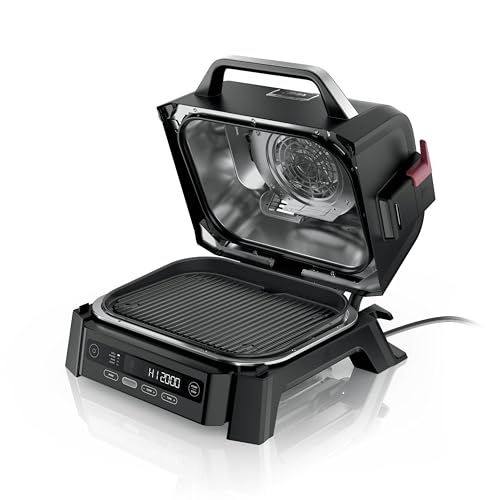


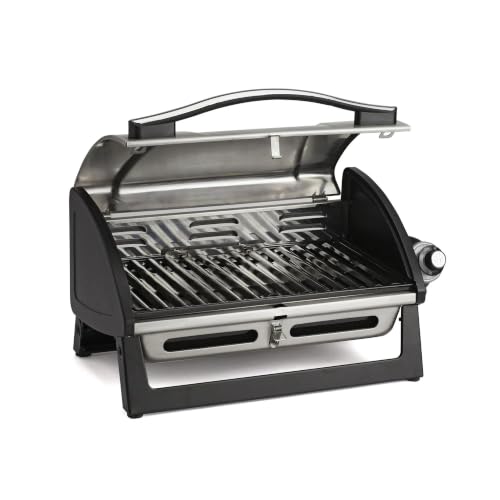
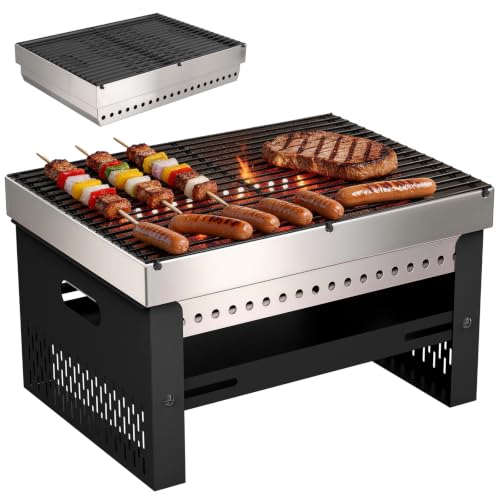

Types of Balcony Grills Compared
Balcony cooking is a compromise between heat, size, and neighbor friendly operation. A grill that works well in a yard can be too large, too smoky, or too hot for a narrow balcony. The table below gives a plain overview, and the sections after it explain what each type feels like in daily use.
| Type | Best For | Pros | Cons | Typical Price |
|---|---|---|---|---|
| Gas grills | Quick weeknight cooking | Fast heat, easy control | Needs tank space and clearance | about $120 to $400 |
| Vertical smokers | Slow cooked flavor | Steady low heat, large capacity | Long cooks, more smoke | about $150 to $500 |
| Charcoal grills | Classic grilled flavor on a budget | Simple design, strong heat | More ash, slower startup | about $60 to $250 |
| Pellet grills and smokers | Set and hold temperature cooking | Steady heat, wood flavor | Needs power and pellet storage | about $250 to $700 |
| Electric grills | Tight balconies and strict buildings | Little smoke, easy cleanup | Lower top heat, needs an outlet | about $80 to $300 |
Gas Grills
A gas grill lights fast and reaches cooking temperature in about 10 to 15 minutes, which suits short cooks after work. Burner knobs give direct control, so you can sear on one side and finish food gently on the other. The trade off is fuel storage, since a standard tank needs a safe, upright spot away from heat and walkways.
Check the footprint with the lid open, not just the closed size, because a lid can swing into a railing or wall. A compact two burner layout often fits a balcony better than a wide three burner model. Look for a grease tray that slides out easily, because a tray that is hard to reach will be cleaned less often.
Vertical Smokers
A vertical smoker stacks heat, water, and cooking racks in a tall cabinet, which gives steady low heat for long cooks. That shape can suit a narrow balcony because it uses height rather than width, but it still needs clearance above and around it for safe airflow. Long cooks also produce steady smoke, so neighbor distance matters more than with a fast grill.
Temperature control comes from vents and fuel amount rather than a dial, so it rewards patience and a simple thermometer. If you mostly cook burgers and vegetables on weeknights, a vertical smoker may be more tool than you need. It shines for people who plan a long weekend cook and can stay nearby.
Charcoal Grills
Charcoal gives strong, direct heat and a familiar grilled flavor, and the simplest models cost less than most gas or pellet options. The cost is time and mess, since lighting, waiting for coals, and handling ash all take longer than turning a knob. Wind on a high balcony can also change how coals burn, so a lid and vents matter.
Size control is the main balcony issue. A small kettle style grill can work well, while a large barrel style grill can dominate the space and store ash near seating. Plan where hot coals will cool safely and where ash will go before you buy. Never leave a lit charcoal grill unattended, and keep children away from hot parts.
Pellet Grills and Smokers
A pellet grill feeds small wood pellets into a fire pot and uses a controller to hold a set temperature, which makes long cooks easier to manage. The wood flavor is a clear draw, and the temperature range covers both low and slow cooking and hotter grilling. You will need a power outlet, dry pellet storage, and room for the hopper and lid swing.
Pellet quality and moisture affect results more than many buyers expect, so store pellets in a dry sealed container. A controller with probes can help you track food temperature without lifting the lid often. For a balcony, check the total depth with the hopper lid open and confirm that the grill can sit with safe clearance on all sides.
Gas Grills vs Vertical Smokers: Which Should You Choose?
Choose a gas grill if you want speed, simple control, and easy weeknight use. Choose a vertical smoker if you enjoy long cooks, want steady low heat, and have a balcony where smoke will not drift straight into a neighbor window. The difference is less about which one tastes better in general and more about how you actually cook.
Compare them on five points: startup time, smoke level, space use, fuel storage, and cleanup. Gas wins on startup and cleanup, while a vertical smoker wins on long cook capacity and steady low heat. Space is a tie in different ways, since gas needs tank room and a smoker needs height and airflow. Pick the set of trade offs that fits your schedule and your building rules.
How to Choose the Right Balcony Grill
Start with the balcony itself, then work back to fuel and features. Measure the floor area, the railing height, the door swing, and the distance to walls and seating. A grill that fits on paper can still fail if the lid cannot open fully or if you cannot stand safely beside it while cooking.
Cooking Area and Capacity
Cooking area is usually given in square inches, but the usable layout matters more than the headline number. A warming rack adds space for buns or vegetables, yet it does not replace the main grate for burgers or steaks. Count how many items you cook at once on a normal evening, not on a rare party night.
A compact grate can still serve two to four people if you cook in batches and keep food warm indoors. A very large grate may look generous but can push heat and smoke closer to seating and railings. Leave room to move tongs, a tray, and a plate without reaching across a hot surface.
Temperature Control and Smart Features
Good control means you can hold a low temperature for slow cooking and reach a high temperature for searing without constant adjustment. A PID controller on a pellet model adjusts fuel feed to hold a set point, which helps on windy days. On gas models, separate burners give more control than a single burner with one knob.
WiFi and probes can be useful, but they should not replace a basic thermometer and clear vents or knobs. Check whether the app or probe works without a paid plan, and whether the grill still cooks well if you ignore the smart features. For a balcony, simple and reliable controls often beat a long feature list.
Fuel Cost and Availability
Fuel cost depends on how often you cook and how long each cook lasts. Propane is easy to exchange in many areas, while pellets and charcoal need dry storage and a local supply. Electric models avoid fuel runs but add electricity use and depend on an outlet that stays dry and reachable.
Estimate cost per cook rather than cost per tank or bag, since a long smoke session uses far more fuel than a quick grill session. If fuel is hard to carry up stairs or through a shared hallway, that practical detail can matter more than a small price difference. Choose a fuel you can store and carry safely.
Fuel Type
Gas offers convenience and control, charcoal offers classic flavor and a lower entry price, pellet offers steady temperature and wood flavor, and electric offers the least smoke and the simplest cleanup. Flavor differences are real, but they shrink when food is marinated, rested, and cooked to the right temperature. Convenience differences stay with you every time you cook.
Think about smoke, smell, ash, and storage together, not just taste. A charcoal grill may taste great once a month but feel like a chore every week, while an electric grill may feel easy every week but never reach the heat you want for searing. The best fuel is the one that fits your building rules, your storage, and your cooking rhythm.
Choosing Balcony Grills for Your Situation
Best Balcony Grills for Apartments: Which Type Works Best
For apartments, the deciding factors are building rules, shared walls, and limited storage. Start by checking whether your building allows open flame, charcoal, or gas on balconies, because local balcony and fire rules vary and a lease or building policy can be stricter than a city rule. When in doubt, ask the building manager in writing before you buy.
Electric models and small gas models often fit apartment life best, since they produce less smoke and need less fuel storage. If you choose gas, confirm tank size limits and where a tank may be stored. If you choose charcoal or pellet, confirm smoke, ash, and power rules as well, and keep a clear path to the door.
Readers comparing best electric grills for balcony will find low smoke operation useful when neighbors sit close by. Those with a little more room may compare best small grills for balcony for compact footprints that still grill well. Apartment buyers should also check best grills for apartment balconies for space and rule focused guidance, and best gas grills for balcony if fast heat and simple control matter most.
Tips to Get the Most From Your Balcony Grill
Preheat for 10 to 15 minutes before cooking so the grate is hot and food releases more cleanly. Clean grates while they are still warm, using a brush made for your grate material, and empty the grease tray before it overflows. Cover the grill after it cools fully, and check for rust at joints, legs, and the bottom of the firebox each season.
- Keep a clear zone around the grill, away from railings, curtains, and stored items.
- Store fuel upright and outdoors where your building allows, never inside a living space.
- Use long tools and heat resistant gloves so your hands stay clear of the grate.
- Let coals and ash cool fully before disposal, and never put hot ash in a trash bag.
Balcony Grills: Your Questions Answered
Can I use a grill on an apartment balcony?
It depends on your building rules and local fire rules, so check both before you buy. Some buildings ban open flame or charcoal, some limit tank size, and some allow only electric models. Ask the building manager in writing, and keep that answer with your purchase records. A grill that is legal in one building may be banned in the next, even on the same street.
What type of balcony grill gives the best flavor?
Charcoal and pellet models often give the most distinct grilled flavor, while gas gives a cleaner taste that lets marinades stand out. Flavor also depends on grate temperature, resting time, and whether food dries out during cooking. A well controlled gas grill can beat a poorly managed charcoal fire, so control and practice matter as much as fuel type.
How long should a good balcony grill last?
A well kept grill can last several years, but balcony exposure to rain, wind, and salt air can shorten that life. Stainless parts, a good cover, and regular cleaning help most, while a grill left uncovered near the sea may rust faster. Check burner tubes, grates, and joints each season, and replace worn parts before they affect safety or heat control.
Is a pellet grill worth it for a balcony?
A pellet grill is worth it if you cook low and slow often and have power, pellet storage, and safe clearance. It is less appealing if you mainly want quick weeknight grilling, since startup and cleanup take longer than a small gas or electric model. Measure the full footprint with lids open, and confirm that pellet smoke will not drift into neighbor windows.
How often should I clean a balcony grill?
Brush the grate after each cook while it is warm, and empty grease or ash before it builds up. A deeper clean of the firebox, burners, or drip system every few months keeps heat even and reduces flare ups. If you grill weekly, a quick wipe of exterior surfaces each month also prevents grease film from attracting dust and insects.
How big of a balcony grill do I need?
Size the grill to your normal guest count and your balcony floor, not to a rare large gathering. Two to four people usually do well with a compact grate and a small warming area, while larger groups need batch cooking or an indoor side dish plan. Leave safe standing room beside the grill, and confirm that the lid opens fully without hitting a railing or wall.
The Bottom Line
Start with building rules, measure the real space with lids open, then choose fuel by how often you cook and how much smoke and storage you can manage. Gas suits fast weeknight cooking, pellet suits steady low and slow sessions, charcoal suits classic flavor on a budget, and electric suits the tightest or strictest balconies. The product table can help you compare those trade offs at a glance.
If you cook often and want simple control, a compact gas or electric model is a sensible starting point. If you plan long weekend cooks and have room and airflow, a pellet model or vertical smoker may fit better. Whichever type you choose, the best balcony grills are the ones that fit your space, follow your building rules, and get used often rather than stored away.


