Best Baking Parchment Paper of 2026: Complete Buying Guide
Disclosure: We may earn a commission when you buy through links on this page, at no extra cost to you. As an Amazon Associate I earn from qualifying purchases. Learn more
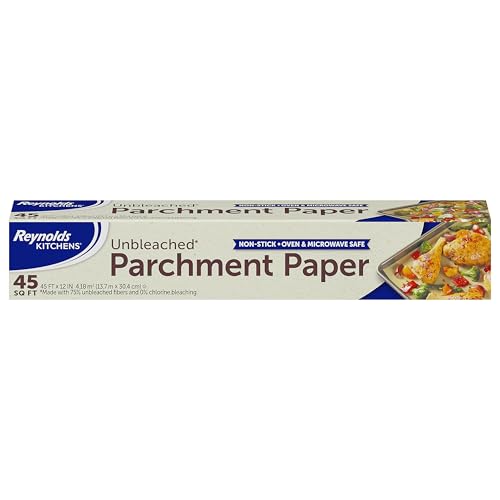
Compare baking parchment paper by form, coating, heat limit, and sheet size. Learn how rolls, sheets, and precut liners differ so you can line pans with ease.
Parchment paper saves scrubbing, stops sticking, and helps cookies and cakes release in one piece. Yet not every roll or sheet behaves the same way in the oven. Some curl at the edges, some darken quickly, and some fit a pan poorly. This guide compares forms, coatings, sizes, and heat limits so you can choose paper that suits your baking routine, and the product table gives a quick summary before the detail.
Think first about what you bake most often. Cookie bakers need flat sheets that stay put, cake bakers need liners that match round pans, and roast vegetable fans need large sheets that cover a full tray. Your answer shapes the best form, size, and quantity to buy. Best baking parchment paper is the paper that fits your pan, tolerates your oven heat, and releases food without tearing.

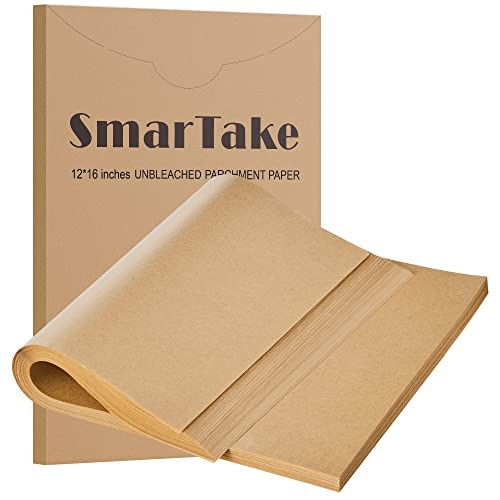

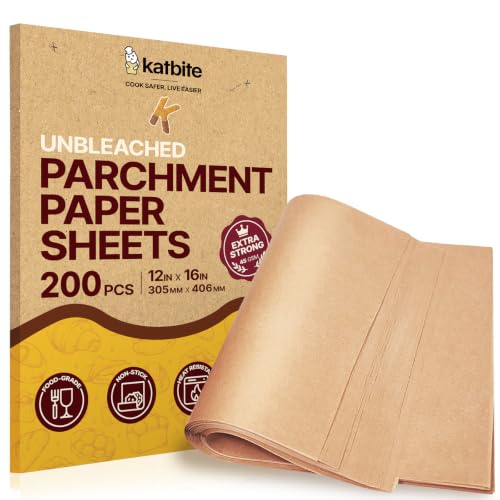
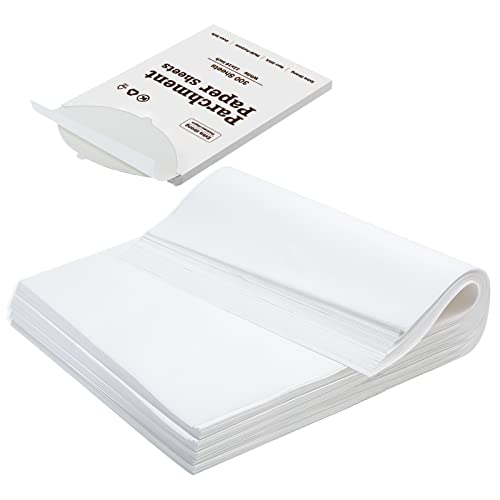


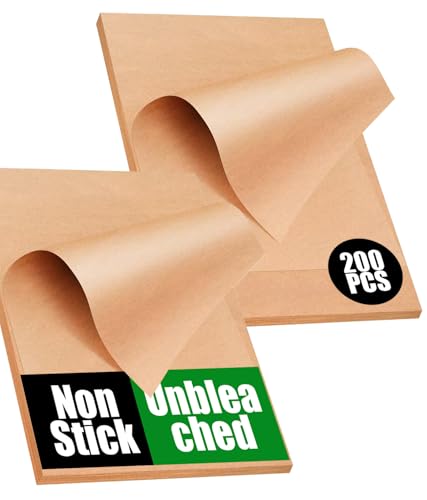
Who Should Buy Which Parchment Paper
Cookie and Tray Bakers
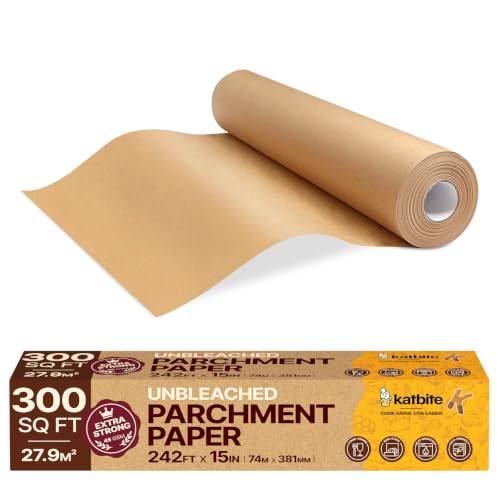
Cookie bakers benefit most from flat sheets or a roll they can cut to tray size. Flat sheets save time, since they lie flat at once and need no uncurling. A roll suits mixed pan sizes, because you can cut each piece to fit. Choose a silicone coated sheet for reliable release with sticky dough.
Cake and Loaf Bakers
Cake bakers often need round liners or long strips for loaf pans. Precut round liners save measuring and trimming, and they sit neatly in the pan base. For loaf pans, a wide sheet that rises above the rim doubles as a lifting sling. Check the diameter or width against your pans before buying.
Busy Weeknight Cooks
Busy cooks want paper that works across baking and roasting with little fuss. A standard roll covers most trays and pans, and a sturdy box with a cutter keeps tearing tidy. Keep a roll near the oven so lining a pan becomes a habit rather than a chore. A larger roll often offers better value when you cook often.
Key Features to Compare
Form: Rolls, Sheets, and Precut Liners
Rolls offer flexibility, since you can cut any length for any pan. Flat sheets offer speed, since they need no cutting or flattening. Precut liners offer precision for round cake pans and muffin trays. Your best form depends on how many pan shapes you use and how much time you want to spend trimming.
Coating and Release
Most parchment paper carries a thin silicone coating that helps food release. Uncoated paper exists, but it may stick more with sugary or cheesy foods. A coated sheet suits cookies, cakes, and roasted vegetables alike. If food sticks often, the coating or the paper weight may be the cause rather than your recipe.
Heat Limit and Oven Safety
Heat limits vary, so always follow the maker guidance on the box. Many papers suit temperatures up to about 425 degrees Fahrenheit, while some allow higher heat. Never let paper touch a heating element or an open flame, and trim excess paper that hangs over a pan edge. Keep the oven attended while baking, and discard paper that chars or becomes brittle.
Size, Weight, and Pan Fit
Width matters more than total length when you line a tray. A narrow roll leaves gaps on a wide baking sheet, while an oversized sheet needs trimming. Paper weight affects strength, since thin paper tears more easily when wet. For heavy doughs or juicy roasts, a sturdier sheet holds up better during lifting.
Quantity and Long Term Cost
Large rolls usually cost less per foot, but only if you use the paper before it absorbs moisture or gets crushed. Small packs suit occasional bakers and keep paper fresh. Precut liners cost more per piece, yet they save time and reduce waste for cake bakers. Judge value by sheets actually used, not by the headline roll length.
Types of Baking Parchment Paper Compared
Rolls, flat sheets, and precut liners each solve a different problem in the kitchen. Rolls suit varied pans, flat sheets suit speed, and precut liners suit round cakes and muffins. Some papers also come in bleached or unbleached versions, which differ mainly in color and processing rather than in everyday performance. The table below compares the main forms at a glance.
| Form | Best For | Strengths | Drawbacks |
|---|---|---|---|
| Roll | Mixed pan sizes | Flexible, good value | Needs cutting, may curl |
| Flat sheets | Cookies and trays | Lies flat, fast to use | Fixed size may not fit all pans |
| Precut liners | Round cakes, muffins | Exact fit, no trimming | Costs more per piece |
Spending Levels That Make Sense
Basic Rolls for Everyday Use
Basic rolls suit most home kitchens and cover cookies, trays, and roasting with one product. Look for a width that matches your largest baking sheet and a coating that releases well. A basic roll keeps costs low when you bake often. Store it dry and upright so the paper stays clean and easy to tear.
Mid Priced Sheets for Convenience
Mid priced flat sheets suit bakers who value speed and neat results. They lie flat at once and suit standard tray sizes without trimming. Spend a little more when you bake in batches, since time saved across many trays adds up. Check that the sheet size truly matches your trays before buying in bulk.
Premium and Specialty Liners
Premium choices include heavyweight sheets and exact precut liners for cakes and muffins. They suit bakers who want a polished result or who bake the same items often. Pay more for a sturdier sheet when you lift heavy cakes or juicy roasts. A specialty liner should save real time or solve a fit problem, not just add packaging.
Common Mistakes to Avoid
- Using wax paper in the oven, since it is not made for oven heat and can melt or smoke.
- Letting paper touch a heating element or hang far over a pan edge near heat.
- Choosing a roll narrower than your largest tray, which leaves food stuck to bare metal.
- Reusing a sheet that is torn, greasy, or charred, which can affect release and flavor.
- Storing paper in a damp spot, which weakens it and makes tearing messy.
Care, Storage, and Safety Tips
Store parchment paper in a cool, dry place away from steam and strong odors. Keep rolls in their box so the cutting edge stays sharp and the paper stays clean. For flat sheets, store them flat or upright without bending, since creases can affect how they sit in a pan.
Never leave a hot oven unattended, and follow maker guidance for heat limits. Keep paper and packaging away from children and pets, and let trays cool before handling hot sheets. If a sheet chars, tears badly, or smells burnt, discard it and use a fresh piece.
When you plan a full baking setup, see our guide to best baking dishes for pan shapes that pair well with precut liners. For heat control basics, our guide to best ovens for baking explains even heating and rack position. If you mix dough in large batches, our guide to best mixers for baking covers bowl size and power choices that affect dough handling.
Frequently Asked Questions
How do I maintain baking parchment paper?
Parchment paper needs no washing, since it is single use in most kitchens. Good care means dry storage, gentle handling, and keeping the roll box intact for clean tearing. Avoid damp spots, since moisture weakens paper and makes it tear unevenly. Some bakers reuse a clean, lightly used sheet for a second tray of cookies, but discard any sheet that is torn, greasy, or darkened by heat.
Are expensive baking parchment papers worth it?
Expensive papers are worth it when they solve a real problem, such as a heavy cake that needs a sturdy lift or a batch process that needs flat sheets. For everyday cookies, a basic coated roll often performs just as well. Pay more for heavier paper, exact precut sizes, or reliable release, not for fancy packaging. Try one pack and compare release, tearing, and fit before buying a large quantity.
How much should I spend on baking parchment paper?
Most home bakers spend about $5 to $15 for a roll or pack that lasts many bakes. The right spend depends on how often you bake and whether you need flat sheets or precut liners. Occasional bakers do well with a small roll, while frequent bakers save with a larger roll. Precut liners cost more per piece, so reserve them for cakes and muffins where exact fit matters.
What features matter most when buying baking parchment paper?
Form, width, coating, and heat limit matter most for everyday use. A form that fits your pans saves time, while a good coating ensures clean release. Heat limit matters when you roast at high temperatures, since paper past its limit can darken or become brittle. Paper weight also matters, because a sturdier sheet lifts heavy food without tearing.
How long does baking parchment paper last?
A single sheet usually lasts for one bake, though a clean sheet may serve a second tray of cookies. A roll lasts for many bakes, depending on sheet size and how often you bake. Damp storage shortens useful life, since paper weakens and tears poorly. Replace any roll that feels limp, smells musty, or tears in ragged strips instead of cutting cleanly.
Final Thoughts
Start with the pans you use most, then choose a form that fits them without constant trimming. A coated roll covers most kitchens, flat sheets speed up tray baking, and precut liners suit round cakes. Check width and heat limit before buying, store paper dry, and never let it touch a heating element. With those habits, you can pick best baking parchment paper with confidence and use the product table above as a final checklist.