Best Baking Cups of 2026: Complete Buying Guide
Disclosure: We may earn a commission when you buy through links on this page, at no extra cost to you. As an Amazon Associate I earn from qualifying purchases. Learn more

Choose the best baking cups for muffins, cupcakes, and small bakes by comparing materials, sizes, liners, and costs for your kitchen.
Baking cups look simple, yet the wrong choice can stick to a muffin, collapse in the pan, or leave grease marks on a pretty finish. The right cup holds its shape, releases cleanly, and suits the batter you actually bake. This guide explains how to compare materials, sizes, and costs so you can shop with confidence. The product table gives a quick overview before you read the detail.
Choosing well starts with your pan, your batter, and your plans for serving. A sturdy cup matters more for a wet batter than for a firm cake batter, and a decorative cup matters more when the bake goes straight to the table. Keep those two ideas in mind as you compare options, and you will avoid most common mistakes. The best baking cups are simply the ones that fit your pan, suit your recipe, and release without a fight.




Who Should Buy Which Baking Cups
Weekend Home Bakers
Weekend bakers usually want a reliable, low fuss cup for muffins and cupcakes. Standard paper cups in a matching pan size cover most recipes, and a grease resistant lining helps with buttery batters. Buy a pack size you will use within a few months so the cups stay crisp and dry. A simple design also keeps the focus on flavor rather than decoration.
Party Hosts and Gift Bakers
Party hosts care about presentation as much as performance. Foil cups and patterned paper cups hold bold colors better and stand up well on a serving tray. Check that the design survives oven heat without fading badly, and try one batch before a big event. A cup that looks good but sticks to the cake will disappoint guests.
Small Batch and Specialty Bakers
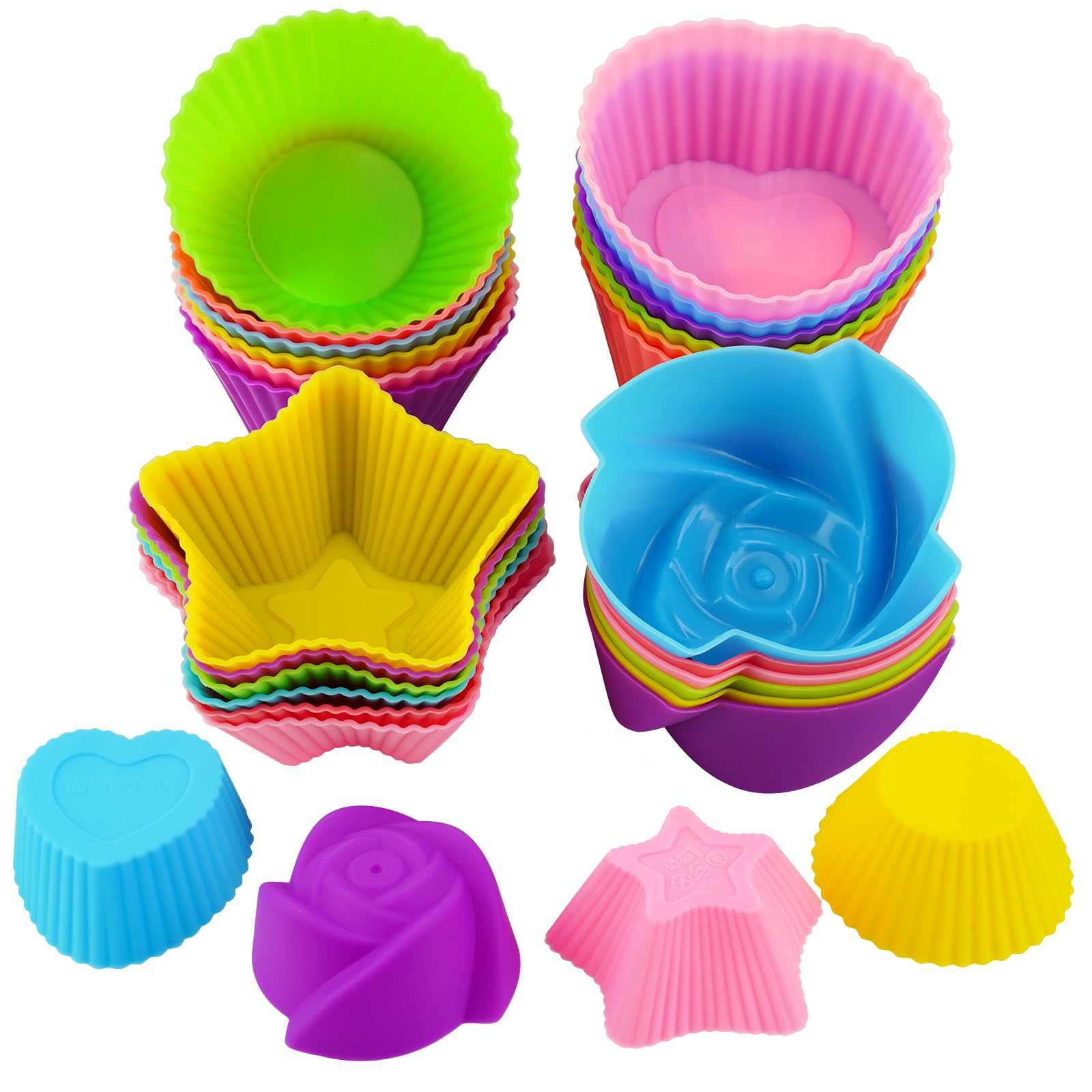
Small batch bakers often work with mini pans, jumbo pans, or unusual batters. For these bakes, size accuracy matters more than decoration. Measure your pan wells and match the cup base and height before ordering. Silicone cups can suit repeat small batches, since they can be washed and reused many times.
Key Features to Compare
Material and Release
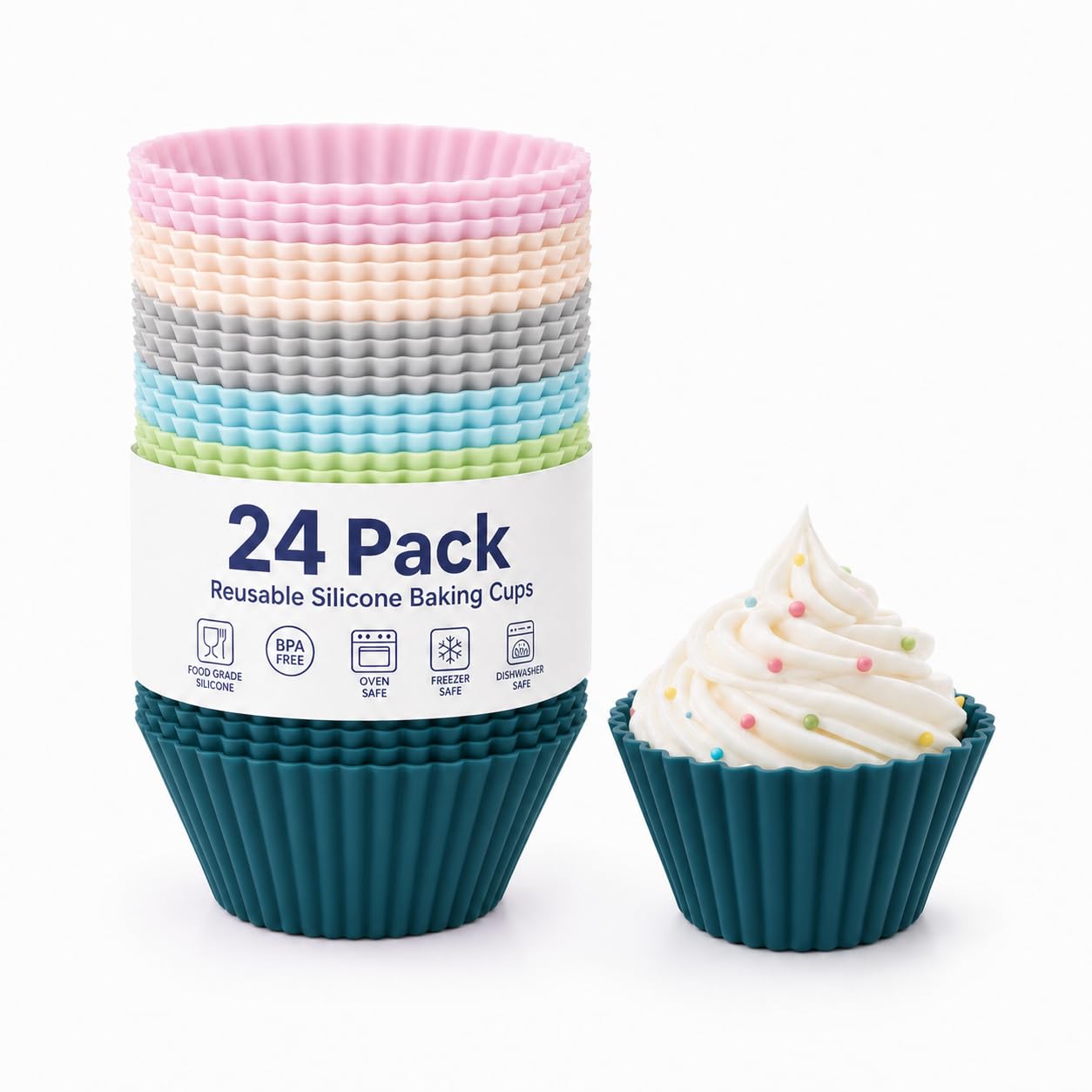
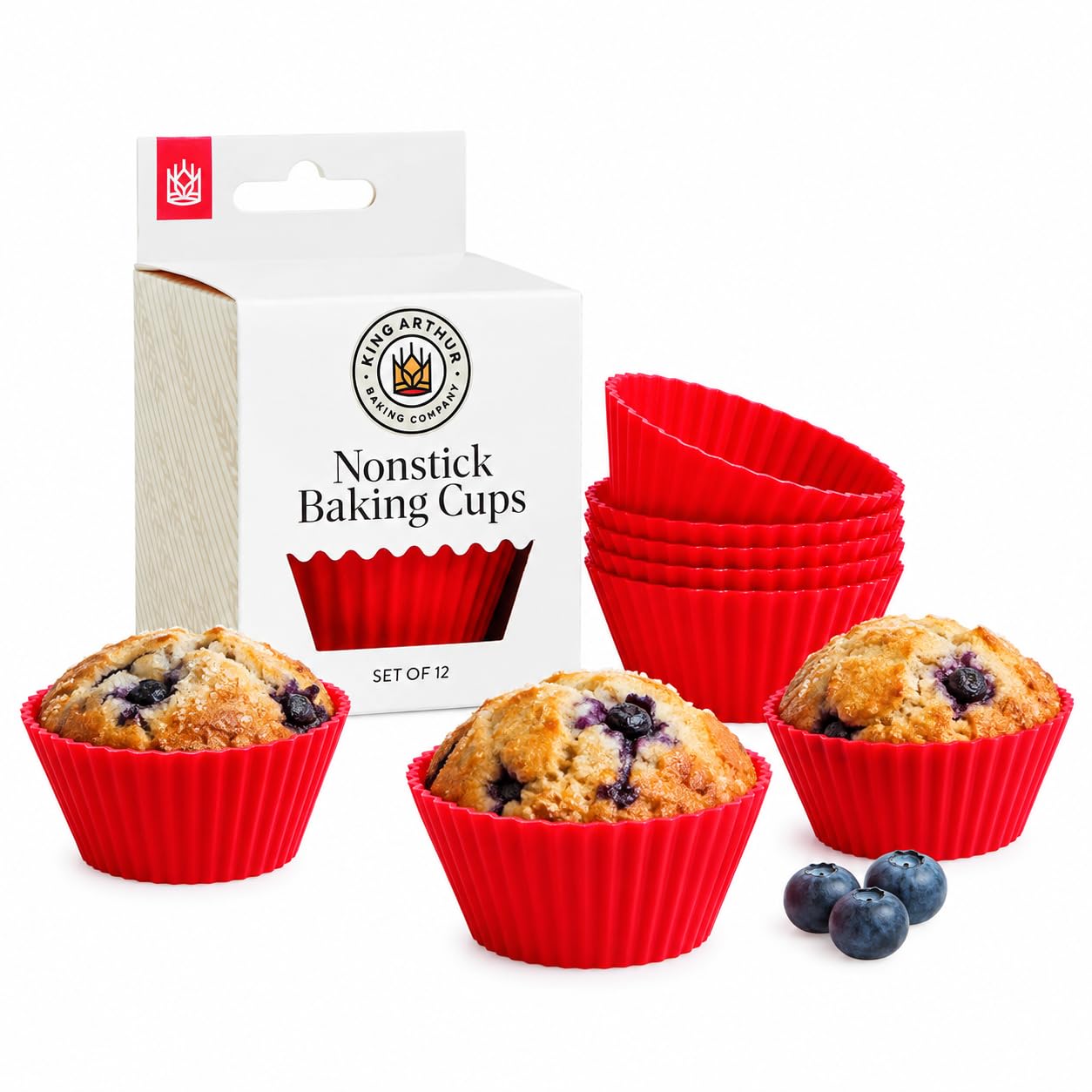
Paper cups are light, cheap, and widely available, but quality varies a lot. Grease resistant paper helps rich batters release cleanly, while plain thin paper may soak through. Foil cups resist grease well and hold their shape, which suits wet batters and display. Silicone cups release very well and can be reused, though they may feel soft when you lift a full cup from the pan.
Size and Pan Fit
Size is the factor most buyers get wrong. A cup that is too tall will fold over the pan rim, and one that is too narrow will slide around and bake unevenly. Check the base diameter and the height, not just the label name, since names vary between makers. When in doubt, buy a small pack first and try it in your own pan.
Heat Tolerance and Oven Safety
Most baking cups suit normal cake and muffin temperatures, but limits still matter. Follow the maker guidance for maximum heat, and never place paper cups directly on an oven rack without a pan. Foil cups handle heat well, while silicone cups need the stated limit checked before use at high heat. Keep cups away from direct flame and heating elements.
Ease of Use and Cleanup
Paper and foil cups need no washing, which suits busy bakers and large batches. Silicone cups need washing and drying, but they save repeat purchases over time. Consider storage too, since paper cups crush easily if they are stacked under heavy items. A sturdy box or container keeps them in good shape.
Durability and Long Term Cost
Cheap cups can cost more in the long run if they tear, stick, or ruin a batch. A slightly stronger cup that releases cleanly is often better value than the lowest priced pack. For silicone cups, judge value by how often you bake and how well the cups keep their shape after washing. Replace any cup that cracks, warps, or holds odors.
Types of Baking Cups Compared
The main choice is between paper, foil, and silicone, and each type suits a different baking style. Paper suits everyday baking and large batches. Foil suits rich batters and presentation. Silicone suits repeat baking and easy release, and the table below sums up the trade offs in one place.
| Type | Best For | Strengths | Drawbacks |
|---|---|---|---|
| Paper | Everyday muffins and cupcakes | Low cost, wide choice | Can soak through with rich batter |
| Foil | Wet batter and display | Strong shape, grease resistant | Costs more per cup |
| Silicone | Repeat small batches | Reusable, easy release | Needs washing, can feel soft |
Spending Levels That Make Sense
Everyday Value Packs
Value packs suit regular baking when appearance matters less than function. Look for grease resistant paper and a size that matches your pan. A large pack lowers the cost per bake, but only if you store the cups dry and use them before they go stale. Avoid packs with vague size labels.
Mid Priced Cups for Better Finish
Mid priced cups often offer stronger paper, better grease resistance, or nicer patterns. They suit bakers who serve guests or sell at a small scale. Spend a little more when you bake rich batters, since a failed release wastes ingredients and time. Try one pack before buying in bulk.
Premium and Reusable Choices
Premium choices include thick foil cups and well made silicone cups. They suit bakers who want a polished look or who bake often enough to justify reuse. Judge silicone by wall thickness, shape retention, and ease of cleaning rather than color alone. A premium cup should solve a real problem, not just look fancy.
Common Mistakes to Avoid
- Buying by label name alone without checking base diameter and height, which leads to cups that do not fit the pan.
- Using thin paper cups for very buttery batter, which can soak through and stick to the cake.
- Overfilling cups, which causes batter to spill over the rim and bake onto the pan.
- Placing paper cups on a flat tray instead of in a muffin pan, which lets them spread and lose shape.
- Storing cups in a damp spot, which softens paper and can affect the bake.
Care, Storage, and Safety Tips
Store paper and foil cups in a cool, dry place away from steam and strong odors. Keep them in their box or a sealed container so they stay crisp and clean. For silicone cups, wash them after each use, dry them fully, and check for cracks or warping before reuse.
Never leave a hot oven unattended, and follow the manufacturer's instructions for heat limits and pan use. Keep small items and packaging away from children, and let baked goods cool before handling cups that are still hot. If a cup shows damage or a strange smell after washing, replace it rather than risking a ruined batch.
When you compare related kitchen gear, see our guide to best baking dishes for pan sizes that pair well with standard cups. For heat control basics, read best ovens for baking. If you mix large batches by hand, our guide to best mixers for baking covers capacity and speed choices that affect batter texture.
Baking Cups: Your Questions Answered
How much should I spend on a baking cup?
Most home bakers do well with value or mid priced packs, which usually cost about $5 to $15 for a useful quantity. The right spend depends on how often you bake and whether you need a decorative finish. Rich batters justify a stronger cup, while plain weekday muffins do not. Buying a small pack first avoids wasting money on a large pack that does not fit your pan.
What features matter most when buying baking cups?
Size fit, grease resistance, and release matter more than color or pattern. A cup that matches your pan and releases cleanly will beat a pretty cup that sticks. Material choice comes next, since foil resists grease better and silicone suits reuse. Heat tolerance and storage also matter, because cups that crush or soften before baking cause avoidable failures.
Are expensive baking cups worth it?
Expensive cups are worth it when they solve a real problem, such as a wet batter that sticks or a display bake that needs a clean finish. For everyday muffins, a good value cup often performs just as well. Pay more for stronger paper, foil strength, or durable silicone, not for packaging alone. Try one pack and compare release and shape before committing to a large order.
How long does a baking cup last?
Paper and foil cups are single use, so their life ends with one bake. Silicone cups can last for many bakes if they are washed gently and stored flat. Heat damage, warping, and lingering odors are signs that a reusable cup should be retired. Paper cups also have a shelf life in practice, since damp or crushed cups perform poorly even before they expire.
How do I maintain a baking cup?
Single use cups need no maintenance beyond dry, careful storage away from damp and heavy items. Silicone cups need washing in warm soapy water, full drying, and a check for cracks before reuse. Avoid harsh scrubbing that can roughen the surface and make future release harder. Store reusable cups where they keep their shape, and discard any that warp or hold strong odors.
Final Thoughts
Start with pan fit, then choose a material that suits your batter and your plans for serving. Grease resistant paper covers most everyday baking, foil suits rich batters and display, and silicone suits repeat small batches. Spend more only when a stronger cup or a reusable design solves a real problem in your kitchen. Check size labels carefully, try a small pack first, and store your cups dry, then use the product table as a final checklist when you pick the best baking cups with confidence.