Best Aluminum Sheet Pans Buying Guide for Bakers 2026
Disclosure: We may earn a commission when you buy through links on this page, at no extra cost to you. As an Amazon Associate I earn from qualifying purchases. Learn more

A checklist for choosing the best aluminum sheet pans, from gauge and rim height to oven fit, warp resistance, coating, and care.
A good sheet pan should heat evenly, hold its shape in a hot oven, and fit your oven and your cooking style, and the best aluminum sheet pans are the ones that match those needs without extra features you will not use. Aluminum heats quickly and evenly, which helps cookies brown at a steady rate and vegetables roast without hot spots. The product table can help you compare sizes and types before you look at prices.
This guide works through a practical checklist for sheet pans only, not for full cookware sets. It covers gauge, size, rim height, coating, and care, and it explains which spending level makes sense for everyday baking, heavy roasting, and occasional use.




Who Should Buy the Best Aluminum Sheet Pans
Everyday Bakers and Cookie Makers
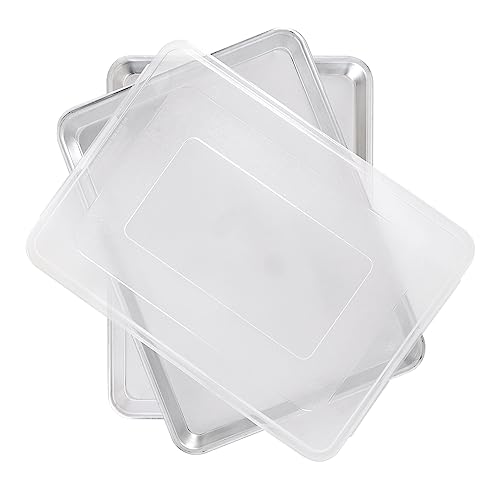
If you bake cookies, bars, and sheet cakes often, a standard half sheet pan is the most useful size for most home ovens. A rimmed pan keeps juices and melted butter contained, while a flat surface helps cookies slide off easily. Look for a pan that fits your oven with room for air to circulate on all sides, since a pan that touches the oven walls can brown unevenly.
Roasters and Sheet Pan Dinner Cooks
If you roast vegetables, chicken parts, and fish on a sheet pan, rim height and warp resistance matter more than a nonstick coating. A taller rim, about 1 inch, holds juices and prevents spills when you move a loaded pan. A heavier gauge pan resists warping when it goes from a hot oven to a cooler counter.
Small Kitchens and Occasional Bakers
If you bake rarely or have a small oven, a quarter sheet pan may be the better buy. It fits toaster ovens and compact ovens, and it works well for small batches, reheating, and prep work. A single well chosen pan often serves a small kitchen better than a large set, since you can add a second size later once you know which size you reach for most.
Key Features to Compare
Gauge and Material Quality
Gauge describes how thick the aluminum is, and it affects both heat distribution and warp resistance. A heavier gauge, often listed as 18 gauge, feels sturdy and resists bending, while a thinner pan may warp and pop in a hot oven. Bare aluminum heats quickly and browns well, and it suits most baking and roasting tasks.
Size and Oven Fit
Sheet pan sizes use names that can confuse buyers, so measure before you buy. A half sheet pan is about 18 inches by 13 inches, while a quarter sheet pan is about 13 inches by 9 inches, and a full sheet pan is too large for most home ovens. Measure the inside of your oven, then leave at least 1 inch of space on each side for air flow.
Rim Height and Shape
Rim height shapes what a sheet pan can do. A low rim suits cookies and flatbreads, since it lets air flow across the surface and makes removal easy. A taller rim suits roasting and foods with juices, since it contains liquid and keeps food from sliding off. Rolled rims add strength and give you a safer grip with oven mitts.
Coating: Bare, Nonstick, and Textured Surfaces
Bare aluminum is the most versatile choice, since it handles high heat, browns well, and works with parchment paper for easy release. A nonstick coating helps with sticky foods and easy cleanup, but it may limit the maximum oven temperature and wear faster with metal utensils. Choose the coating based on what you cook most, not on a claim that one surface suits every task.
Warp Resistance and Oven Safe Temperature
Warping happens when a thin pan expands unevenly in heat, and it can cause oil to pool on one side and food to cook unevenly. A heavier gauge pan and a reinforced rim both reduce warping. Check the maker stated oven safe temperature before you buy, since some coated pans have lower limits than bare aluminum.
Cleaning and Long Term Care
Aluminum sheet pans stain and discolor with use, and that discoloration does not affect cooking performance. Hand washing with mild soap usually keeps the surface in better shape than harsh scrubbing, and parchment paper reduces stuck food. Dry the pan fully before storage to avoid water spots.
What to Check Before You Buy
- Does the pan fit your oven with at least 1 inch of air space on each side?
- Is the gauge stated clearly, and does the pan feel sturdy rather than flimsy?
- Does the rim height match your main use, low for cookies or taller for roasting?
- Is the oven safe temperature high enough for your recipes?
- Does the coating, if any, suit your utensils and cleaning habits?
- Can you grip the rim safely with oven mitts when the pan is loaded?
- Does the maker give clear care guidance for the surface you chose?
Spending Levels to Consider
Everyday Value for Occasional Baking
At about $10 to $20 per pan, you can expect a basic bare aluminum pan in a standard size with a rolled rim. This level suits occasional bakers and buyers who want to try a size before spending more. The pan may be thinner than premium options, so use parchment paper and avoid sudden temperature changes to reduce warping.
Midrange Quality for Regular Use
At about $20 to $35 per pan, you can expect a heavier gauge, better warp resistance, and a more consistent finish. This level suits regular bakers and roasters who use a sheet pan several times a week.
Higher Priced Pans for Heavy Roasting
Above about $35 per pan, you may get a thicker gauge, a reinforced rim, or a specialty coating designed for heavy use. This level suits cooks who roast at high heat often or who want a pan that holds its shape for years.
Red Flags to Watch For
- Vague material claims with no gauge, size, or oven safe temperature listed.
- A very thin pan that flexes easily when you press the center.
- A coating that promises high heat use without a clear temperature limit.
- A size name with no actual dimensions, which can hide a poor oven fit.
- A warranty that covers almost nothing, or care guidance that contradicts the coating claims.
Setup and Care Tips
Before first use, wash the pan with mild soap, dry it fully, and check the fit in your oven while it is cool. Line the pan with parchment paper for sticky foods, and avoid metal utensils on nonstick surfaces. Preheat the oven fully before the pan goes in, and rotate the pan once during baking if your oven has hot spots.
Let the pan cool on a rack, then wash it by hand and dry it before storage. Follow maker guidance for cleaning, and never leave hot items unattended in the oven.
Sheet pans are only one part of a kitchen, so compare them with related pan types before you settle on a set. For egg dishes, see our guide to best omelet pans for shapes that suit folding and sliding. For thin batters, see our guide to best crepe pans for low sides and even heat. For layered baked dishes, see our guide to best lasagna pans for deeper sides and larger capacities.
Frequently Asked Questions
Can aluminum sheet pans go in the oven?
Yes, aluminum sheet pans are made for oven use, but you should check the maker stated oven safe temperature for your specific pan. Bare aluminum usually handles standard baking and roasting temperatures, while some nonstick coatings have lower limits. A pan that is too large for your oven can block air flow and brown unevenly, so measure first.
How long does a nonstick sheet pan coating last?
A nonstick coating on a sheet pan often lasts a few years with regular use, though the exact lifespan depends on heat, utensils, and cleaning habits. Metal utensils, high heat, and harsh scrubbing wear the coating faster, while silicone or wooden utensils and hand washing help it last longer. Once the coating flakes or food starts sticking badly, replace the pan rather than continuing to use a damaged surface. Bare aluminum pans usually last longer than coated pans.
Is it better to buy a sheet pan set or individual pans?
Buying individual pans is often better if you already know which size you use most, since a set may include sizes you rarely reach for. A set can save money if you need several sizes at once, such as a half sheet pan for baking and a quarter sheet pan for small batches. Start with one half sheet pan, then add a quarter sheet pan or a second half sheet pan once you see how you cook. This approach avoids paying for pans that stay in storage.
What sheet pan material is safest for everyday baking?
Bare aluminum is a common and practical choice for everyday baking, since it heats evenly and has no coating to wear off. Use parchment paper for sticky foods, and follow maker guidance for cleaning and maximum temperature. If you prefer a coated pan, choose one with a clear temperature limit and care instructions you can follow. Avoid pans with vague material claims, and replace any pan with a damaged coating or a warped base that no longer sits flat.
Why do foods stick to some sheet pans?
Foods stick to sheet pans when the surface is bare and dry, when sugar or protein bonds to hot metal, or when a coating has worn thin. Parchment paper or a light coating of oil usually prevents sticking on bare aluminum, while a silicone mat can help for delicate cookies. Let baked goods rest briefly before removal, since hot cookies are fragile and more likely to break.
Final Thoughts
The right sheet pan starts with size and gauge, then adds the rim height and coating that match your cooking. Measure your oven, choose a sturdy pan in the size you use most, and check the oven safe temperature before you buy. Review the product table above, compare the spending levels, and pick the pan that fits your routine rather than the largest set on offer. With that choice, the best aluminum sheet pans become a reliable tool for cookies, roasts, and sheet pan dinners alike.