Best Bakeware Sets for the Money: A Guide by Spending Level for 2026
Disclosure: We may earn a commission when you buy through links on this page, at no extra cost to you. As an Amazon Associate I earn from qualifying purchases. Learn more

Compare the best bakeware sets for the money by spending level and learn which materials, sizes, and features are worth paying for.
Prices for bakeware sets range so widely that it can be hard to know where your money actually makes a difference. Choosing best bakeware sets for the money means looking past the piece count and asking which materials, sizes, and finishes will serve your cooking week after week. This guide compares spending levels, explains which upgrades are worth paying for, and flags where a lower price is perfectly sensible. The product table below lets you compare sets, and the sections that follow help you spend with confidence.
A good set is not the one with the most pieces, but the one whose pans match the food you actually bake. If you mostly make sheet pan dinners and cookies, a sturdy sheet pan and a reliable cake pan matter more than a long list of specialty shapes. If you bake bread, casseroles, and muffins often, size variety and heat handling matter more. Keep your oven size, your storage space, and your cooking habits in mind, and let those needs guide the budget, not the other way around.




Who Should Buy Which Bakeware Set?
New Bakers and First Kitchens
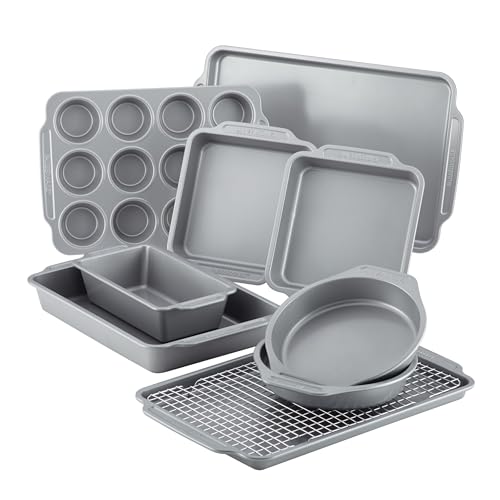
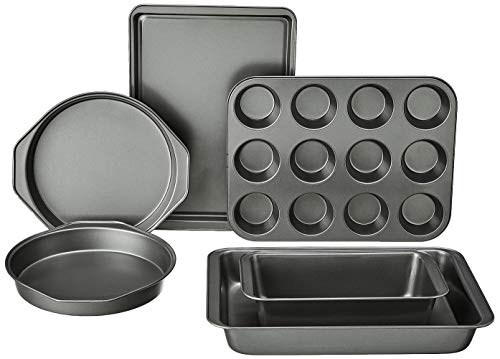
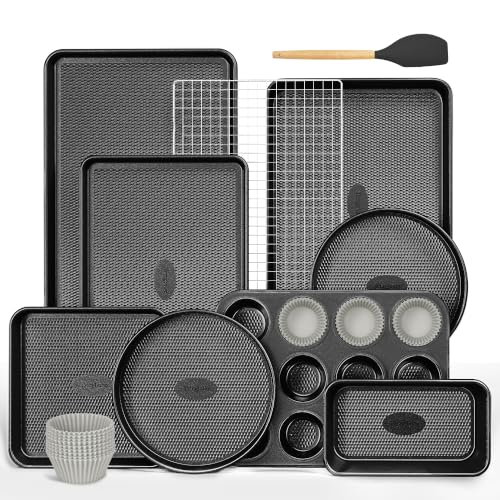
If you are setting up a first kitchen or learning to bake, a modest set with a sheet pan, a cake pan, a loaf pan, and a muffin pan covers most recipes. You do not need every specialty shape at the start, and a smaller set is easier to store and learn with. Look for pans that sit flat, release food well, and clean up without a long soak. A simple set also makes it easier to learn how your oven heats, which improves results more than an extra pan ever will.
Regular Home Bakers
If you bake weekly, durability and even heating move to the top of the list. Heavier gauge pans resist warping, hold heat more evenly, and survive frequent use without bending out of shape. You may want a second sheet pan for batch baking, plus a casserole dish for savory meals. A set that lasts through years of regular use usually costs less per bake than a cheap set replaced often.
Occasional Bakers and Gift Buyers
If you bake only a few times a year, or you are buying for someone else, value means simplicity and easy care. A smaller set with common sizes and a nonstick or easy release finish will handle holiday cookies and the odd cake without fuss. Avoid sets with many narrow use pieces that will sit unused, since they take up storage and add cost without benefit. Focus on pans that wash easily and stack neatly, and keep the maker guidance for oven temperature limits in mind.
What the Best Bakeware Sets for the Money Offer at Each Price Tier
Lower Spending: What to Expect
At a lower spending level, around $30 to $70, you can expect lighter gauge metal, basic nonstick coatings, and a practical range of common sizes. These sets bake well for everyday cookies, cakes, and roasts, though thinner pans may warp slightly at high heat and coatings may wear sooner with heavy use. This tier suits new bakers and occasional bakers who want a complete starter set without a large outlay.
Middle Spending: Strong Value for Most Kitchens
In the middle range, about $70 to $150, you usually gain heavier gauge construction, better heat distribution, and more durable finishes. Pans in this range resist warping better, brown more evenly, and often include thoughtful details such as reinforced rims and comfortable grips. This is the sweet spot for most home bakers, because the improvement in everyday results is easy to notice. If you bake weekly, the extra cost often pays for itself in longer life and more consistent results.
Higher Spending: When Extra Cost Makes Sense
Above about $150, you pay for premium materials, refined construction, and sometimes specialty pieces or matching storage. The gains are real, such as very even heating and excellent durability, but they are smaller than the jump from lower to middle spending. Before spending more, check that the sizes match your oven and your recipes, since a premium set in the wrong sizes is still a poor fit.
Features Worth Paying For (and Ones to Skip)
Intended Use and Who It Is For
Start by matching the set to your cooking, not to a generic list of pieces. A baker who makes sheet pan meals needs sturdy, flat sheet pans, while a bread baker needs a reliable loaf pan and a casserole dish. Count the pieces you will actually use each month, and let that number guide your choice more than the total piece count on the box.
Material and Heat Handling
Material shapes how heat reaches your food and how the pan ages. Aluminum heats quickly and evenly, making it a strong choice for cookies and cakes, while heavier steel adds durability and browning for roasts. Glass and ceramic hold heat well for casseroles but heat more slowly and need care with temperature changes. Compare materials by the food you bake most, not by a single claim about quality.
Warranty and Customer Support
A clear warranty signals that the maker stands behind the construction, especially for warping and coating defects. Read what the warranty covers and for how long, since terms vary widely between budget and premium sets. Support also matters when a lid, handle, or coating fails, because a quick replacement keeps the set useful. A longer warranty is worth paying for when you bake often, but it should not outweigh a poor fit in size or material for your kitchen.
Safety and Certifications
Safety starts with following the manufacturer's instructions for maximum oven temperature, safe utensils, and cleaning methods. Nonstick coatings should be used within their stated limits, and damaged coatings should be retired rather than kept in service. Handles should stay cool enough to grip safely where the maker claims that benefit, and pans should sit flat to avoid tipping in the oven. Keep small parts away from children, and never leave hot items unattended, since an oven full of hot pans needs attention even for a short bake.
What You Can Realistically Get on a Budget
On a budget, expect solid everyday performance with a few sensible trade offs. You may get thinner metal, simpler finishes, and fewer specialty pieces, but the core pans should still bake evenly for common recipes. Do not skimp on a flat, sturdy sheet pan, since warping affects cookies and roasts more than any other flaw. For a related comparison of well made sets, see our guide to best quality bakeware sets alongside the spending tiers above.
Long Term Costs to Factor In
The price on the box is only part of the total cost of a bakeware set. Replacement pans, new liners, and extra storage add up, especially if thin pans warp or coatings wear quickly. Factor in cleaning time too, since a set that needs long soaking or special care costs you effort every week. A set that lasts longer and cleans easily often costs less over five years than a cheaper set replaced twice.
Frequently Asked Questions
How long does a bakeware set last?
A bakeware set can last from about three years to well over a decade, depending on material, use, and care. Heavier gauge pans with durable finishes usually last longer, especially when they are not exposed to very high heat or harsh cleaning. Signs of replacement include warping, flaking coatings, and pans that no longer sit flat. Gentle utensils, hand washing where advised, and proper storage all extend life noticeably.
What features matter most when buying bakeware sets?
The features that matter most are gauge and material, size variety, even heating, and easy release and cleaning. A pan that heats evenly and holds its shape will improve results across many recipes, while a poor fit in size can ruin an otherwise good bake. Warranty and rim construction come next, because they affect durability and handling. Piece count matters least, since unused specialty pans add cost without improving your everyday baking.
Are expensive bakeware sets worth it?
Expensive sets are worth it when you bake often and want very even heating, strong durability, and refined details that hold up over years. For occasional bakers, the difference over a good mid range set is often small and hard to notice in everyday recipes. The value of a premium set shows most in frequent use, where consistent browning and resistance to warping save time and frustration. Match the spending level to your baking frequency, not to a prestige claim.
How do I maintain a bakeware set?
Maintain a set by cooling pans before washing, avoiding harsh abrasives where the maker advises against them, and drying pans fully before stacking. Store pans with liners or cloth between them to protect coatings, and keep them in a dry place to prevent rust on uncoated edges. Check rims and handles now and then for looseness, and retire any pan with a damaged coating. Simple routine care keeps a set performing well far longer than aggressive cleaning ever will.
How much should I spend on a bakeware set?
Most home bakers do well in the range of about $70 to $150, where heavier construction and better finishes deliver clear value. New bakers can start lower, around $30 to $70, and upgrade the pans they use most once they know their habits. Dedicated bakers who bake weekly may justify spending above $150 for durability and precision. Start with the pans you use every week, and let your baking frequency set the budget.
Final Thoughts
Good value in bakeware comes from matching material, size, and construction to the food you actually bake, not from chasing the largest piece count. A mid range set often gives the best balance of even heating, durability, and price for regular home bakers, while a simpler set suits new and occasional bakers well. Use the product table near the top to compare spending levels, check oven fit and maker temperature limits, and choose the set you will reach for again and again. With that approach, best bakeware sets for the money becomes a practical choice, not a guess.