Best Bagless Canister Vacuums 2026 Buying Guide Tips
Disclosure: We may earn a commission when you buy through links on this page, at no extra cost to you. As an Amazon Associate I earn from qualifying purchases. Learn more

Shopping for bagless canister vacuums? Compare dust capacity, filtration, floor tools, and cord reach to find a model that fits your home and cleaning routine.
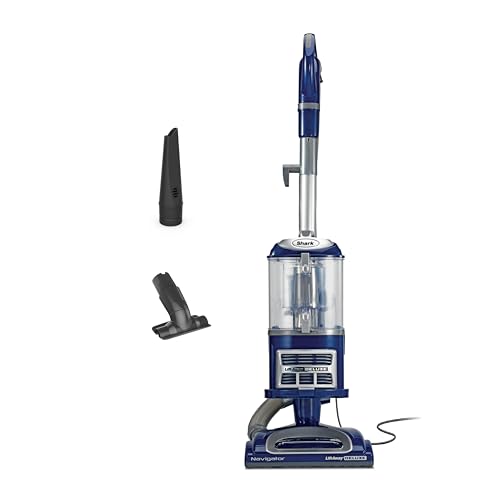
Choosing the best bagless canister vacuums starts with how your home is laid out and what you clean most often. A canister body that follows behind you, paired with a separate cleaning head, suits homes with stairs, mixed floors, and furniture that needs a wand to reach under it. The comparison table below lays out the main types side by side so you can weigh capacity, weight, and tool sets before you spend.
Bagless models remove the running cost of replacement bags, but they ask for a different routine. You empty a dust bin instead of swapping a bag, and you wash or replace filters on a schedule. That trade works well when the bin is easy to empty without a dust cloud and the filters are simple to reach. The rest of this guide walks through the features that matter most, room by room.



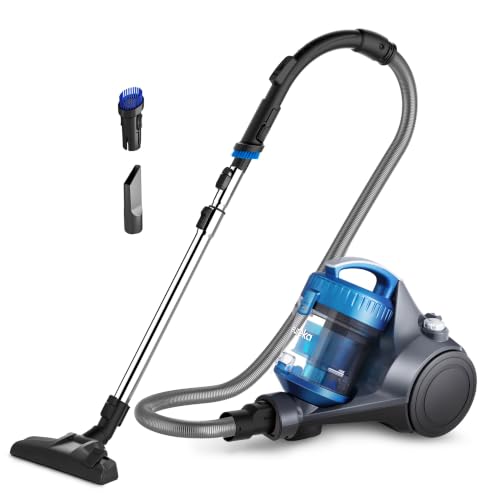
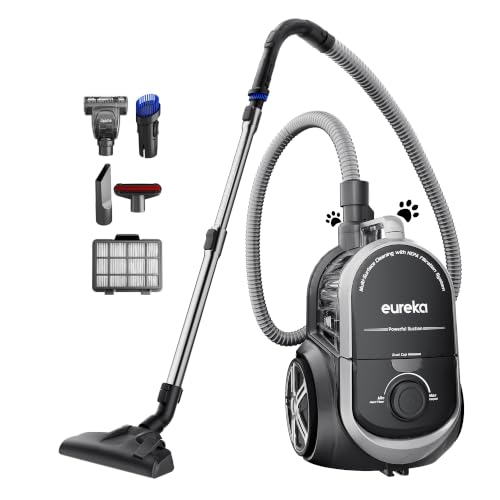
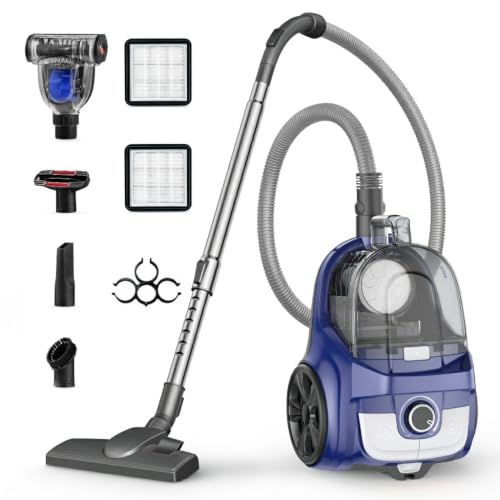
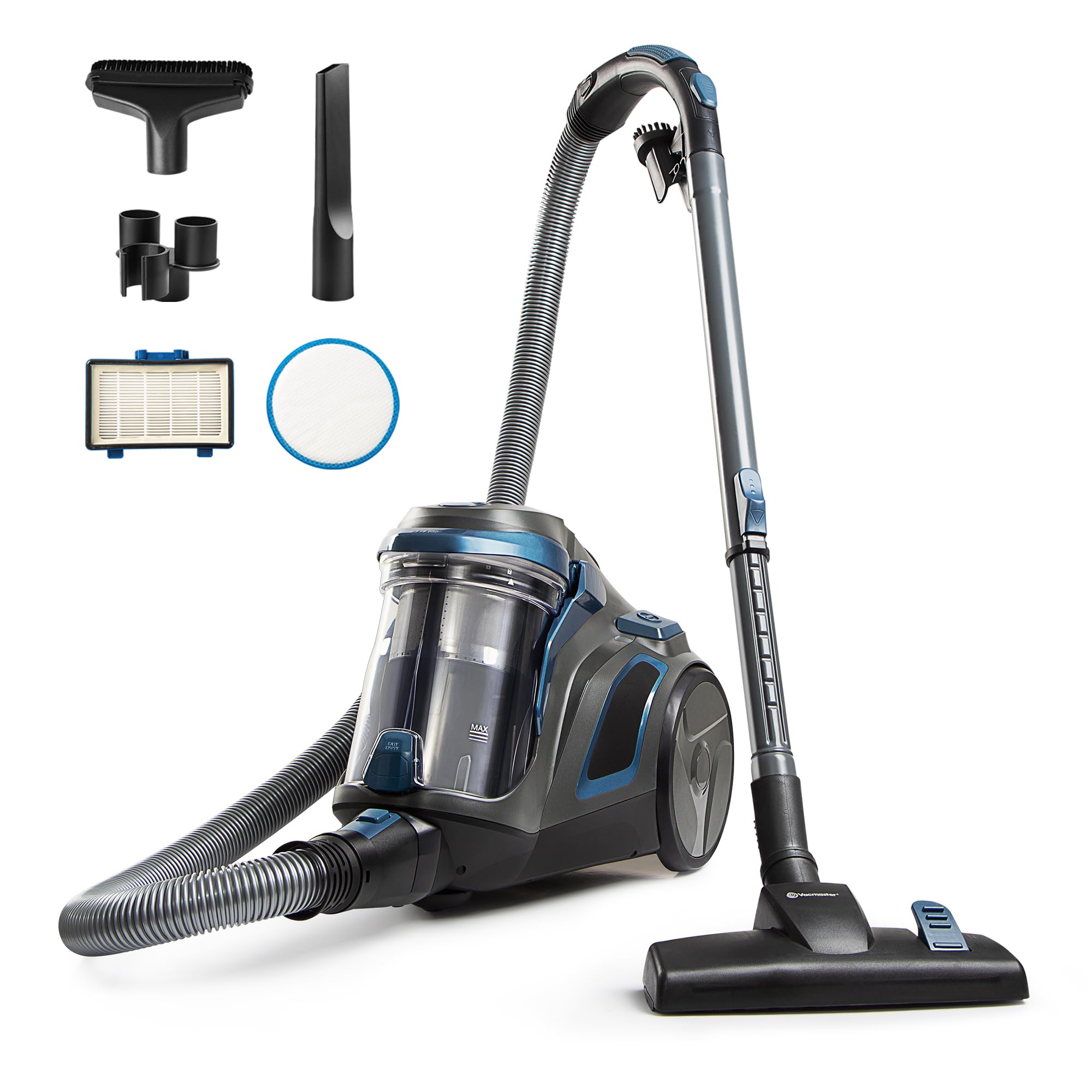
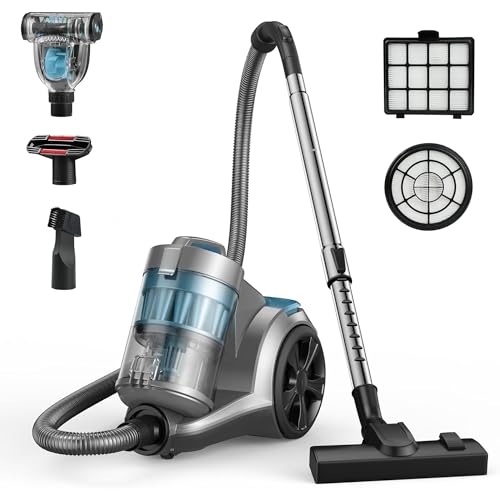
How a Canister Layout Changes Cleaning
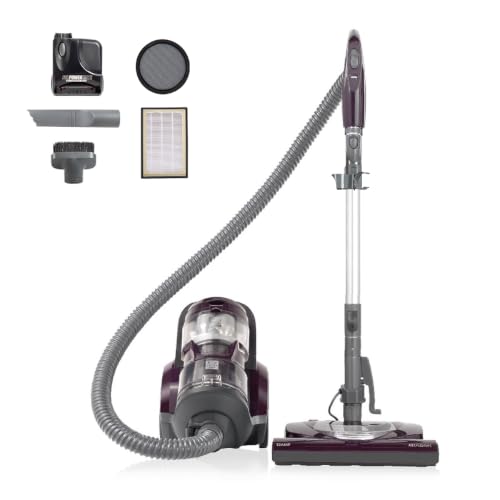
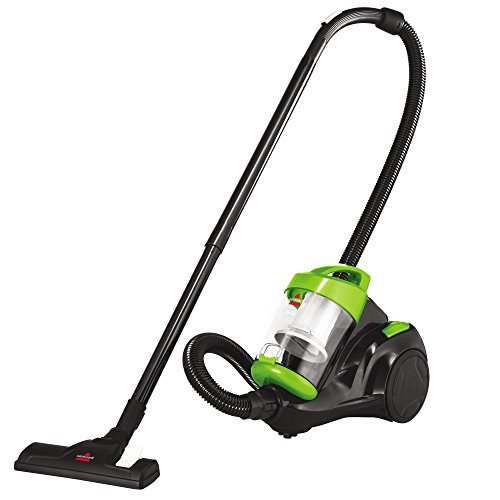
A canister vacuum splits the work between a wheeled body and a cleaning head joined by a hose. That split keeps the heavy part on the floor while your hand guides only a light wand, which helps on stairs and under low furniture. It also lets you swap heads for different jobs, from a powered brush for carpet to a slim hard floor tool for kitchens.
The trade is storage and setup. A canister plus hose plus wand takes more closet space than an upright that stands in a corner, and you assemble the wand each time you clean. If your home is mostly one level with open floors, that setup time is small. If you clean in short bursts between other tasks, consider how quickly the parts connect and park.
Dust Capacity and Emptying Without a Mess
Bagless canister bins usually hold between about one and two quarts, which suits weekly cleaning in a small to medium home. Larger homes or homes with pets fill a bin faster, so a bigger bin means fewer trips to the trash during a session. Check whether the bin detaches with one hand and whether the lid opens from the bottom, since bottom empty designs drop debris straight into the bin liner.
Empty the bin outdoors or over a trash can when you can, and tap the shroud filter gently to release trapped dust. A bin that seals well when closed keeps fine dust inside during storage too. If anyone in the home has dust sensitivity, look for a sealed system and a filter rated to trap fine particles, and empty the bin before it reaches the marked maximum line.
Filtration and Air Quality
Filtration matters most in bedrooms and in homes where dust triggers sneezing. A sealed system routes all exhaust air through the filter instead of letting it leak through body seams, and that design detail matters more than a filter label alone. Washable filters cut running costs, but they must dry fully before refitting or they can smell musty and restrict airflow.
Plan a simple filter routine: rinse washable filters on the schedule in the manual, keep a spare set so one can dry while the other works, and replace non washable filters when suction at the head drops even after the bin is emptied. Note the filter locations before you buy, because a filter hidden behind tools or screws is easy to neglect.
Floor Heads and Tools That Earn Their Place
The floor head decides how well the vacuum cleans each surface. A powered brush head lifts embedded dirt from carpet, while a plain suction head glides over hard floors without scattering crumbs. Some models include both or a combination head with a retractable brush strip, which suits mixed floor homes and avoids a head swap at every doorway.
Beyond the main head, a crevice tool, an upholstery tool, and a dusting brush cover most household jobs. A turbo brush helps on stairs and pet beds where a full size head cannot fit. Store tools on the body or on the wand if you can, since tools kept in a separate bag tend to stay in the closet when you need them.
Cord Reach, Weight, and Stairs
Cord length sets how far you can clean from one outlet, and canister models often offer a longer reach than stick models. Measure your longest room run and count the outlets you would rather not switch between, then compare that distance with the stated operating radius, which combines cord and hose length. Automatic cord rewind keeps storage tidy and protects the cord from kinks.
Body weight matters when you carry the canister up stairs or lift it over thresholds. A body around ten to fifteen pounds is manageable for most adults, while heavier bodies suit homes where the vacuum mostly stays on one floor. Large rear wheels roll over rug edges and door bars more easily than small casters, so wheel size is worth checking in person when possible.
Noise, Maintenance, and Long Term Costs
Canister vacuums vary in noise, and the stated decibel figure only tells part of the story because pitch matters too. A lower pitched hum feels less tiring during a long session than a high whine at the same volume. If you clean while others sleep or work from home, test the machine at its normal setting rather than its quiet mode, since quiet modes often cut suction as well.
Long term costs come from filters, belts on powered heads, and replacement hoses. Bagless running costs stay low when filters are washable and spares are easy to order. Before you buy, check that the brush head belt and the hose are sold as spare parts, because a model with no parts support becomes hard to keep running after a few years of regular use.
If you want to compare the wider bagless range first, our guide to best bagless vacuums sets out the main types. For a head to head on body styles, see best upright and canister vacuums. Small homes may suit best small canister vacuums, while anyone who carries the body upstairs often should read best lightweight bagless vacuums. Fans of one long standing brand can also browse best hoover canister vacuums.
A Final Check Before You Order
Before ordering, measure the storage spot for the canister body plus hose and wand, since a canister that does not fit its closet ends up living in a hallway. Check the operating radius against your longest room run, and confirm that spare filters, bin seals, and brush belts are sold for the model you are considering. A quick look at the manual online also shows how the bin detaches and where filters sit, which predicts how pleasant emptying and maintenance will feel week after week.
Think about who else cleans in the household, since a canister that one person finds easy to carry may feel heavy to another. Handles, wheel size, and cord rewind behavior all affect daily ease, and a model with a parking position for the wand keeps hallways tidy between rooms. If pets live in the home, a turbo brush and a washable filter set matter more than extra tools that rarely leave the box, so prioritize the parts you will actually use.
Frequently Asked Questions
Do bagless canister vacuums work well on both carpet and hard floors?
Yes, when the floor head matches the surface. A powered brush head agitates carpet pile and lifts embedded dirt, while a suction only head or a retracted brush strip glides over hard floors without scattering debris. Combination heads handle mixed floor homes well, though a dedicated head for each surface cleans slightly better. Match the head set to the floors you clean most, and keep the brush strip clean so hair does not wrap and slow the roller.
How often should I empty a bagless canister bin?
Empty the bin when debris reaches the marked maximum line, and sooner if suction drops or the motor sounds strained. Most households empty after every full cleaning session or every second session, depending on home size and pets. Letting the bin overfill restricts airflow and pushes dust into the filter, which shortens filter life. A quick empty after each session keeps suction steady and makes the job feel lighter next time.
Are bagless canister vacuums good for pet hair?
They can be, provided the brush head resists hair wrap and the bin empties cleanly. A turbo brush or a powered head with a tangle resistant roller handles pet beds and stairs well, and a larger bin means fewer stops during shedding season. Washable filters help because pet dander loads filters faster. Clean the brush roller weekly during heavy shedding so wrapped hair does not strain the belt or the motor.
What is the difference between a canister and an upright vacuum?
A canister separates the motor body from the cleaning head, so you guide a light wand while the body follows on wheels. An upright keeps motor and head in one unit that you push as a whole. Canisters suit stairs, under furniture cleaning, and mixed floor homes, while uprights suit large open carpeted rooms and quick storage. Choose by your floor plan and how often you clean stairs or tight spaces.
How do I keep a bagless canister vacuum smelling fresh?
Empty the bin after each session, wash filters on schedule, and let them dry fully before refitting. Wipe the bin interior with a damp cloth now and then, and check the hose for trapped debris that can smell over time. Baking soda sprinkled on carpet before vacuuming can freshen rooms, but avoid fine powders that clog filters. Replace filters that still smell after washing, since trapped odor usually means the filter media is worn.
Final Thoughts
The right bagless canister vacuum fits your floors, your stairs, and your tolerance for maintenance. Capacity, filtration, and the head set matter more than headline suction figures, and a model with washable filters and available spares stays cheap to run for years. Use the product table above to compare the types side by side, then choose the combination of bin size, cord reach, and tools that matches how you actually clean. The best bagless canister vacuums are the ones that make a full home clean feel straightforward rather than a chore.