Best Bagger Speakers: Which One Fits the Way You Use It for 2026?
Disclosure: We may earn a commission when you buy through links on this page, at no extra cost to you. As an Amazon Associate I earn from qualifying purchases. Learn more

Pick bagger speakers for a touring motorcycle by fit, clarity over wind noise, weather resistance, and power handling.
Bagger speakers live a hard life. They sit in the lids or fairings of touring motorcycles, where wind, road noise, vibration, and weather all fight the music at once. A speaker that sounds rich in a showroom can vanish at highway speed if it lacks power handling and the right tuning. There is no single winner for every rider, so this guide to the best bagger speakers starts with how you actually ride.
Use the comparison table below to spot the styles that fit your bike and your miles, then work through the feature checks that decide what you will hear at 70 mph.
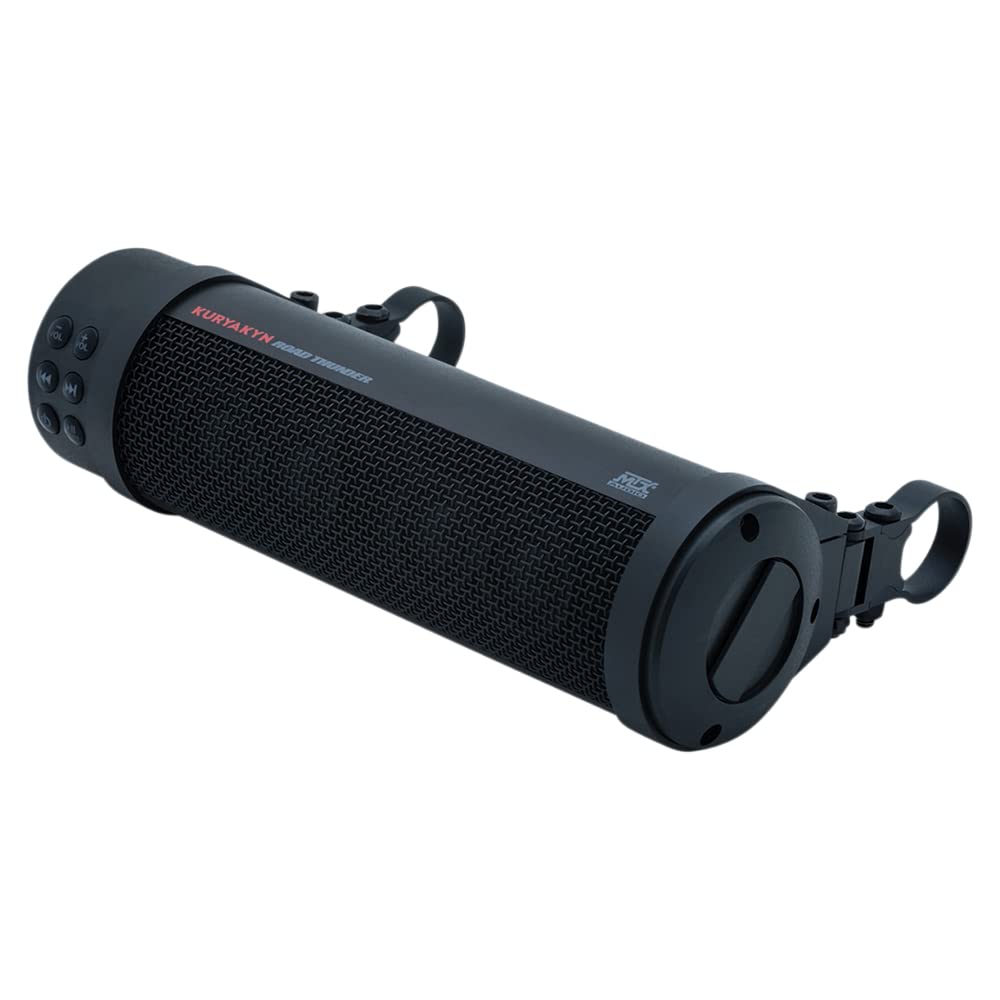


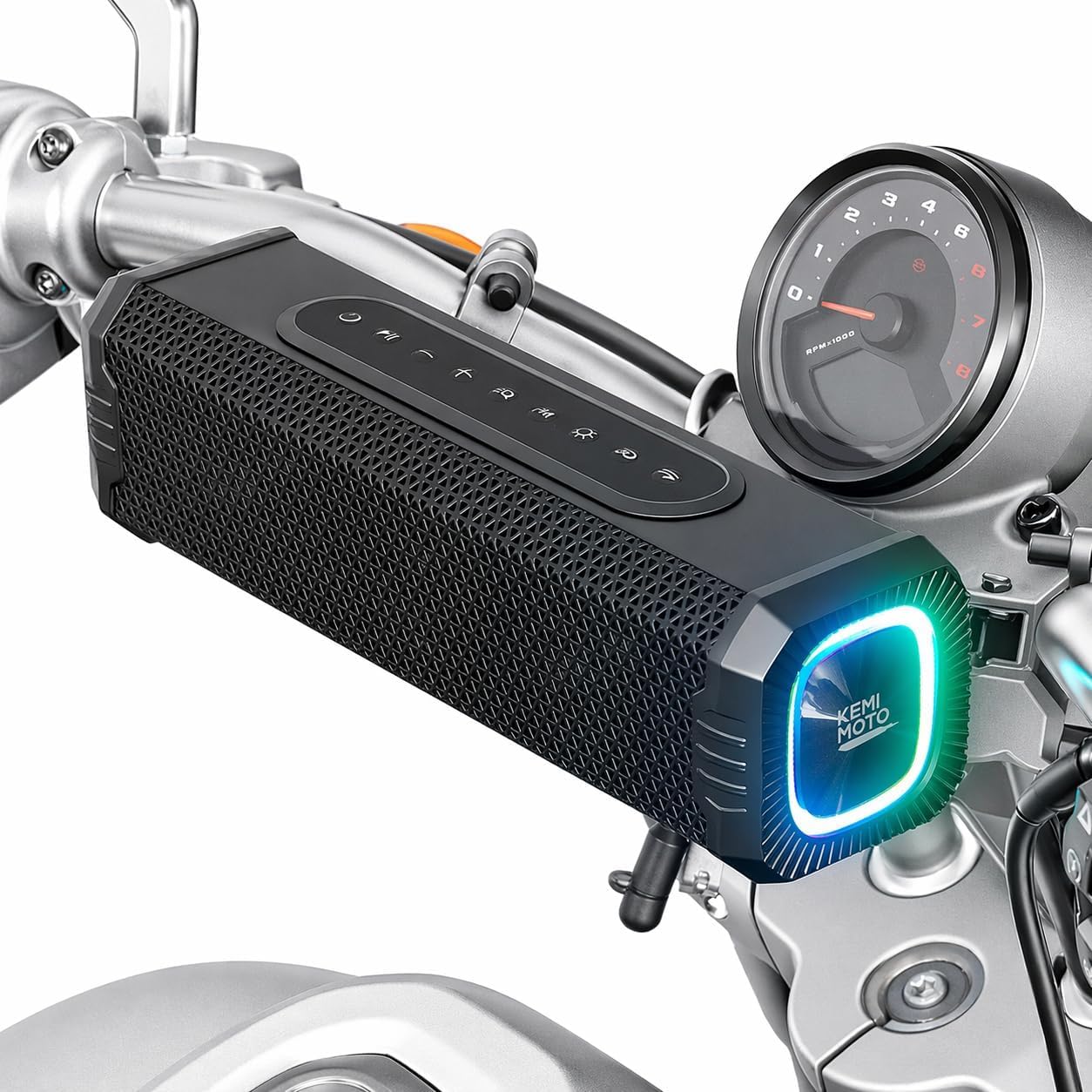
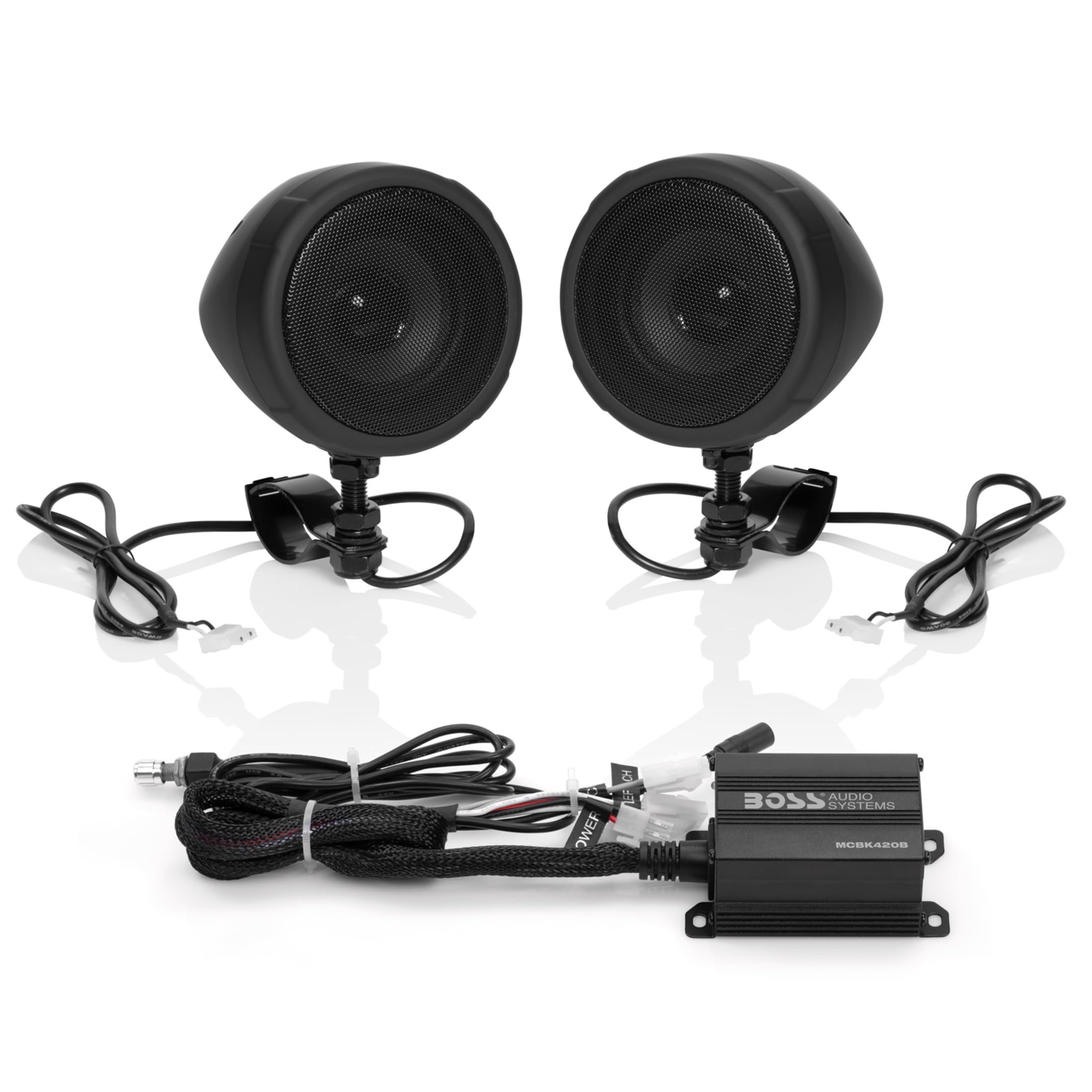


Who Should Buy Which Bagger Speakers?
For Daily Riders and Everyday Users
Daily riders need reliability more than spectacle. Look for weather resistant cones, solid mounting hardware, and sound that stays clear at city and highway speeds without distortion. A simple two speaker setup with a modest amplifier often beats a larger system that strains the bike electrical system. Choose sensitivity ratings that make good volume from moderate power, since daily bikes may not carry a big amp. Dependable wiring and a fair warranty matter more than show finishes.
For Travelers and Long Distance Tourers
Tourers spend hours at speed, so clarity under wind noise and durability come first. Prioritize speakers with strong midrange output, because voices and most instruments live there and cut through road roar best. Water resistance is essential, since a tour will find rain eventually. Saddlebag lid speakers plus fairing speakers spread sound around the rider instead of forcing one pair to do everything. Comfort volume without cranking to maximum also protects your hearing on long days.
For Riders Who Carry a Passenger
A passenger sits behind the rider wind bubble and hears a different mix. If you ride two up often, rear or lid mounted speakers aimed at both seats make a real difference, and a system with a separate rear level control helps you balance the sound. Check that speaker grills and mounts do not crowd the passenger leg space or interfere with the bags opening. Clear sound at moderate volume matters more here than peak loudness contests in a parking lot.
For Power Users Building a Full System
Riders building a full system should think in stages: speakers, amplifier, and source unit that all match. High power handling speakers only shine with an amplifier that can feed them clean power, and an undersized amp driven hard will distort and can damage speakers. Plan speaker sizes around your fairing and lid openings, and budget for quality wiring and fusing. A staged build with matched parts beats a pile of powerful parts that were never designed to work together.
Key Features to Compare
Compatibility and System Features
Start with fit and compatibility. Confirm the speaker diameter and depth match your fairing or saddlebag lid cutouts, and check whether adapters or new lids are part of the real cost. If your bike head unit offers app based equalizer control or firmware updates, a matching system makes tuning far easier. Bluetooth versions matter for stable phone connections, and multipoint pairing helps if you switch between a phone and a navigation unit. A system that fits cleanly and tunes easily will sound better in real life than a louder system installed poorly.
Riders comparing wireless options can also see our guide to the best bt speakers for general Bluetooth pairing background.
Clarity Over Wind and Road Noise
Bagger speakers have no noise canceling trick to hide behind, so raw clarity and headroom do the job. Speakers with higher sensitivity produce more volume per watt, which helps at speed. Look for output that stays clean when turned up, because distortion at highway volume quickly becomes listening fatigue. A well matched amplifier with clean power often improves clarity more than a speaker swap alone. Judge any setup at real riding speed if you can, not only at a standstill.
Sound Quality and Tuning
Driver size, materials, and tuning shape the sound. Larger drivers move more air and give fuller low notes, but saddlebag and fairing space limits what fits, and true deep bass is hard on an open motorcycle. Frequency response figures give a rough range, yet the midrange quality decides whether lyrics and guitar stay intelligible in wind. A neutral to slightly forward midrange tune suits riding better than a bass heavy tune that muddies at speed. An equalizer you can adjust for helmet on and helmet off riding is a genuinely useful feature.
If overall sound quality is your top filter, see our guide to the best sounding speakers for tuning terms explained in plain language.
Durability and Water Resistance
Motorcycle speakers face sun, rain, vibration, and pressure washers. Look for marine grade or weather resistant construction, protected cones, and rust resistant hardware. An IP rating such as IPX4 covers splashes, while higher ratings handle heavier water exposure, though no speaker enjoys a direct pressure washer blast. Ultraviolet resistance matters too, because sun fades and weakens cheap cone materials over a few seasons. Sealed connections and drip loops in the wiring keep water out of the electrical path.
Power Handling and Wiring
Match speaker power handling to your amplifier output, using continuous ratings rather than peak figures, which flatter every product. Most bagger setups run from the bike electrical system rather than a battery you charge at home, so total draw matters: a large amp plus heated gear can strain a charging system. Use the wiring gauge the maker specifies, add a proper fuse near the power source, and route cables away from heat and pinch points. Clean power delivery protects both the sound and the bike.
Common Mistakes to Avoid When Buying Bagger Speakers
- Shopping by peak power numbers alone, when continuous ratings and sensitivity predict real volume far better.
- Ignoring fit, then discovering the speakers need new lids or adapters that double the project cost.
- Buying powerful speakers without an amplifier to feed them, which gives distortion instead of volume.
- Skipping weather resistance to save money, then replacing sun cracked or water damaged speakers within two seasons.
- Forgetting the warranty and support check, even though vibration and weather make claims more likely on a motorcycle than indoors.
Setup and Care Tips
- Keep head unit and amplifier firmware updated when the maker offers updates, since fixes often improve Bluetooth stability.
- Test fit every speaker and run the wiring before final mounting, so you can fix clearance or hum issues while parts are easy to reach.
- Use dielectric protection on exposed connections where the maker allows it, and inspect connectors each season for corrosion.
- Rinse off road salt and grime with a gentle spray, never a pressure washer aimed at the cone or grill.
- Recheck mounting screws after the first few rides, because vibration loosens fresh hardware until it settles.
Riders who also want music off the bike can see our guide to the best portable speakers for camp and garage listening options.
FAQs
Do I need a special Bluetooth codec for bagger speakers?
No special codec is required for most riders. Standard Bluetooth audio sounds fine once wind and road noise enter the picture, because those noises mask the small gains that advanced codecs offer in quiet rooms. A stable connection matters far more than the codec name. If your phone and head unit both support a higher quality codec, enjoy the small bonus, but do not choose speakers on codec support alone.
How much power do bagger speakers need?
Most fairing and lid speakers sound strong with about 50 to 100 watts of clean continuous power per channel at highway speed. Sensitivity matters as much as wattage: a speaker rated a few decibels higher needs far less power for the same volume. Peak power figures on boxes are not a useful guide. Match the amplifier continuous output to the speaker continuous rating and you will have clean headroom.
Wired or wireless signal: which sounds better on a motorcycle?
A wired signal path is more stable on a motorcycle, because the speakers themselves are always wired to the amp or head unit, and only the music source may be wireless. Bluetooth from your phone is convenient and sounds good for most listening. Wired source connections avoid dropouts in areas with heavy radio interference. In practice, connection reliability and clean installation change the result more than the small quality gap between the two.
What IP rating do I need for outdoor use on a bike?
Look for at least splash resistant construction, commonly around IPX4, and marine grade materials for regular rain exposure. The rating covers water, but sun and vibration damage are just as common, so ultraviolet resistant cones and sturdy mounts matter too. No rating makes a speaker safe against a pressure washer at close range. If you tour in all weather, treat water resistance as a must have, not an upgrade.
Is an amplifier worth the extra cost for bagger speakers?
Yes, for most riders an amplifier is the single most worthwhile upgrade after the speakers themselves. Head units alone rarely deliver enough clean power for clear sound at highway speed, and straining them creates distortion. A modest well matched amp gives volume with headroom, which sounds better and is kinder to speakers. Budget for the amp, wiring, and fuse together rather than treating it as an optional extra.
Our Verdict
Fit your fairing or lids first, demand weather resistant build, and give the speakers clean matched power. Those three checks decide what you hear at speed far more than headline wattage. Review the product table above, compare the options against your bike and your miles, and choose the best bagger speakers that fit the way you ride.