Best Bagged Garden Soil for Raised Beds: A 2026 Checklist Guide
Disclosure: We may earn a commission when you buy through links on this page, at no extra cost to you. As an Amazon Associate I earn from qualifying purchases. Learn more

Compare the best bagged garden soil for raised beds by blend, drainage, pH and coverage, with a clear checklist for filling new beds and refreshing old ones.
Choosing best bagged garden soil for raised beds is less about the boldest claim on the bag and more about what is inside it. A good blend drains freely, holds enough moisture for roots, and feeds plants without turning dense after a few waterings. This guide uses a simple checklist to help you judge any bag on the same points before you buy.
Raised beds warm up fast, drain faster than ground soil, and settle noticeably during the first season, so the fill has to handle all three traits from day one. Use the comparison table below to line up your short list, then work through the blend, coverage, and value checks that follow.

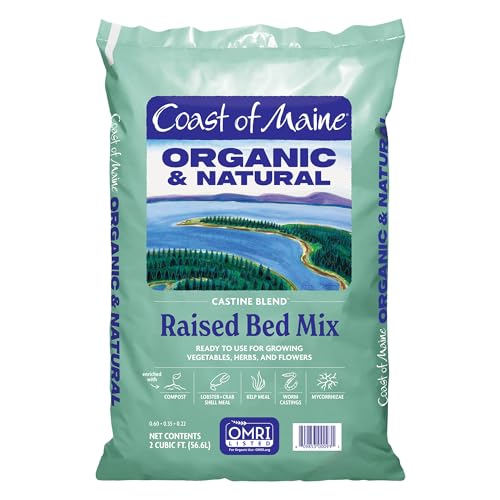

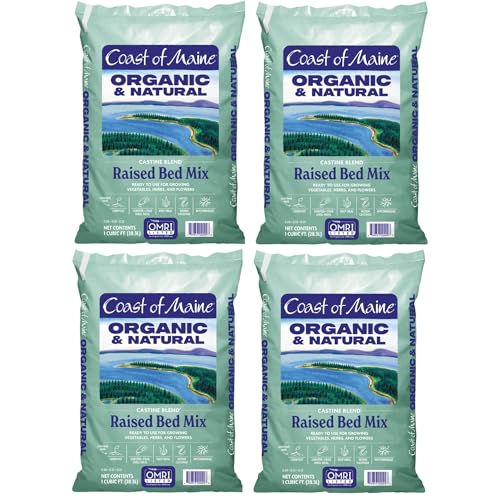

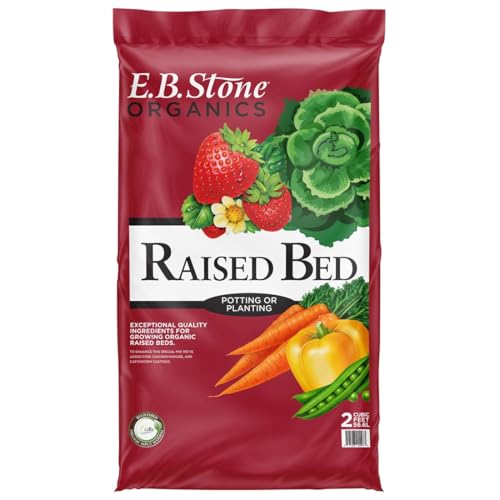

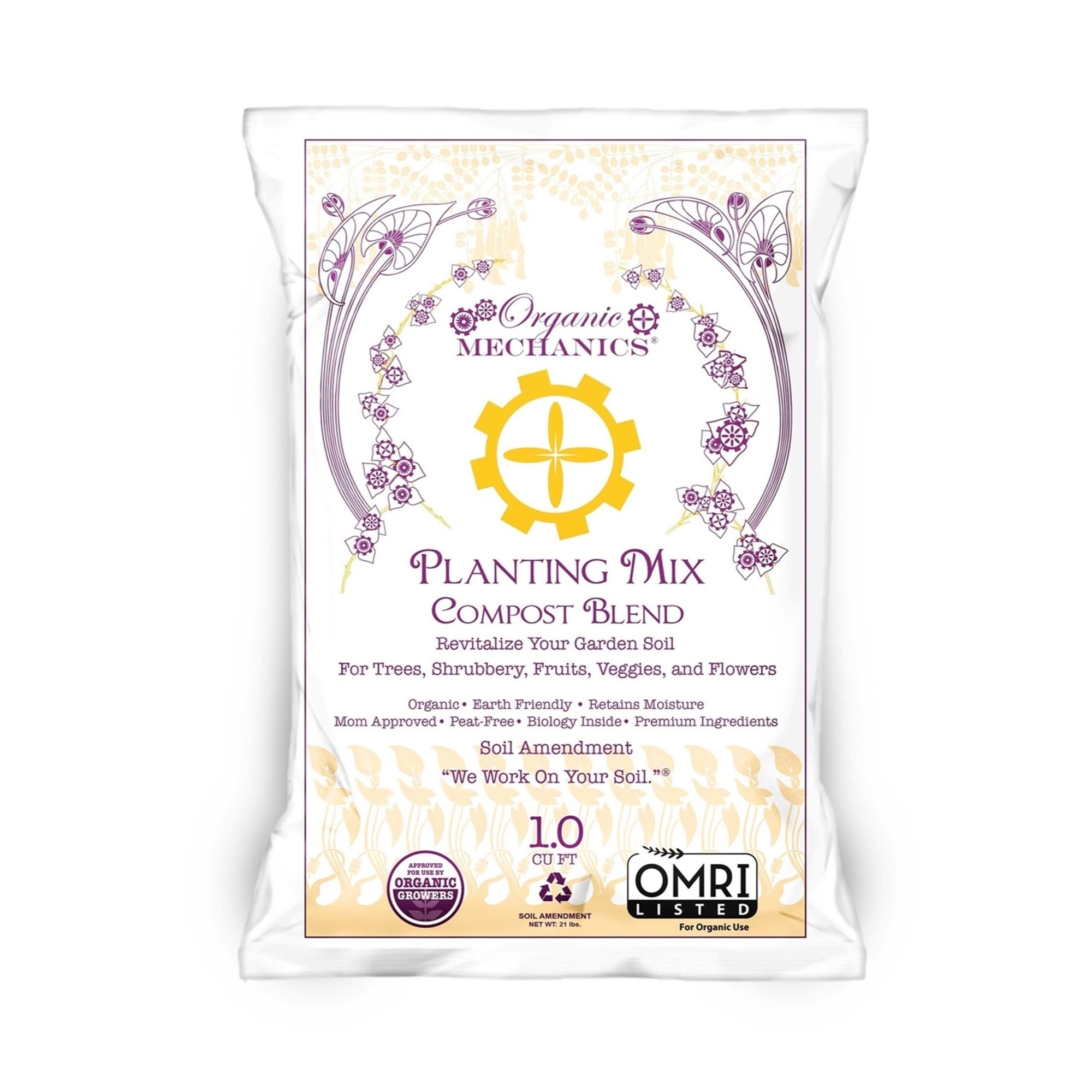
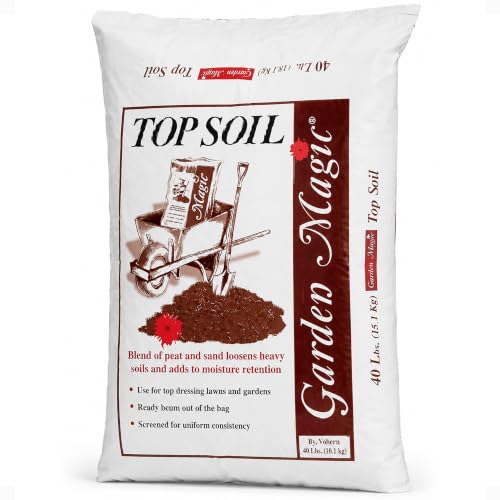
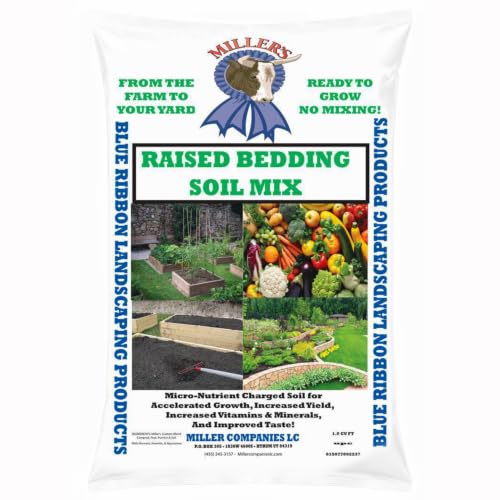
Who Should Buy Bagged Garden Soil for Raised Beds?
Vegetable growers filling a new raised bed
You need a complete growing medium, not a thin layer of topsoil over poor ground. Look for a blend built around compost, aged bark, and a light material such as perlite or coir, with real organic matter you can see. A new bed has no living soil food web yet, so a compost rich mix gives seedlings and transplants gentle nutrition and good root contact while that biology builds up.
Gardeners topping off beds that have settled
Beds often drop two to three inches in a year as organic matter breaks down and watering compacts the mix. Your job is renewal, not a full refill, so a compost forward bagged soil stretches further per dollar. If your older bed also drains poorly, see our guide to the best bagged soil for raised beds for blends that correct texture while they restore lost volume.
Patio and small space gardeners without bulk delivery access
If your beds sit on a patio or in a small yard with no truck access, bags are often the only practical way to move soil in. Weight and bag size matter as much as the blend, since you may carry every bag by hand. Smaller bags cost more per cubic foot, but they are easier to lift, store in a dry corner, and open one at a time.
Key Features to Compare
When you compare the best bagged garden soil for raised beds, judge each bag on the same five points below. A mix that wins on only one point, such as price, often loses on drainage or fertility within a single season.
Blend and ingredient mix in bagged garden soil
The ingredient list tells you how the soil will behave long before the brand name does. Strong blends combine compost for nutrition, aged bark fines for structure, and peat moss or coir for moisture holding, with perlite to keep air in the mix. If you plan to blend your own version, see our guide to the best garden soil mix for raised beds for component ratios. Avoid bags listing mostly sand or plain dirt, since they add weight without feeding roots.
Drainage and water holding balance for raised beds
Raised beds lose water faster than in ground beds, so the mix must drain and retain moisture at the same time. Water should move through within seconds after watering, yet the soil a few inches down should still feel evenly damp the next morning. Bark and perlite create air pockets that prevent soggy roots, while compost and coir act like a sponge between waterings.
pH and nutrient content of bagged garden soil
Most vegetables grow best in soil with a pH of about 6.0 to 7.0, and many bagged blends are adjusted into that range before sale. Check the label for a stated pH or for lime among the ingredients, which signals the maker corrected acidity. Treat nutrient content as a starting charge rather than season long feeding. Compost based blends release nutrients slowly, and heavy feeders such as tomatoes and squash still need added fertilizer once growth takes off.
Organic content and OMRI listed status for edible beds
For beds that grow food, organic content means ingredients come from plant and animal sources rather than synthetic fillers. An OMRI listed label means an independent body has reviewed the product for use in organic production, which gives you a clearer record of what touches your vegetables. It does not guarantee better growth, since a poorly made organic blend can still drain badly.
Coverage, bag size, and value per cubic foot
Price per bag means little until you convert it to price per cubic foot, since bags commonly hold about 1 to 2 cubic feet and that difference changes your total fast. Divide the bag price by its stated volume to compare brands fairly. Larger bags usually win on value, but they can weigh 40 pounds or more when damp.
How to Calculate How Many Bags a Raised Bed Needs
Multiply length by width by depth, all in feet, to get the cubic feet your bed holds. A bed that is 4 feet wide, 8 feet long, and 1 foot deep needs 32 cubic feet of soil. Divide that total by the volume on the bag, so a 1.5 cubic foot bag means about 22 bags for a full fill. Add roughly ten percent extra, since fresh soil settles after the first few waterings.
For a top up, measure only the depth you lost. If that same bed settled by 3 inches, you need about 8 cubic feet, a quarter of the full volume. For broader fill and layering choices, see our guide to the best soil to use for raised garden beds. Buying in stages also helps, since you can open the last bags only after watering shows the true level.
- Does the label state volume in cubic feet clearly?
- Is compost one of the first ingredients listed?
- Does the blend feel loose and crumbly rather than dusty or muddy?
- Is the stated pH within about 6.0 to 7.0 for vegetables?
- Can you lift and carry the bag size you plan to buy?
- Do you have a dry place to store unopened bags?
Common Mistakes to Avoid
- Buying by bag price without checking volume, so a cheap small bag costs more per cubic foot than a larger one.
- Filling a deep bed entirely with dense topsoil, which compacts under watering and leaves roots short of air.
- Guessing instead of calculating volume, so you run short mid job or buy far more soil than the bed can hold.
- Using only potting mix for a large bed, which drains too fast outdoors and makes the total cost climb sharply.
- Planting before watering a fresh fill, so the soil settles afterward and leaves crowns below the bed edge.
- Ignoring a sour or chemical smell in the bag, which can signal poorly composted material not ready for roots.
Care and Maintenance for Raised Bed Soil
Raised bed soil changes every season, so plan on small regular renewal instead of rare full replacement. Each spring, spread one to two inches of compost or fresh bagged soil over the surface and work it lightly into the top layer before planting. This replaces organic matter that microbes consumed during the prior year. A soil test every two to three years tells you whether pH or a specific nutrient has drifted out of range.
Between seasons, protect the surface rather than leaving it bare to rain and wind. Mulch during the growing season slows moisture loss, while a cover crop or thick mulch in winter limits compaction and nutrient washout. Store unopened bags under cover and off bare ground, because repeated soaking leaches nutrients before the soil reaches your bed.
FAQ
What features matter most in bagged garden soil for raised beds?
Blend, drainage, and compost share matter most in bagged garden soil for raised beds. A mix built on compost and bark with perlite or coir will feed roots and hold structure longer than plain dirt in a bag. One extra check is the squeeze test if a sample bag is open: a handful should hold together briefly, then crumble apart.
What is the difference between garden soil and potting mix for raised beds?
Garden soil contains real soil minerals and compost, while potting mix contains no true soil and relies on peat or coir, bark, and perlite. Potting mix suits containers because it stays light in a pot, but in a large bed it dries quickly and costs more per cubic foot. For container style beds and grow bags, see our guide to the best potting soil for raised garden beds for cases where that lighter mix fits better.
Is organic bagged garden soil worth the extra cost for raised beds?
Organic bagged garden soil is worth it for many food growers, mainly for ingredient transparency rather than guaranteed yields. You know the fertility comes from composted materials, and OMRI listing adds independent review of those inputs. One point buyers miss is storage life, so buy close to when you will use the soil and finish opened bags within the same season.
How much bagged garden soil do I need for a 4 by 8 raised bed?
A 4 by 8 raised bed needs about 32 cubic feet of soil for every foot of depth, which works out to roughly 22 bags at 1.5 cubic feet each before settling. A useful saving is to fill the bottom of a very deep bed with clean logs, branches, or coarse bark first. That base layer reduces the volume you must buy, then breaks down slowly over several seasons.
Can I reuse raised bed soil from last season?
Yes, you can reuse raised bed soil from last season in most cases, and replacing all of it is rarely necessary. Remove old roots and diseased plant material, then refresh the bed with compost and a fresh bagged top layer to restore volume and nutrition. One exception is soil from a bed where plants showed serious soil borne disease. Move that soil to ornamental beds and refill the vegetable bed with fresh material.
Final Thoughts
Judge every bag by its blend, its drainage balance, and its true cost per cubic foot, and the right choice usually becomes clear quickly. Growers filling new beds should favor compost rich mixes, while anyone topping off can stretch fewer bags further. Choosing the best bagged garden soil for raised beds now saves a season of weak growth later, so compare your finalists in the product table above before you order.