Best Bagged Canister Vacuums for Every Need: How to Pick the Right One for 2026
Disclosure: We may earn a commission when you buy through links on this page, at no extra cost to you. As an Amazon Associate I earn from qualifying purchases. Learn more

Match bagged canister vacuums to your floors, stairs, and pets by bag capacity, filtration, heads, and running costs.
There is no single canister vacuum that suits every home. A quiet apartment with hardwood floors needs something very different from a large house with deep pile carpet, stairs, and a shedding dog. The best bagged canister vacuums all share one strength, though: the bag traps dust inside a sealed pouch, so emptying stays cleaner and filtration stays consistent between changes.
This guide matches vacuum types to real situations first, then explains the features behind the specs. Use the comparison table below to see the main styles side by side, then check the sections that match your floors and your routine.

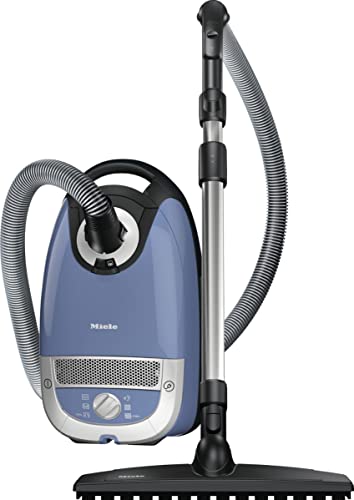

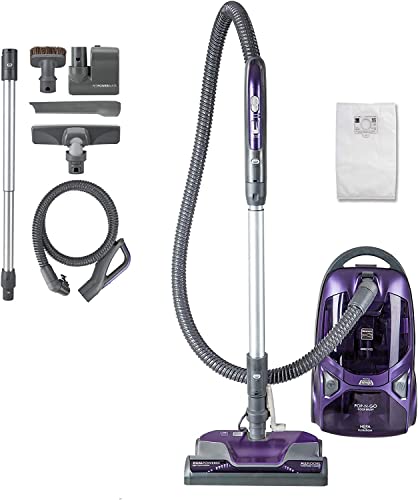
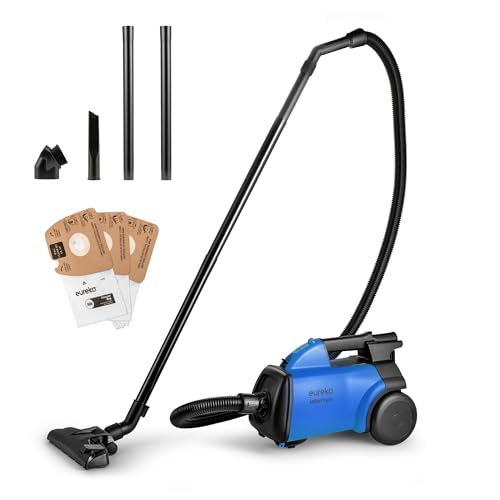

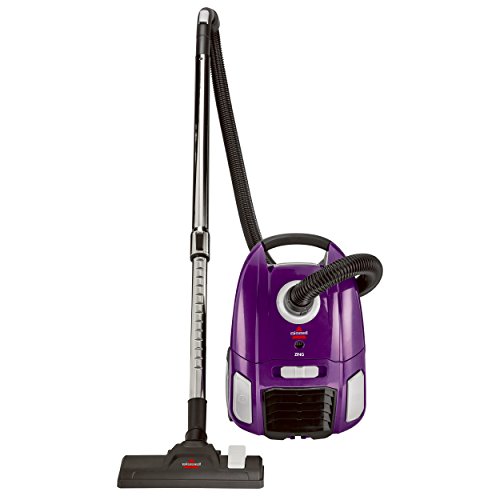
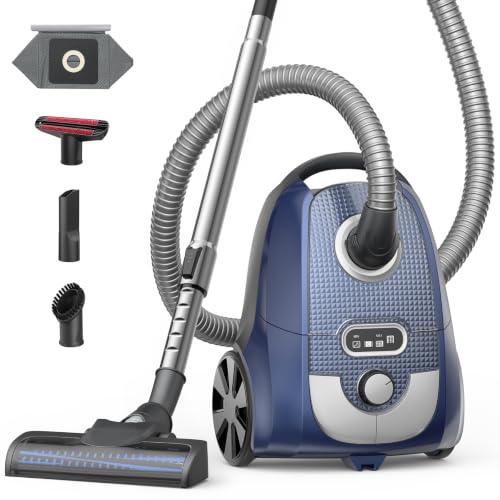
Who Should Buy Which Bagged Canister Vacuums?
For Gift Shoppers
A bagged canister makes a practical gift for a new homeowner because it handles mixed floors without much learning curve. Choose a midweight model with a combination floor head, a decent cord length, and bags that are easy to find. Avoid specialty models built for one floor type, since you may not know the home well. A clear manual, a warranty of at least two years, and simple controls matter more than extra attachments the recipient may never open.
For People Who Want the Best Performance
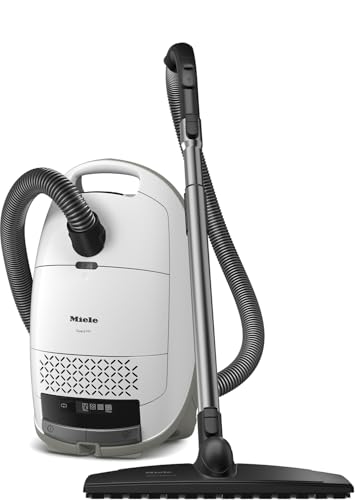
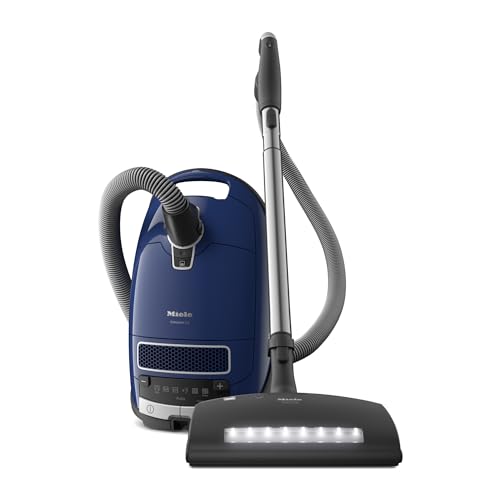
If performance comes first, pay for strong sealed suction, a motorized carpet head, and a large bag capacity. A powered brush head agitates deep carpet in a way a suction only head cannot, and sealed construction keeps that suction at the floor instead of leaking at the joints. Premium models also tend to run quieter and use better wheels that roll smoothly over thresholds. The extra cost pays off in big homes and homes with a lot of carpet.
For First Time Buyers
First time buyers should favor simplicity and reliability over long feature lists. A straightforward canister with automatic cord rewind, clear bag change indicators, and a head that works on both hard floors and low carpet covers most apartments and small houses. Check how much replacement bags cost before you buy, since you will change them a few times a year. A lighter body, around 10 to 15 lb for the canister itself, is easier to carry up stairs while you learn the routine.
If you are still deciding between formats, see our guide to the best bagged vacuums for a wider view of bagged designs beyond the canister style.
Choosing Bagged Canister Vacuums for Your Situation
Best Hepa Bagged Canister Vacuums
Shoppers looking at best hepa bagged canister vacuums should check three things: a true HEPA filter, a fully sealed body, and a self sealing bag. HEPA media alone does little if dusty air leaks around it, so sealed construction is the detail that makes the rating real. This setup suits homes with asthma or dust sensitivity, because fine particles stay trapped when you clean and when you change the bag. Talk with your clinician about personal needs if allergies drive your purchase.
Key Features to Compare
Bin and Bag Capacity
Bag capacity decides how often you stop to change bags and how steady suction feels over time. Most bagged canisters hold about 3 to 5 quarts of debris, and larger homes or pet homes fill that faster than you expect. A fuller bag slowly reduces airflow, so a bag change indicator is genuinely useful. Compare the price and availability of replacement bags, not just the capacity, because a rare bag size can turn a good vacuum into an annoying one. Bagged designs beat bagless here on hygiene, since the bag seals shut as you remove it.
Floor Types: Hardwood, Carpet, and Area Rugs
Your floor mix should drive the head choice. Hardwood and tile need a soft bristle parquet head that will not scratch and that picks up fine dust instead of pushing it ahead. Carpet needs a motorized brush roll, ideally with height adjustment for different pile depths. A brush roll you can switch off protects delicate rug fringe and stops scatter on hard floors. If your home is mostly hard floors with a few rugs, a combination head may be enough and saves money.
Homes mixing canister and upright duties can also see our guide to the best upright and canister vacuums to compare how each format handles those floors.
Vacuum Format and Why Canister Suits Certain Homes
A canister splits the weight between a rolling body and a light wand, so cleaning under beds and sofas takes less effort than pushing a full upright. The long hose reaches stairs, curtains, and car interiors with the right tools. Uprights can feel faster on wide open carpet, and stick models win for quick crumbs, but neither matches a canister for above floor reach. Choose the canister format when your home has stairs, furniture to clean under, and a mix of surfaces.
Noise and Maintenance
Noise levels vary widely, from quiet models around the level of normal conversation to loud budget units you cannot talk over. If you clean while children nap or in an apartment with thin walls, check the stated decibel rating and look for insulated motor housings. Maintenance is simple but not free: bags every one to three months in most homes, a prefilter rinse or swap as directed, and a HEPA filter change about once a year. Add those running costs to the purchase price before you decide.
Common Mistakes to Avoid When Buying Bagged Canister Vacuums
- Choosing by price alone and ending up with weak carpet cleaning or bags that cost too much over time.
- Ignoring bag capacity, then changing small bags so often that cleaning becomes a chore you avoid.
- Buying a heavy full size model for a small apartment with stairs, when a compact canister would be easier to store and carry.
- Skipping the warranty check, especially on the motor and the powered carpet head, which are the costly parts to repair.
- Assuming every model with a HEPA labeled filter is fully sealed, when unsealed bodies leak fine dust back into the room.
Compact homes have their own shortlist logic, and our guide to the best small canister vacuums covers storage friendly sizing in more detail.
Care and Maintenance Tips
- Change the bag when the indicator shows or suction drops, not when the bag feels stuffed, since overfilled bags strain the motor.
- Wash or replace filters on the maker schedule, and let washable filters dry fully before refitting them.
- Cut hair and thread off the brush roll monthly with scissors, working carefully so you do not nick the bristles.
- Wipe the hose and wand seals now and then, because grit on a seal creates the small leaks that weaken suction.
- Store the canister with the cord fully rewound and the hose looped loosely, which prevents kinks and cord damage.
If you prefer to skip bags entirely, see our guide to the best bagless canister vacuums to weigh the trade off in emptying and upkeep. Readers set on the upright format can also see our guide to the best upright bagged vacuums for comparison.
Frequently Asked Questions
How often should I replace the filter?
Most canister vacuums need a HEPA filter change about once a year and a foam prefilter check every few months, but follow your manual since designs vary. A gray, musty smelling filter is due even if the schedule says otherwise. One point the specs rarely stress: a clogged filter makes the motor work harder and run hotter, which shortens motor life, so timely changes are cheap insurance.
What type of bagged canister vacuum is best for my home?
The best type depends on your floors. Mostly hard floors call for a quiet canister with a parquet head, while wall to wall carpet calls for a motorized brush head and stronger suction. Stairs favor a lighter body with a long hose. List your floors, stairs, and storage space first, then match the format to that list rather than shopping by headline power figures.
Is HEPA filtration necessary?
HEPA filtration is not necessary for every home, but it helps a lot if someone has allergies or asthma. The key is a sealed system, where all exhaust air passes through the filter. In a bagged canister the bag itself does much of the filtering work, and a HEPA final filter polishes the rest. If no one in the home is sensitive to dust, a good standard filter setup may be enough.
Are cordless vacuums strong enough for carpet?
Some cordless models clean surface litter on carpet well, but most bagged canister vacuums are corded for a reason: steady full power for a whole house session. Cordless runtime drops on high settings, often to under twenty minutes, which is tight for deep carpet work. For a main vacuum in a carpeted home, corded canister power is still the safer bet, with a cordless stick as a helper if you want one.
Our Verdict
Match the head to your floors, size the bag capacity to your home, and insist on sealed construction if filtration matters to you. Those three checks filter out most poor choices before price even enters the picture. Look back at the product table above, compare the best bagged canister vacuums against your floor list, and you will land on a model that fits your home the first time.