Best Bag for Mirrorless Cameras: Buying Guide 2026
Disclosure: We may earn a commission when you buy through links on this page, at no extra cost to you. As an Amazon Associate I earn from qualifying purchases. Learn more

Compare slings, shoulder bags, and backpacks for mirrorless cameras by padding, fit, and weather protection.
A mirrorless body is smaller than a DSLR, but a kit with two or three lenses, spare batteries, and a flash still needs padding that keeps everything from knocking together. The best bag for mirrorless cameras protects the gear without turning a light kit into a heavy load. Use the product table above to see current options, then match the style to how you shoot.
The right bag depends on how much you carry and how quickly you need to reach it. A street photographer wants a small sling, while a travel shooter wants a backpack with room for a laptop.





Who Should Buy Which Camera Bag?
Street and Everyday Shooters
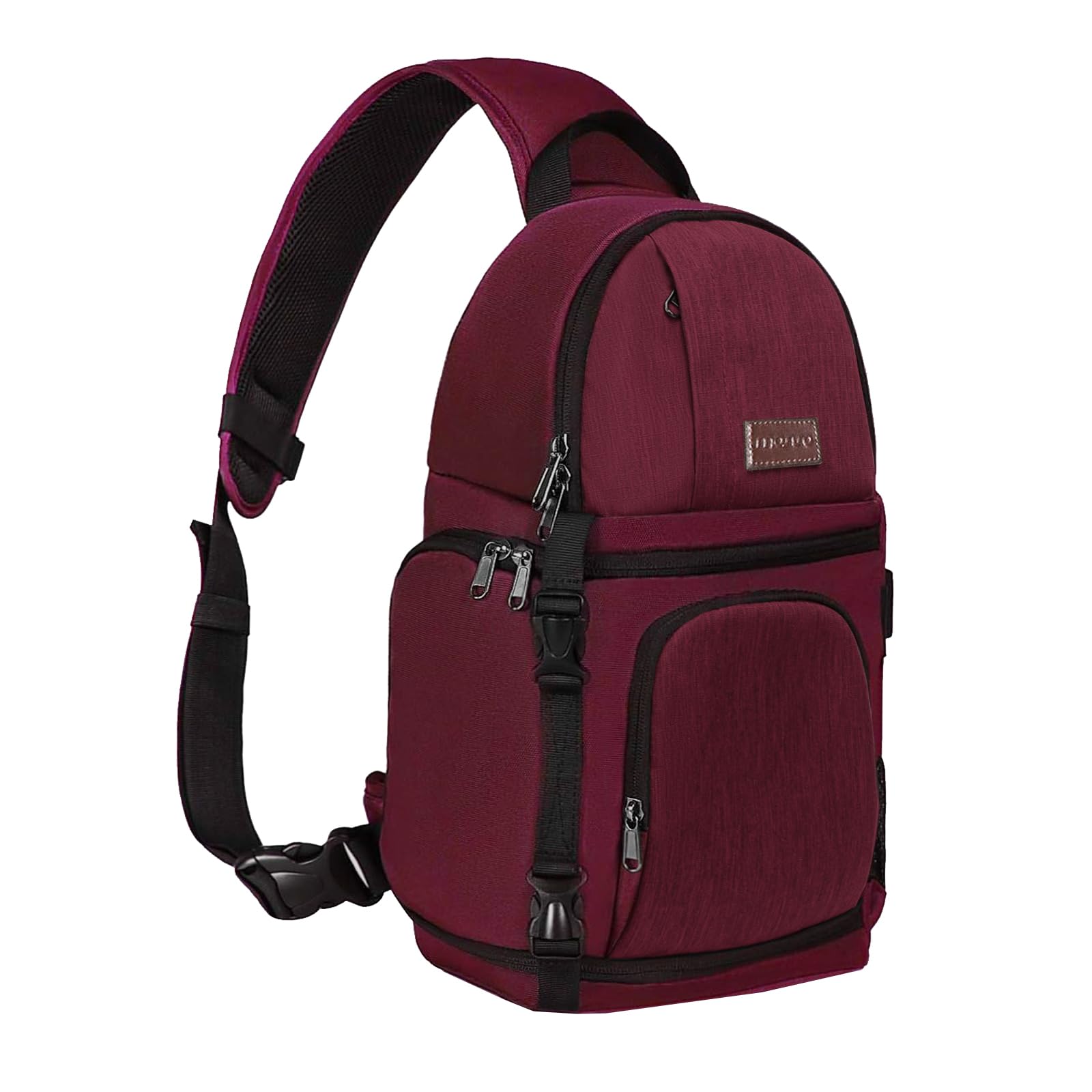
If you carry one body and one or two lenses, a compact sling or shoulder bag keeps the kit close and quick to open. Look for a main compartment with adjustable dividers and a rear pocket for a phone or wallet. These bags are light and fit under an airline seat.
Travel and Landscape Photographers
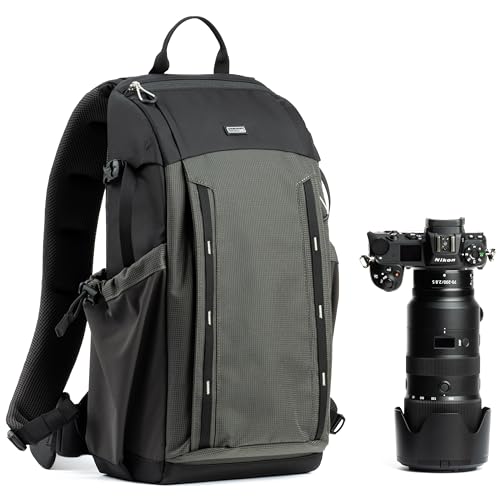
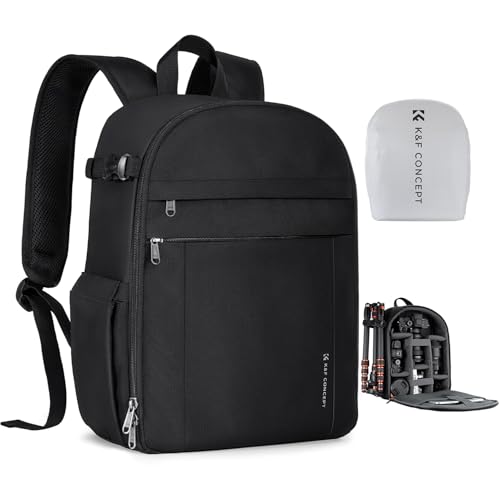
Longer trips call for a backpack with a dedicated camera section, a laptop sleeve, and straps for a tripod. Side access lets you swing the pack around and grab the camera without putting the bag on the ground. Weather protection matters here.
Hobbyists With Growing Kits
If you own a body, three lenses, and accessories, choose a bag with fully configurable dividers so you can rearrange as you buy gear. A modular insert that fits into a larger bag also lets you reuse it later in a regular backpack.
Types of Mirrorless Camera Bags
Sling Bags
Slings swing from the back to the front for quick access with one hand. They carry a body, two lenses, and small accessories comfortably, but weight on one shoulder tires you on long days. Prices run about $25 to $60.
Shoulder and Messenger Bags
These suit short outings and urban shooting. They open wide and look like ordinary bags, which draws less attention to the gear. They are less comfortable when full.
Camera Backpacks
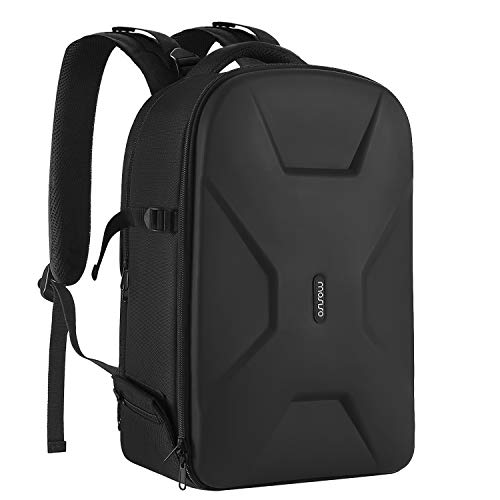
Backpacks carry the most gear and spread weight across both shoulders. Many have a rear or side camera door and a top section for clothing and snacks. Prices range from about $30 for basic models to $300 or more for premium travel packs.
Insert Cubes
A padded cube slips into a regular backpack and turns it into a camera bag when you need it. It is the cheapest option and works well for occasional shooters.
For a wider look at the category, see our guide to the best bags for cameras.
Key Features to Compare
Padding and Dividers
Thick, firm foam protects glass against knocks, and dividers fixed with hook and loop let you shape compartments around your kit. Check that the base is padded as well as the walls, because drops usually land on the bottom.
Size Against Your Kit
Measure your longest lens with its hood reversed, and compare it with the internal compartment dimensions. Mirrorless lenses are shorter than DSLR lenses, but a 70 to 200 mm zoom still needs room. Leave some space for a spare battery and cards.
Weather Protection
Water repellent fabric and covered zippers handle light rain, and an included rain cover helps in heavier weather. No fabric bag is fully waterproof, so avoid setting the bag on wet ground.
Comfort and Access
Padded, wide shoulder straps and a sternum strap help with loads above ten pounds. Side or rear access keeps the camera clean when you work on dirty ground. Quiet zipper pulls matter if you shoot events.
Security
Lockable zippers, a hidden back pocket, and a low profile look all help when you travel. Bags that do not look like camera bags draw less attention.
How to Pack a Mirrorless Kit
Place the camera body in the largest, most accessible compartment with a lens attached and the cap on. Stand heavier lenses upright against the back panel, and keep small items such as spare batteries, memory cards, and a cleaning cloth in a zippered pocket instead of loose among the lenses. Put a small rain cover on top of the kit before you close the bag if rain is possible. Leave a little room so you can swap lenses without removing everything, since a bag that is packed too tightly slows you down at the moment you need speed. If you carry a second body, protect the lens mount with a body cap so it does not scratch against other gear.
Caring for a Camera Bag
- Empty and vacuum the bag occasionally to clear grit that can scratch lenses.
- Dry the bag fully if it gets wet, and keep silica gel packets inside during humid weather.
- Do not overpack. A tight bag strains zippers and compresses foam.
- Pack heavy lenses close to the back panel for better balance.
- Wipe the exterior with a damp cloth and avoid harsh detergents that damage coatings.
Common Mistakes to Avoid
The biggest mistake is buying a bag sized for a future kit that you do not own yet, which leaves gear sliding around. Another is choosing a bag with too little padding because it looks slim. Some buyers also forget that a laptop or tablet may need its own sleeve. Finally, check the carry weight: a loaded camera backpack can exceed fifteen pounds.
Frequently Asked Questions
How big should a bag be for a mirrorless camera?
A small sling of about 3 to 6 liters holds a body and two lenses. Backpacks of 15 to 25 liters suit most travel kits with a laptop.
Do I need a dedicated camera bag?
A padded insert in a regular backpack works for light use. A dedicated bag adds better access and organization if you carry more than a body and one lens.
Are sling bags safe for expensive gear?
Yes, as long as they have firm padding and secure zippers. Keep the strap across your body in crowds.
What is the difference between a camera bag and a camera case?
A case holds one camera snugly. A bag has dividers and pockets for lenses, batteries, and other gear.
Can I take a camera backpack on a plane?
Most camera backpacks meet carry on limits, but check your airline's size and weight rules before flying.
Final Thoughts
Start with how much gear you carry and how often you need to reach it, then check padding, internal size, and weather protection. The best bag for mirrorless cameras is the one that holds your kit snugly, stays comfortable for a full day, and opens quickly when the shot appears. Compare your shortlist in the product table above before you order.