
Best Baffin Boots for Ice Fishing in 2026: Everything to Know Before Your First Purchase
Disclosure: We may earn a commission when you buy through links on this page, at no extra cost to you. As an Amazon Associate I earn from qualifying purchases. Learn more

Learn how to choose the best Baffin boots for ice fishing by rating, liner, shell height, traction, and fit with thick socks.
Ice fishing asks more of a boot than a short winter walk. You stand on frozen water, sit still for long stretches, and kneel in snow beside a hole. The best baffin boots for ice fishing keep your feet warm, dry, and steady through all of that. This guide starts with plain terms and builds toward a confident choice using the comparison table below.
Think first about how you fish. Your time on the ice, the coldest weather you face, and how far you walk between holes will decide the rating, height, and weight you need.


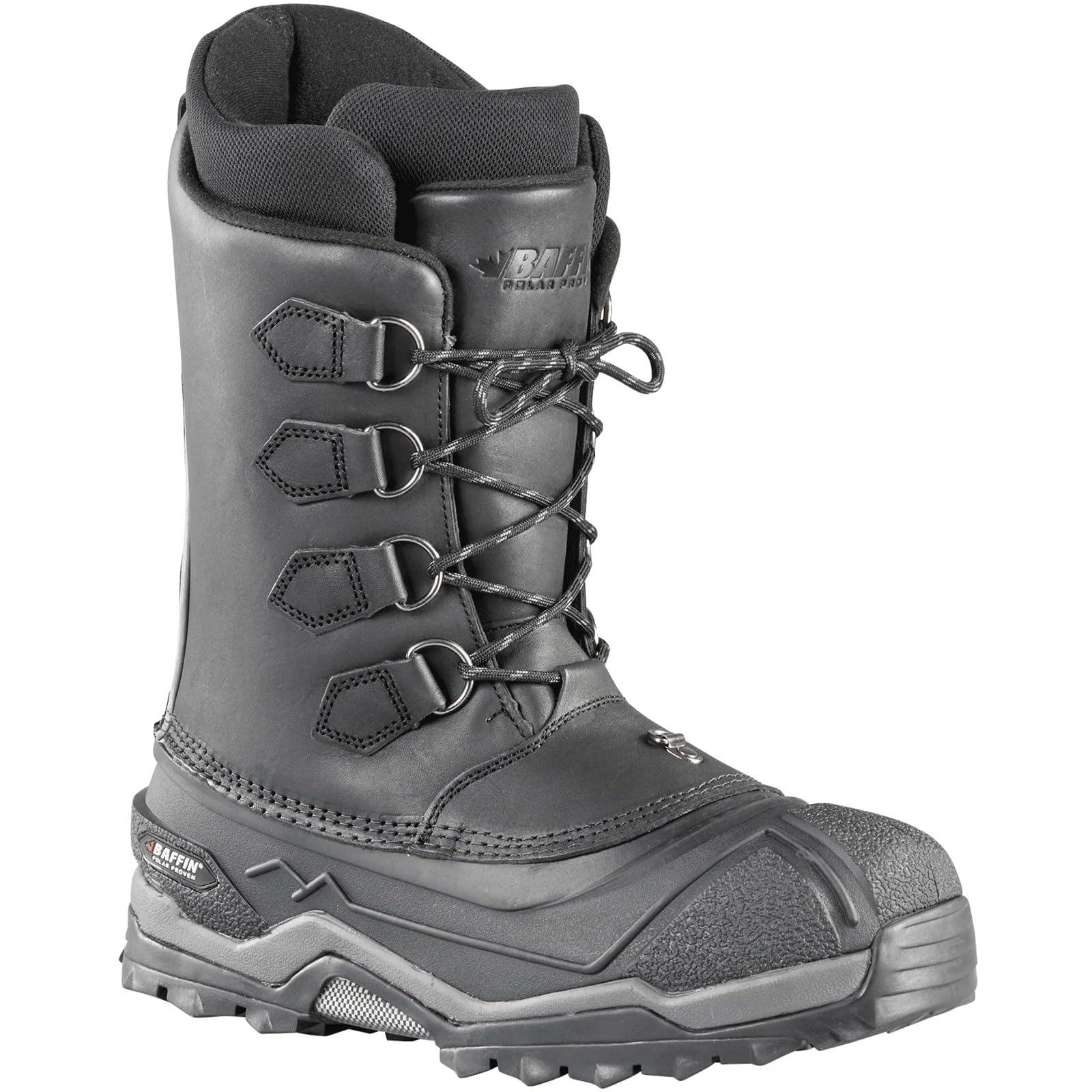

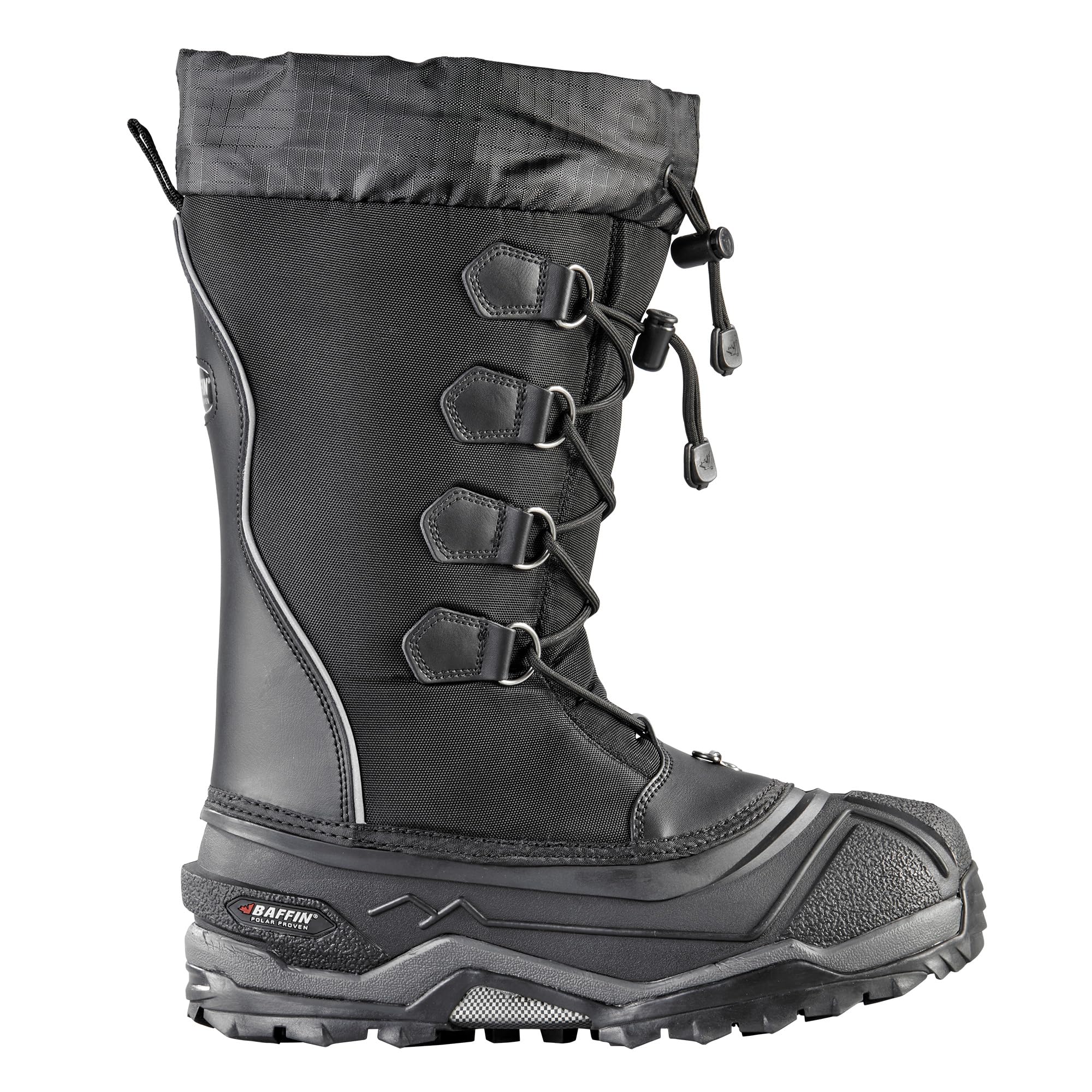

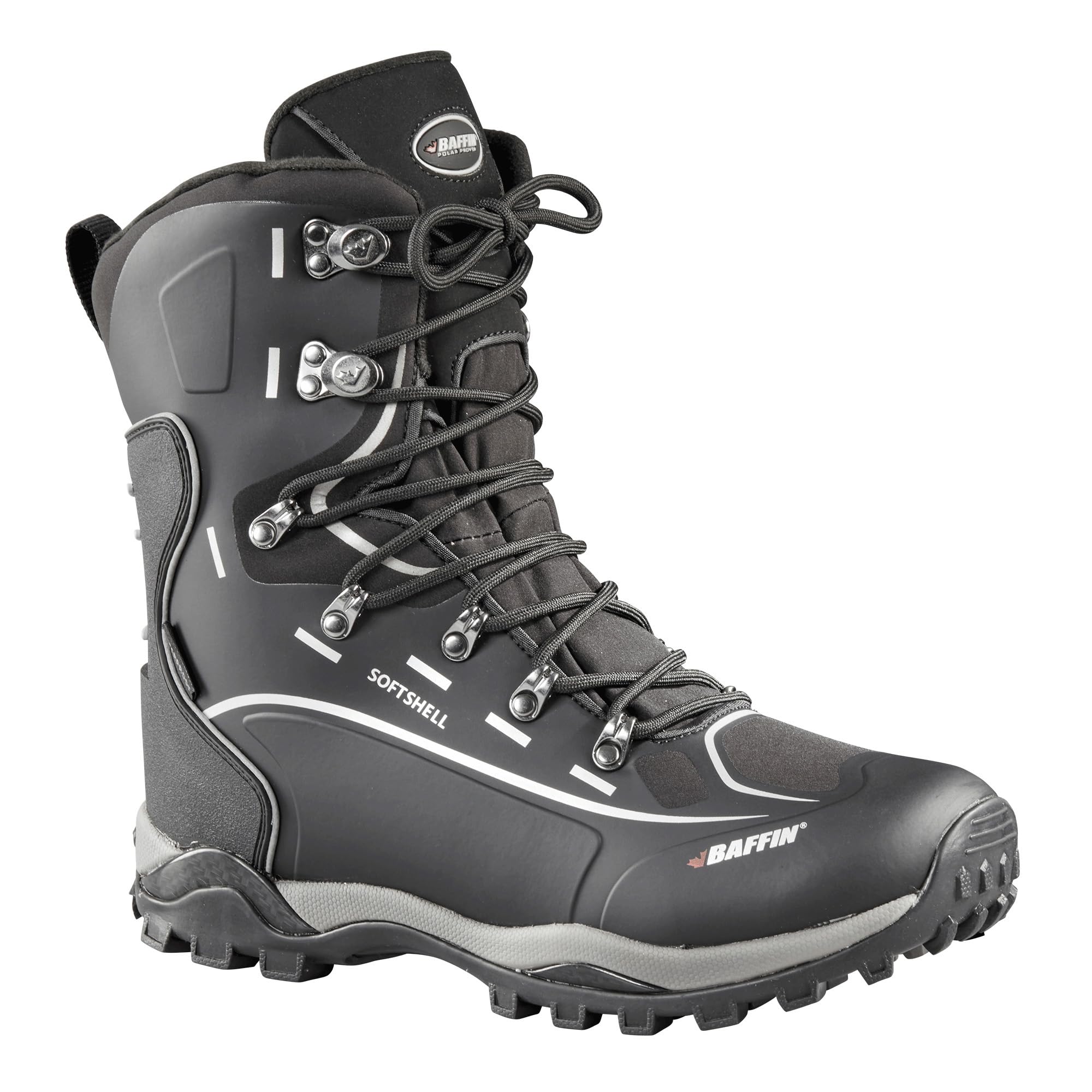


Baffin Boots 101 for Ice Fishing Beginners
Baffin boots for winter use are pac style boots. A waterproof lower shell protects your foot, a taller upper blocks snow, and a thick insulating liner wraps your foot and lower leg. Most models let you pull that liner out, which makes drying faster and lets you replace a worn liner alone.
The best baffin boots for ice fishing share that build, but fishing pushes some parts harder. You need a colder rating than a snow shoveling boot, a sole that grips slick ice, and room for thick socks during hours of low activity. For the wider category view, see our guide to the best ice fishing boots before you narrow to this brand.
Who Should Buy Which Baffin Boots for Ice Fishing?
Pick by the outing you repeat most often. A boot that feels perfect inside a heated shelter can feel heavy on a long walk, and a lighter boot can leave a still angler cold by midday.
Anglers Who Sit Still in a Shelter for Hours
You generate little body heat while you watch a line, so choose the coldest rating and the thickest liner you can afford. Extra height helps when you kneel in loose snow near the shelter door. Weight matters less for you, because your walk is usually short. Bring dry spare socks, since damp socks make even a warm boot feel cold.
Anglers Who Walk Far and Drill Many Holes
You move often, so a midweight boot with a more flexible sole will tire your legs less across a full day. Look for secure lacing that keeps your heel in place on uneven ice. A slightly lower rating can work, because steady movement adds warmth. Still choose a waterproof shell, since drilling throws slush across your feet all day.
Anglers Who Fish in Deep Cold and Wind
You fish early mornings and northern lakes where wind strips heat fast. Choose the highest shaft, a snug collar that seals against blowing snow, and a liner rated well below your coldest day. If you are also sorting seating for long sits, see our guide to the best chairs for ice fishing for options that keep you off the ice.
Key Features to Compare
Compare these factors in order. Start with warmth, then dryness, then grip, because a boot that fails on any one ends your day early.
Temperature Rating and Insulation for Ice Fishing
A temperature rating is the coldest air the maker expects the boot to handle, and brands do not test ratings in one shared way. Treat the number as a rough guide and leave a margin of about 10 to 20 degrees for still fishing, since sitting produces far less heat than walking. Thick multilayer liners trap warm air in small pockets, and that trapped air does the real work.
Waterproof Shell and Shaft Height
The lower shell is usually molded rubber, and it is the part that stands in slush and melt water around each hole. Look for a shell that rises above your ankle, with sealed seams where the upper joins. Shaft heights often run about 9 to 13 inches, and taller shafts keep deep snow out off a packed trail. A gusseted tongue also helps, because snow that enters at the laces will melt and soak your socks.
Removable Liner and Moisture Control
A removable liner is a major advantage of this boot style. Lift it out each night and dry air reaches both sides, so the boot starts the next morning truly dry. Liners pack down with use, and a packed liner holds less warm air than a fresh one. A replaceable liner extends the life of the outer boot by seasons.
Traction on Ice and Fit for Cleats
Soles for this use rely on wide lugs, sipes, and rubber that stays flexible in deep cold, since stiff rubber skates on smooth ice. Deep lugs help most in snow and slush, while fine cuts help on bare ice. Even the best sole has limits on glare ice, so check that the boot accepts strap on cleats cleanly.
Fit With Thick Socks and Room in the Toe Box
Fit these boots while wearing the thickest socks you plan to fish in, and shop late in the day when your feet are largest. You want clear space in front of your toes, about a thumb width, because cramped toes compress the liner and lose warmth. Your heel should stay down as you walk, yet your forefoot should wiggle freely. Men can see our guide to the best men's ice fishing boots, and women can see our guide to the best women's ice fishing boots for fit notes by foot shape.
How to Size and Try On Baffin Boots Before Your First Trip
Measure both feet at home on paper, in your fishing socks, and use the longer measurement against the brand size chart. Sizes vary between brands and models, so the chart matters more than your street shoe size. If you fall between sizes, choose the larger size, since air space around thick socks adds warmth and tight boots restrict blood flow.
At home, walk on a hard floor, climb a step, and kneel as you would beside a hole. Your toes should never strike the front when you stop suddenly, and heel lift should stay small. Wear both boots for ten minutes, because pressure points often appear only after standing still.
Cold safety deserves one clear note. Skin that turns white or waxy, hard numbness that does not fade indoors, or blistering after a cold outing needs prompt medical care, so get warm and seek medical advice promptly. Ask your doctor about your personal cold risks before long trips if you have circulation concerns.
Common Mistakes to Avoid
Most cold feet come from a few repeatable errors.
- Buying your street shoe size leaves no room for thick socks and makes toes cold within an hour.
- Trusting the temperature rating as exact leaves no margin for sitting still in wind.
- Wearing cotton socks holds sweat against your skin and chills feet once you stop moving.
- Drying boots beside a hot stove cracks materials and can warp the shell.
- Skipping cleats on bare ice turns a short walk into a fall risk.
- Storing boots with damp liners inside invites odor and packs insulation flat.
Care and Maintenance for Baffin Boots
After each trip, pull the liners and insoles out and let everything air dry at room temperature away from direct heat. Brush dried mud and salt from the shell and upper, then wipe the shell with plain water. Check lace loops, seams, and the sole edge for splits while the boot is clean.
Store boots upright in a cool dry place with liners loosely inside, not compressed under other gear. Before the season starts, try them on with your full sock system and inspect liners for thin spots. A liner that feels flat at the heel will not insulate as it once did.
Baffin Boots for Ice Fishing: Your Questions Answered
What temperature rating do Baffin boots for ice fishing need for sitting still?
Baffin boots for ice fishing need a rating about 10 to 20 degrees colder than your coldest expected day if you sit still. Sitting lowers your heat output, so ratings earned during active use feel optimistic in a shelter. On your coldest outings, add a toe warmer on top of your sock as backup, where it cannot bunch under your foot.
How should Baffin boots fit for ice fishing with thick socks?
Baffin boots for ice fishing should feel roomy in the toes and secure at the heel in your thickest socks. Push your foot forward until your toes lightly touch, then check that one finger fits behind your heel. If that space is missing, go up a size. If your whole foot slides as you walk, the boot is too large, not just roomy.
Do Baffin boots for ice fishing need separate ice cleats?
Yes, Baffin boots for ice fishing often still need separate ice cleats on smooth bare ice. Lugs and siped rubber grip snow and rough ice well, but polished ice near busy access points offers almost nothing for rubber to bite. Choose cleats with straps that clear the wide shell, and practice putting them on with gloves first.
How long do Baffin boots for ice fishing take to dry after a trip?
Baffin boots for ice fishing usually take about 12 to 24 hours to dry fully once you remove the liners. The shell sheds water at once, while the liner holds most moisture from sweat. A small fan moving room air across the open liners shortens the wait without heat damage. Never pack boots for a morning trip while a liner still feels damp.
When should Baffin boots for ice fishing be replaced?
Baffin boots for ice fishing should be replaced when the shell cracks, the sole separates, or the liner stays flat after a season of rest. Start by replacing only the liner if the shell and sole remain sound, since fresh insulation restores much of the warmth. Replace the whole boot when water enters through the shell.
Final Thoughts
Start with the rating and liner, confirm the shell height and grip, and only then weigh price and weight. A sound guide range is about $150 to $350 for this boot class, and paying more should buy a colder rating, a better liner, or a taller shell. Check your final pair against the product table above before you order.
Chosen with those points in mind, best baffin boots for ice fishing become the quiet base of your setup, warm on the walk out, steady at the hole, and dry again the next morning.


