
Best Badminton Shoes for Women: Court Buying Guide 2026
Disclosure: We may earn a commission when you buy through links on this page, at no extra cost to you. As an Amazon Associate I earn from qualifying purchases. Learn more

Choose women's badminton shoes by grip, lateral support, cushioning, and heel fit so lunges and quick stops feel stable.
Badminton is a game of lunges, split steps, and sudden stops, and a running shoe is not built for any of them. The best badminton shoes for women pair a grippy, non marking sole with firm side support and a fit that suits a narrower heel. Use the product table above to see current options, then use this guide to judge fit and features.
Many women's models are simply smaller men's shoes, so it helps to know what a good women's fit looks like and which details matter most on court.

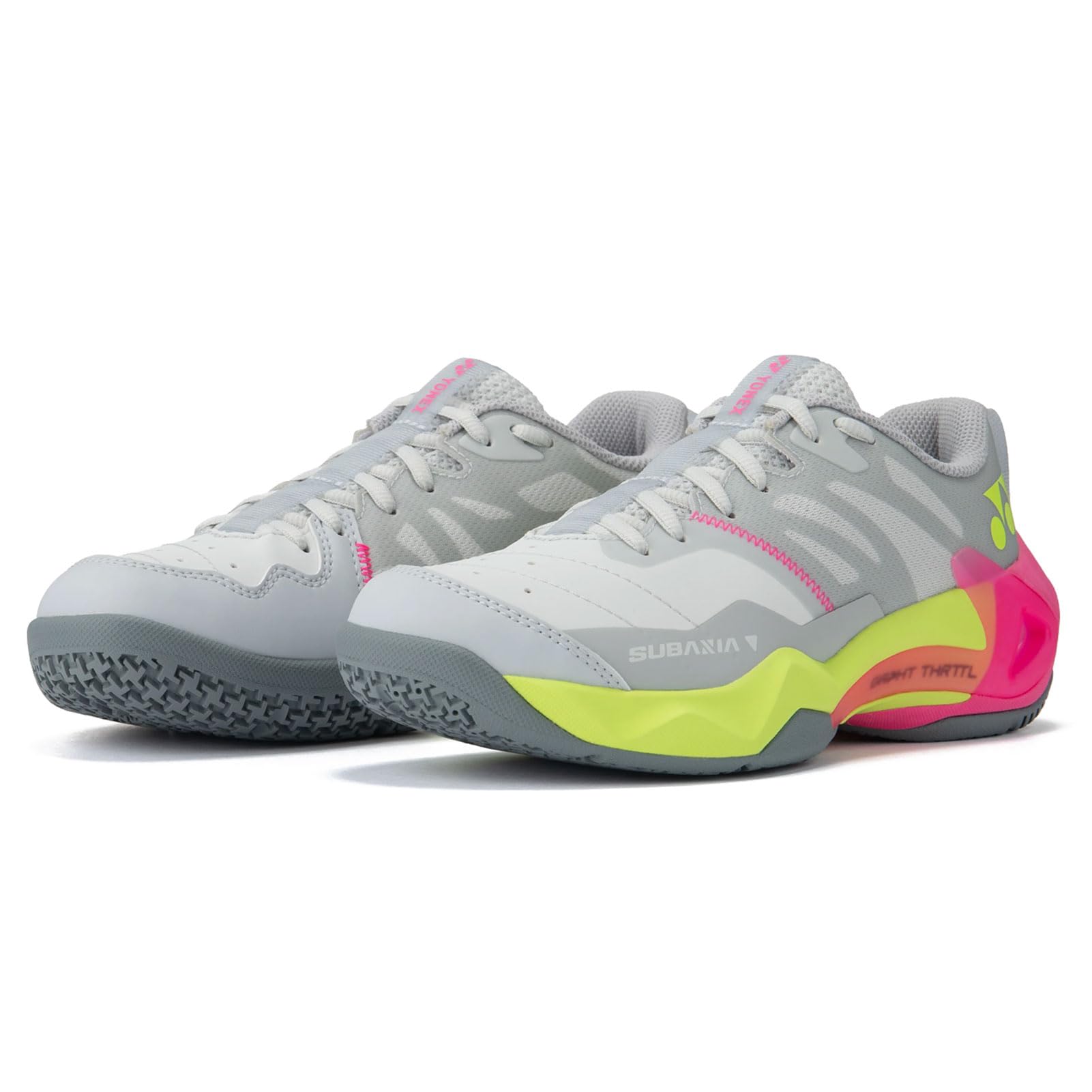

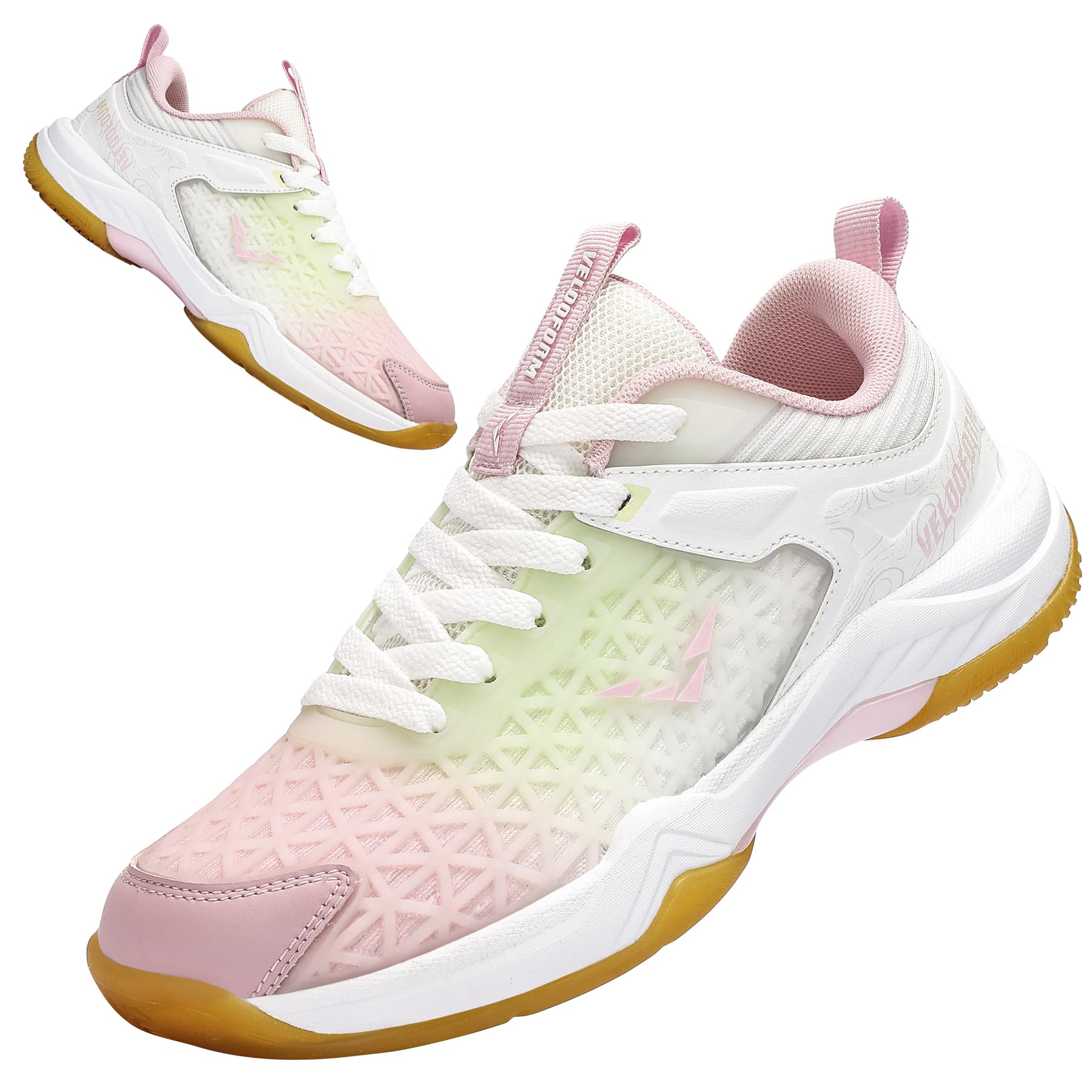

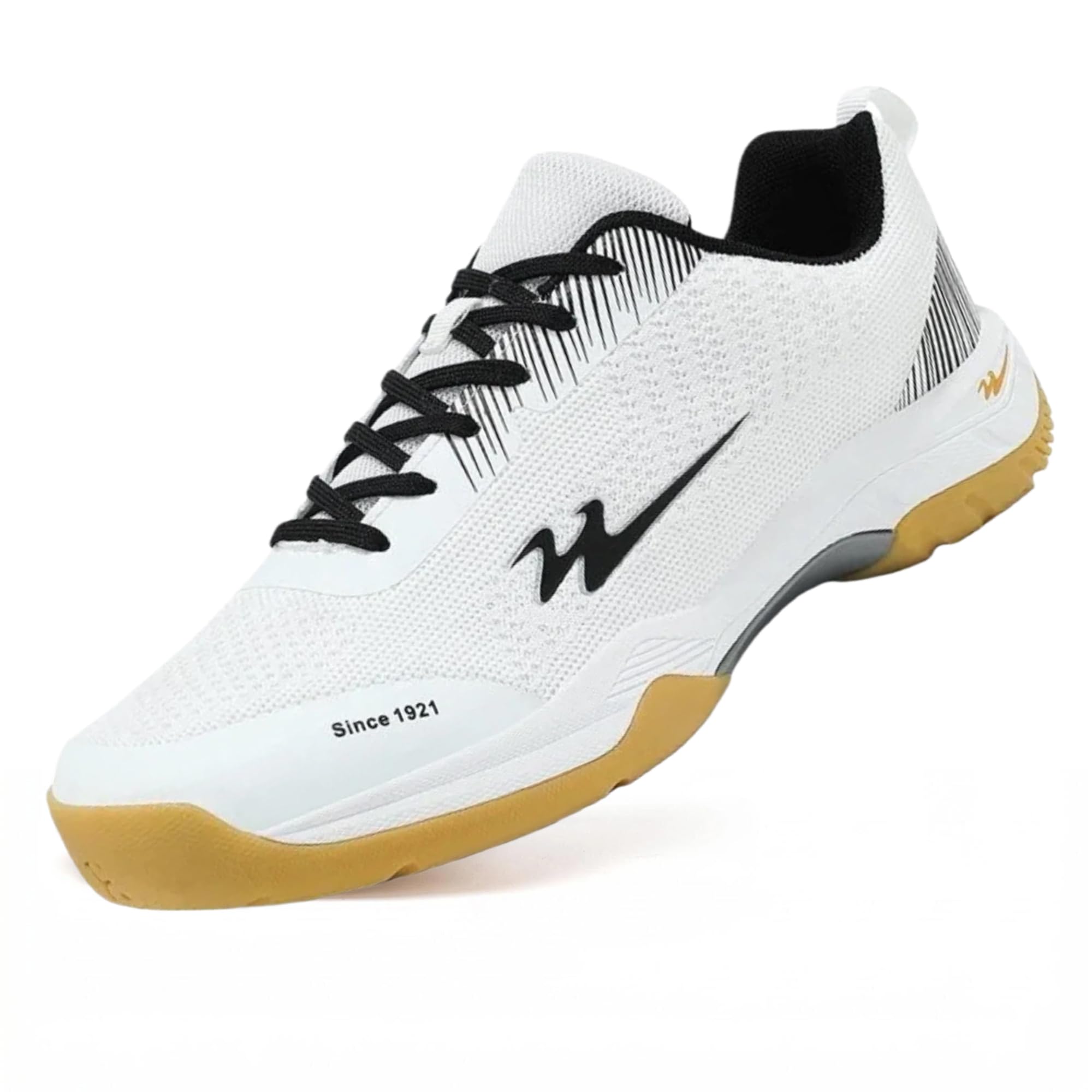
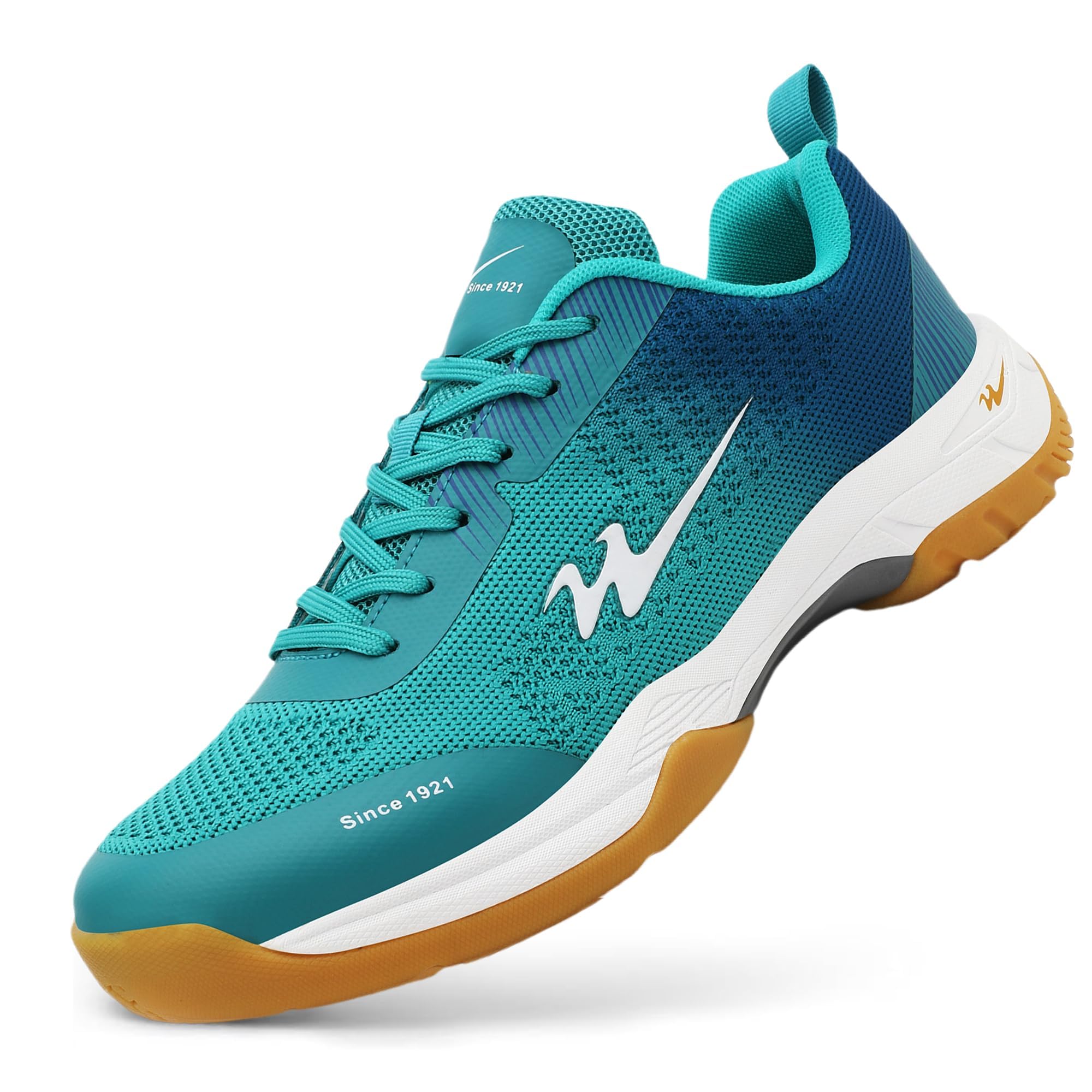
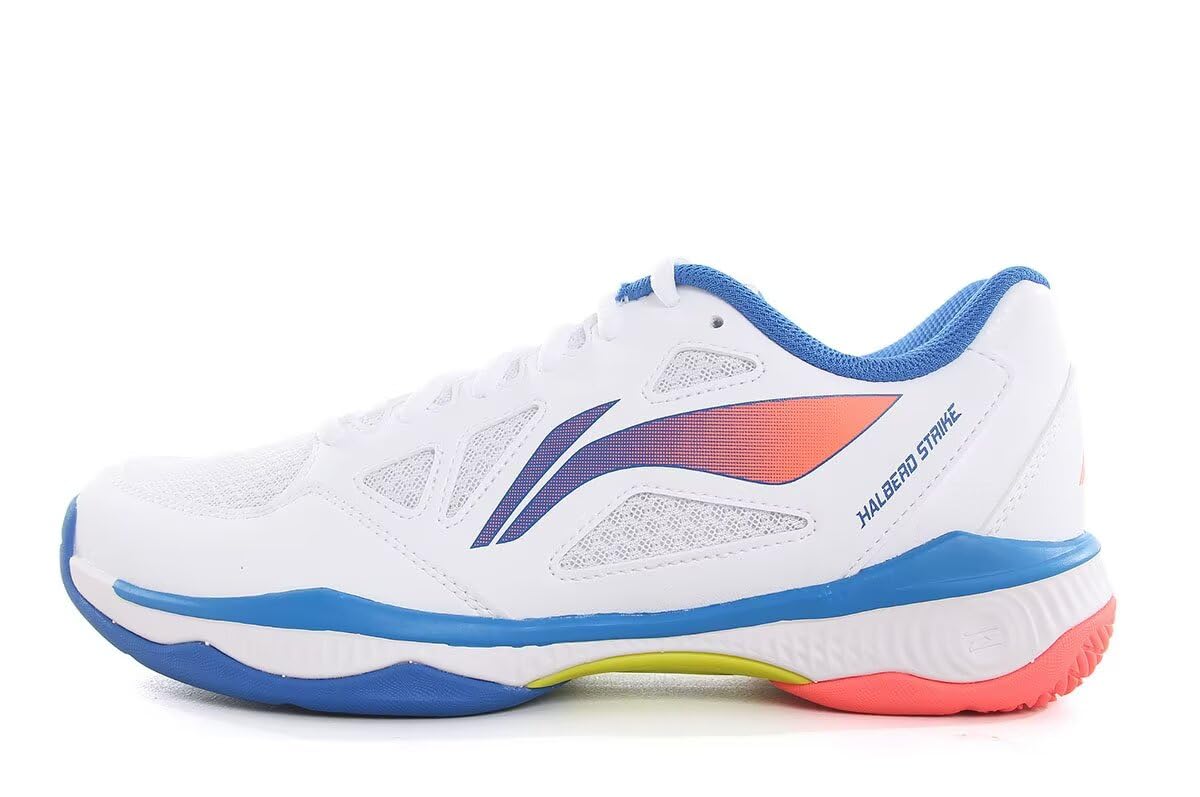
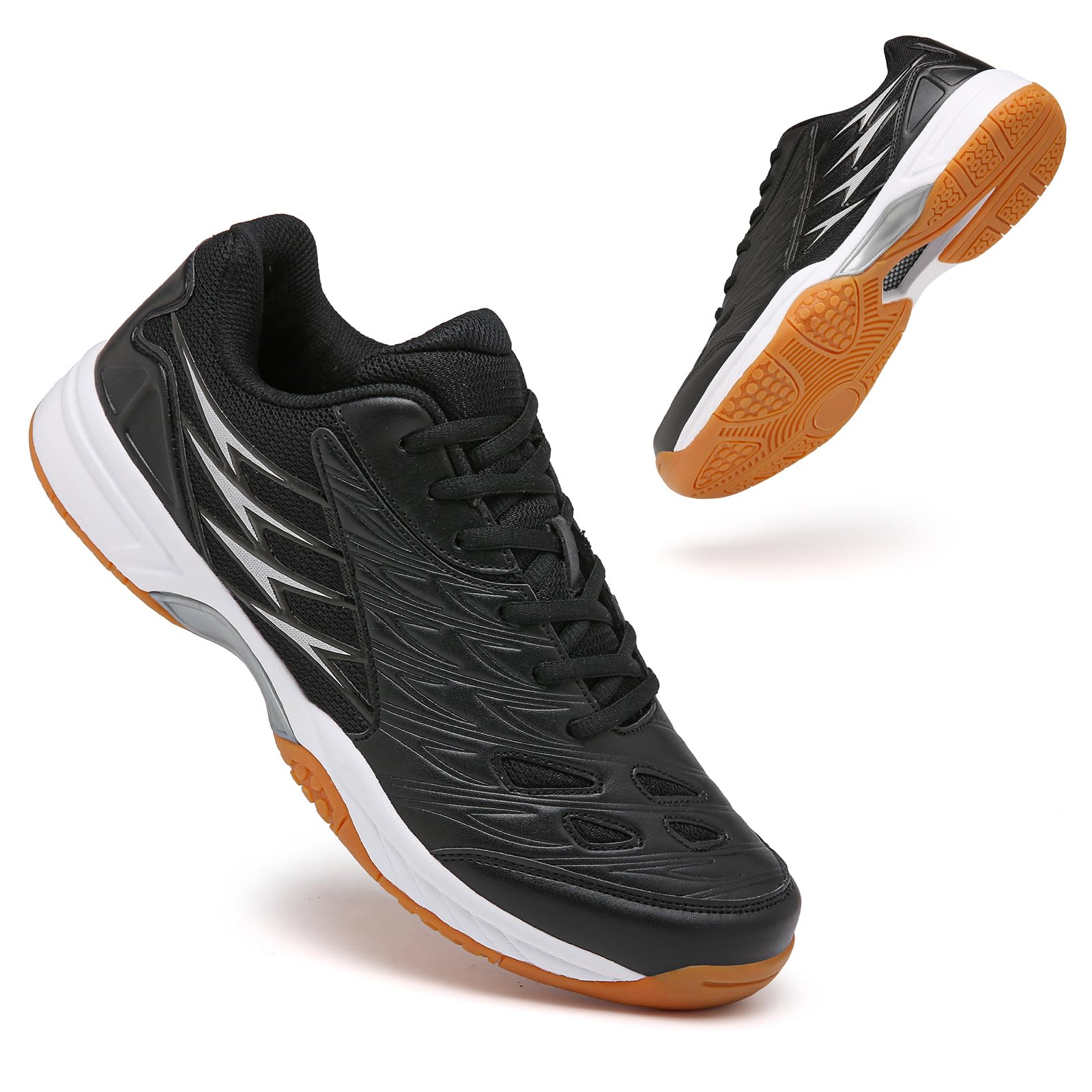

Who Should Buy Women's Badminton Shoes?
Regular Club and League Players
If you play two or three times a week, court shoes protect your ankles and knees from repeated lunges and are worth the investment. A reinforced toe area helps, since lunging wears the front of the shoe fastest.
Beginners and Social Players
New players mostly need grip and stability. A mid priced court shoe with gum rubber soles is enough, and it will feel more secure than a trainer from the first session.
Players With Narrow Feet or Slipping Heels
Many women find men's shoes too wide at the heel. Women's lasts are narrower through the heel and midfoot, which reduces slipping during lunges. Look for a firm heel counter and secure lacing to lock the foot in place.
Key Features to Compare
Sole Grip on Indoor Courts
Gum rubber soles grip wooden and synthetic indoor floors without leaving marks. A herringbone or multi directional tread helps you stop cleanly in any direction. Outdoor use wears these soles quickly, so keep court shoes for indoor play.
Lateral Support and Stability
Side support is what separates court shoes from running shoes. Look for reinforced sides, a stiff heel cup, and a midsole that does not collapse under sideways pressure. A low, wide base reduces the risk of rolling an ankle.
Cushioning and Weight
Landing from a jump smash loads heels and forefoot. Responsive cushioning absorbs impact without feeling mushy. Lightweight shoes help footwork speed, but very light shoes may give up support, so balance weight against stability.
Breathability
Mesh uppers vent heat during long rallies. Check that the mesh is backed by overlays at the sides so ventilation does not cost support.
If you are still deciding between genders and styles, compare with our guide to the best badminton shoes for the full range of options.
Getting the Right Fit
Measure your foot in the afternoon when it is slightly swollen, and wear the socks you play in. Leave about a thumb's width at the toe, with the heel snug and no slipping when you lunge. Many badminton brands, especially Asian ones, run narrow or small, so check the maker's size chart against your measured length in centimeters.
Try a side lunge when you try shoes on. Standing still hides heel slip and pressure points that show up quickly on court. If you wear orthotic insoles, check that the shoe has a removable insole.
Types of Badminton Shoes
Lightweight Speed Shoes
Thin and light, these favor quick footwork and attacking play. They wear faster and offer less cushioning for heavy landings.
Support Shoes
These add stiffer midsoles and side reinforcement for players with weak ankles or hard lungers. They feel heavier but protect better.
All Round Court Shoes
Balanced for social and club play. Many unisex court shoes for tennis, pickleball, and volleyball also work for badminton at a lower price, though pure badminton models offer better lateral grip.
Matching Shoes to Your Playing Style
Singles players cover the whole court and spend more time lunging to the rear corners, so they benefit from strong lateral support and cushioning that survives long rallies. Doubles players make shorter, sharper movements around the front and mid court, which suits a lighter, more responsive shoe. Players who jump often for smashes should look closely at heel and forefoot cushioning, because landing forces build up over a session.
Your body and history matter too. A heavier player or anyone returning from an ankle sprain should lean toward a supportive shoe even if it feels firmer. A lighter player who relies on speed may prefer a thin, flexible sole. When in doubt, choose stability, since a slightly heavier shoe is easier to live with than a twisted ankle.
Breaking In New Shoes
New court shoes can feel stiff for the first few sessions. Wear them for light drills before a full match, and lace them fully from the toes to the top eyelet so the heel stays locked. If a pressure point or numb toe does not ease after a few outings, the size or width is probably wrong. Return it while you still can rather than hoping it will stretch, and keep your original insoles available in case you want to compare fit.
Care and Common Mistakes
- Do not play badminton in running shoes, which can roll sideways during lunges.
- Air shoes after play rather than sealing them in a bag, and remove insoles to dry.
- Replace shoes when the tread is smooth or the cushioning feels flat, even if the upper looks fine.
- Keep court shoes off outdoor surfaces, which scuff the gum rubber and reduce grip.
- Rotate two pairs if you play most days.
If you feel persistent ankle or foot pain, stop playing and ask your doctor before continuing.
Frequently Asked Questions
Can I use tennis or pickleball shoes for badminton?
For casual play, yes. Indoor court shoes with non marking soles work reasonably well, but dedicated badminton shoes grip better in lunges and are lighter.
How often should I replace badminton shoes?
Regular players usually replace them every six to twelve months. Smooth tread and flattened cushioning are the signs.
Should I choose women's or men's sizing?
Choose the size chart that matches your foot shape. Women's lasts are narrower in the heel, while women with wide feet may prefer a unisex or men's model.
Do I need special socks?
Cushioned sport socks that wick moisture reduce blisters. Wear them when you try shoes on.
What is a good price for beginners?
Around $40 to $70 buys a decent court shoe, while premium models from specialist brands run $120 or more.
Final Thoughts
Grip, lateral support, and a secure heel decide a court shoe far more than color or brand. Compare the options in the product table above against your foot shape and playing frequency, and the best badminton shoes for women will be the pair that stops cleanly and feels planted on every lunge.


