
Best Badminton Shoes 2026: Buying Guide
Disclosure: We may earn a commission when you buy through links on this page, at no extra cost to you. As an Amazon Associate I earn from qualifying purchases. Learn more

A buying guide to badminton shoes, covering grip, lateral support, cushioning, fit, durability, and comfort for fast court movement and safer play.
When you start shopping for best badminton shoes, the choice can feel confusing, and badminton demands sideways speed, sudden stops, and jumps, so court shoes need lateral support far more than road running cushioning. This guide explains the main types in plain language so you can compare them without needing technical knowledge.
The comparison table below gives a quick overview of the main badminton shoe types, and the sections that follow explain who each type suits, which features matter most, and how to avoid common buying mistakes. By the end, you should be able to match a model to your playing style, your feet, and your budget.


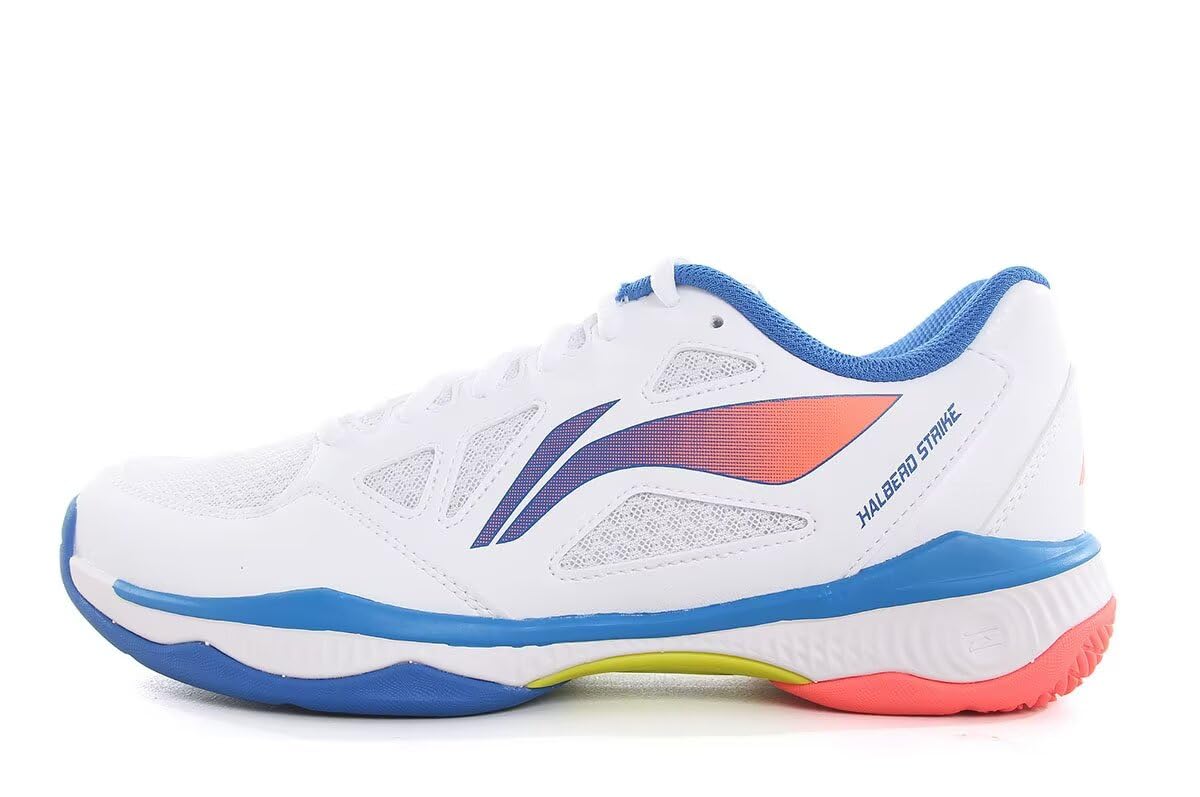
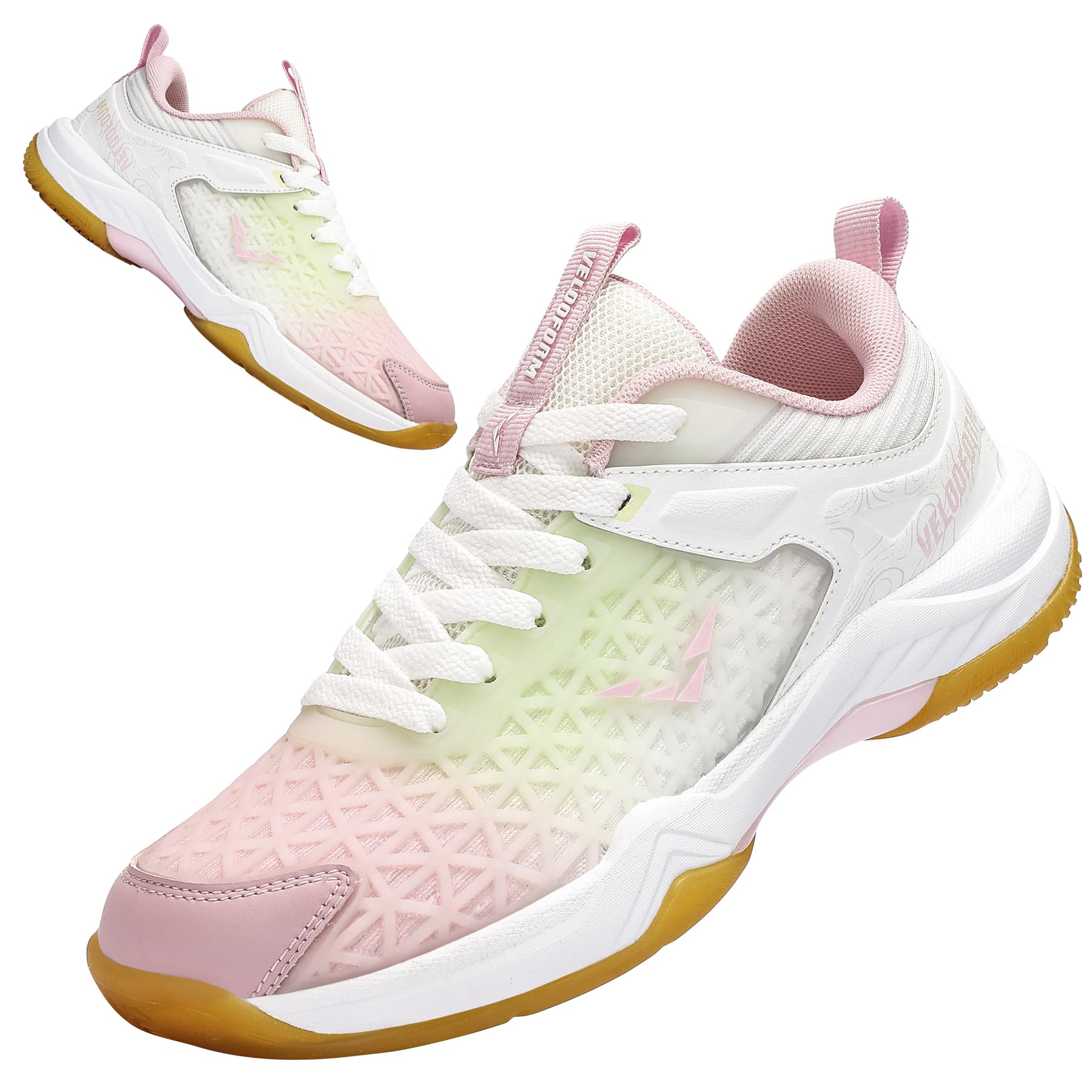
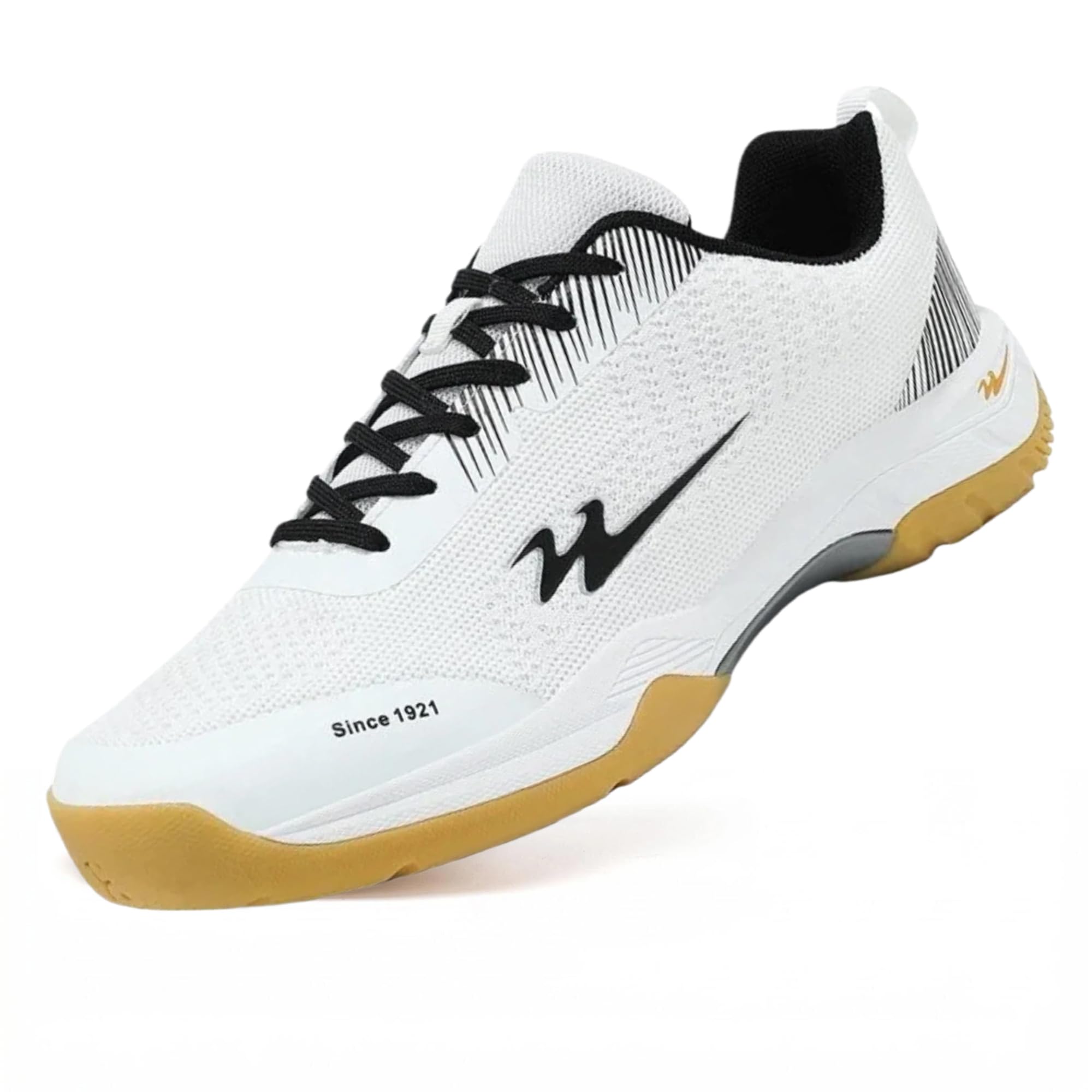
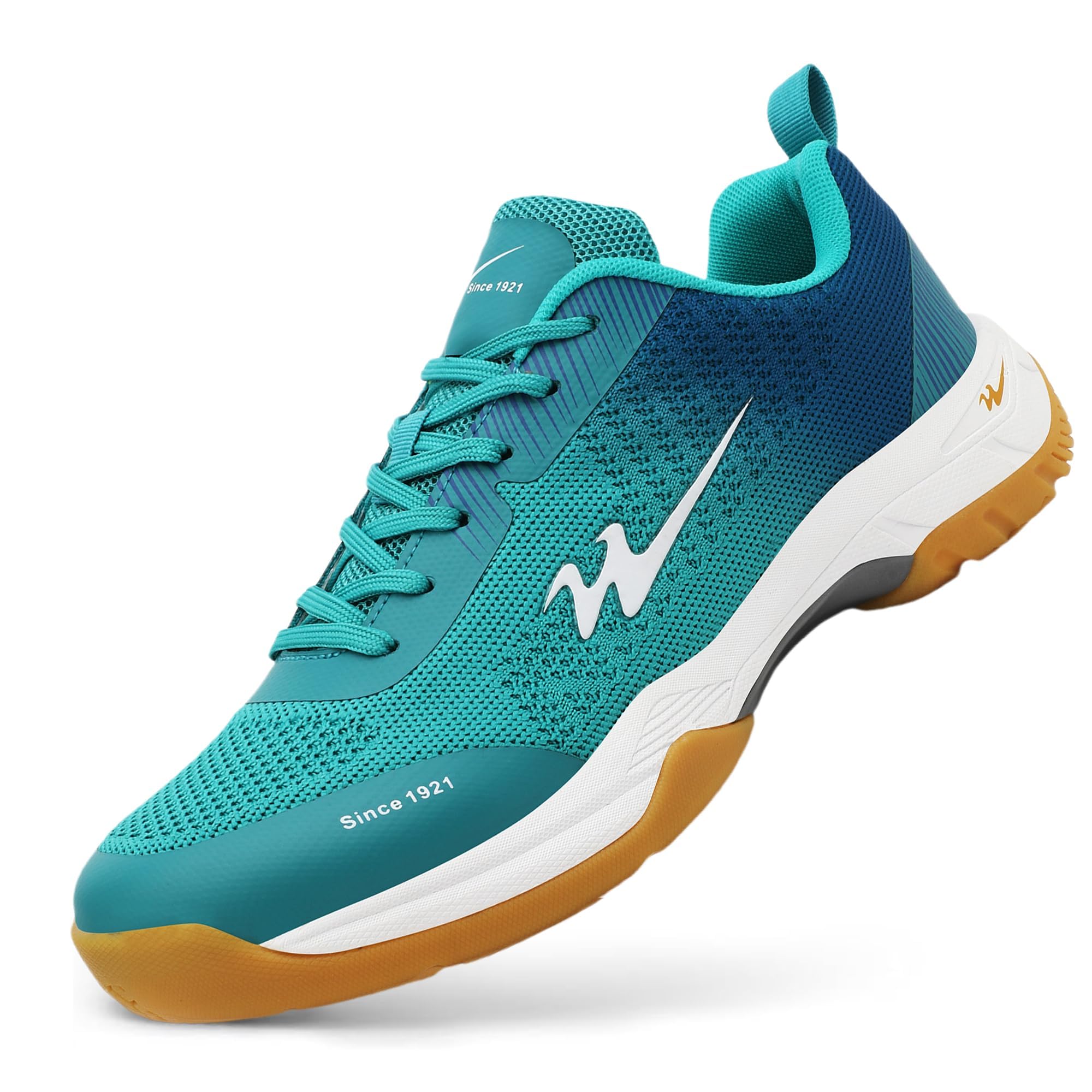

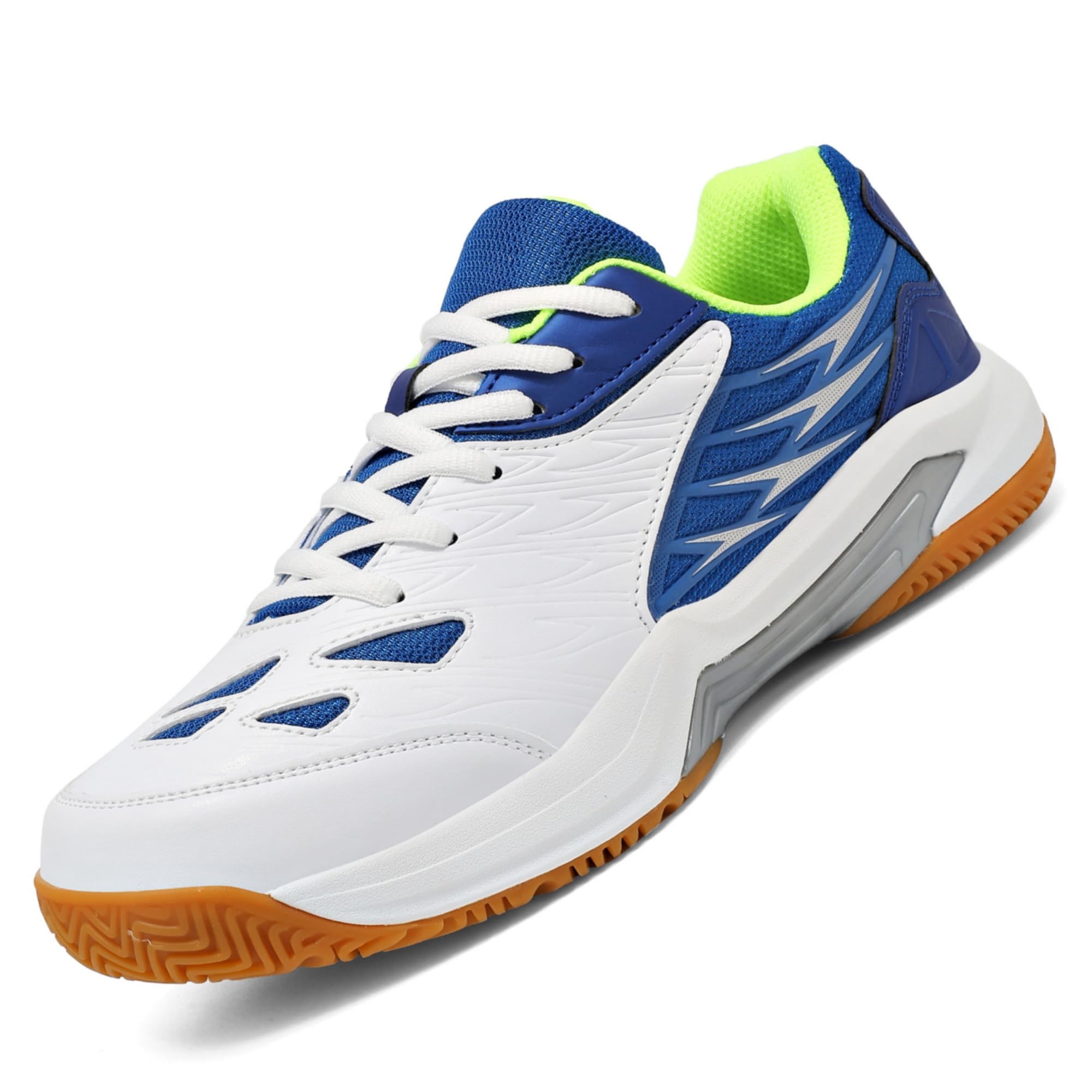
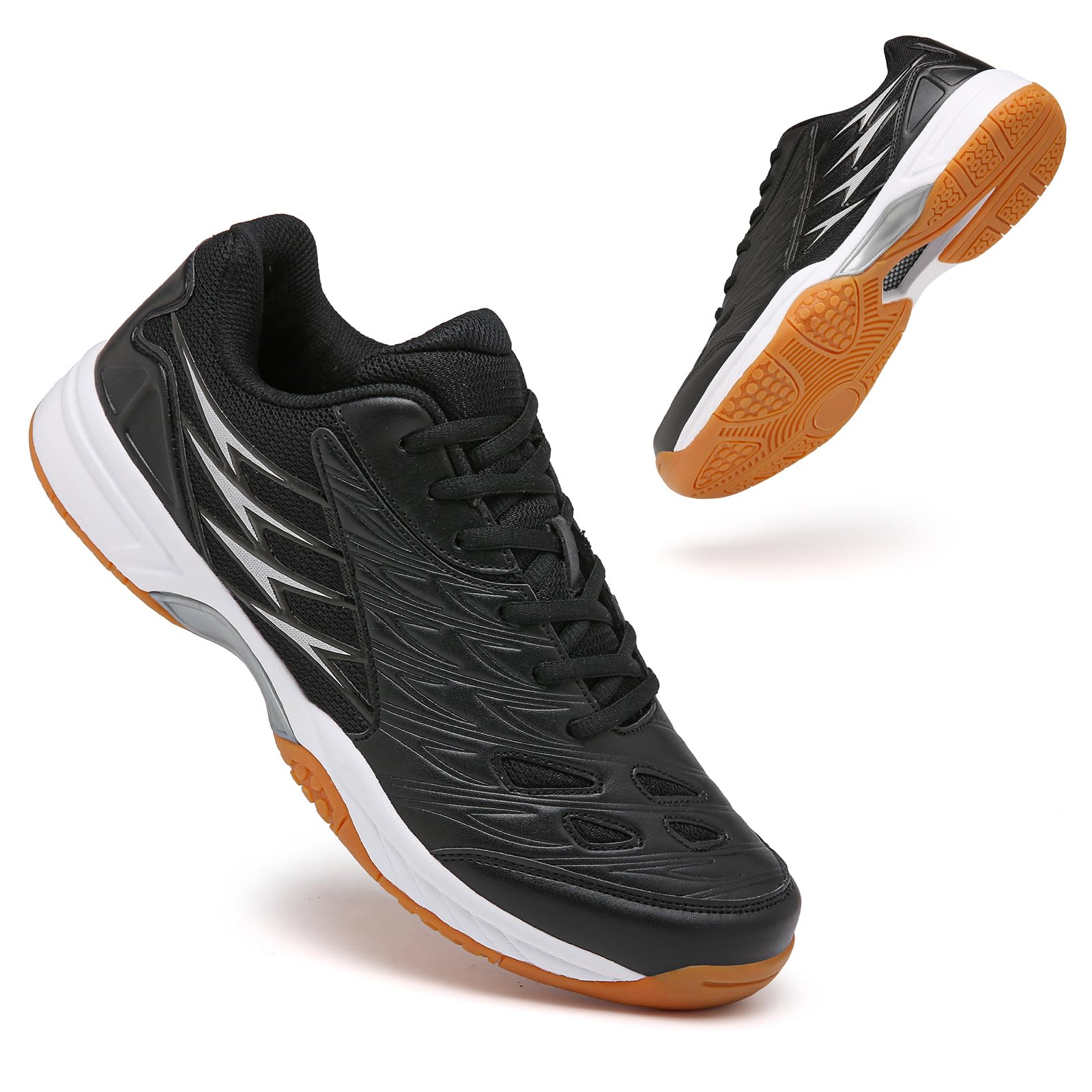
Price alone rarely tells the full story: fit, outsole life, and lateral support matter more over a season of play. Keep those factors in mind as you read.
Types of Badminton Shoes Compared
Different badminton shoe types suit different routines, so start by matching the type to how you will actually use it. The table below summarises the main options, and each type is explained in more detail underneath.
| Type | Best For | Typical Price |
|---|---|---|
| Lateral Support Shoes | Competitive court play | about $70 to $150 |
| Lightweight Speed Shoes | Fast attacking players | about $60 to $130 |
| Cushioned All Round Shoes | Casual and social play | about $50 to $110 |
Lateral Support Shoes
Lateral support shoes brace the foot during side to side lunges and quick direction changes. They suit regular players who move hard on court. A firm midfoot shank and a wide base help stability, though they can feel stiffer than soft trainers.
Lightweight Speed Shoes
Lightweight shoes favor speed and court feel, with thinner soles and less bulk. They suit attacking players who jump and lunge constantly. They wear faster under heavy use, so check outsole durability before choosing the lightest pair.
Cushioned All Round Shoes
Cushioned all round shoes balance comfort, grip, and support for social play and coaching. They suit players who play once or twice a week and want comfort without a specialist fit. They may lack the rigidity competitive players need.
For a wider comparison within this category, readers often also look at best badminton shoes for men, best yonex badminton shoes, best badminton shoes for women. Each guide covers a closely related option, so you can see how badminton shoe choices differ before settling on a type.
Who Should Buy Which Type
The right badminton shoe depends on who will use it and how often. The groups below cover the most common buyers, so find the one closest to your situation and note the features it prioritizes.
Club Players
Club players playing several times a week should invest in lateral support and durable outsoles. Court shoes wear at the toe from lunging, so a reinforced toe area extends life noticeably.
Beginners
Beginners should favor fit, grip, and comfort over brand. A shoe that fits snugly without pinching, grips cleanly on the court surface, and feels stable in a side lunge is a strong first choice.
Junior Players
Junior players need shoes that fit now, not shoes to grow into. Oversized court shoes slip during lunges and raise injury risk, so check fit with playing socks and replace as feet grow.
Key Features Explained
Marketing lists can hide what actually matters, so focus on the features below when comparing models. Each one affects daily use, running costs, or long term satisfaction in a direct way.
- Outsole Grip: Non marking gum rubber outsoles grip indoor courts without scuffing. Check the tread pattern for lateral movement, since a running shoe tread rolls and slips sideways on court.
- Lateral Stability: A stable shoe resists rolling during lunges. Look for a firm heel counter, a supportive midfoot, and a sole that stays flat under sideways load rather than collapsing.
- Cushioning and Impact: Jumping and lunging load heels and knees. Cushioning should absorb landing without feeling mushy, since too soft a shoe loses court feel and stability.
- Fit and Toe Protection: A snug midfoot, roomy toe box, and reinforced drag toe protect feet during lunges. Try shoes with playing socks and test a side lunge in store when possible.
Sizing and Fit
Measure your feet late in the day and wear your playing socks when you try shoes on. Leave about a thumb width at the toe, keep the heel locked, and check that the midfoot does not slide in a side lunge. Brands differ: many badminton brands run narrow or small, so compare your foot length in centimeters with the size chart instead of relying on your street size. Wide feet do better in models labeled wide or in roomier unisex court shoes, and a removable insole lets you add an orthotic if you use one.
Common Mistakes to Avoid
Wearing running shoes on court is the most common mistake. Another is buying a size up for comfort, which causes slipping. A third is ignoring worn grip until a slip happens.
Take time to measure your foot and read the size chart before ordering. A little preparation helps you spot a poor fit before the return window closes.
Care and Everyday Use
Air shoes after play, remove insoles to dry, and keep court shoes off outdoor surfaces. Clean soles with a damp cloth to restore grip, and rotate two pairs if playing very often.
Warm up before play, including side lunges and ankle mobility, and stop for sharp pain, swelling, or instability. Persistent ankle, knee, or foot pain deserves clinician assessment, and this guide covers footwear only, not treatment.
Frequently Asked Questions
Can I play badminton in running shoes?
Running shoes are built for forward motion and can roll sideways during lunges, which raises ankle injury risk. Court shoes with lateral support are safer and grip better on indoor surfaces, so they are worth the switch.
How should badminton shoes fit?
They should fit snugly through the midfoot with toes able to wiggle and the heel locked in place. A thumb width at the toe is a rough guide, but a side lunge test reveals slipping that standing still hides.
How long do badminton shoes last?
Regular club players often wear through outsoles or toe areas within six to twelve months. Casual players may get longer, but check grip and support regularly, since worn grip causes slips before the shoe looks broken.
Do I need different shoes for different court surfaces?
Indoor wooden and synthetic courts suit non marking gum soles. Outdoor or rough surfaces wear those soles fast, so keep court shoes for indoor play and use separate shoes outdoors.
When should I stop playing with foot pain?
Stop and rest if pain is sharp, swelling appears, or limping starts, and seek clinician advice if pain persists, the ankle gives way, or numbness develops. Playing through court injuries often turns a short rest into a long layoff.
Final Thoughts
Choosing the right best badminton shoes comes down to matching type, features, and budget to your real routine. Use the comparison table above as a starting point, check the details that matter for your situation, and favor a model you will actually enjoy using every day.


