
Best Badge Printers: Which One Fits the Way You Use It in 2026?
Disclosure: We may earn a commission when you buy through links on this page, at no extra cost to you. As an Amazon Associate I earn from qualifying purchases. Learn more

Pick badge printers by weekly volume, badge material, and cost per badge, from desk card printers to event models.
No single badge printer suits every office, school, or event, because badge work ranges from a few visitor passes a week to hundreds of staff cards in a single morning. The best badge printers for a small front desk will be a poor match for a conference team, and a high capacity card printer is wasted money if you only print paper name badges twice a year.
This guide groups buyers by how they actually print, then explains the types, running costs, and support questions that decide long term value. Check the comparison table below for a quick view of the styles, then match the sections to your own routine.

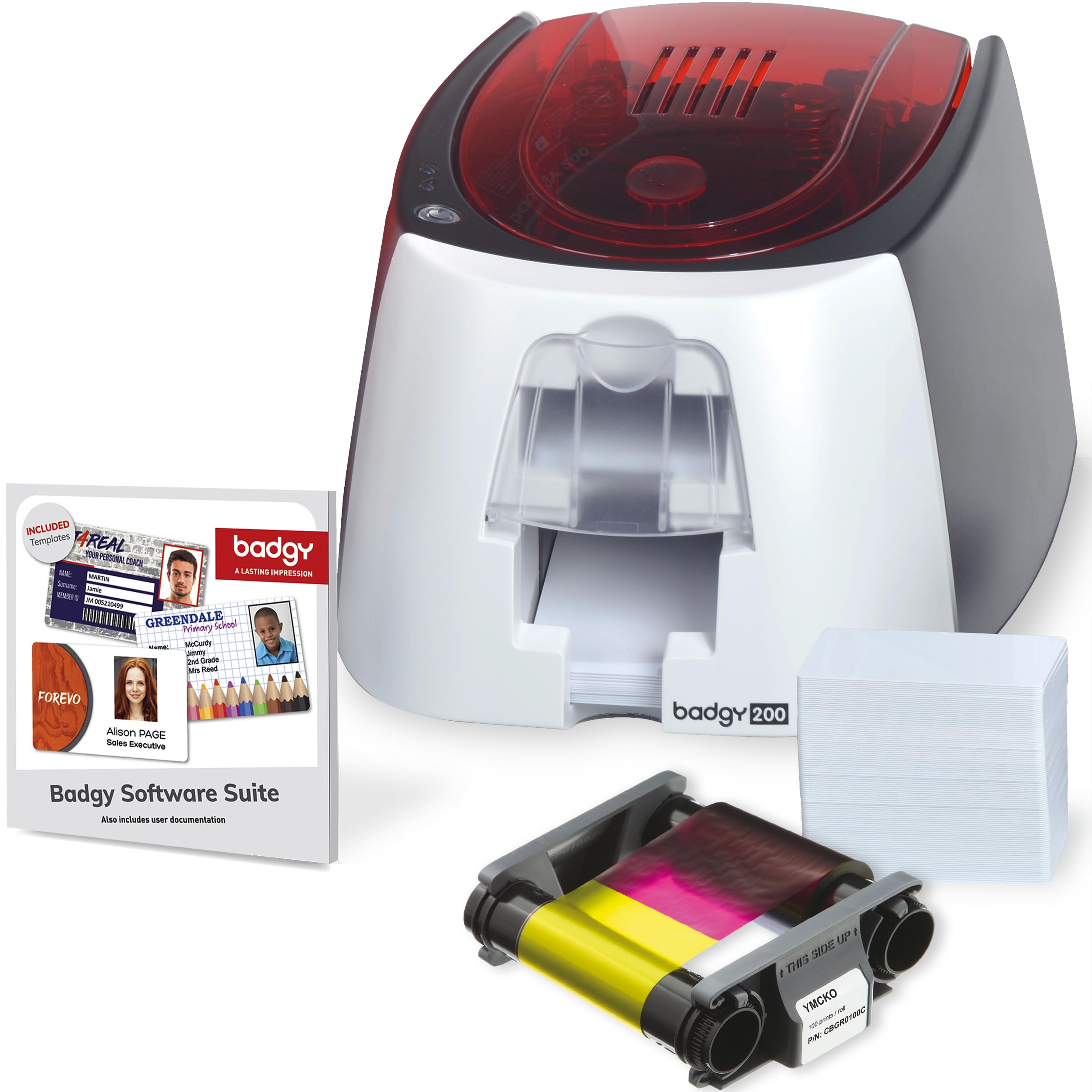


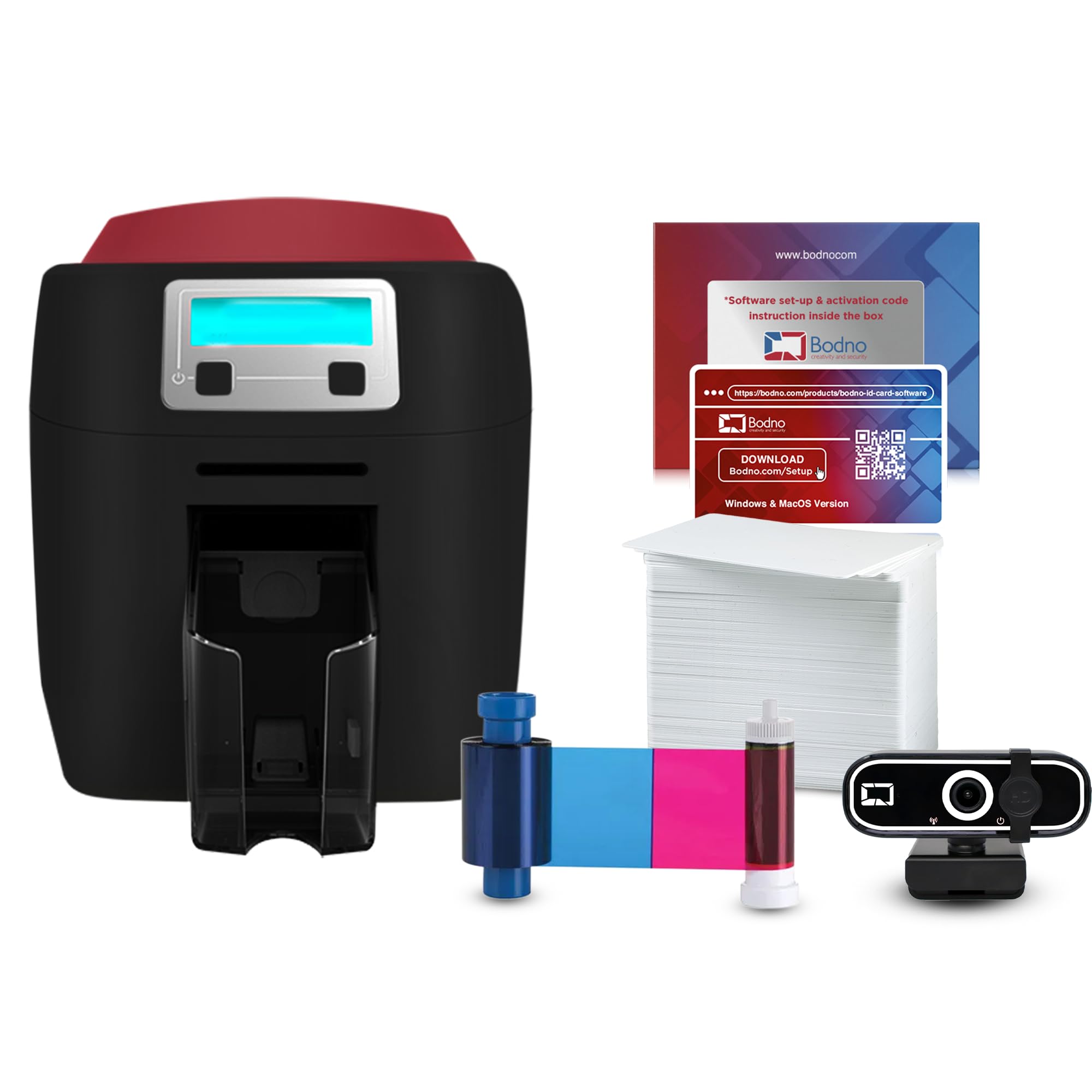
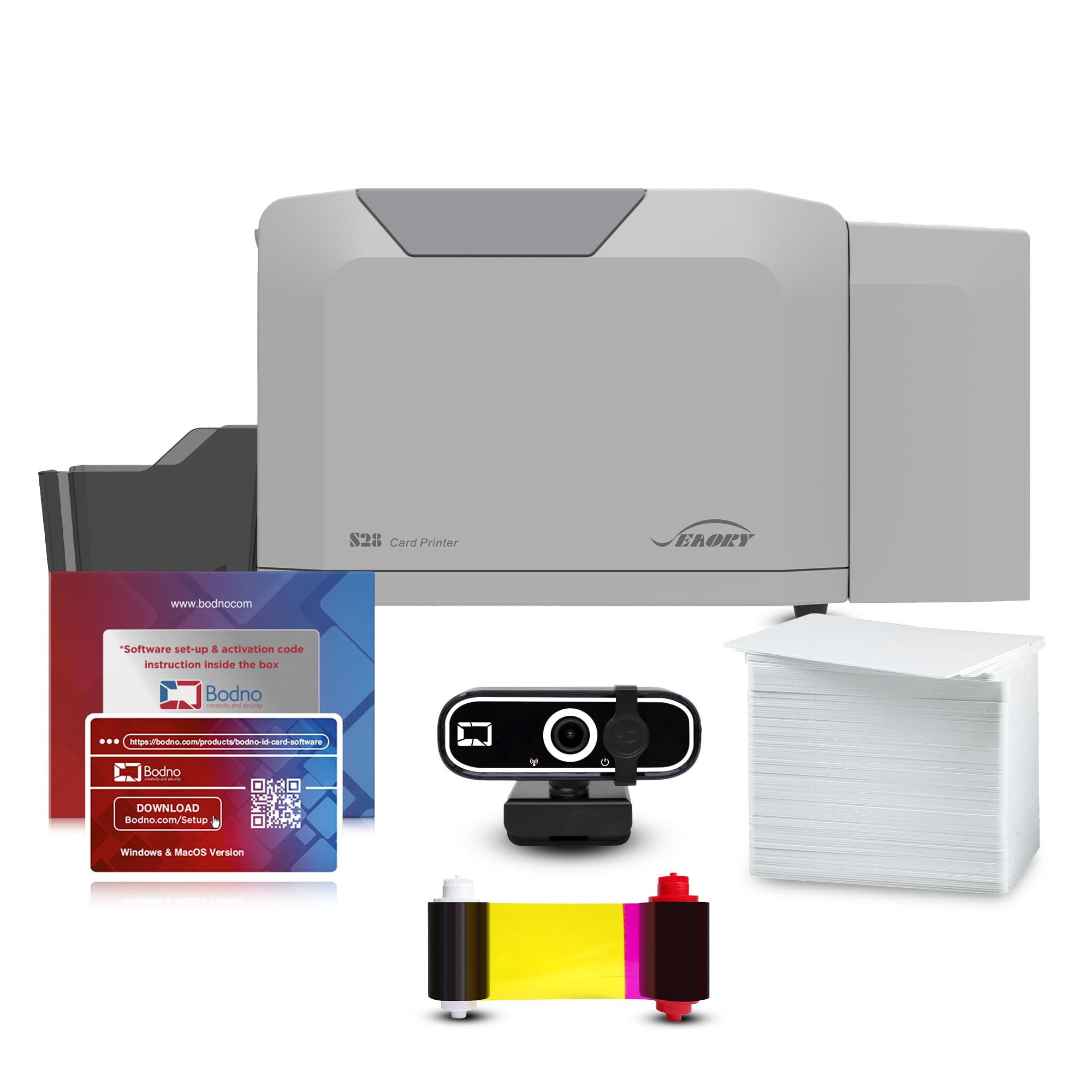


Who Should Buy Which Badge Printers?
Your weekly badge volume, the material you print on, and how long each badge must last are the three questions that sort buyers fastest. A durable plastic card for staff is a different job from a paper badge worn for one afternoon. Start with the group closest to your routine.
For Students and Everyday Users
Schools, clubs, and training centers print student and member badges in bursts at the start of a term, then only a few replacements each week. A simple single sided card printer or a thermal label printer for paper badges usually covers that pattern without staff training headaches. Prioritize easy ribbon or label changes, clear software, and a modest price, since the printer may sit idle between terms. Reliable everyday output matters more here than top print speed or advanced encoding.
For Events and High Volume Users
High demand users include conventions, festivals, and large conferences where check in lines form fast and hundreds of badges print in a few hours. For this group, speed per badge, a large input hopper, and dual sided printing save real time and labor. Encoding options for access control and quick reprints of lost badges matter too. Expect to pay more for capacity and throughput, and plan a backup unit or a service plan, because a failure at registration affects the whole event.
For Remote Workers and Creators
Small teams, coworking spaces, studios, and creators who run workshops need visitor and participant badges that look polished without a dedicated print room. A compact desktop model with WiFi, simple design software, and quiet operation fits a shared office or home studio. If you also print everyday documents in the same space, our guide to the best computer printers for home can help you decide what to keep as a separate document machine rather than forcing one device to do both jobs well.
Choosing Badge Printers for Your Situation
Most buyers fall between the extremes above, printing some badges every week and more during busy periods. The small business case below shows how to weigh the middle ground, where running costs and reliability quietly matter more than headline speed.
Best Badge Printers for Small Business: What to Prioritize
When you shop for best badge printers for small business use, prioritize total cost per badge, simple software your team can learn in an hour, and a warranty with reachable support. A growing business should also check that the model can add dual sided printing or card encoding later, so growth does not force a full replacement. Avoid paying for lamination or high security features unless clients or site rules actually require them.
Key Features to Compare
Spec sheets for badge printers mix terms from the wider printer world, so it helps to translate each feature into what it changes at your desk. Compare the models in the product table above against these four points, and weight cost per badge heavily if you print every week.
Printer Type
Dedicated badge and card printers use thermal transfer or dye based printing onto plastic cards or badge stock, which gives durable results that resist smudging. Standard inkjet and laser printers can handle paper badge inserts in plastic holders, a low cost route for short events, and ink tank models cut ink costs for that paper route. Dye sublimation card printers add a lamination or overlay panel for extra wear resistance. Color accuracy matters for photo badges, and readers printing photo documents too may compare our guide to the best printers for pictures.
Footprint and Noise
A badge printer often lives at a reception desk or registration table where space and appearance matter. Measure the desk area including room to open the card path and change ribbons, not just the closed body size. Noise varies less than with large office machines, but a loud unit at a front desk can interrupt conversations with visitors. Compact models with front loading cards suit small offices, while larger hopper models belong in a back room or event operations area.
Reliability and Support
Check driver support for your operating system, how often firmware updates arrive, and whether ribbons and blank cards are easy to reorder before you commit. A printer that jams during a morning registration rush costs more in staff time than a slightly pricier and steadier model. Look for a clear warranty term, a printhead coverage note, and cleaning kits in the box or sold by the maker. Buyers who value build quality across office machines may also want to see our guide to the best quality printers for general construction points.
Print Speed
Badge speed is best read as badges per hour or seconds per card, not the pages per minute figure used for document printers. A color card may take about 20 to 40 seconds, while a simple monochrome card or thermal label prints far faster. Match speed to your peak hour, since average weekly volume hides the registration rush that actually causes lines.
Common Mistakes to Avoid When Buying Badge Printers
- Looking only at the purchase price and ignoring ribbon, card, and cleaning kit costs that set the real cost per badge.
- Choosing a paper only setup for staff badges that must survive months of daily wear, rain, and friction in a wallet or lanyard.
- Buying a high capacity hopper model for a desk that prints five badges a week, then struggling with its size and upkeep.
- Forgetting to check software compatibility with your computer and your existing photo or member database.
- Skipping warranty and printhead terms, even though the printhead is one of the most costly parts to replace.
Tips to Get the Most From Your Badge Printer
Run a small test batch before any big print run so color, alignment, and spelling errors show up on spare cards first. Store blank cards and ribbons in a clean and dry place, handle cards by the edges to keep oils off the print surface, and use the cleaning cycle or cleaning cards on the schedule the manual gives. Keep a spare ribbon and a pack of cards in stock so a busy Monday never waits on a delivery. If you use an inkjet for paper badge inserts, print a page each week to help prevent clogs, and choose genuine or reputable ink for consistent color.
Frequently Asked Questions
Are ink tank printers worth it?
Ink tank models are worth it only for the paper badge route, where you print inserts on a standard printer and slide them into holders. Their low ink cost helps schools and clubs that print many paper badges each term. They cannot print directly onto plastic cards, so staff ID work still needs a dedicated card printer. Count holder and insert costs too, since the finished badge price is what matters.
Inkjet or laser: which is cheaper long term?
For paper badge inserts, laser printing is often cheaper per page at higher volumes and the output resists smudging from damp hands. Inkjet can cost less to buy and handles color photos on badges more gracefully at low volumes. Over years of weekly use, toner and drum costs usually beat small ink cartridges. Your badge volume and whether badges are color or plain text decide which side wins.
What does cost per page mean?
Cost per page means the consumable cost to produce one printed page, and for badges the clearer measure is cost per finished badge. Add the ribbon or ink share, the blank card or paper and holder, and a portion for cleaning kits and printhead wear. A low priced printer with costly ribbons can produce pricier badges than a midrange model. Ask for yield figures per ribbon to compare honestly.
Do I need a dedicated card printer for badges?
Only if you want durable plastic ID cards. For paper badges in holders, a regular laser or inkjet printer is enough and costs far less. Beginners who want plastic staff or student cards should start with a simple single sided card printer bundled with design software and a starter supply of cards and ribbon, since the bundle removes guesswork about compatible consumables.
Final Thoughts
Let your badge material, peak volume, and cost per badge drive the choice, and treat speed and encoding as upgrades you buy only when your routine demands them. The best badge printers for you will fit your desk, your software, and your busiest morning without drama. Compare the options in the product table above against those three points and order spare consumables with the printer itself.

