Best Backyard Pizza Ovens: A Practical Buying Guide for 2026
Disclosure: We may earn a commission when you buy through links on this page, at no extra cost to you. As an Amazon Associate I earn from qualifying purchases. Learn more
Best backyard pizza ovens compared by fuel, size and portability, with safe setup and care tips for your patio.
A backyard pizza oven reaches the 700 to 900 degree heat that home ovens cannot, so a pizza bakes in 60 to 90 seconds with a crisp, blistered crust. The best backyard pizza ovens differ mainly in fuel, size and portability, and the right one depends on how often you cook and how much space you have. This guide explains the choices in plain language.
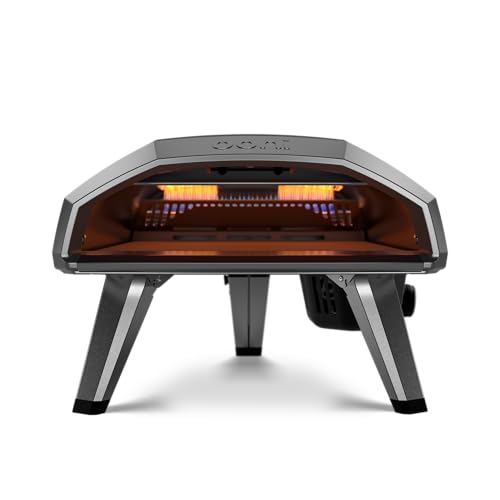
Use the table of picks below for a quick overview, then read the sections that follow to match an oven to your patio and routine.
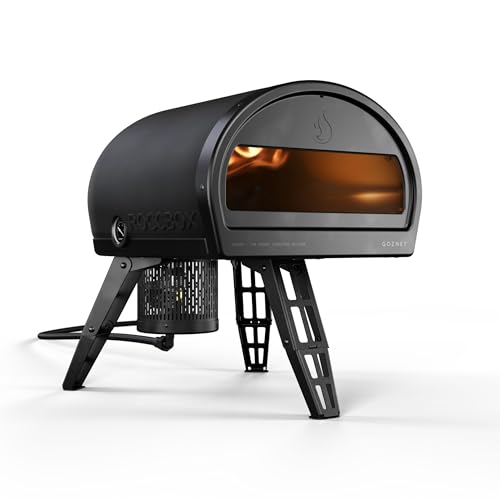

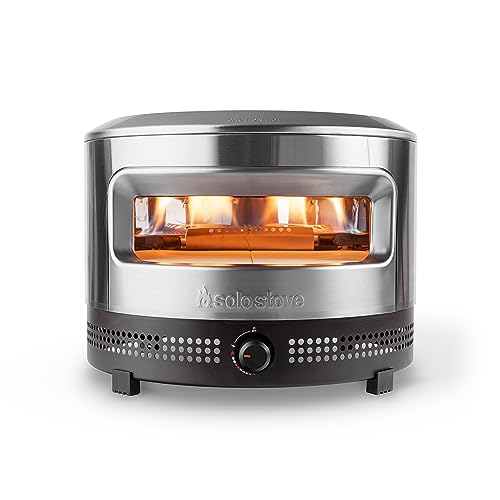
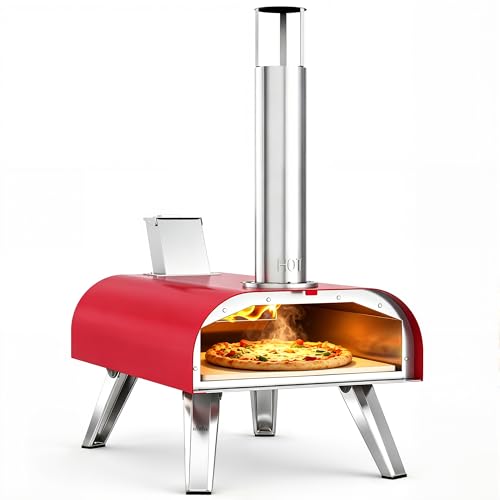
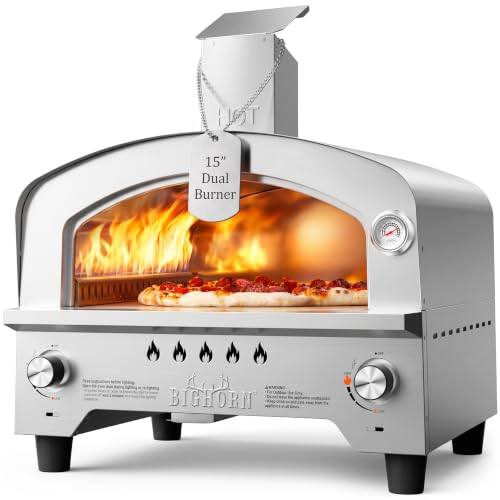

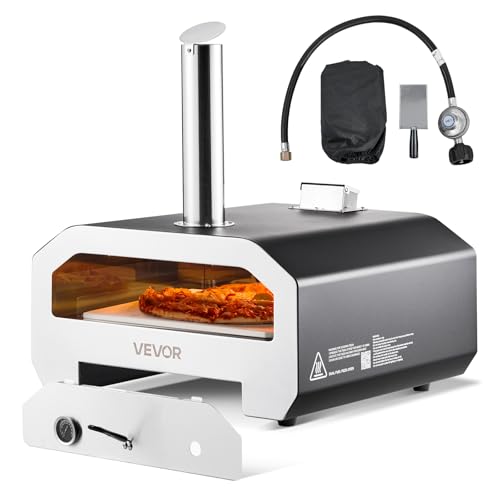
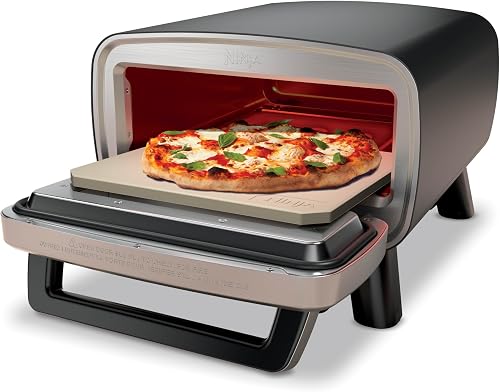
Fuel Types Compared
Gas (Propane) Ovens
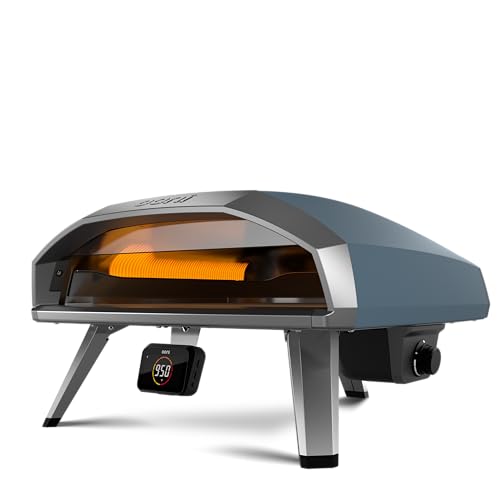
Gas ovens light with a dial, heat up in about 15 minutes and hold a steady temperature, which makes them the easiest choice for beginners and weeknight cooking. A refillable propane tank powers most models, and prices often range from about $250 to $800.
Wood and Pellet Ovens
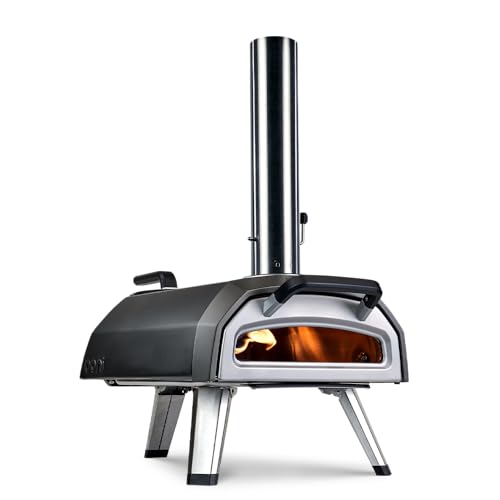
Wood or pellet fired ovens deliver the smoky flavor many people associate with traditional pizza. They need more attention to maintain the fire and take a little practice, but they are fun for enthusiasts. Many portable models burn pellets and accept an optional gas burner.
Multi Fuel Ovens
Multi fuel ovens run on wood, charcoal or gas, giving flexibility to switch between convenience and flavor. They cost more, but they suit people who cook often and want options.
Electric Ovens
Electric countertop pizza ovens plug into an outlet and offer precise temperature control without an open flame. They are handy where gas or fire is restricted, though top temperatures are usually lower than gas or wood models.
Size and Portability
Most portable ovens bake a 12 inch pizza, while larger 16 inch models take bigger pies or let you cook flatbreads, meat and vegetables in a skillet. A compact oven weighs roughly 20 to 40 pounds and sets up on a sturdy table in minutes, while a built in or freestanding oven is heavy and permanent. Measure your table or cart, and check clearance around the oven for heat.
Key Features to Compare
- Time to reach cooking temperature, typically 10 to 20 minutes for most models.
- Stone size, which sets the largest pizza you can bake.
- Insulation and heat retention between pizzas.
- Built in thermometer or temperature control.
- Weather resistant materials and the availability of a cover.
- Door opening size, which affects how easily you turn and load pizzas.
Getting Started
Place the oven on a stable, heat resistant surface outdoors, away from walls, fences and overhanging branches, with clear space on every side. Never use a fuel burning oven in a garage, tent or enclosed space, because burning fuel produces carbon monoxide. Preheat the oven fully, dust the peel with flour or semolina, and launch the pizza with a quick, confident motion. Use a long handled peel and turn the pizza frequently, since the back of the oven is hotter.
Safety Notes for Outdoor Cooking
Keep children and pets away from a hot oven, never leave a lit oven unattended and keep a fire extinguisher or water source nearby. Wear heat resistant gloves and let the oven cool fully before cleaning or covering it. Follow the manufacturer's instructions for fuel connections and check hoses and seals before each use.
Care and Maintenance
Brush ash and crumbs from the stone once the oven is cool, and avoid soaking a hot stone in water. Keep the flue or vent clear and wipe the outside with a dry cloth. Store fuel in a dry place away from the oven, and keep the oven covered between uses. A quick check for cracks or loose parts before each cook helps you spot problems early.
Accessories Worth Having
A good oven needs a few tools to perform. A metal launching peel slides the pizza in, and a smaller turning peel rotates it during the bake. An infrared thermometer helps you check the stone temperature before launching, since the dial alone can be misleading. Add heat resistant gloves, a bench scraper for dough, and a stiff brush for cleaning the stone. A fitted cover protects the oven from rain, and a sturdy stand or cart gives the oven a safe, level base at a comfortable working height. These items cost far less than the oven itself and make the first few cooks much easier.
Budget Guide
Basic portable pellet ovens begin around $130 to $250, mid range gas ovens run roughly $300 to $500, and premium multi fuel or large capacity models range from $600 to $1,000 or more. Add the cost of a peel, an infrared thermometer, a cover and fuel. The best backyard pizza ovens for you are the ones you will use regularly, so choose the simplest fuel and size that suits your routine.
Common Mistakes to Avoid
- Skipping a full preheat, which leads to pale, doughy crusts.
- Using a table that cannot handle the oven's weight or heat.
- Buying an oven too large for your space or too small for your family.
- Ignoring the fuel supply, such as not having propane or pellets on hand.
- Leaving the oven uncovered through rain and winter.
Related Guides
For nearby choices, see our guides to the best pizza ovens, the best portable pizza ovens and the best propane pizza ovens.
Frequently Asked Questions
How hot does a backyard pizza oven get?
Most reach 700 to 950 degrees Fahrenheit, and some multi fuel models reach over 1,000 degrees, which bakes a pizza in about a minute.
What size pizza oven should I choose?
A 12 inch oven suits couples and small families. Choose a 16 inch oven if you want larger pies or like to cook other foods.
Can I use a pizza oven in the rain?
Most ovens are weather resistant but should not be used in heavy rain or stored uncovered. Cover the oven and keep fuel dry.
Gas or wood: which is better?
Gas is easier and more consistent. Wood offers more flavor and a bit more work.
How long does it take to learn?
Most people get decent results in a few cooks. Practice with launching and turning pizzas makes the biggest difference.
Final Thoughts
Pick a fuel you will enjoy tending, a size that fits your table and your group, and plan for safe setup and regular care. With those decisions made, the best backyard pizza ovens in the table above are easy to compare. Use this guide as a checklist before you order.