
Best Backpacking Slippers: How to Pick the Right Pair for 2026
Disclosure: We may earn a commission when you buy through links on this page, at no extra cost to you. As an Amazon Associate I earn from qualifying purchases. Learn more

Best backpacking slippers matched to real trips: compare fit, warmth, weight and grip so camp evenings stay comfortable.
There is no single pair that suits every backpacker, because camp life looks very different from one trip to the next. The best backpacking slippers for a summer weekend in a dry valley will feel wrong on a wet shoulder season trek, and a pair built for warmth can feel bulky in a small pack.
This guide starts with how you actually travel, then walks through fit, cushioning, and durability so you can match features to your trips. Use the table below to see how styles differ at a glance, then read the sections that match your plans most closely.


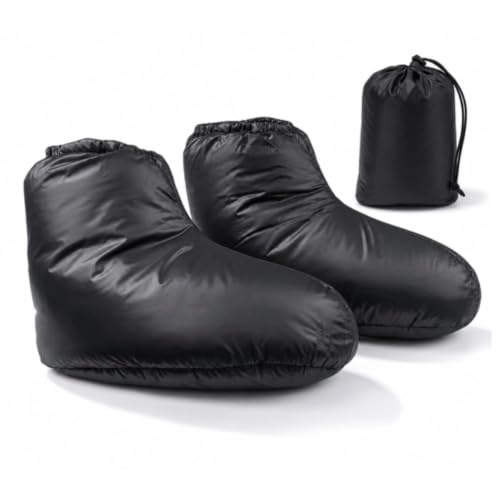


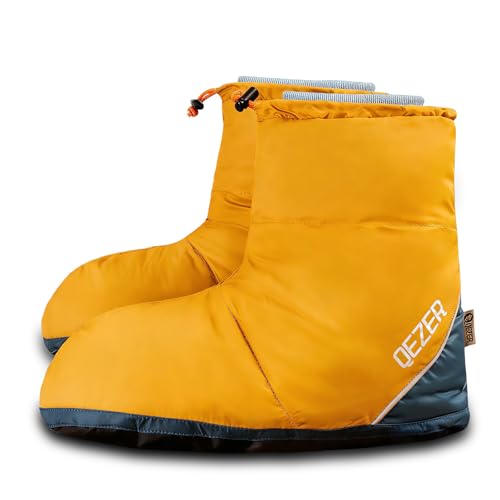


Who Should Buy Which Backpacking Slippers?
Start with your most common trip, not your most extreme one. Think about pack space, evening temperatures, ground conditions around camp, and how long you walk in camp footwear each day. Those four answers point you toward the right weight, outsole, and insulation level far faster than any single feature list.
For Small Spaces and Easy Storage
If pack volume is tight, look for a soft and flexible design that flattens or folds without a thick rigid sole. Lightweight synthetic uppers pack smaller than bulky insulated models and dry faster after a damp evening. A simple slip on shape also saves time when you step out of the tent at night. Accept that the thinnest camp shoes offer modest grip, so they suit established campsites with flat ground better than rocky or muddy sites.
For Bad Weather and Tough Conditions
Wet grass, cold wind, and uneven ground call for a sturdier outsole, a closed upper, and water resistant materials that shed light moisture. Look for deeper tread lugs for grip on slick surfaces and a raised edge around the sole that keeps splash water away from your socks. Warm lining helps on frosty mornings, but it adds bulk, so balance warmth against pack space. If you expect standing water or deep mud, camp slippers alone will not stay dry, and you should plan dry socks and a sheltered changing spot as part of your system.
For Weekend Beginners
New backpackers do best with a forgiving and affordable pair that is comfortable straight away and simple to care for. You do not need the lightest or warmest option for two or three nights on marked trails. Prioritize a secure fit that will not slide off on a short walk to water, plus enough cushioning to rest tired feet. As you learn what your feet need, you can upgrade later with a clearer sense of what matters to you.
For Frequent or Serious Users
If you camp often or walk long distances, durability and support matter more than saving a few grams. Look for stronger stitching, a firmer midsole that resists packing down, and an outsole that still grips after months of use. A clear warranty and replaceable insoles add value over a full season. Many frequent users also keep a more protective shoe for the trail itself, and if that is you, see our guide to the best backpacking shoes for trail focused options that pair well with lighter camp footwear.
Key Features to Compare
Features only matter when they solve a problem you will actually face in camp. Use the points below to compare models in the product table above, and pay the most attention to fit first, because even excellent cushioning cannot fix a pair that pinches or slips.
Fit, Sizing, and Toe Box
Measure your feet in the afternoon or after a walk, when they are at their largest, and check sizing with the socks you plan to wear in camp. Your toes should have room to spread after a day of hiking, when feet often swell, so a roomy toe box usually feels better than a narrow fashion shape. If you fall between sizes, most camp styles feel better sized up rather than down, especially with thick evening socks. Walk around indoors first and confirm your heel stays in place without your toes pressing the front.
Break In Period and Comfort Out of the Box
Most soft camp slippers need little break in time, but stiff soles and snug uppers can need several evenings of wear before they relax. Wear a new pair around the house and on short walks before a trip, and note any rubbing on the heel or across the top of the foot. Padding should feel even, with no hard seams over the toes. If comfort does not improve after a few short sessions, the size or shape is likely wrong, and exchanging early is wiser than hoping a long trail will fix it.
Durability and Expected Lifespan
Camp footwear wears at the heel, the toe, and the folds where the upper bends, so inspect those areas in product photos and descriptions. Dense sole material and reinforced stitching usually outlast very soft foam that compresses quickly. Lifespan depends on ground type, since gravel and rock wear soles faster than grass and tent floors. For context, trail running shoes are often replaced after about 300 to 500 miles, while camp slippers used only in the evening should last far longer in calendar time if you store them dry and clean.
Arch Support and Foot Type
Flat feet, high arches, and overpronation all change what feels restful after hiking. If your arches ache in flat house shoes, choose a contoured footbed with gentle arch support rather than a completely flat sole. If you use custom insoles, check that the slipper insole removes easily and that the interior has enough depth. Readers comparing options for home use as well as camp may also want to see our guide to the best quality slippers for construction details that carry over between settings. Stop and seek medical advice if you have persistent foot pain, numbness, or a condition such as diabetes that affects circulation, and talk with your clinician about footwear for your personal needs.
Common Mistakes to Avoid When Buying Backpacking Slippers
- Choosing on price alone and ending up with thin soles that feel every stone on the way to the water tap.
- Ignoring fit, sizing, and toe box shape, then discovering swollen evening feet have no room to relax.
- Buying far too large for warmth, which makes the heel slip and raises the risk of a stumble in the dark.
- Picking a warm and bulky pair for summer trips where a breathable and light pair would pack and feel better.
- Skipping the warranty and returns terms, even though sizing for camp footwear varies a lot between brands.
How to Make Your Backpacking Slipper Last Longer
Air dry wet pairs away from direct heat, since a campfire or radiator can warp foam and loosen glue. Brush off dried mud before storage and loosen any straps or closures so the upper keeps its shape. At home, rotate two pairs if you wear camp slippers daily, giving foam a full day to recover between uses. Store them clean and dry in a breathable bag rather than sealed plastic, and check soles before each trip for smooth spots that reduce grip. Women comparing camp pairs with home pairs may find sizing notes in our guide to the best slippers for women useful when choosing between size ranges.
FAQs
Do I need waterproof backpacking slippers?
You only need strong water protection if your trips often involve wet ground, snow, or stream crossings near camp. For most summer routes, a water resistant upper and quick drying lining handle dew and light rain well. Fully waterproof materials can feel warmer and dry more slowly once wet inside. Choose based on your wettest typical trip, not a rare worst case.
How long is the break in period for backpacking slippers?
Most soft styles feel comfortable within two or three short wears, while firmer soles may need about a week of evening use. A useful test is a walk of about twenty minutes without heel lift or toe pressure. Blisters or sharp rubbing rarely improve with more wear, so treat them as a fit warning. Never save a brand new pair for the first night of a long trip.
Can I wear backpacking slippers all day?
You can wear them for camp chores and short gentle walks, but most are not built for a full day of rough trail walking. Their soles are thinner and their uppers hold the foot less securely than hiking shoes. Wearing them all day on rocky ground can leave feet sore and wear the sole quickly. Save them for rest time so the cushioning stays supportive when you need recovery most.
How should backpacking slippers fit?
They should feel secure at the heel, roomy at the toes, and snug enough that you can walk without gripping with your toes. Aim for a thumb width of space in front of your longest toe when standing. Try them late in the day with camp socks for the most honest fit. If your heel lifts with every step, try a smaller size or a style with a back strap.
Are expensive backpacking slippers worth it?
They can be worth it if the higher price buys lighter materials, a more durable sole, or warmth without bulk that you will use often. For a few nights a year, a midrange pair usually delivers the comfort you need. Price alone does not guarantee fit, so spend first on the shape that suits your feet. Frequent backpackers tend to gain the most from premium construction over many seasons.
How often should I replace my backpacking slippers?
Replace them when the cushioning feels flat, the tread looks smooth, or the upper no longer holds your foot securely. For regular users that may be after a season or two of heavy use, while occasional campers may get several years. Check the heel area for uneven wear, which can change how your foot lands. If camp walks start to feel tiring rather than restful, the pair has likely done its job.
The Bottom Line
Match the pair to your pack space, your usual weather, and the state of your feet at the end of a hiking day, and put fit ahead of every other feature. The right best backpacking slippers choice is the one you forget you are wearing while you cook, rest, and move around camp. Look again at the table above, check sizing with your camp socks in mind, and pick the style that fits your most common trip.


