
Best Backs Rugby Boots: Every Type Explained for 2026
Disclosure: We may earn a commission when you buy through links on this page, at no extra cost to you. As an Amazon Associate I earn from qualifying purchases. Learn more

Compare backs rugby boots by type for speed, kicking and cutting, with fit, stud and upper guidance to help you pick the right pair for your role.
Backs play a different game from forwards. You sprint into space, step off either foot, chase kicks and often strike the ball, so heavy boots built for scrums slow the work you do most. The best backs rugby boots trade bulk for pace, grip for sharp cuts and a clean surface for kicking. Use the table below to match each type to your role and ground.
This guide compares boot types rather than named models. It explains which backs need a light speed boot, which need a kicking focus and which need longer studs for soft ground, then covers fit, studs and care.

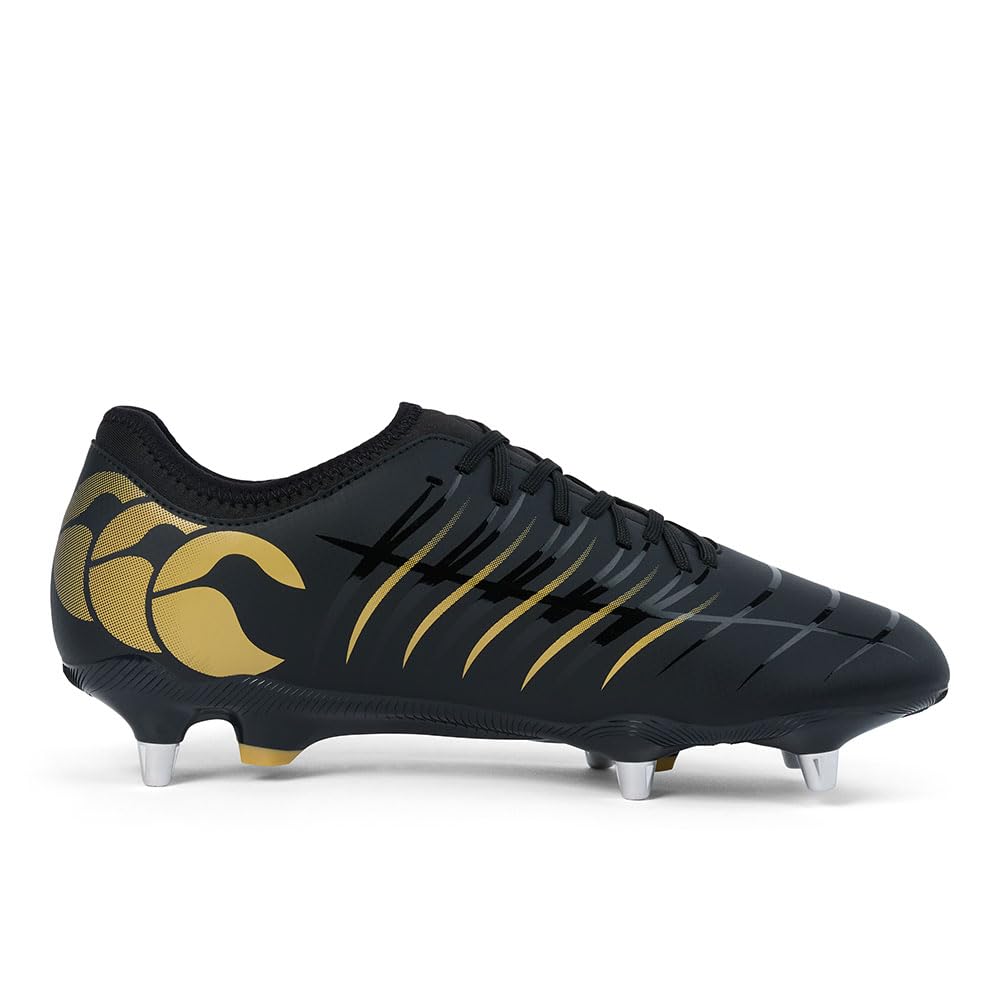
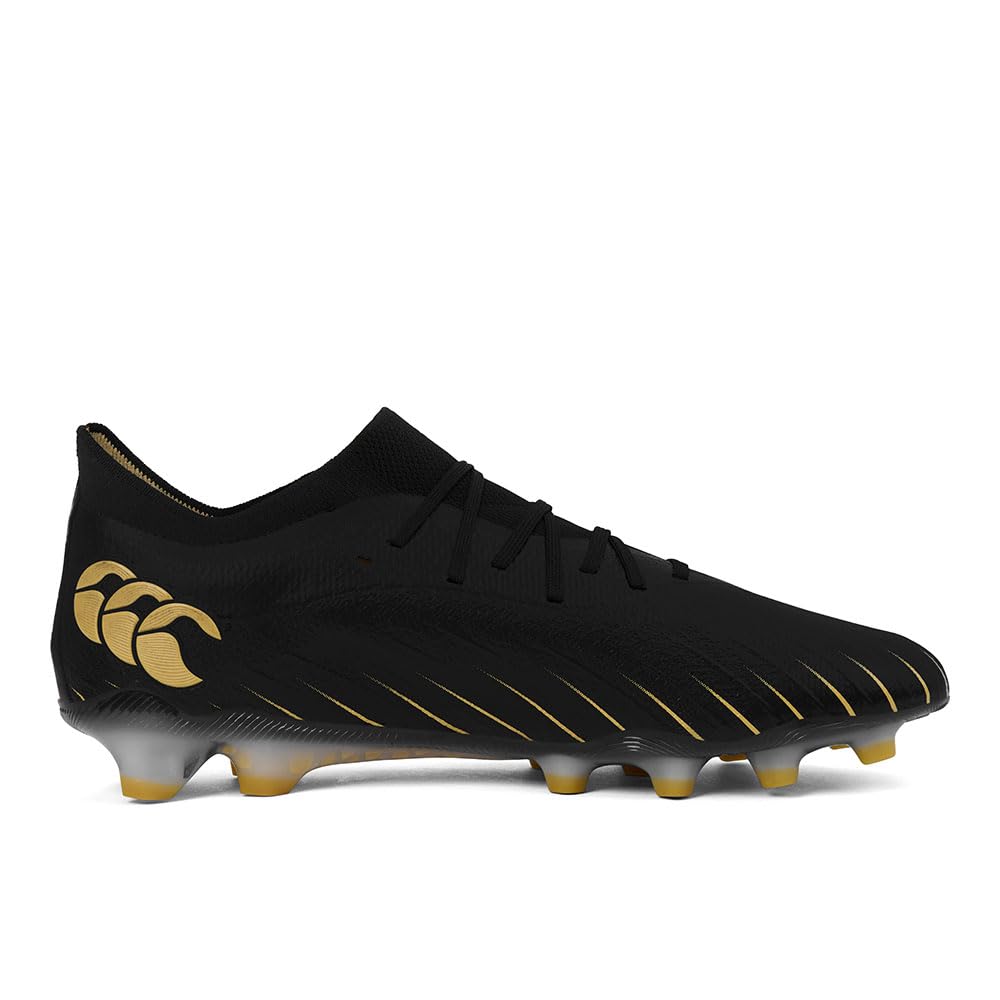
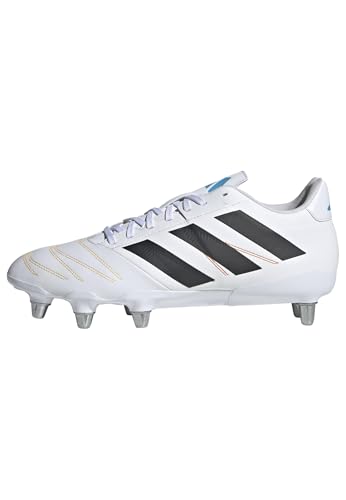
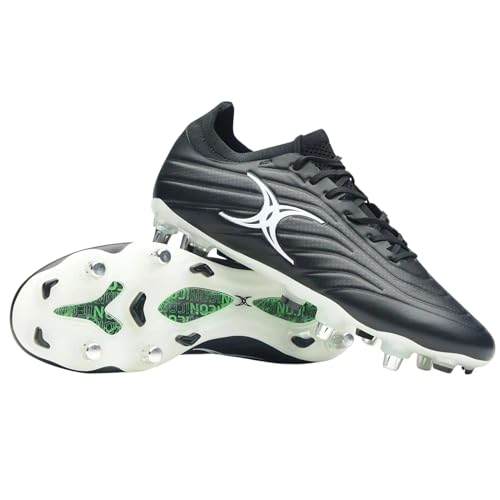
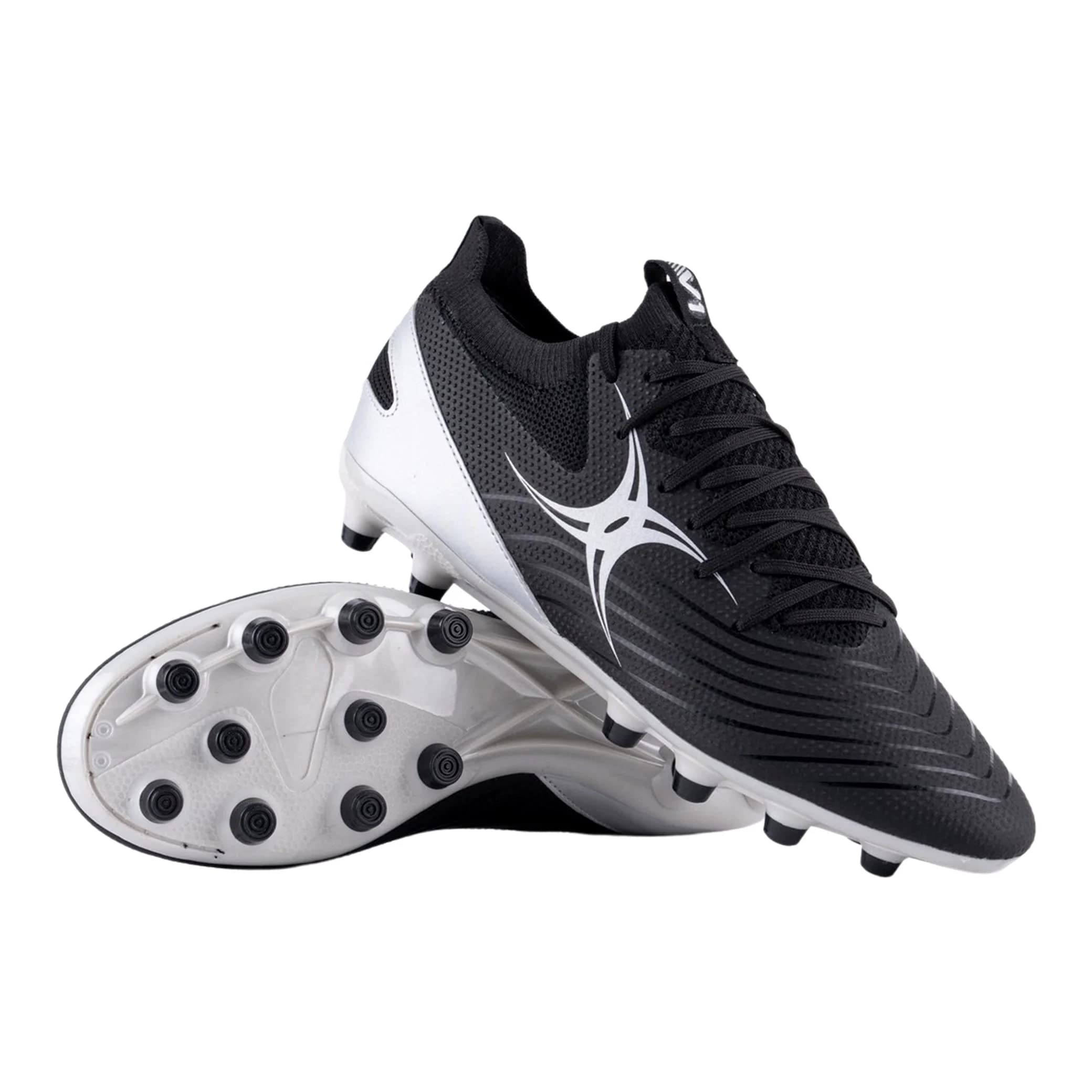
Types of Backs Rugby Boots Compared
Most pairs for backs fall into three broad types, split by weight, stud length and upper shape. That is why the best backs rugby boots for a wing are rarely right for a fly half who kicks all afternoon.
Lightweight Speed Boots for Open Field Running
Speed boots use a thin synthetic upper, a low cut collar and a light outsole plate so your foot leaves the ground quickly over repeated sprints. Shorter studs, often six to eight, give grip for straight line pace without dragging during a step. Choose this type if you play wing or fullback on firm ground and value acceleration over protection. The trade off is less padding in contact and less bite on soft pitches.
Kicking Boots with a Clean Striking Zone
Kicking boots keep the laces offset or covered and leave a smooth panel over the instep, so the ball meets a flat surface on place kicks, punts and drop goals. The upper is often slightly firmer than a pure speed boot, which adds a little weight but improves control as you strike. Choose this type if you take goal kicks or clear from hand often, and check that the panel sits where your foot meets the ball.
Soft Ground Boots for Wet and Muddy Pitches
Soft ground boots carry longer screw in studs, usually eight, that dig through mud to firm soil below. The upper tends to use thicker material or a water resistant coating, because a soaked boot gains weight with every run. Choose this type for winter leagues and heavy natural grass. On hard ground the same long studs feel harsh and can raise pressure on your knees, so many backs keep this pair for wet months only.
Who Should Buy Which Type of Backs Rugby Boot?
Start from your position and your main job in open play.
Wings and Fullbacks Who Live on Top End Speed
You beat defenders with pace, cover the back field and return kicks at full stride. A lightweight speed boot in a low cut suits you best, because ankle freedom helps your stride and light weight matters more than extra padding. Pick firm ground studs for dry pitches, and keep a soft ground pair only if your season includes months of mud.
Fly Halves and Centres Who Kick and Distribute
You pass under pressure, step inside traffic and kick for territory or points. A kicking boot with a clean instep panel suits your striking, while a slightly wider toe box gives your forefoot room when you plant and pivot. Centres who carry into contact may prefer a touch more upper padding, as long as the striking zone stays smooth.
Backs Who Play on Changing Ground All Season
You may train on artificial turf, play on firm grass early in the season and finish on mud in midwinter. A versatile boot with changeable studs suits you best, because you can fit shorter studs for hard ground and longer studs for soft ground in one pair. Confirm the boot is approved for artificial surfaces before training on them, since some long metal studs are barred on turf.
Key Features to Compare
Compare these five factors in order.
Stud Pattern and Outsole Plate
The outsole and studs decide your grip when you cut, stop and accelerate. Firm ground plates use shorter moulded studs that spread pressure on hard grass, while soft ground plates accept longer screw in studs for mud. A plate with some flex at the forefoot helps your toes bend during a sprint, while a stiff plate can feel slow off the mark. Backs who step sharply should look for studs under the forefoot edges, which bite when you push sideways.
Snug Fit and Toe Room for Speed and Kicking
Fit decides both comfort and control. Try boots late in the day, when your feet are at their largest, and wear your match socks. Your toes should brush the end without pressing hard, because a sliding foot blisters and a cramped toe box bruises toenails on long kicks. Backs with wide feet should seek a wider last rather than sizing up, since extra length lets the foot slip forward on stops.
Upper Material and Kicking Surface
Synthetic uppers are light, hold their shape when wet and need little breaking in, which suits most backs. Leather uppers mould to your foot and feel soft on the ball, but they absorb water and need more care. For kicking, look for a smooth panel where you strike, and check that seams and lace loops sit away from that zone.
Weight, Cut Height and Ankle Freedom
Weight and collar shape change how free your stride feels. Low cut boots free the ankle for sprinting and stepping, and they are the standard choice for backs. A raised collar adds a sense of support and keeps out grit, but it does not replace strength work or taping if you need real support. Remember that wet uppers and mud add weight during a match.
Cushioning and Heel to Toe Drop
Boots for backs carry far less cushioning than training shoes, because a thin midsole keeps your foot close to the ground for stable cuts. A low heel to toe drop, often close to level, suits sprint mechanics and quick direction changes. If you train on hard ground often, a lightly cushioned insole can ease heel soreness.
Common Mistakes to Avoid
- Buying forwards boots for a backs role adds weight that slows every sprint and step.
- Wearing long soft ground studs on hard ground concentrates pressure and can strain your knees.
- Sizing up for width instead of choosing a wider last lets your foot slide and blister.
- Judging fit in thin socks at home gives a false fit that fails in thick match socks.
- Using a brand new pair in a match without breaking it in risks blisters and sore spots.
- Choosing a boot for its colour while ignoring the striking zone hurts your kicking accuracy.
Looking After Rugby Boots After Muddy Matches
Knock mud off the studs after each match, loosen the laces and pull out the insoles so air can reach inside. Stuff soaked boots loosely with newspaper, and dry them at room temperature away from radiators, because heat cracks leather and warps synthetic uppers. Brush dried mud from the upper and wipe it with a damp cloth. Check screw in studs before every match and replace worn studs in full sets, so grip stays even across the plate. Store boots in a ventilated bag.
For the wider squad picture, see our guide to the best rugby boots.
FAQs
How often should I replace my backs rugby boots?
Replace backs rugby boots when the studs wear smooth, the plate cracks or the upper splits at the forefoot flex point. For most club backs that is after one to two seasons of regular play. A boot can look clean while its plate has lost flex, so bend it by hand each month and retire it if the forefoot feels dead.
Can I wear backs rugby boots all day?
No, backs rugby boots are built for match play and training, not for all day wear. Studs give poor grip on concrete and tile, and the thin sole offers little cushioning for hours of standing. Change into trainers after training, and keep boots for grass or approved turf, which also slows stud wear.
How should backs rugby boots fit?
Backs rugby boots should fit snug through the midfoot with your toes close to the end but not curled. Your heel should stay seated when you sprint and cut, without lifting at each stride. Try a short jog and a side step in the shop, because a fit that feels fine standing still can still slip once you move at pace.
How long is the break in period for backs rugby boots?
Most synthetic backs rugby boots need one to three short training sessions before a match, while leather pairs may need a week or more. Wear new boots for drills and light running first, and tape known rub spots until the upper softens. If a boot still pinches after three sessions, the last is likely wrong for your foot.
Are expensive backs rugby boots worth it?
Expensive backs rugby boots are worth it only when the extra cost buys a lighter plate, a better striking panel or changeable studs you will actually use. Price alone does not improve fit, and a costly boot in the wrong last will still blister. Spend first on fit and the right stud type for your ground.
Do I need waterproof backs rugby boots?
You rarely need fully waterproof backs rugby boots, but a water resistant upper helps in winter. Coated synthetics slow water entry, yet water still enters over the low collar in deep mud. A second pair you can rotate while the first dries often serves backs better than a membrane on a single pair.
Our Verdict
Choose by role first, ground second and looks last. Wings and fullbacks should start with a light low cut speed boot, kickers with a clean striking zone, and winter players with studs long enough for mud. Use the product table above to compare weight, stud type and price.
When fit, studs and upper match your game, the best backs rugby boots disappear on your feet and let you run, step and kick freely.


