
Best Backpacking Top Quilts: A 2026 Buyer Checklist
Disclosure: We may earn a commission when you buy through links on this page, at no extra cost to you. As an Amazon Associate I earn from qualifying purchases. Learn more

Best backpacking top quilts compared by temperature rating, fill, width and weight, with a checklist for warmer, lighter sleep.
A top quilt replaces the bottom half of a sleeping bag with straps or an open back, cutting weight while keeping the insulation your body does not compress. Choosing the best backpacking top quilts is easier when you judge each option against the same checklist: warmth, fill, width, weight and how well it seals against drafts.
Use the table of picks below for a quick look at weights and prices, then work through the criteria that follow. The right quilt depends on your lowest expected night temperature, your sleeping pad and whether you sleep warm or cold.
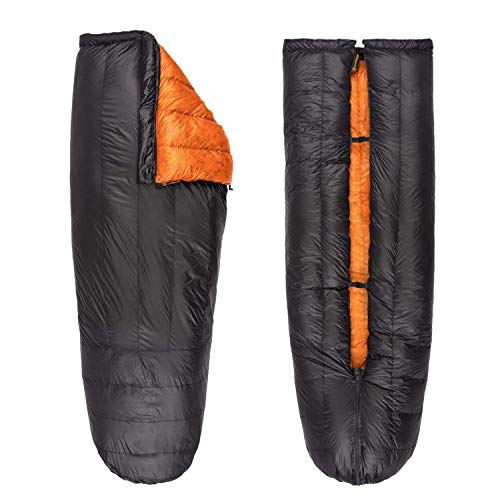
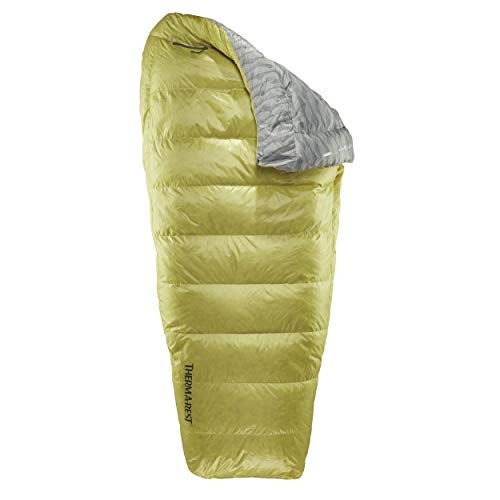


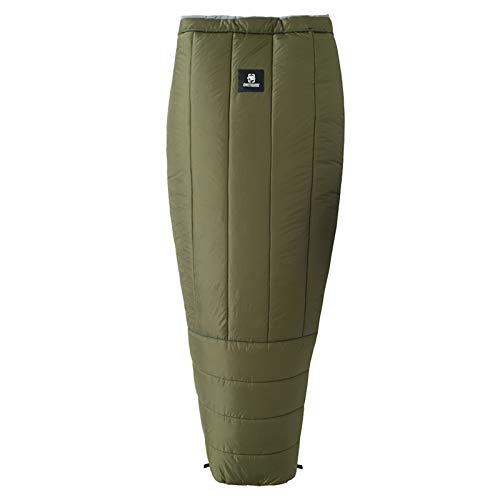


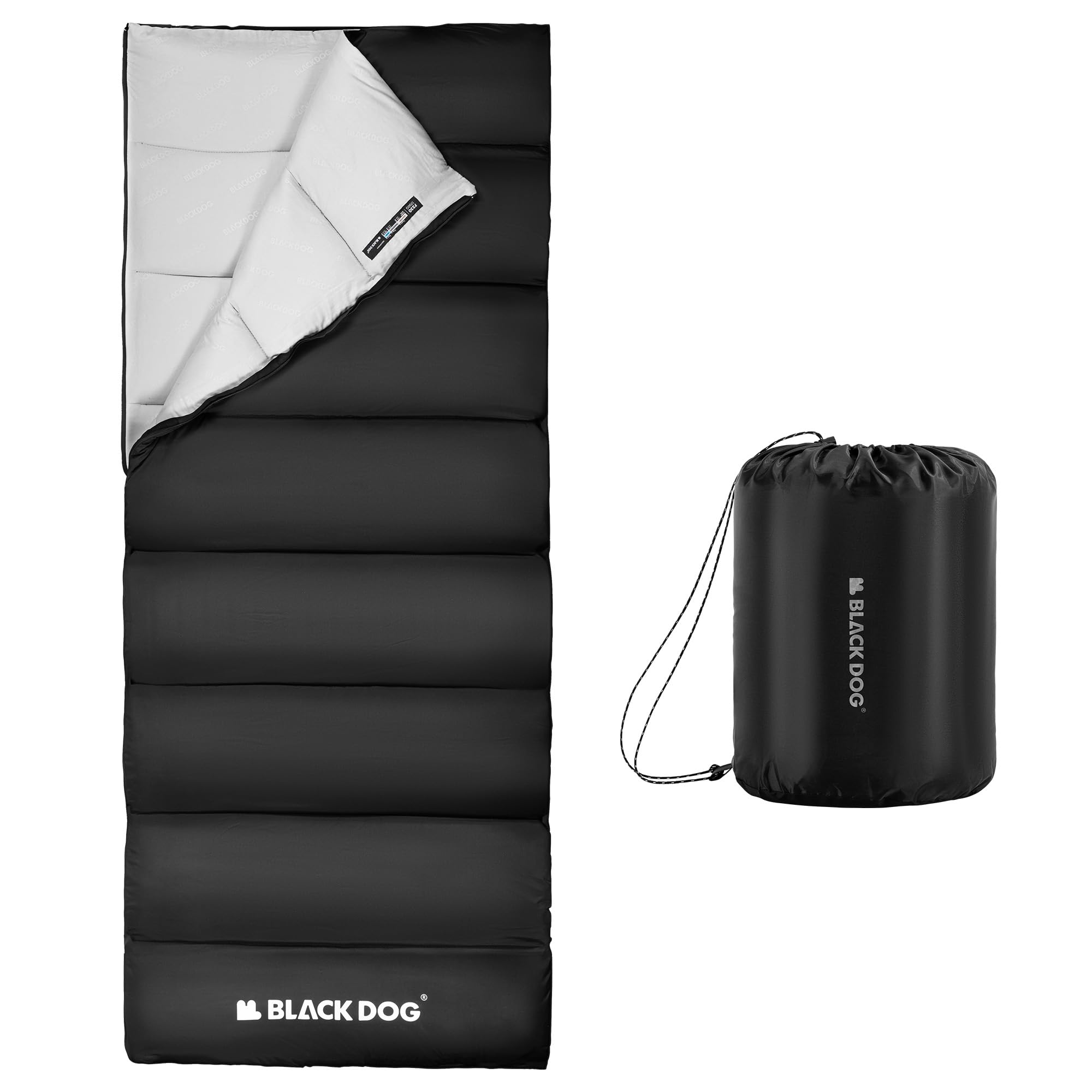


How to Choose a Backpacking Top Quilt
Temperature Rating
The best backpacking top quilts list honest ratings, so start here.
Look for a rating that is at least 5 to 10 degrees below your coldest expected night, and check whether the maker lists a comfort or a limit figure. Cold sleepers should choose the warmer quilt. Remember that a quilt only insulates the top of your body, so a pad with a high R value matters as much as the quilt itself.
Down or Synthetic Fill
Down offers the best warmth for weight and packs smallest, and higher fill power means more loft from less down. A fill power around 800 or above suits ultralight kits, while 650 to 750 is a smart value if you accept a little more weight. Synthetic fill costs less, handles damp conditions better and loses less warmth when wet, but it is bulkier. Fill weight, not only fill power, tells you how much insulation you really get.
Width, Length and Fit
Choose a length that reaches your chin without pulling at the feet. Side sleepers and restless sleepers usually need a wider quilt, often around 54 to 58 inches, so the edges stay tucked when knees bend. Back sleepers can use a narrower cut and save weight. Extra width also helps if you plan to layer clothing inside the quilt.
Pad Attachment and Draft Control
Most heat escapes at the edges. Pad straps or clips hold the quilt to your pad, a draft collar seals the neck, and a shaped footbox keeps feet warm. If you wake cold at the edges, check strap tension before blaming the rating: a loose strap lets the quilt lift when you turn.
Shell Fabric and Weight
Shell fabrics are usually light nylon of around 10 to 20 denier. Lighter shells save ounces but need gentle handling around zippers and brush, while a durable water finish helps shed tent condensation. Most three season down quilts weigh roughly 1 to 2 lb.
Responsible Down and Fill Details
For a down quilt, a Responsible Down Standard label addresses animal welfare in sourcing, and clear statements of both fill power and fill weight are the most useful trust signals. If those numbers are missing, be cautious.
For deeper comparisons of lighter designs, see our guide to the best ultralight backpacking quilts, and for fill specific advice, see our guide to the best down backpacking quilts.
Quick Buyer Checklist
- Is the temperature rating at least 5 to 10 degrees below your coldest expected night?
- Does the quilt width keep the edges tucked when you sleep in your usual position?
- Is your sleeping pad insulated enough for the same conditions, with a suitable R value?
- Are fill power and fill weight both stated, so you can judge real loft?
- Are pad straps included, and do they fit your pad width?
- Can the footbox vent or open on warm nights?
- Does the total weight fit your pack plan?
Red Flags to Watch For
- A temperature rating with no explanation of whether it is a comfort or limit figure.
- No fill weight listed, only a vague warmth claim, which makes loft impossible to verify.
- Widths measured flat in a way that shrinks once the quilt curves over you.
- A very short warranty or no repair support for a product you will use far from home.
- Packed size claims with no stated compressed volume, especially on budget synthetic models.
Quilt Versus Sleeping Bag
A quilt suits side sleepers, restless sleepers and anyone who dislikes feeling trapped in a mummy bag. It vents easily on warm nights and doubles as a blanket at camp. A sleeping bag still wins in very cold or windy conditions, where a sealed hood and zipper stop drafts more reliably. Many hikers choose a quilt for three season trips and keep a warmer bag for winter.
Getting the Most Warmth From Your Quilt
Wear a dry base layer and a hat to bed, since a quilt has no hood. Cinch the draft collar around your neck and tighten the pad straps before you settle in. Eat a snack before sleeping and keep the quilt dry by venting the tent to reduce condensation. If the night turns colder than expected, add a puffy jacket over your torso and pull the quilt over it, which gives extra loft where you need it. These small habits can add several degrees of comfort without extra weight.
Budget and Value
Entry level synthetic quilts and basic down quilts start around $60 to $150. Mid range down quilts with 800 fill power cost roughly $250 to $400, and premium ultralight models reach $400 to $550. A budget quilt can be a smart choice for occasional trips and mild weather, but do not save money by buying a rating warmer than your real nights. A slightly heavier quilt that keeps you warm is better value than a light one you cannot use. Our guide to the best sleeping quilts backpacking covers related styles.
Care and Maintenance Tips
Store your quilt loose in a large cotton or mesh sack, never compressed, so the loft recovers between trips. Air it after each trip, and spot clean small marks rather than washing the whole quilt often. When washing is needed, follow the maker directions, use a gentle cleaner made for down or synthetic insulation, and dry thoroughly on low heat until clumps are gone. Carry the quilt in a dry sack away from sharp gear.
Frequently Asked Questions
Is a top quilt warmer than a sleeping bag?
For the same weight a quilt is usually as warm, because it drops the insulation underneath you that your body weight compresses anyway. Warmth then depends on your pad, the draft seal and how well the edges stay tucked.
Are ventable quilts worth it for hot sleepers?
Yes. A footbox that opens or snaps that let the quilt lie flat like a blanket let you dump heat without removing all cover. Hot sleepers can also pick a rating around 40 degrees and save weight.
Do I need a sleeping pad with a quilt?
Yes. A quilt does not provide support or ground insulation, so pair it with an insulated pad that cushions hips and shoulders.
How do I wash a backpacking quilt safely?
Wash only when needed, in a large front loading machine with a cleaner made for its fill type. Rinse well, since leftover soap reduces loft, and dry on low heat for a long time until the fill is fully lofted. Avoid a top loading machine with an agitator, which can tear baffles.
How long does a backpacking quilt last?
With good storage and occasional cleaning a down quilt can serve for many years and hundreds of nights. Loss of loft that does not recover after drying, broken straps and thin spots in the insulation are signs it is time to replace it.
Final Thoughts
Judge warmth by rating and loft, judge fit by width and strap security, and judge value by clear fill data and warranty. Compare your shortlist in the table above and choose the best backpacking top quilts option that matches your pad, your climate and your pack weight.


