
Best Backpacking Shoes Womens: How to Choose for 2026
Disclosure: We may earn a commission when you buy through links on this page, at no extra cost to you. As an Amazon Associate I earn from qualifying purchases. Learn more

Best backpacking shoes womens hikers rely on: compare fit, support, traction and weight so your feet stay comfortable under a pack.
A pair that feels perfect on a short walk can turn into a problem after ten miles with a loaded pack. The best backpacking shoes womens hikers rely on combine a secure heel, a roomy toe box, firm support and grippy rubber, all in a weight that does not tire the legs. This guide explains how to match those traits to your pack weight and terrain.
Read it alongside the table of picks below, then use the fit checks to narrow your shortlist before you order.


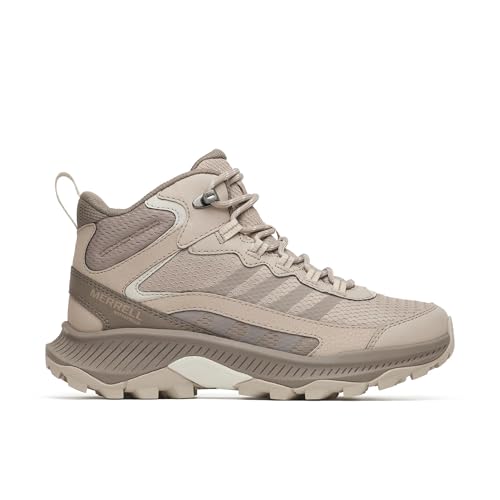
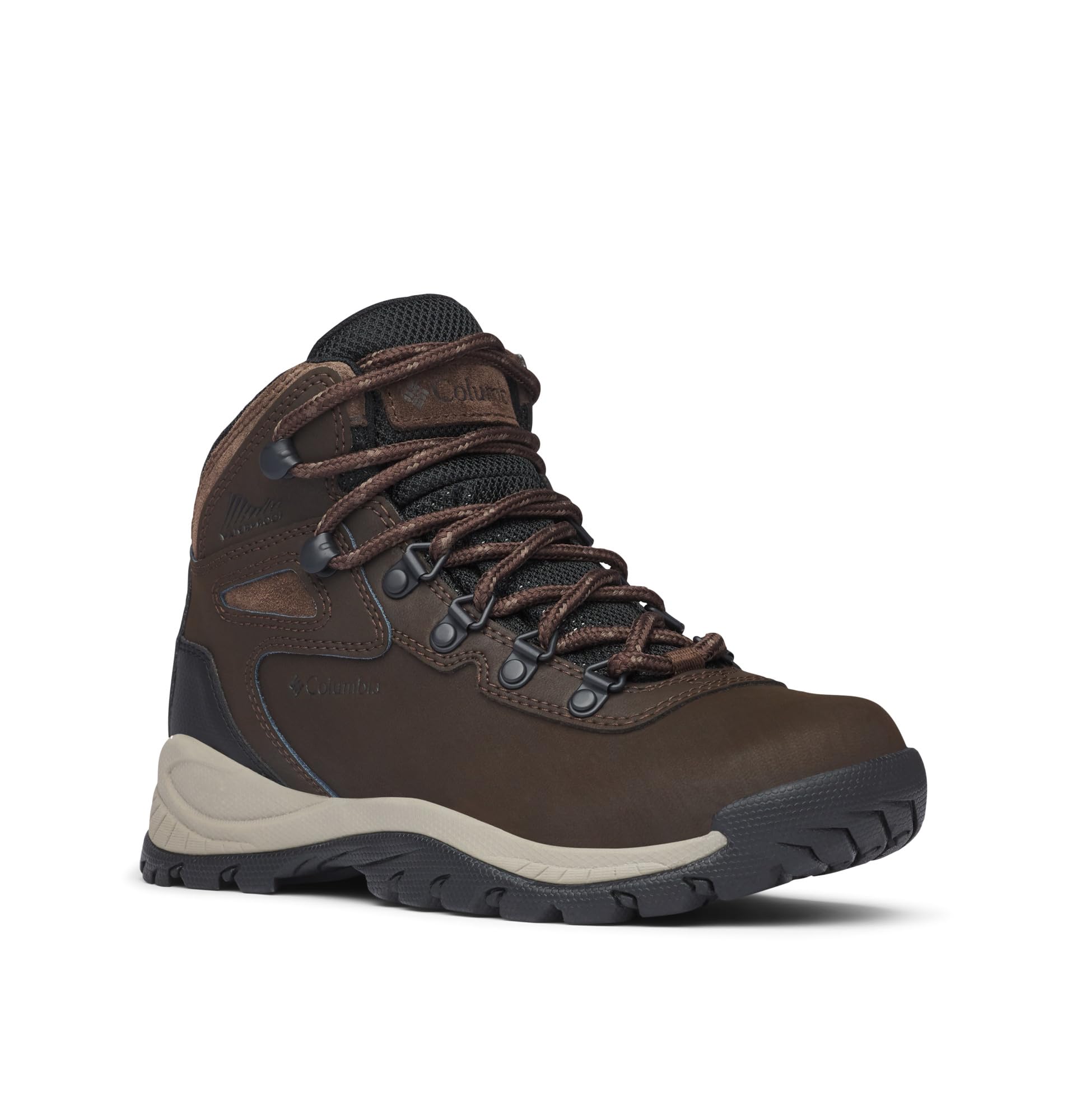
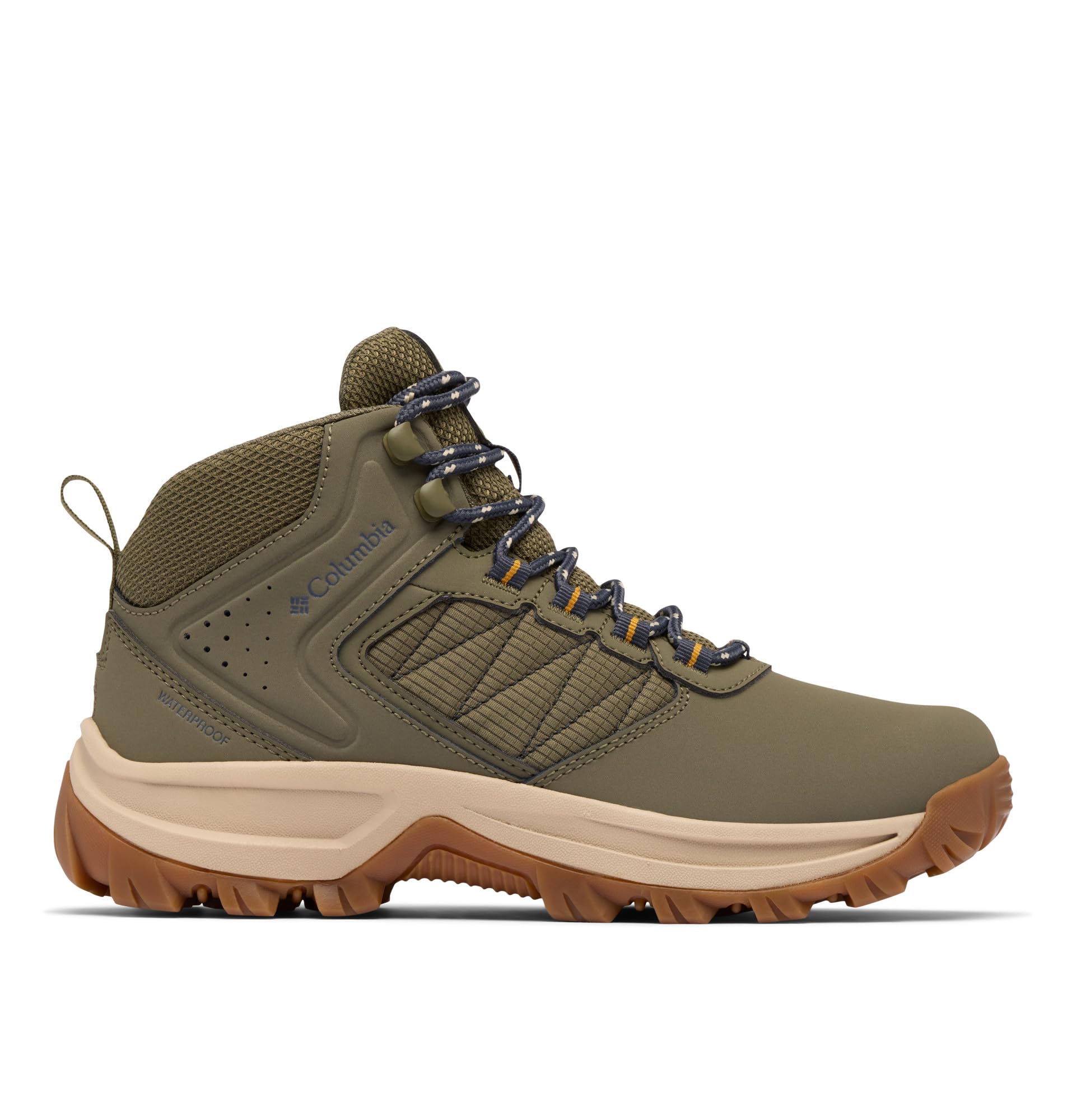


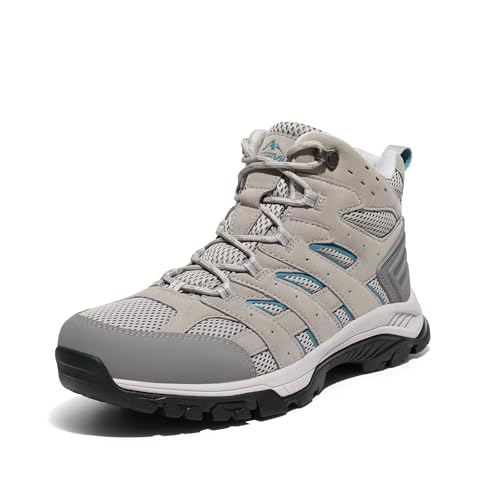
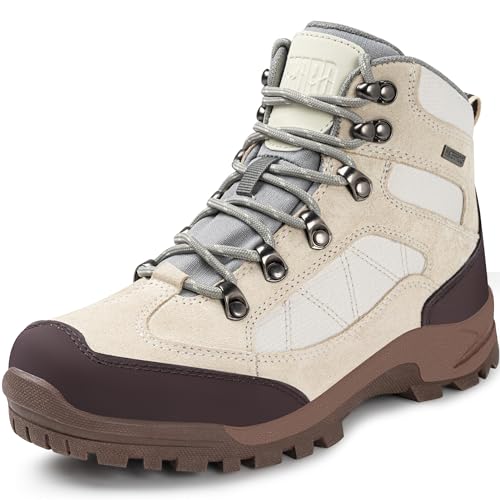
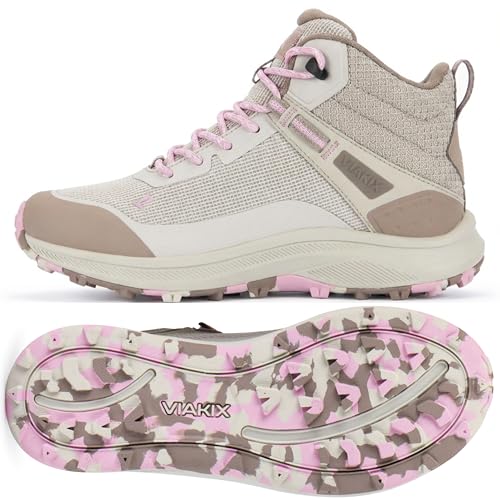
Best Backpacking Shoes Womens Hikers Choose: Shoe, Mid Boot or Boot?
Women's backpacking footwear falls into three groups. Low trail shoes are light, breathable and dry quickly, which suits maintained trails and packs under about 25 lb. Mid height hiking shoes add ankle coverage and a firmer midsole, a good middle ground for mixed terrain and multiday trips. Full boots offer the most stability for heavy loads, rocky ground and off trail travel, at the cost of weight and a longer break in.
Many hikers carry less than they think, so start with an honest total pack weight. Lighter loads favor lighter shoes, because every ounce on the foot is lifted thousands of times a day.
Why Women's Fit Matters
Women's lasts are usually built with a narrower heel and a lower volume through the midfoot than men's shoes. That helps stop heel slip on climbs and reduces sliding on descents. If you have a wide forefoot, look for models sold in wide widths or with a generous toe box instead of simply going up a size, because extra length lets the heel lift.
Try shoes on late in the day, when feet are at their largest, and wear the socks you hike in. Leave about a thumb width in front of the longest toe, and make sure the heel stays seated when you walk down a slope.
Key Features to Compare
Support and Cushioning
Support controls how much the shoe twists and rolls; cushioning softens impact. Under a heavy pack a firmer midsole and a structured heel counter reduce fatigue, while a soft, flexible shoe feels nimble but tires the feet over long days. A rock plate or stiffer forefoot helps on sharp ground.
Traction and Outsole
Deep, widely spaced lugs bite into mud and loose dirt, and sticky rubber compounds grip wet rock better. Check that the lugs wrap slightly up the toe, which helps on scrambles, and that the heel has a defined edge for steep descents.
Waterproof or Breathable
A waterproof membrane keeps feet drier in rain and cold, but it breathes less and dries slowly once water gets in over the collar. In warm, dry climates a breathable non waterproof shoe stays cooler and recovers quickly after creek crossings. Pair either choice with gaiters and spare socks on wet routes.
Weight and Durability
Light shoes may last only 300 to 500 miles, while leather boots with stitched soles can last much longer. Watch for creased midsoles, smooth lugs and a heel counter that collapses inward; those are signs the pair is done.
Matching Shoes to Your Trip
For weekend trips on well kept trails with a pack under 25 lb, a low trail shoe with moderate cushioning keeps weight down and dries fast after stream crossings. For a long thru hike, comfort over hundreds of miles matters more than protection, so many hikers choose a roomier shoe a half size larger than usual, because feet swell as the days add up.
For mountain routes with talus, snow patches or steep scrambles, a stiffer mid boot with a rock plate and a sticky outsole gives the control you need. If you carry a heavy load for food and gear on a week long trip, the extra ankle structure of a boot reduces fatigue even though it weighs more.
Budget also shapes the choice. Entry level pairs around $50 to $80 can work well for occasional weekends, while established outdoor brands around $110 to $180 usually add better cushioning, tougher uppers and wider size runs. Spend the extra when you hike often or carry heavy loads, since worn out shoes cost more in sore feet than the price gap.
Fit and Break In Checklist
- Lace the shoe, stand, and slide your foot forward; you should fit one finger behind the heel.
- Walk down a ramp or stairs and confirm your toes never touch the front.
- Press the sides of the forefoot; toes should spread without the foot sliding sideways.
- Wear the pair on several short walks, then one longer hike with a loaded pack before a multiday trip.
- Try a heel lock lacing loop if your heel lifts even though the length is right.
If you have ongoing foot, knee or back pain, or a condition such as plantar fasciitis, talk with a clinician or a qualified fitter about personal needs before a long trip.
Socks, Insoles and Foot Care on Trail
Merino or synthetic hiking socks wick moisture and reduce blisters; cotton holds sweat and should stay at home. Aftermarket insoles can improve arch support for flat or high arches, but fit them while trying the shoe, since they take up volume. On the trail, stop at the first hot spot and cover it with tape or a blister patch before it becomes a sore. Airing feet and changing socks at lunch makes a noticeable difference over several days.
Care and When to Replace
Brush off grit after each trip, dry wet shoes away from direct heat with the insoles removed, and store them somewhere ventilated. Rotating two pairs on training walks gives the foam time to recover. Replace shoes when cushioning feels flat, the tread is smooth or your joints ache after walks that used to feel easy.
If you are still comparing styles, our guide to the best backpacking shoes covers the full range for all hikers.
Frequently Asked Questions
Are women's backpacking shoes different from men's?
Usually yes. They are built on a narrower heel and lower volume last, and sizing runs about a size and a half smaller than men's numbers. Some hikers with wide feet still prefer men's or wide models, so judge by fit rather than label.
Should I choose shoes or boots for backpacking?
Choose low shoes for light packs and smooth trails, and mid height or boots for loads above about 30 lb, rocky ground or wet routes. Strong ankles and lighter loads make shoes a comfortable, quick drying choice.
Do I need waterproof backpacking shoes?
Only when you expect sustained rain, wet brush or cold weather. In warm, dry conditions a breathable pair dries faster and keeps feet cooler.
How long is the break in period?
Most modern shoes need a few short walks totaling roughly 10 to 20 miles, while stiff leather boots can take longer. Break in confirms comfort; it should not be used to stretch a bad fit.
How often should I replace backpacking shoes?
Plan on replacing a pair after about 300 to 500 miles, sooner under heavy loads or on abrasive rock.
Final Thoughts
Pick the style that fits your pack weight and terrain, then let fit decide the final choice. With a secure heel, free toes and grip you trust, the best backpacking shoes womens hikers wear will feel good on mile one and mile twenty. Compare the picks in the table above with these checks before you order.


