
Best Backpacking Mattresses: Matching the Right Model to Your Routine
Disclosure: We may earn a commission when you buy through links on this page, at no extra cost to you. As an Amazon Associate I earn from qualifying purchases. Learn more

The best backpacking mattresses matched to real trips: compare insulation, thickness, and packed size so you get the right pad the first time.
There is no single sleeping pad that suits every backpacker, because a fast summer hiker and a cold weather camper need opposite things from the ground up. Finding the best backpacking mattresses for your own routine means matching insulation, thickness, and packed size to the trips you actually take.
This guide sorts buyers by use case first, then explains the features that matter on the trail, from warmth ratings to valve types. The table of picks below gives a quick overview, and the sections after it help you avoid paying for warmth or comfort you will never use.

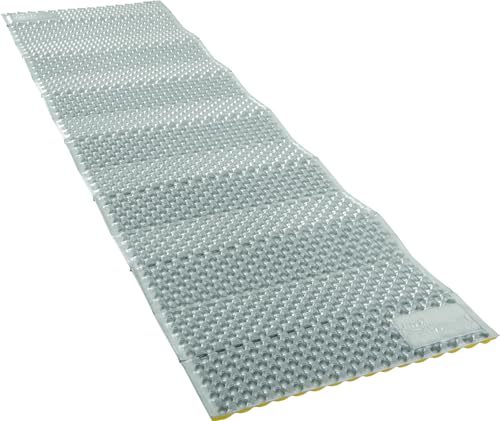
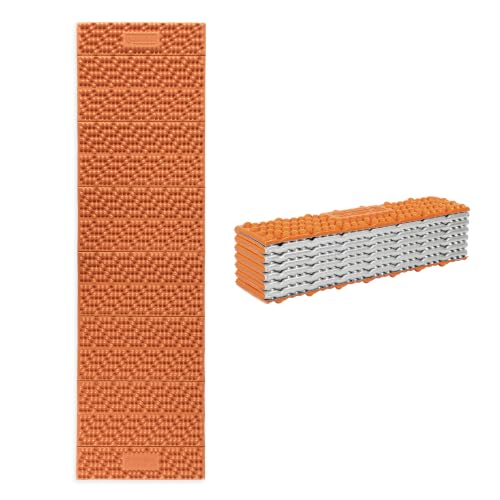


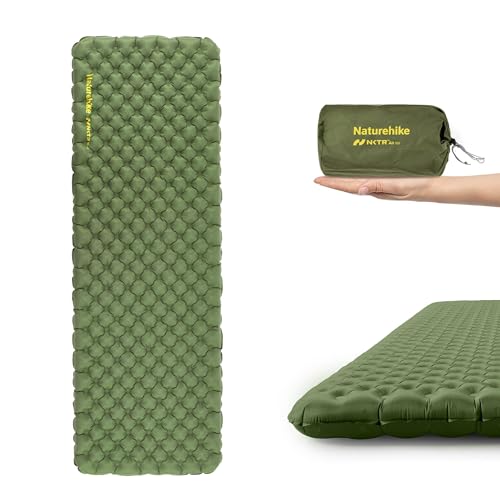
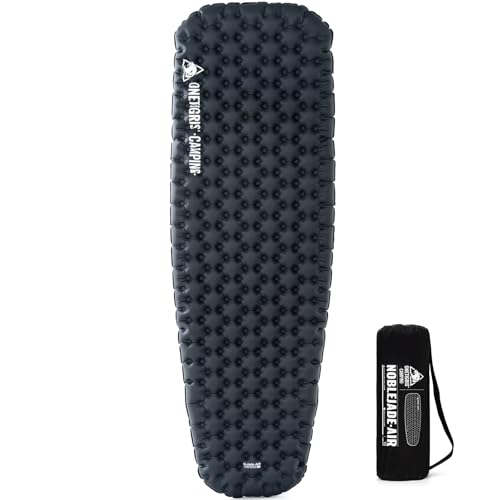
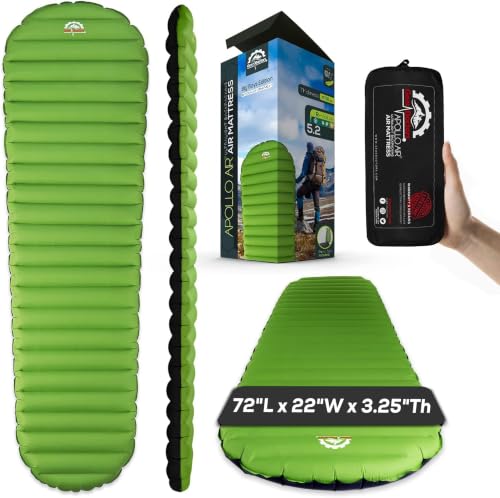
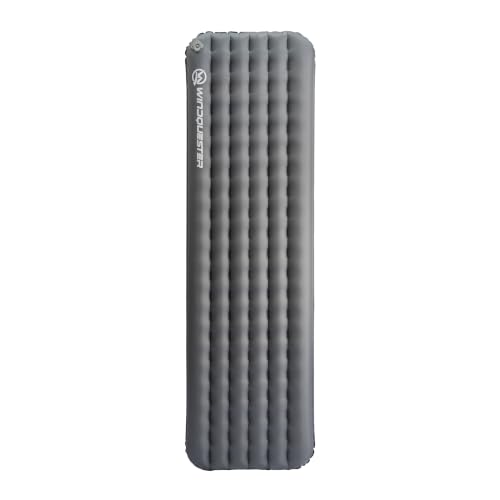
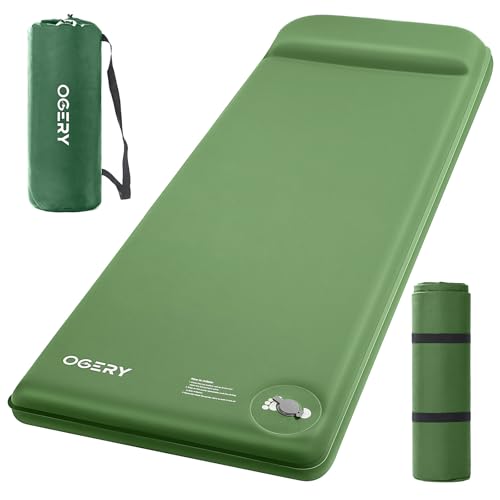
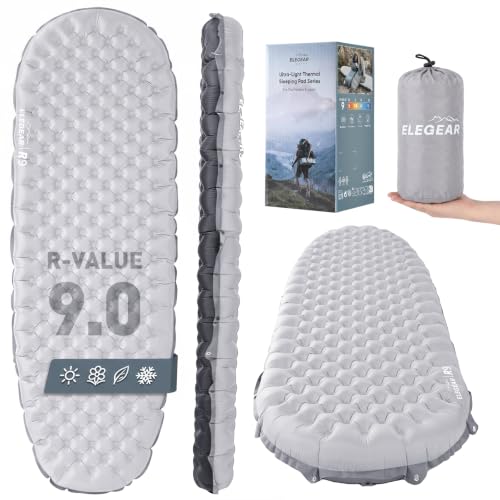
Who Should Buy Which Backpacking Mattresses?
Backpacking mattresses, also called sleeping pads, come in three broad families: inflatable air pads, self inflating foam core pads, and closed cell foam pads. Your routine decides which family deserves your money.
For Gift Shoppers
A pad makes a generous gift because it upgrades every trip without needing the exact fit of boots or a pack. Choose a mid range inflatable pad with a warmth rating suited to three season use, a regular length, and a simple valve that a new camper can work out in minutes. A stuff sack and a repair kit in the box make the gift feel complete. Expect to pay around $80 to $150 for a gift worthy balance of comfort and reliability. Avoid ultralight racing pads as gifts, since their delicate fabrics punish beginners who are rough on gear.
For Value Seekers
Value in a sleeping pad means warmth and durability per dollar, not the lowest sticker price. Closed cell foam pads around $30 to $60 never puncture and double as a sit pad, a pack frame, or extra insulation under an air pad in winter. Mid priced inflatable pads around $70 to $120 add real comfort for most three season trips. The false economy is the bargain air pad with no stated warmth rating: it saves a little money and costs you sleep on the first cold night. Spend first on insulation that matches your coldest expected trip.
For First Time Buyers
Start simple: a self inflating pad or a basic inflatable pad about 2 to 3 inches thick with a warmth rating for three season use. These pads forgive mistakes, set up fast, and feel familiar to anyone who has used a home mattress. Inflate by mouth or with the stuff sack pump, adjust firmness after you lie down, and store the pad unrolled at home so the foam keeps its loft. Budget around $60 to $120. Once you know whether you sleep warm or cold and on your side or back, upgrading later becomes an easy and informed step.
Key Features to Compare
Material and Fill
Inside an inflatable pad you will find air alone, air with synthetic or down insulation, or open cell foam in self inflating designs. Insulation is what stops your body heat leaking into cold ground, and makers express it as an R value, where higher means warmer. Around R 2 suits summer, R 3 to 4 covers most three season trips, and winter camping calls for R 5 or more. Shell fabrics balance weight against toughness: light fabrics pack tiny but need a ground cloth and care at rough sites. Unlike a home memory foam mattress, a trail pad must also resist punctures from stones and pine needles, so fabric strength matters as much as softness.
Firmness, Loft and Sleep Position
Loft here means pad thickness, and thickness decides comfort for side sleepers most of all. If you sleep on your side, choose a pad about 3 inches thick or more so your hip and shoulder do not press through to the ground. Back sleepers do well on 2 to 3 inches, and stomach sleepers often prefer a firmer and thinner pad that keeps the lower back level. Body weight matters too: heavier sleepers bottom out sooner and should favor thicker pads and slightly firmer inflation. A useful know how check at home is to inflate the pad, lie in your usual position, and have someone slide a hand under your hip; it should feel snug, not crushed flat.
Durability and Care
Durability comes from fabric thickness, valve quality, and how you treat the pad at camp. Clear a tent floor of sharp grit before you unroll, and keep the pad away from sparks and stove heat. At home, store inflatable pads unrolled with the valve open, and store foam pads flat or loosely rolled so they keep their shape. Most pads need only a wipe with mild soap and water; never machine wash an air pad. Warranty terms vary, but a maker that sells repair patches and replacement valves is a good sign. Treat a pad well and it should last for many seasons of trips.
Motion Isolation and Noise
Couples and tent partners care about two things: whether one person rolling over wakes the other, and whether the pad crinkles like a snack bag. Foam pads are silent and fully isolate movement. Air pads vary widely: designs with many small air chambers feel steadier and quieter, while large tube designs can bounce and squeak. If you camp with a partner, consider a double width pad or two pads joined with straps so gaps do not open between you at night. Checking noise in a quiet store, by pressing and shifting on the pad, tells you more than any product description.
Readers building a full sleep and footwear kit together can also see our guide to the best backpacking shoes, since good sleep and good feet decide most of how a trip feels.
Common Mistakes to Avoid When Buying Backpacking Mattresses
- Judging by price alone. A cheap pad with no warmth rating can ruin a cold night and end up replaced within a year.
- Ignoring material and fill. Air alone does not insulate; the fill and the R value decide whether the pad works in spring and fall.
- Buying the wrong size. A pad that is too short leaves your legs on cold ground, while an oversized pad wastes weight and may not fit your tent floor.
- Skipping the warranty and repair check. Punctures happen, so confirm that patches, valve parts, and warranty support exist before you buy.
- Inflating to maximum firmness. A rock hard pad feels worse and stresses seams; most sleepers prefer a pad that gives slightly under the hip.
How to Make Your Backpacking Mattress Last Longer
Small habits add years to a pad. Inflate with a pump sack rather than your breath when you can, because breath moisture builds up inside and can grow mildew and add weight over time. Let a little air out before a hot day in a closed tent or car, since heated air expands and strains seams. Patch pinhole leaks at home in a bathtub of water, mark the bubbles, dry the spot, and apply the patch with time to cure. Keep the pad in its stuff sack during the day at camp so boots and gear do not grind grit into the fabric. None of this takes long, and it protects the item your sleep depends on most.
If back pain shapes your choices at home too, our guide to the best mattresses for back problems covers support basics that pair well with the pad advice here.
Backpacking Mattresses: Your Questions Answered
What R value do I need in a backpacking mattress?
Match it to your coldest expected night. Around R 2 suits summer trips, R 3 to 4 covers most three season camping, and winter trips call for R 5 or more. Cold sleepers should go one step higher than the chart suggests. Shell fabric matters too: a higher denier generally means tougher fabric at a small weight cost, so rough terrain favors a sturdier shell.
How do I wash backpacking mattresses safely?
Wipe the pad down with warm water and a little mild soap, using a soft cloth, then rinse and air dry it fully away from direct sun. Close the valve before washing an inflatable pad so water stays outside, and never put an air pad in a washing machine or dryer. Foam pads can be hosed down and dried flat. Clean a pad before long storage, because body oils and dirt slowly weaken shell coatings and make fabrics sticky over time.
How often should I replace my backpacking mattress?
Replace it when it leaks faster than you can repair, the valve fails, or the insulation has packed down so much that cold spots appear. A well cared for inflatable pad often lasts about five to ten years of regular use, while foam pads last longer but slowly lose loft. Check your pad at home before the first trip each season by inflating it, lying on it for an hour, and checking for softening. Finding a slow leak in your living room beats finding it at midnight in the mountains.
Are cooling backpacking mattresses worth it for hot sleepers?
For summer trips, yes, a low insulation pad can feel much better than a warm winter pad that traps heat. Hot sleepers should look for an R value around 1.5 to 2.5 for warm weather, breathable sleep clothing, and a tent site with evening airflow. There is no active cooling in a pad; the win comes from not over insulating. If you camp across three seasons, one mid range pad plus a light foam pad to add in cold weather is often smarter than chasing a special cooling model.
What firmness is best for back pain?
A medium firm pad that keeps your spine level usually suits back pain best. Side sleepers with back pain need enough thickness to cushion the hip without letting it sink so far that the spine bends. If you wake with a sore lower back, try letting a little air out so your hips settle and your spine straightens. Pain that persists, worsens, or comes with numbness or weakness is a reason to see a doctor or a qualified clinician rather than shopping for another pad, and you should talk with your clinician about personal needs before a long trip.
Fans of foam comfort at home sometimes ask how trail pads compare with our guide to the best memory mattresses; the short answer is that trail pads trade plush feel for insulation, weight, and packed size.
Wrapping Up
Match the R value to your coldest trip, match thickness to your sleep position, and match packed size to your pack. Those three checks narrow the field fast for any budget. As you scan the product table above, keep the best backpacking mattresses for your own routine in focus: the pad that lets you sleep warm and wake ready is worth more than the lightest or cheapest option on the page.


