
Best Backpacking Camp Sandals for 2026: Everything to Know Before Your First Purchase
Disclosure: We may earn a commission when you buy through links on this page, at no extra cost to you. As an Amazon Associate I earn from qualifying purchases. Learn more

Shopping for the best backpacking camp sandals for the first time? Learn the terms, compare options, and avoid rookie mistakes with this easy guide.
After a long day in stiff boots, your feet want air, room, and a soft place to land. That is exactly what camp sandals give you, and choosing the best backpacking camp sandals for your kit means balancing low weight against enough sole and support to walk around camp safely.
This first time buyer guide explains the basics, translates the key specs into plain English, and flags the mistakes new backpackers make. The comparison table below sums up the main styles, and the sections after it help you match a pair to your trips.


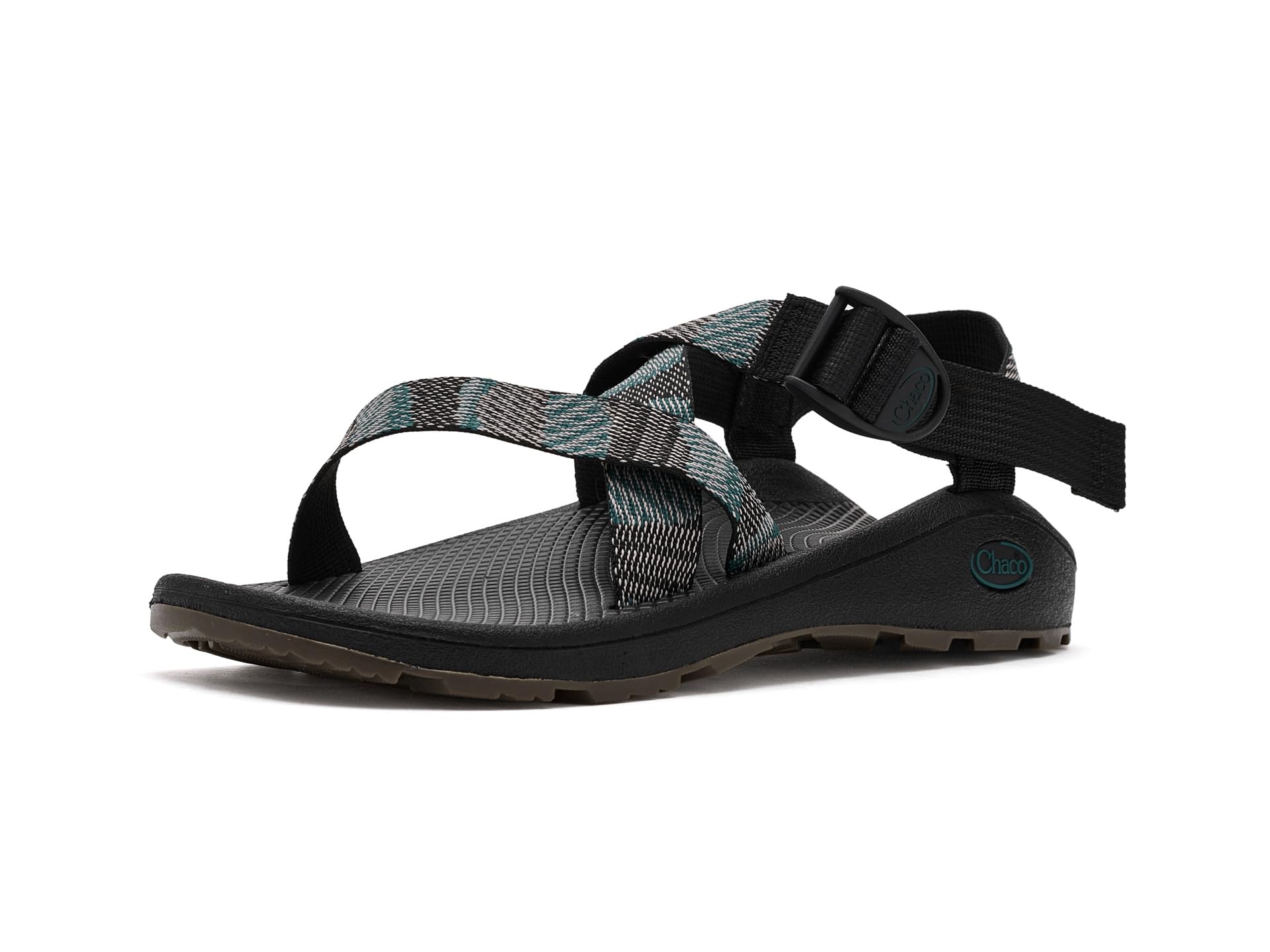


Backpacking Camp Sandals 101: The Basics
A backpacking camp sandal is a light sandal you carry in or on your pack and wear once the hiking is done. It lets your feet dry and recover, gives you something to wear during stream crossings or camp chores, and saves your boots from extra wear around the fire ring and tent site. Unlike fashion sandals, camp models use grippy outsoles and straps that hold the foot securely on wet grass and loose dirt.
A few terms explain most product pages. The footbed is the surface your foot rests on, and a molded footbed with arch support feels far better after long miles than a flat slab. Straps may be simple slides, adjustable nylon webbing, or a closed toe design that guards against stubbed toes. Weight is quoted per pair, and for backpacking every ounce counts because you carry this footwear all day to wear it for a few hours each evening.
Key Specs Explained in Plain English
Fit, Sizing, and Toe Box
Fit your camp sandals in the afternoon or after a walk, when your feet are slightly swollen, just as they will be at the end of a trail day. Your heel should sit fully on the footbed without hanging off the back, and your toes need a small margin at the front so they do not catch on rocks. An open toe box gives tired toes room to spread, which most hikers love after hours in boots. If you plan to wear socks with your sandals on cold evenings, size up or choose a roomier fit and test the combination before your trip.
Weight and Flexibility
Weight is the headline spec for camp sandals. Pairs around 4 to 8 ounces disappear in a pack, while sturdy models around 10 to 14 ounces earn their place only if you also hike or cross streams in them. Flexibility matters too: a sandal that rolls or folds packs smaller and straps to the outside of a pack without bouncing. Very flexible soles, though, offer little protection on sharp gravel. Decide which role matters more for you, evening comfort or daytime utility, and let that choice set your weight target.
Durability and Expected Lifespan
Camp sandals live an easy life compared with hiking shoes, so foam and strap quality decide how long they last. Dense foam footbeds resist permanent compression, while cheap foam packs flat within one season and leaves your heels feeling every pebble. Check strap anchor points closely, because a torn strap at camp is the most common failure. With normal evening use, a decent pair should serve for several seasons. Store them out of direct sun at home, since ultraviolet light and heat slowly make foam brittle and straps weak.
Outsole Traction and Terrain
The outsole is the rubber layer that grips the ground, and lug depth is the height of its tread bumps. Shallow lugs suit mown grass and smooth camp pads, while deeper lugs and a siped pattern grip wet rock and muddy banks far better. If you will cross streams in your sandals, traction and secure straps matter more than softness, because a sandal that slides off in current is a sandal lost. Rubber compounds from makers such as Vibram are known for wet grip, but even basic rubber beats smooth foam. Match the tread to the roughest surface you expect around camp.
Break In Period and Comfort Out of the Box
Good camp sandals should feel comfortable almost immediately, with little or no break in period. Walk around the house and then around the block before a trip, watching for strap edges that rub the top of your foot or between your toes. Foam footbeds soften slightly with use and mold to your foot shape over the first few evenings. If a strap creates a hot spot on a short test walk, it will only get worse on tired and swollen trail feet, so exchange the size or style early rather than hoping it improves at camp.
Cushioning and Support
Cushioning is the softness under your heel and forefoot, and support is how well the footbed holds your arch in its natural shape. After a day in boots, a contoured footbed with real arch support helps your feet recover and reduces next morning soreness. Heel to toe drop in sandals is usually small, often close to flat, which lets your calves and feet relax into a natural position. People with plantar pain or very tired arches should favor thicker and more shaped footbeds over the thinnest slip on styles, even at a small weight cost.
Weight focused readers can compare these trade offs with our guide to the best lightweight sandals for backpacking, which focuses on pack weight above all else.
Rookie Mistakes to Avoid
- Carrying heavy fashion sandals. Thick leather sandals can weigh as much as a pair of trail shoes and defeat the purpose of camp footwear.
- Choosing straps that cannot adjust. Feet swell after hiking, so fixed straps that fit at home may dig in at camp.
- Ignoring stream use. If you plan crossings, foam only sandals without heel straps can float away. Our guide to the best backpacking sandals covers strap security for water use in more depth.
- Buying a flat footbed for sore feet. After long miles, your arches need shape and support, not a flat plank.
- Testing only on carpet. Walk on gravel and wet pavement at home to learn what the sole really protects against.
Getting Started: Setup and First Use
When your sandals arrive, adjust every strap while standing, since your full weight spreads your foot and changes the fit. Walk on the roughest surface near your home, then soak the sandals and walk again to check wet grip and strap comfort, because camp ground is often damp. Pack them in an outside pocket or strap them flat against the back of your pack where mud stays away from your sleeping gear.
At camp, change into your sandals as soon as your tent is up and let your boots air out with their insoles removed. Air dry wet sandals away from direct heat and never leave foam sandals on hot rock in strong sun for hours, since heat can warp the footbed. Rinse grit out of the straps every few days on long trips so sand does not grind through the webbing. Small habits like these keep a simple product working well for years.
If you prefer a closed shoe at camp instead, see our guide to the best backpacking camp shoes for the warmth and toe protection trade offs.
FAQs
How should backpacking camp sandals fit?
They should fit with your heel fully supported and a small space in front of your toes. Straps should hold the sandal on when you walk downhill or step on wet ground, without pinching when your feet swell in the evening. Try them after a walk rather than first thing in the morning. If your heel slips sideways on a slope, the footbed is too wide or the straps need one more adjustment point.
How often should I replace my backpacking camp sandals?
Replace them when the footbed stays compressed, the tread is smooth, or straps begin to tear at their anchors. For most backpackers that takes several seasons of evening use. A simple test is standing on small gravel: if you feel every stone sharply through the sole, the cushioning is spent. Keep a worn pair for garden and home use and retire it from trips where a strap failure would leave you barefoot.
Do I need waterproof shoes?
Camp sandals do not need waterproofing, and that is part of their appeal. Open designs drain instantly and dry fast after rain or a stream crossing, unlike your boots. What matters instead is that the footbed does not turn slippery when wet and the straps do not stretch loose. If your feet get cold in wet camp conditions, wear wool socks with your sandals in the evening, a common and practical backpacking habit.
How long is the break in period?
The break in period is short, usually one or two short walks totaling a few miles at most. Molded foam footbeds keep shaping to your feet over the first week of evenings at camp. Straps should never need painful breaking in: if webbing cuts or rubs on day one, adjust it, add a small piece of tape for the trip, or choose another style. Comfort out of the box is a fair demand for this category.
Are expensive backpacking camp sandals worth it?
They are worth it if the extra cost buys a shaped and durable footbed and secure adjustable straps. Pairs around $40 to $70 often hit that sweet spot, while basic foam styles around $15 to $30 suit warm and gentle campsites. Very costly models add little for pure camp use unless you also hike in them. One point buyers miss: replaceable straps extend the life of a pricier pair, which can make it cheaper over five seasons than two budget pairs.
Can I wear them all day?
You can wear sturdy camp sandals all day around camp, on gentle paths, and for short side trips on good ground. They are not built for all day hiking under a heavy pack, because the sole and straps lack the structure of a shoe. If a trip plan includes a summit day in sandals, choose a model with a real rubber outsole and full strap coverage. Readers chasing the lowest possible pack weight can also compare our guide to the best ultralight sandals for backpacking for gram saving options.
Our Verdict
Weigh three things in this order: total weight, footbed support, and strap security on wet ground. A light pair with a shaped footbed will serve most backpackers well for years. Keep the best backpacking camp sandals for your trips in mind as you scan the product table above, and pick the profile that matches how rough your campsites and stream crossings really are.


