Best Backing for Quilts for 2026: Which One Fits the Way You Use It?
Disclosure: We may earn a commission when you buy through links on this page, at no extra cost to you. As an Amazon Associate I earn from qualifying purchases. Learn more

Choose the best backing for quilts with confidence using fabric, width, and finish guidance, plus sizing, piecing, and care tips for lasting results.
There is no single backing that suits every quilt. A baby quilt that gets washed often, a bed quilt you plan to hand quilt, and a cozy throw for winter evenings each ask something different from the fabric on the back. The best backing for quilts for your project is the one that matches its size, its batting, and the way it will be used and washed.
This guide walks through fabric types, widths, sizing, and care so you can buy once and piece with confidence. Start with the user groups below, compare the key features, and use the comparison table below to check widths and prices as you narrow your choice.
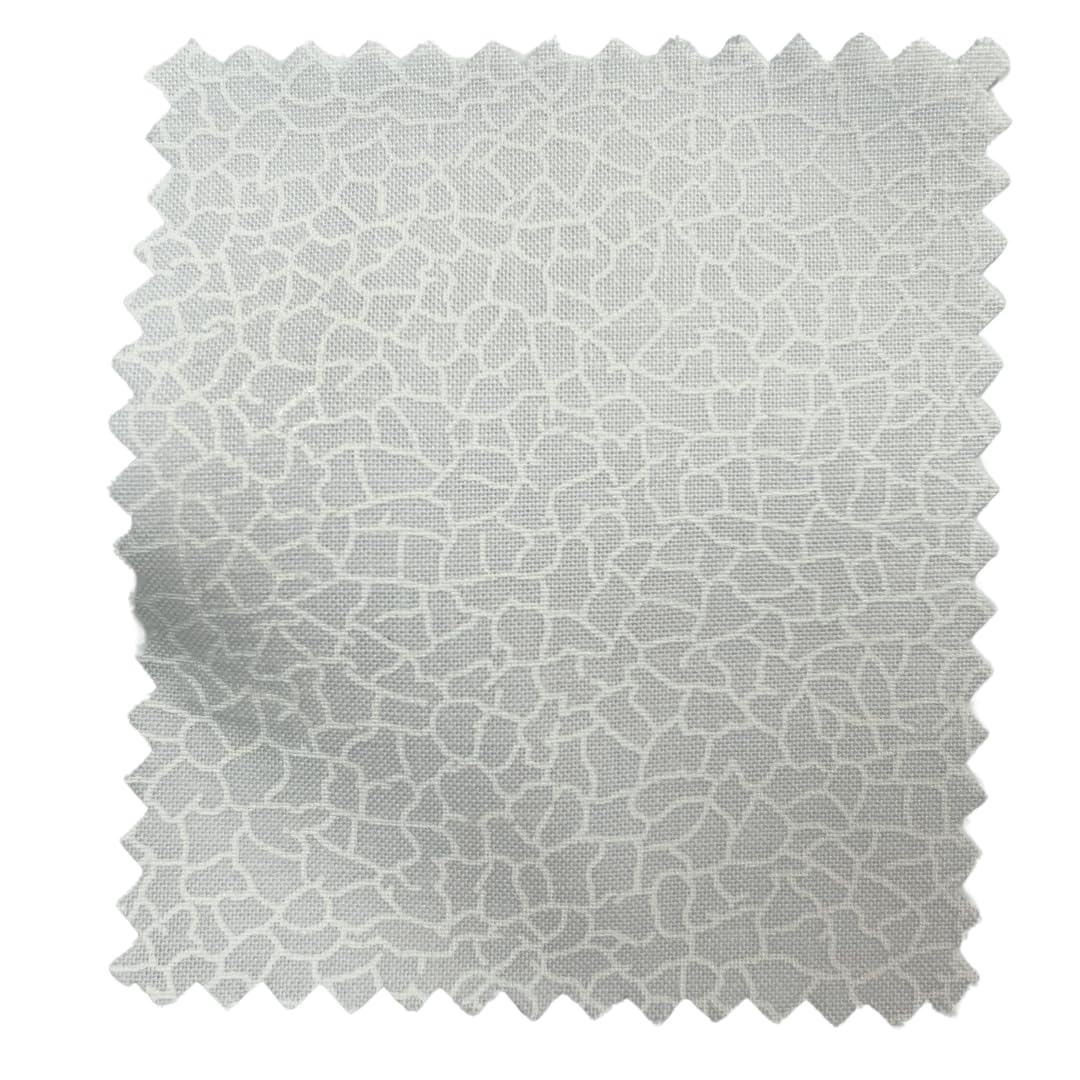
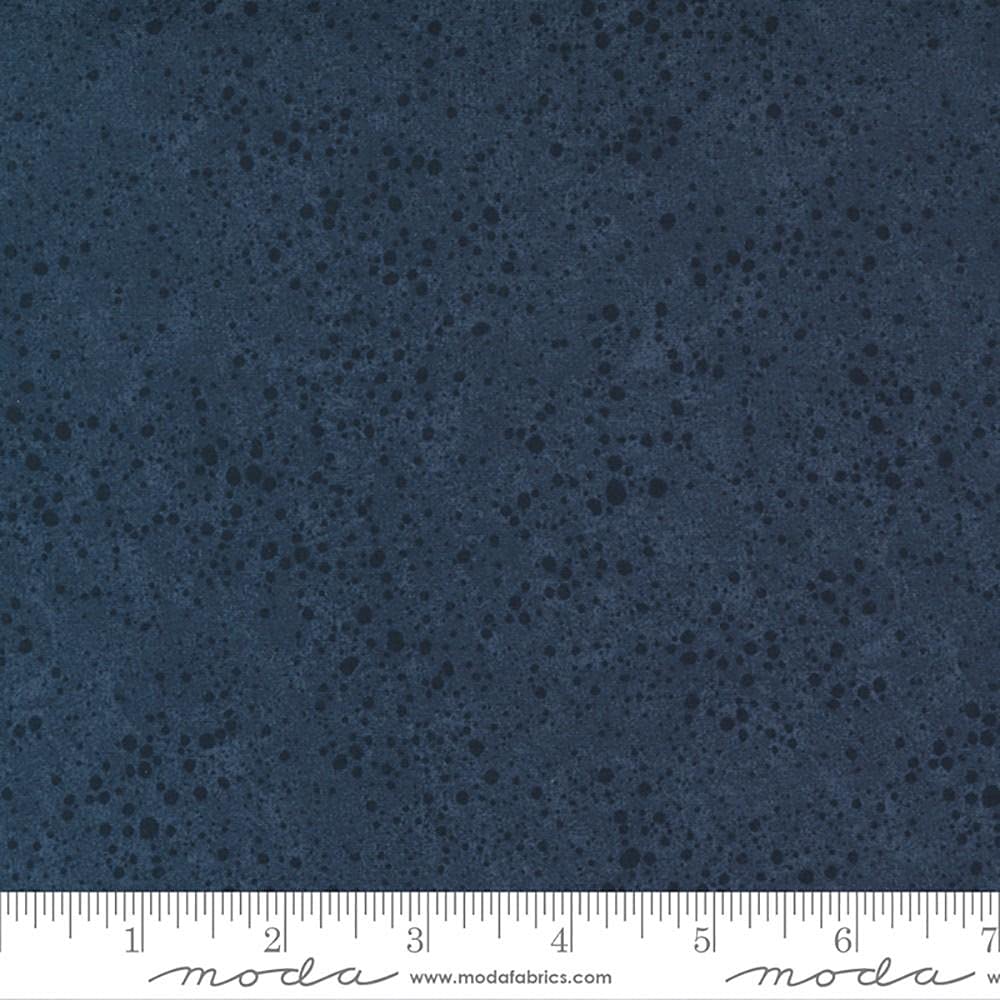

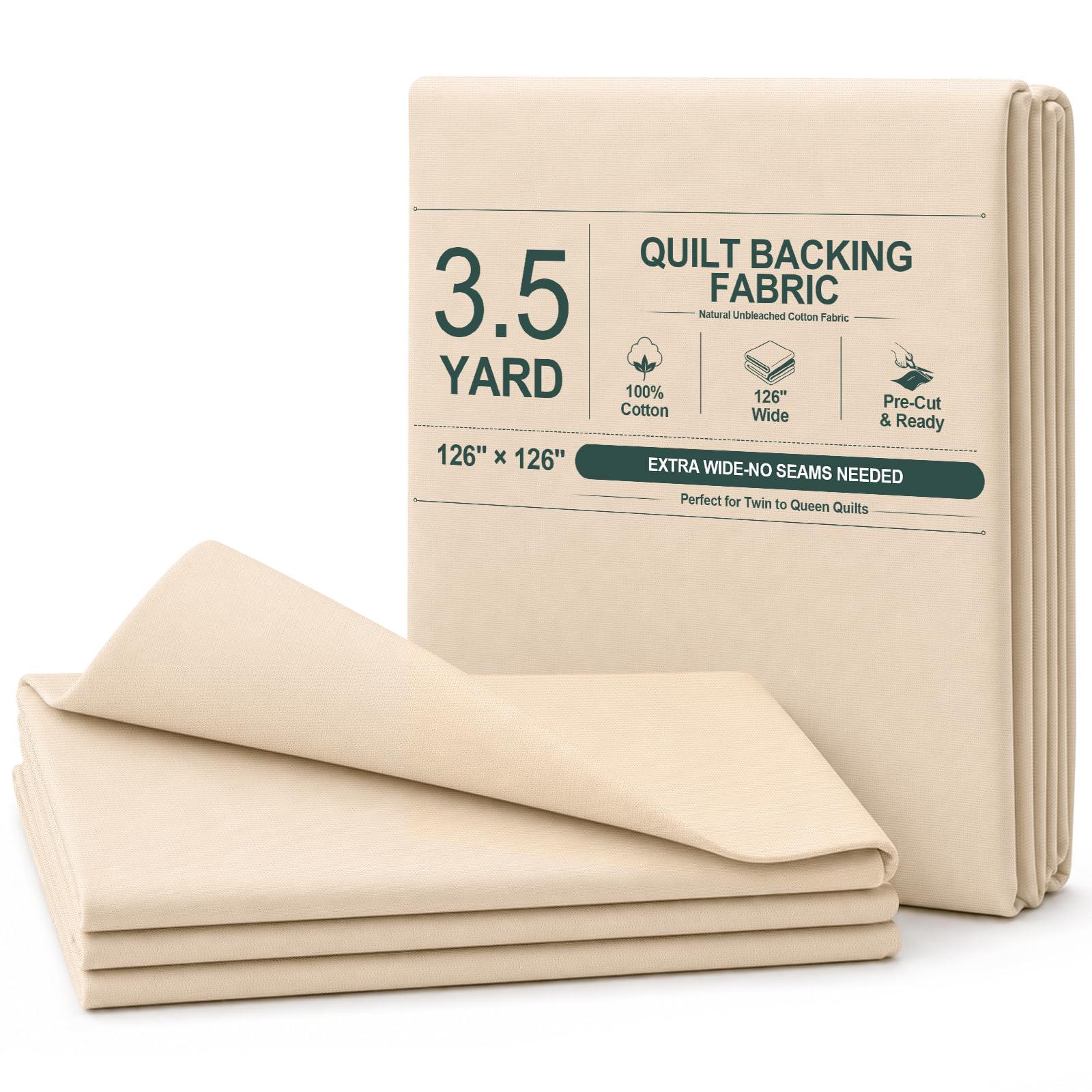
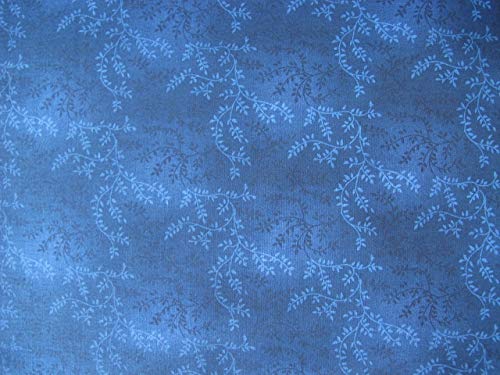
Who Should Buy Which Quilt Backings?
Start from the finished quilt, not the fabric bolt. Think about who will use it, how often it will be washed, and whether you will quilt it at home or send it out. The four groups below cover most projects, and each one points to a different backing choice.
For First Time Buyers
Keep your first backing simple. A wide cotton backing in a solid color or a small all over print removes the need to piece panels and hides small quilting wobbles well. Cotton feeds evenly under a home machine, presses flat, and forgives minor tension changes. Avoid stretchy fleece and slippery sateen on a first project, because both shift while you baste and quilt. A single calm fabric lets you focus on even stitches and square corners.
For Value Seekers
Value comes from fabric that lasts, not the lowest price per yard. Standard width quilting cotton pieced with a half inch seam often costs less than wide backing for small and medium quilts, so compare the total yardage before you buy. Skip thin, loosely woven cloth sold for crafts, because it can show batting shadow and wear thin at fold lines. A sound midweight cotton in a print you like will outlast a bargain fabric that pills or fades within a year.
For Gift Shoppers
A quilt given as a gift should be easy for its new owner to wash and enjoy. Choose a smooth cotton backing in a print that suits the room where the quilt will live, and include a short care note with the gift. For baby quilts, look for fabrics certified under OEKO TEX Standard 100 and wash the finished quilt before giving it. Soft flannel suits a nursery gift in a cool climate, while plain cotton stays cooler and simpler to launder.
For People Who Want the Best Performance
For an heirloom bed quilt, backing quality shows in drape, colorfastness, and how the fabric needles year after year. Long staple cotton, neat piecing with selvedges removed, and dyes that hold through many washes all justify spending more. These markers match the standards discussed in our guide to the best quality quilts, where backing is treated as part of the whole build, not an afterthought. Match the extra spend to a quilt you expect to keep and use for decades.
Key Features to Compare
Five choices shape how a backing behaves: fiber, weave and weight, width, how it pairs with batting, and how it takes a needle. Read each one against your own project, because a fabric that excels in one area can disappoint in another.
Breathability and Warmth
Cotton breathes well and suits year round bed quilts and quilts for warm rooms. Its natural fibers let heat escape, which is why many summer quilts pair a cotton top with a cotton back. Flannel and fleece trap more warmth and feel cozy on winter throws, but they add bulk and can feel too warm in mild weather. If the quilt will travel between seasons, cotton is the safer default, and you can adjust warmth through the batting instead.
Fabric and Weave Choices
Most backings are quilting cotton in a percale or sateen weave. Percale feels crisp with a matte surface, while sateen feels smoother with a soft sheen and a little more slip. Flannel adds brushed softness, fleece and plush Minky add stretch and loft, and linen blends bring breathability with more texture and cost.
For a full comparison of weaves and price points, see our guide to the best backing fabric for quilts. Whatever you choose, rub the fabric between your fingers and hold it to the light to judge density. A weave that shows strong light through it will also show your batting and seam allowances later.
Weight, Drape, and Batting Loft
Backing weight changes how the finished quilt drapes over a bed or a lap. A light cotton back with low loft batting folds small and quilts easily at home, which suits throws and wall hangings. A heavier flannel back with high loft batting feels plush but can fight you under a small machine throat.
Match backing weight to batting loft so one layer never overwhelms the other, and drape a sample over your hand to feel the pairing before you buy yardage.
Size and Width
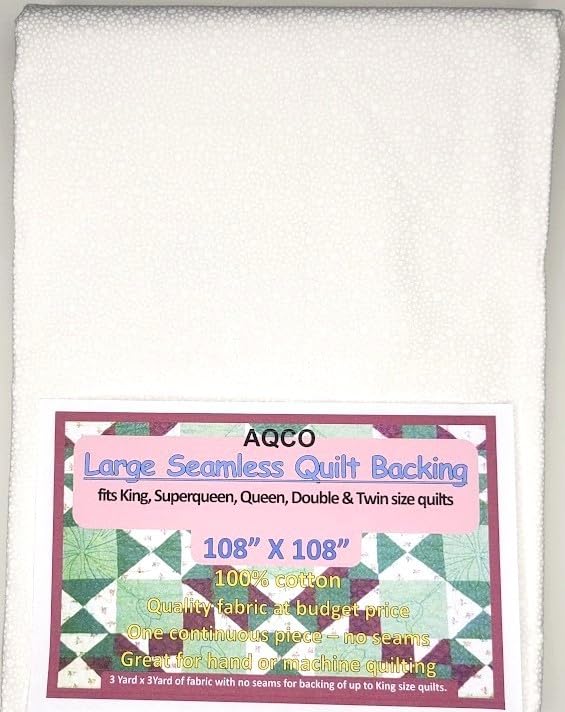
Buy backing that extends beyond the quilt top on every side, because quilting takes up fabric and layers can shift. Standard quilting cotton runs about 44 inches wide, fleece about 60 inches, and wide backing about 108 inches, which covers most bed quilts in one piece. Our guide to the best bed quilts lists the bed sizes that drive these numbers. If your quilt falls between widths, a wide backing often costs less than the extra cutting, seaming, and pressing time that piecing demands.
Features That Matter for Quilts
A backing lives under tension, gets pierced by thousands of stitches, and takes the friction of beds, laps, and washing. This is where the best backing for quilts earns the name: dense enough to hide batting shadow, stable enough to stay square, and smooth enough to feed without puckering. Check print direction before you cut, because a sideways stripe on the back looks like a mistake every time the quilt is folded back.
Color matters more than many quilters expect. A dark backing can shadow through a pale top once batting sits between them, so layer samples over your batting in daylight before you commit. If you are still picking top fabrics, see our guide to the best material for quilts and choose the backing after the top, not before it.
How to Size and Piece a Quilt Backing
Measure the finished quilt top, then add 8 inches to both the length and the width. That gives you about 4 inches of backing showing on each side once the layers are basted, which home quilters need for shifting and longarm quilters need for loading. Write the two numbers down before you shop, and buy to the larger number when a width falls close.
When one width is not enough, join panels with a half inch seam and remove the selvedges first, because selvedge edges shrink at a different rate and can pucker the back. Press the seam open for the flattest result, or press it to one side if your batting is lofty. Place the seam off center where possible, since a seam on the fold line wears faster in storage, and run pieced seams across the width for easier loading.
Before basting, lay the backing wrong side up on a flat surface, tape or clamp the edges so the fabric sits smooth without stretching, and check that any directional print runs the way you planned. Smooth from the center outward as you add batting and top, and recheck the overhang on all four sides before the first stitch.
Common Mistakes to Avoid When Buying Quilt Backing
Most backing problems show up late, at the frame or in the first wash. These are the errors that cause them.
- Buying backing the same size as the quilt top, which leaves no room for shifting and forces you to add strips at the last minute.
- Keeping the selvedges on pieced panels, which shrink unevenly and leave a puckered line down the back.
- Choosing a dark or bold backing under a pale top without a daylight test, which lets the back shadow through and dulls the top colors.
- Skipping a prewash for flannel or deep colors, which can shrink the back or bleed dye onto the top in the first wash.
- Picking a very dense, high thread count cotton for a hand quilted project, which makes needling slow and tiring.
How to Make Your Quilt Backing Last Longer
Wash the finished quilt in cool water on a gentle cycle with a mild detergent, and keep strong bleach away from printed backs. Tumble dry on low or line dry out of harsh midday sun, since long sun exposure fades dyes and weakens cotton fibers. If you prewashed the backing before piecing, the first wash of the finished quilt should change its size very little.
Store quilts folded with clean cotton cloth between the folds, and refold them a few times a year so creases do not set in one place. Keep them in a dry room rather than a damp basement or a hot attic, and mend any popped seam or worn patch on the back as soon as you spot it. Small repairs stop a worn backing from tearing further along the same seam line.
Frequently Asked Questions
What features matter most in quilt backing fabric?
Fabric density, width, and shrinkage control matter most in quilt backing fabric. A dense weave hides the batting and resists wear, enough width avoids piecing, and stable fabric keeps the back square after washing. One point many buyers miss is grain: backing cut off grain can twist the finished quilt, so check that the fabric hangs straight off the bolt before you buy it.
How often should you replace quilt backing fabric?
Quilt backing fabric is replaced only when it wears out, not on a fixed schedule. On a bed quilt used daily, thinning at fold lines, faded patches, and seams that keep splitting are the signs that the back can no longer protect the batting. A worn back can often be covered with a new layer stitched over it, which extends the quilt without taking the whole sandwich apart.
Can you use a flat bed sheet as quilt backing?
Yes, a flat cotton sheet can work as quilt backing if its weave is not too dense. Sheets with a very tight weave can be hard to needle and may deflect a machine needle, so test a sample with your batting first. Avoid sheets with a center crease worn thin, and choose one without prints that might show through your quilt top.
Are fleece quilt backings worth it for warm throws?
Yes, fleece quilt backings are worth it when warmth and softness matter more than crisp drape. Fleece adds warmth without extra batting, so some makers skip batting or use a very light layer, which changes how the quilt should be basted. Pin more closely than you would with cotton, because fleece stretches as it feeds and a loose basting can leave a wavy edge.
Is a higher thread count always better for quilt backing?
No, a higher thread count is not always better for quilt backing. Very dense cotton can slow hand quilting and dull needles faster, while a moderate count still wears well and feels softer after washing. Price also rises with thread count, so the money saved on a mid range cotton can go toward the extra width that makes piecing unnecessary.
Final Thoughts
Start with size, then fiber, then finish. Get the width right so the back covers the top with room to spare, choose cotton for most projects or flannel and fleece when warmth leads, and test color against your top in daylight. When you compare options in the product table above, the best backing for quilts for your project should stand out clearly: stable, dense enough, and sized with inches to spare.