Best Arborist Boots Made Simple: A Clear Buying Guide for 2026
Disclosure: We may earn a commission when you buy through links on this page, at no extra cost to you. As an Amazon Associate I earn from qualifying purchases. Learn more

Shopping for the best arborist boots for the first time? Learn the duty classes, safety ratings and fit terms, compare options, and avoid rookie mistakes.
Tree work wears one name over two very different jobs. Ground crews cut, chip and haul at ground level, while climbers work in the canopy on ropes and climbing spurs, and the best arborist boots for one duty are a poor match for the other. An arborist boot is a tree work class of footwear before it is anything else, so this guide starts with that split, explains each spec in plain English, and points you to the product table to keep the classes separate.
One safety point shapes the whole purchase. Chainsaw protection is a rated class of fibres built into the boot upper, and when a moving chain touches the leg those fibres clog the sprocket and slow the chain down. A rated class slows a chain; it never promises an uncut leg, so treat the rating as one layer of protection beside training, stance and sharp chain habits, not as armour.


Best Arborist Boots 101: The Basics
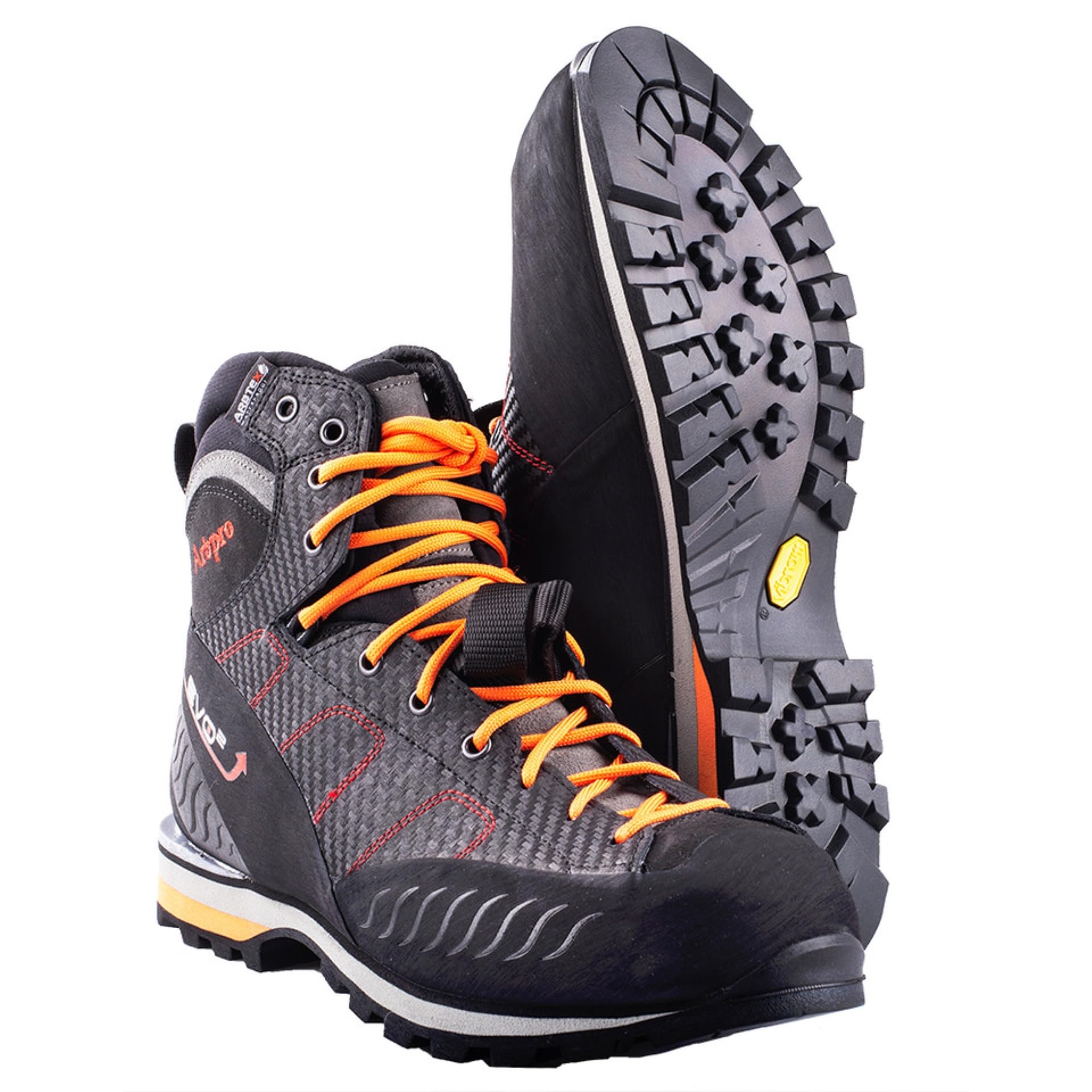
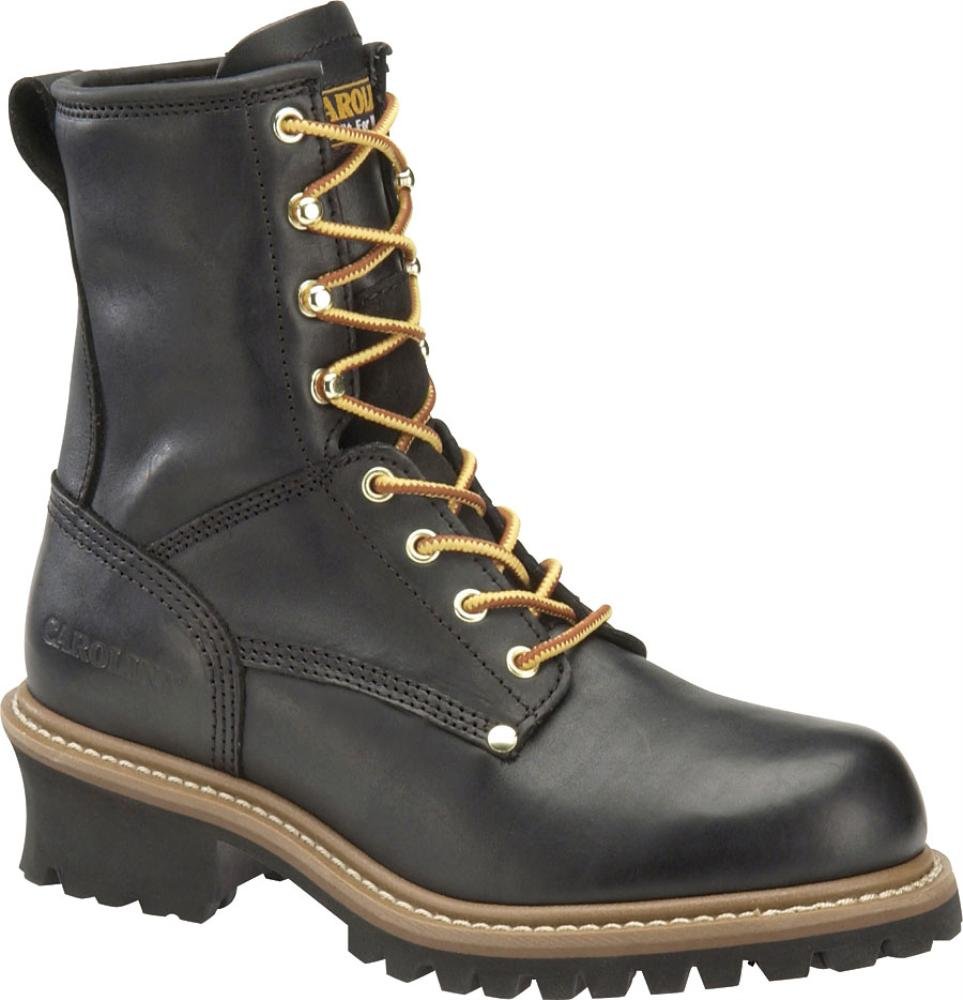
An arborist boot is a protective boot built for saw work around trees. Compared with a plain work boot it adds some mix of a stiff shank, a raised and well defined heel, a protective toe class, and, on many models of the class, chainsaw rated fibres in the upper. Ground duty boots lean toward comfort for long days of cutting and dragging brush, while climbing boots lean toward stiffness and heel shape. Prices follow the split: ground classes run about $150 to $300, and climbing classes with the highest protection ratings run about $250 to $450.
Ground crews who rarely leave the floor sometimes shop the broader class covered by guides to best work boots for arborist, where the emphasis falls on all day standing, site hazards and toe protection rather than spur work. That is a fair buy for pure ground work. It stops being fair the week the job starts sending you up a rope, because a flexible sole on spurs tires the arch and slips on rungs.
Key Specs Explained in Plain English
Fit, Sizing, and Toe Box
Measure your feet late in the day, when a shift of standing has swollen them to working size, and try boots on with the thick socks you actually climb in. You want a thumb width of room past the longest toe, a heel that stays seated when you flex, and no pinch across the toe box when the boot bends. A roomy toe box matters more aloft, where toes press forward on descents and numb feet read the rope and the branch poorly.
Chainsaw Protection and Toe Classes
Chainsaw protection classes are graded by the chain speed the boot is rated to resist, so a higher class rating means the fibres are built to stall a faster chain. Match the class to the saws your crew runs, and never buy below the class your employer or insurer names. Toe classes split into steel and composite: steel is the traditional heavy option, composite is lighter and kinder in cold weather, and both guard against dropped logs and saw cases rather than against the saw itself.
Shank, Heel and Spur Support
The shank is the stiff plate inside the sole, and the heel classes decide how the boot behaves on steel. A firm shank spreads the pressure of a climbing spur strap across the arch instead of letting it bite one spot, and a tall, squared heel breast catches ladder rungs and gives the spur a ledge to sit against. Dedicated best arborist climbing boots push this design furthest, with the stiffest shanks and tallest heels in the class, which is why they feel clumsy on flat ground.
Waterproofing and Breathability
Waterproof membranes keep rain and wet brush out, which ground crews working wet weeks will want, but the same membrane slows drying once water does get in over the collar. In hot, dry regions a plain leather upper breathes better and dries overnight, and breathability is a comfort spec you feel by midday. Decide by your wettest month, not your average one, and remember that a membrane only works below the top of the boot.
Weight and Expected Lifespan
Protection weighs something, and every extra pound is lifted thousands of times a week, so buy the lightest boot that still carries the classes your duty needs. Lifespan is best counted in seasons rather than miles: full time ground work usually wears a pair out in one to two seasons through sole wear, split stitching and crushed cushioning. One rule has no season at all: a boot whose upper has taken a chain contact is retired that day, even when the cut looks small.
Rookie Mistakes to Avoid
- Buying a soft hiking boot for spur climbing, then fighting arch pain and slipping rungs all week.
- Choosing chainsaw protection by price alone without checking which class the boot is rated to.
- Sizing by street shoe size at breakfast, before work socks and a day of swelling enter the picture.
- Ignoring the heel shape, then finding a flat sole slides on ladder rungs and in stirrup style spur straps.
- Keeping a boot in service after the upper has been cut, when its protective fibres are already spent.
Getting Started: First Use and Break In
Break a new pair in on ground duty first, in short shifts, before you trust it in a tree. Lace firmly through the ankle hooks so the heel stays seated, check that spur straps sit flat against the shank area without twisting, and walk a ladder before you climb past it. At the end of the day, loosen the laces fully, pull the insoles out, and air dry the boots away from direct heat, which cracks leather and melts glues. If your budget allows two pairs in rotation, each pair dries fully between shifts and both last longer.
Frequently Asked Questions
How should arborist boots fit for climbing work?
Arborist boots for climbing should hold the heel firmly, leave a thumb width past the toes, and feel snug through the arch where the spur strap bears. Feet swell during a long climb day, so the fit that matters most is the afternoon fit, checked in work socks. A heel that lifts with every step will blister on the ground and wander on gaffs, which makes heel hold the first thing to check in the shop.
Do arborist boots need waterproofing for ground work?
Ground crews working wet grass, mud and rain weeks benefit from a waterproof membrane, while crews in dry regions often prefer plain leather that breathes. One point surprises new buyers: a membrane also slows drying after water pours in over the collar, so a soaked waterproof boot can stay damp for days. In truly wet seasons, rotating two pairs keeps a dry set ready each morning.
Can arborist boots be worn all day on the ground?
Yes, ground class arborist boots are built for full days of cutting, chipping and hauling, and their cushioning suits long hours on hard ground. Climbing class boots are the exception: the stiff shank that supports you on spurs makes flat ground walking tiring and awkward by the hour. If your week mixes both duties, a mid stiffness ground boot is the honest compromise rather than two extremes worn on the wrong days.
How often should arborist boots be replaced?
Replace arborist boots when the shank starts to flex, the heel breast rounds off, the tread smooths out, or the upper cracks at the flex point. For full time crews that point usually arrives within one to two seasons. There is also an instant rule that ignores wear entirely: chainsaw fibres that have stalled a chain once have done their job and cannot be trusted again, so that boot leaves service the same day.
How long is the break in period for arborist boots?
Most arborist boots settle in over one to two weeks of ground shifts, with stiff climbing classes at the slow end of that range. The leather softens at the ankle and the sole starts to match your stride during that period. Never break in a new pair on a big removal day or a first climb for a new crew, because sore feet aloft steal attention that belongs on the saw and the rope.
Final Thoughts
Start with your duty class, then the safety class, then fit, and let price argue last. Buyers who keep that order are the ones who find the best arborist boots for their crew: boots that protect the leg, hold the spur and stay comfortable through a full shift. Compare your shortlist against the product table above, and measure your feet the same afternoon you plan to order.