Best Backcountry Hunting Boots by Budget for 2026
Disclosure: We may earn a commission when you buy through links on this page, at no extra cost to you. As an Amazon Associate I earn from qualifying purchases. Learn more

Compare the best backcountry hunting boots at every price point, and learn what budget, midrange, and premium pairs offer for fit, support, and durability.
Backcountry hunting boots run from under $100 to well over $500, and the price gap is not just about a logo. The best backcountry hunting boots for your hunt depend on how far you walk, how much pack weight you carry, and how cold and wet your country gets. This guide breaks down what each price tier actually buys you, so you can spend on the features that matter and skip the rest.
You will see how support, waterproofing, and insulation change as prices climb, plus what a pair really costs over several seasons. The product table puts the main options side by side. Whatever boots you choose, check your local hunting regulations before the season, since season dates, blaze orange rules, and tag requirements vary by state and unit.
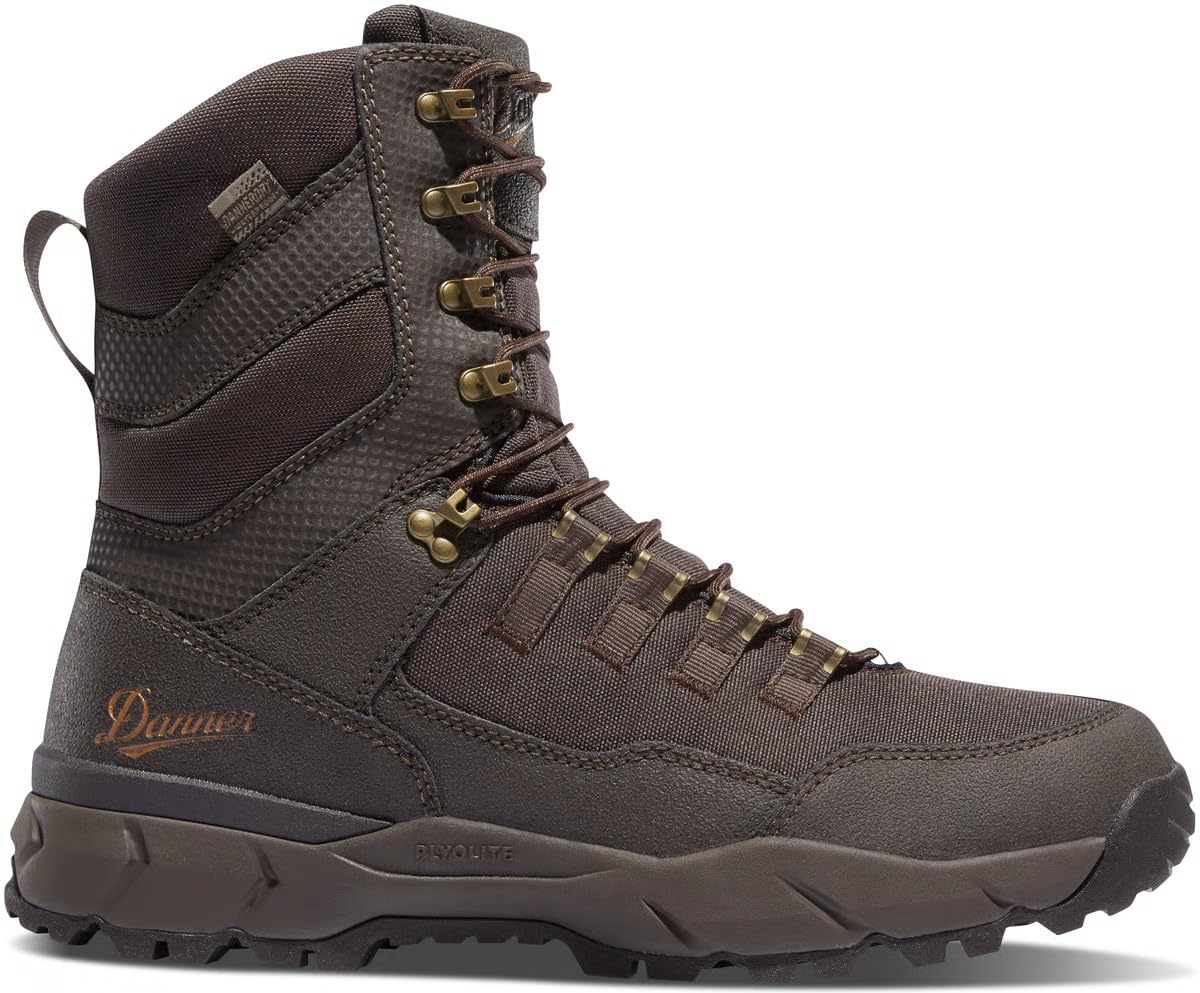

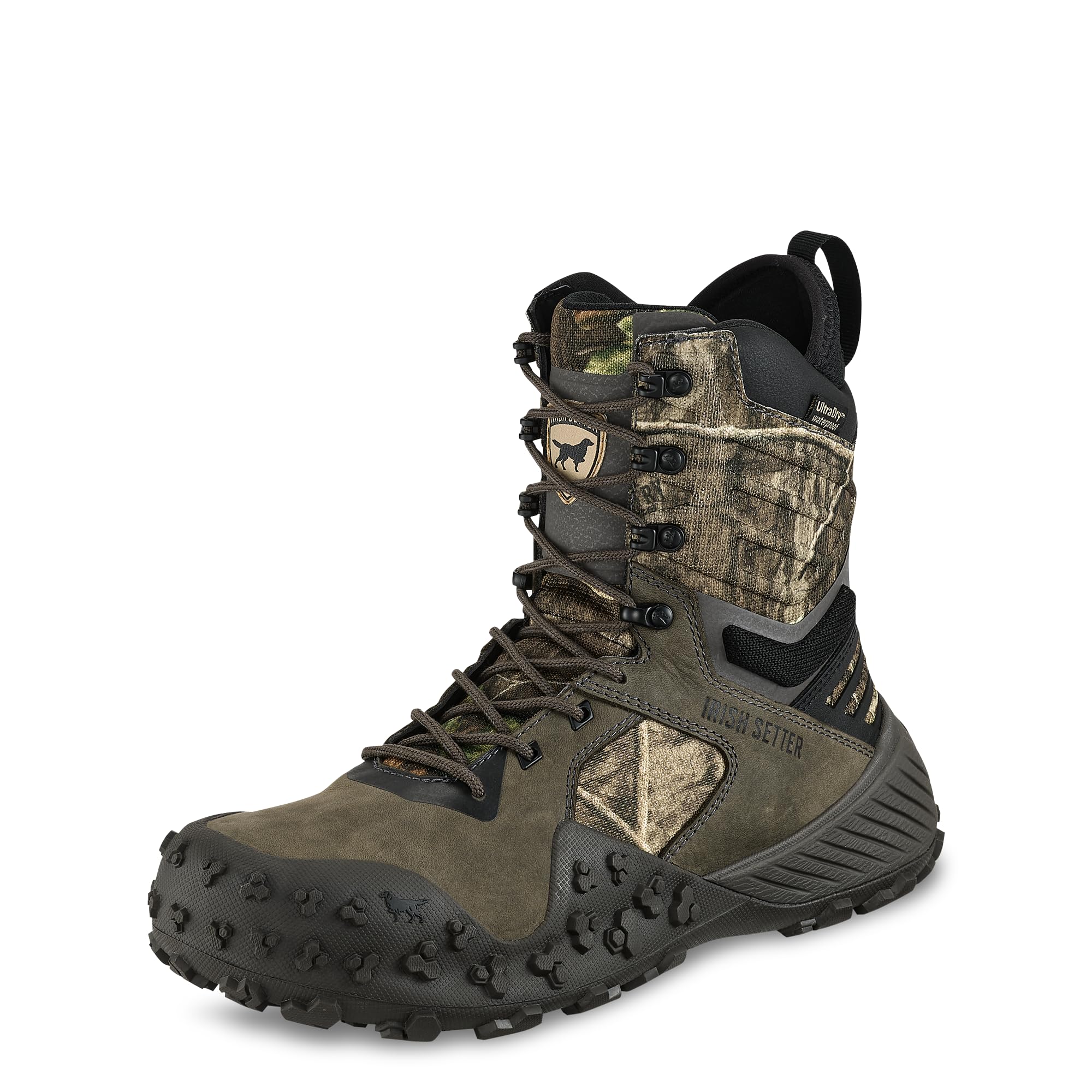
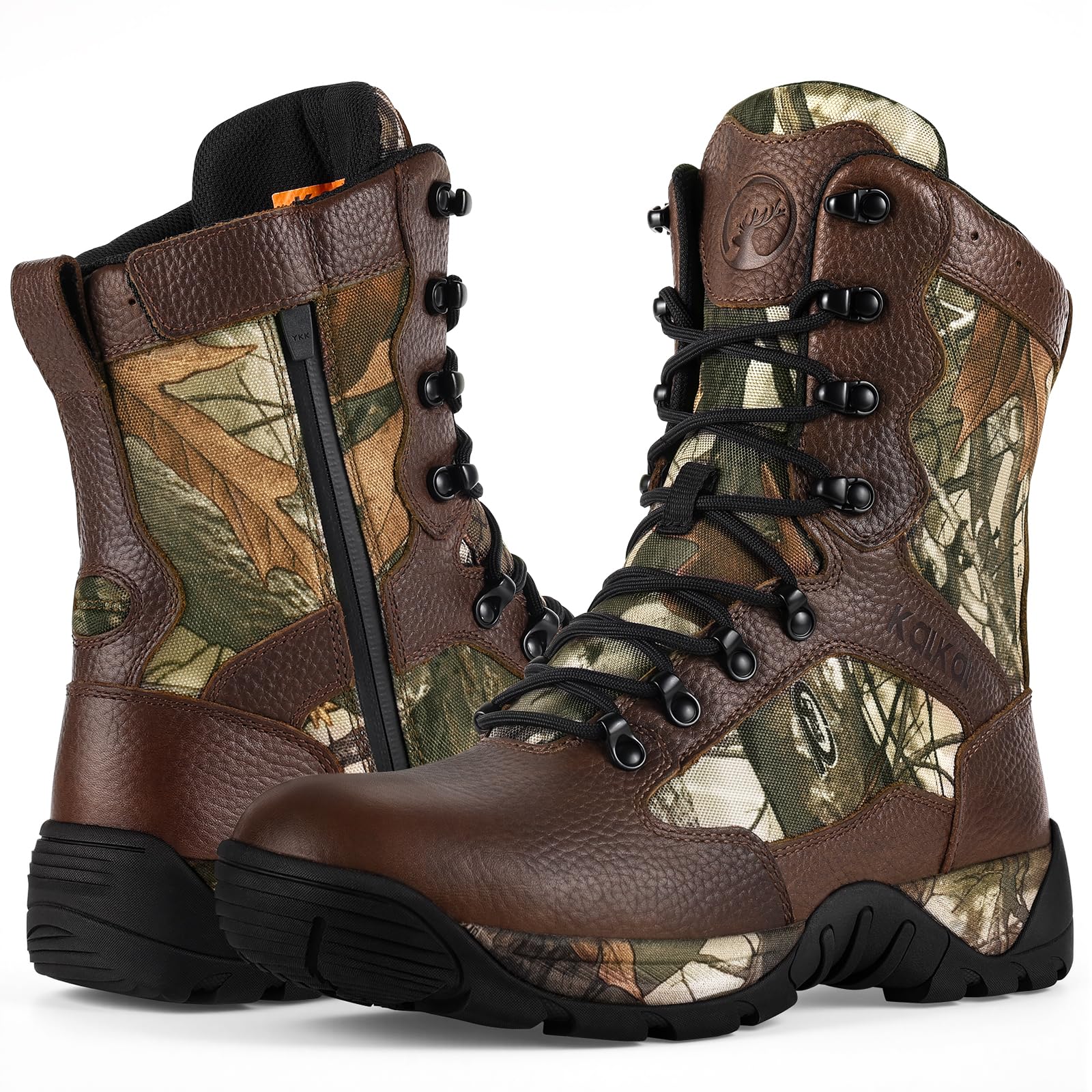
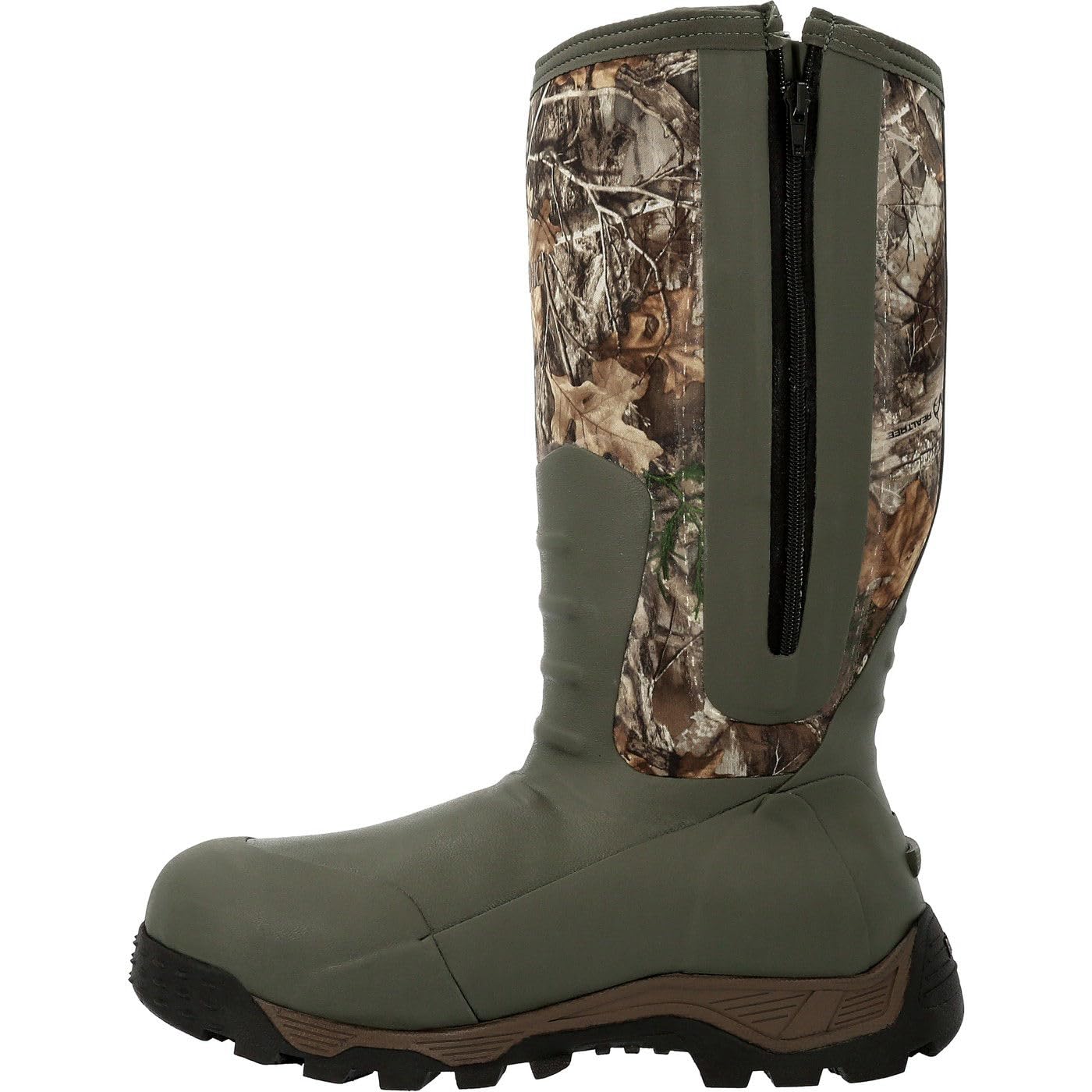
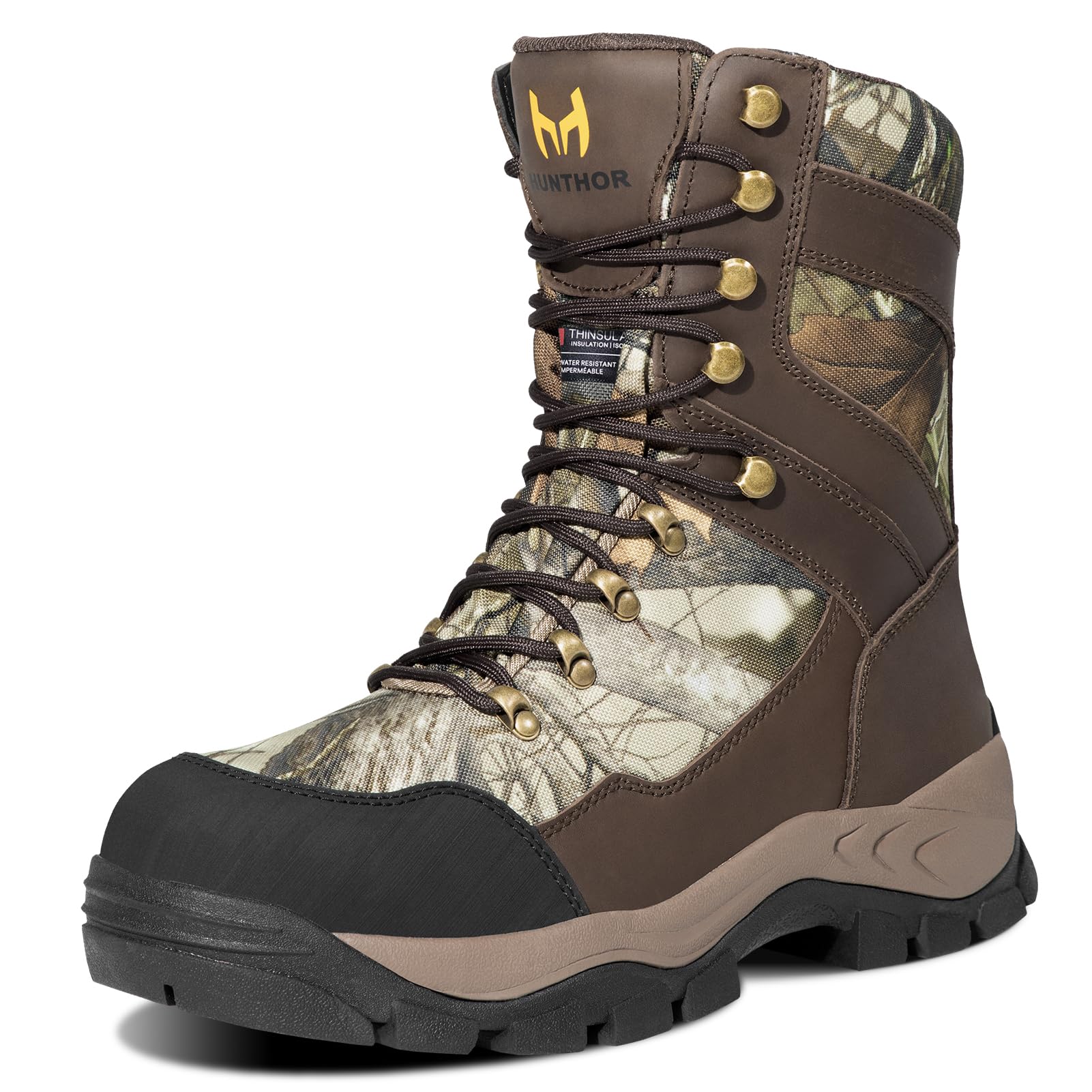

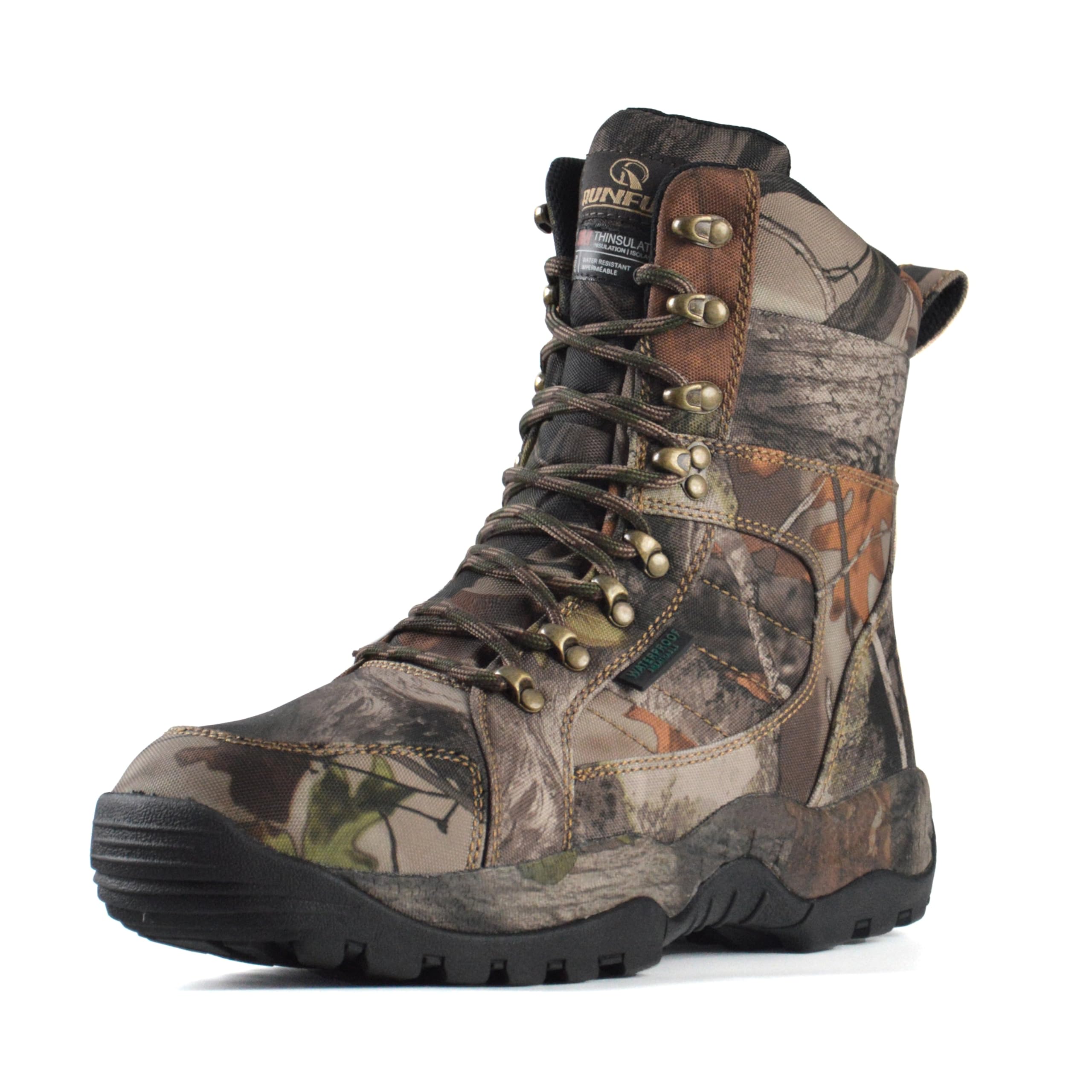


What the Best Backcountry Hunting Boots Offer at Each Price Tier
Price tiers in this category track materials and construction more than fashion. A cheaper pair uses more synthetic panels and cemented soles, while a premium pair uses full grain leather, a stiffer shank, and a sole that a cobbler can often replace. Here is how the three levels compare in practice.
Entry Level: Under $200
Expect a mid height boot with a synthetic and suede upper, a basic waterproof membrane, and light insulation or none at all. Support suits day hunts and moderate loads on established trails, but the midsole foam packs down sooner under a heavy pack. These pairs make sense for warm early seasons, flat ground, and hunters who get out a few weekends a year. If most of your hunting is closer to the truck, our guide to the best hunting boots covers lighter options for that style.
Middle Tier: About $200 to $350
This is where most backcountry hunters should shop. Uppers shift toward nubuck or full grain leather, membranes seal better at the seams, and insulation options run from uninsulated to about 400 grams for late season sits and slow stalks. A nylon or fiberglass shank adds the torsional stiffness that keeps your arch from aching on sidehill traverses. Soles use deeper lugs that grip wet rock and mud far better than entry level tread.
Top Tier: About $350 to $550
Premium money buys a taller, stiffer boot built for steep country and pack loads over 40 pounds. You get thicker leather that resists brush and scree, a rigid shank that supports your foot on uneven footing, and insulation up to about 800 grams on cold weather models. Many premium pairs can be resoled, which spreads the cost across many more seasons. The trade off is weight and a longer break in, so these boots reward hunters who log serious miles far from the trailhead.
Features Worth Paying For (and Ones to Skip)
Durability and Expected Lifespan
Seam placement and upper material decide how long a boot survives the backcountry. Fewer seams mean fewer leak points and fewer places for grit to saw through stitching. A hard used pair on rough, off trail ground may last about 300 to 500 miles before the midsole feels dead, while a premium leather pair that gets resoled can cover far more. Check that the rand, the rubber strip around the base of the upper, is thick enough to shrug off sharp rock.
Cushioning and Support
Under a loaded pack, support matters more than soft cushioning. A firm midsole with a full length shank keeps the boot from twisting on sidehills and spreads pressure across your whole foot. Heel to toe drop on hunting boots usually runs about 8 to 12 mm, which suits a natural walking stride on uneven ground. Very soft, thick soles feel good in the store but roll on rocks, so favor stability over plushness for mountain hunts.
Fit, Sizing, and Toe Box
Measure your feet late in the day, when they are slightly swollen, and try boots on with the thick socks you hunt in. Your toes need room to spread and to avoid jamming into the front on steep descents, while your heel should stay locked with minimal lift. Feet often swell over a long day under a pack, so a roomy toe box with a snug heel is the right mix. If foot pain keeps returning after hunts, or you notice numbness that does not fade, see a doctor or podiatrist rather than hoping new boots alone will fix it.
Weight and Flexibility
Every extra pound on your feet costs energy across a full day of climbing. Lightweight pairs around 2.5 to 3 pounds per pair suit early season and fast moving hunts, but they flex more and protect less on rock. Stiffer, heavier boots earn their weight when you carry meat or camp gear over rough ground. Match flex to the load: the heavier the pack and the steeper the slope, the stiffer the boot should be.
Features You Can Skip
Some extras add cost without helping in the field. Heavy insulation is a liability in warm climates, where it only makes your feet sweat and blister. Tall shafts above about 10 inches help in deep snow and creek crossings but feel clumsy on dry ground. If your hunts are mostly stationary in swampy lowlands, the best rubber hunting boots may serve you better than any leather hiking style boot, and they usually cost less.
Long Term Costs to Factor In
The sticker price is only part of ownership. Budget for leather conditioner and waterproofing treatment each season, replacement insoles about once a year, and spare laces. A resole on a premium pair runs about $100 to $150, far less than a new boot. Hunters covering ground in several states should also weigh versatility: one midweight pair that handles most conditions costs less over time than two narrow purpose pairs, and men comparing fit options across brands can also look at the best hunting boots for men for a wider size and width range.
Backcountry Hunting Boots: Your Questions Answered
Are expensive backcountry hunting boots worth it?
They are worth it if you hunt steep country with a loaded pack several days each season. Premium boots give you stiffer support, tougher leather, and soles that can often be replaced, which lowers the cost per season. If you hunt flat ground near the road a few days a year, a middle tier pair delivers nearly the same comfort for much less money. Match the spend to your hardest hunt, not your easiest one.
How long is the break in period for backcountry hunting boots?
Plan on about 20 to 50 miles of walking before a stiff pair feels like yours. Start with short hikes near home, then add your pack weight in stages so your feet and the leather adapt together. Blisters during break in usually point to a fit problem, not a stage you must suffer through, so adjust socks or lacing early. Never take a brand new pair straight onto a week long hunt.
Do backcountry hunting boots need to be waterproof?
Most hunters in wet climates should choose a waterproof membrane, since dew soaked grass and shallow creek crossings are part of backcountry travel. The trade off is breathability: membranes vent sweat slowly, so feet can feel damp from the inside on warm days. In dry desert country, an unlined leather boot often feels cooler and dries faster after a rare soaking. Either way, dry your boots slowly at room temperature after each trip, never against a hot stove.
How should backcountry hunting boots fit?
They should feel snug through the heel and midfoot with clear space in front of your toes. You want about a thumb width of room when you stand, because your feet lengthen under a pack and swell during the day. Toes that touch the front on a flat floor will bruise on the first steep descent. Try on both feet in the evening and walk an incline board in the store if one is available.
How often should I replace my backcountry hunting boots?
Replace them when the midsole feels flat and your feet ache after distances that used to feel easy, or when tread lugs wear smooth enough to slip on wet rock. Cracked leather that leaks even after treatment is another clear sign. Many hunters get about three to five hard seasons from a middle tier pair. Keeping a rotation of two pairs, like the styles in our best backcountry boots guide, lets each pair dry fully and can stretch the life of both.
Can I wear backcountry hunting boots all day?
Yes, a well fitted pair is built for dawn to dark wear, and many hunters keep them on from camp chores to the last pack out. All day comfort depends on sock choice and lacing: snug the heel zone firmly, leave the toe zone looser, and re lace after lunch when your feet have swollen. If your feet ache badly every evening, the boot last probably does not match your foot shape, and a different model will help more than thicker socks.
Final Thoughts
Start with fit and support for your heaviest load, then choose waterproofing and insulation for your climate, and let price follow from there. The product table above shows how the options stack up at a glance. Pick the best backcountry hunting boots your budget allows from the middle tier up, break them in well before the season, and they should carry you through many hunts. Prices and availability can change, so check the product page before ordering.