
Best Back Up Sump Pumps Made Simple: A Clear Buying Guide for 2026
Disclosure: We may earn a commission when you buy through links on this page, at no extra cost to you. As an Amazon Associate I earn from qualifying purchases. Learn more

Shopping for the best back up sump pumps for the first time? Learn the terms, compare battery and water powered types, and avoid rookie mistakes with ease.
A sump pump only protects your basement while the power stays on. Storms that push the most water toward your foundation are exactly the events that knock out electricity, and a primary pump can also fail on its own, jam, or trip a breaker. A back up pump is the second line of defense that keeps working through all of that.
If this is your first time shopping, the best back up sump pumps can look confusing, full of gallons per hour ratings and battery jargon. This guide starts with the basics, translates every important spec into plain English, and ends with the mistakes beginners make most often. Skim the comparison table below for the landscape, then read the sections in order and you will know what your basement actually needs.




Back Up Sump Pumps 101: The Basics
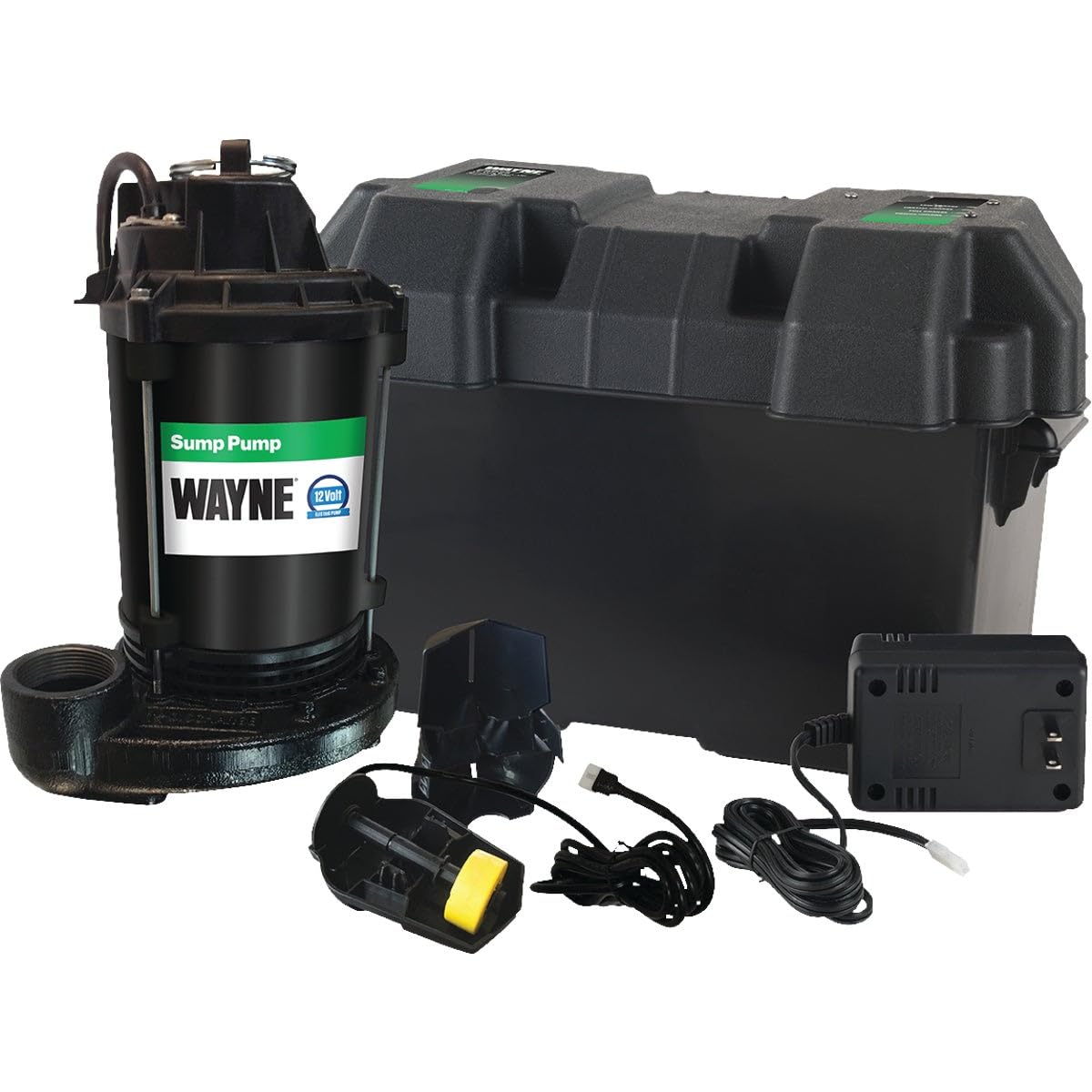
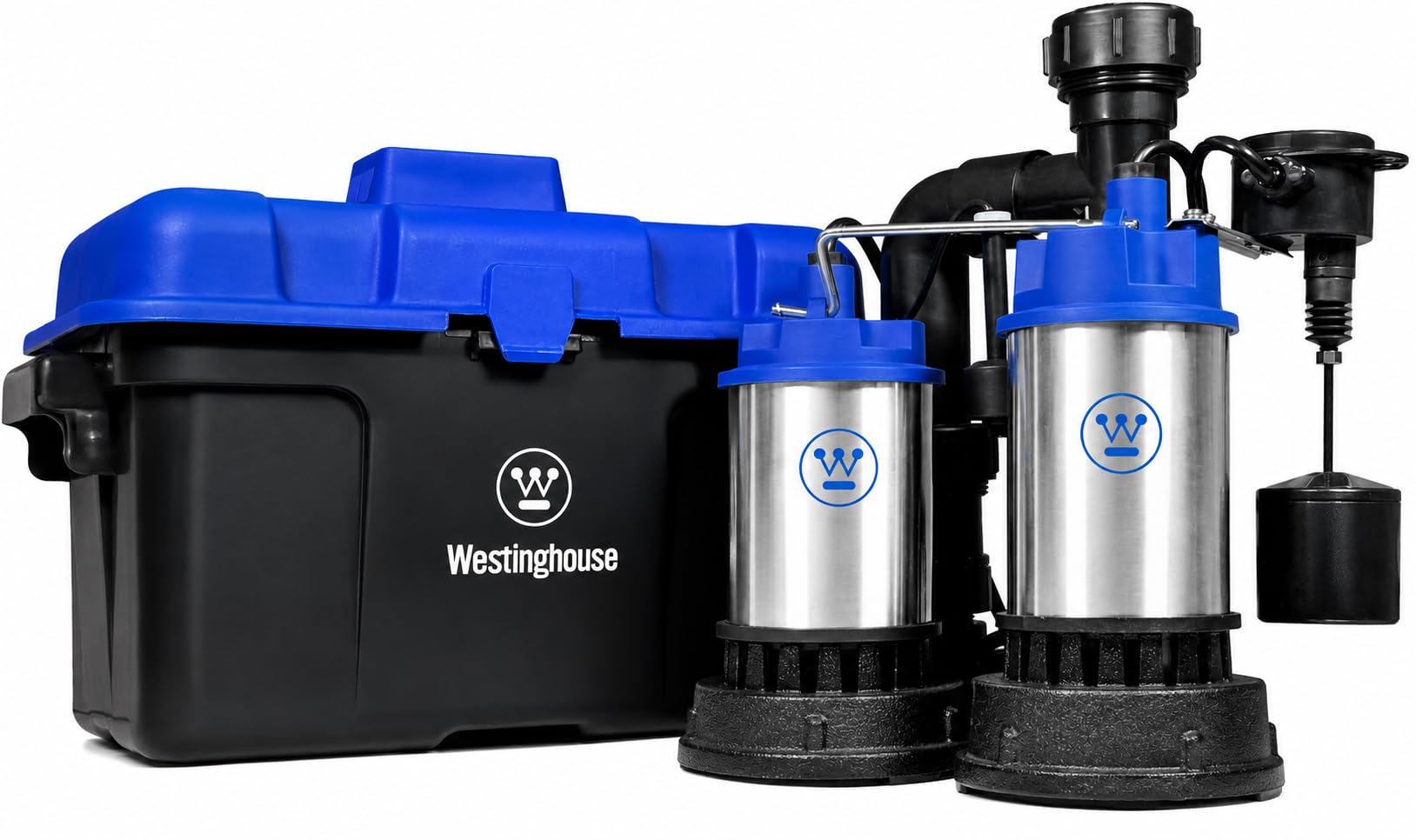
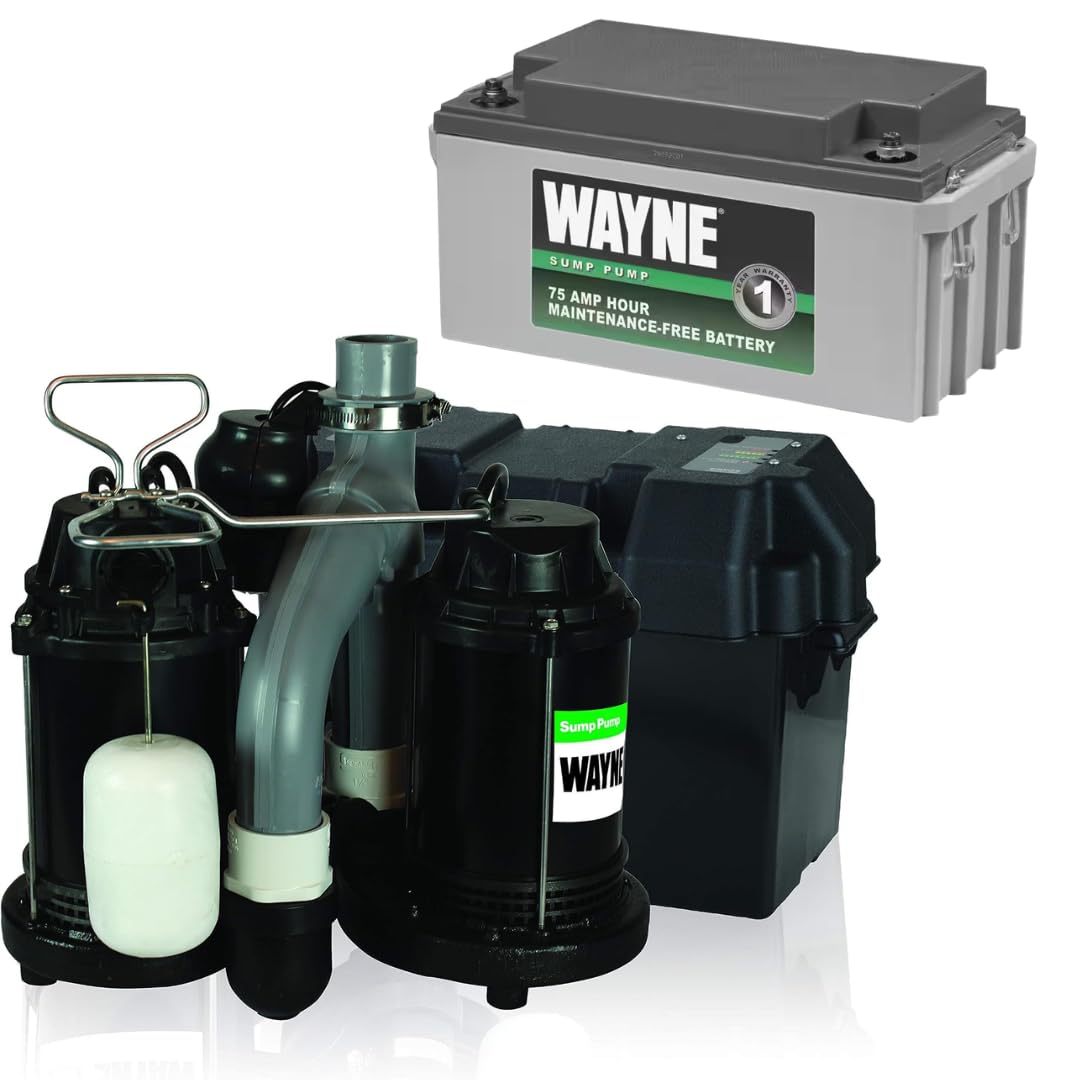
A back up sump pump sits in the same pit as your main pump, or beside it, and switches on automatically when the main pump cannot keep up or stops entirely. Most home systems use one of two power sources. Battery powered models run on a deep cycle battery kept charged by a small controller, and they work during any outage. Water powered models use pressure from your municipal water line to pull water out of the pit, so they need no battery at all, but they only suit homes with reliable city water pressure and they consume water while they run.
Three terms cover most of the shopping decision. Gallons per hour, or GPH, is how much water the pump moves. Head height is how high the pump must lift that water to reach the discharge pipe, and real output drops as lift increases. Runtime is how long a battery system can pump before the battery runs down. Everything else in this guide hangs off those three ideas, and our companion guide to the best battery back up sump pumps goes deeper on battery systems specifically.
Key Specs Explained in Plain English
Power Source: Battery vs Water Powered
Battery powered back ups are the default choice for most homes because they work in any outage and move more water. Their weakness is the battery itself, which needs testing and eventual replacement every few years. Water powered back ups shine where outages are long and city water pressure is strong and steady, since they can run indefinitely without charging. They move less water per minute and do not work on well systems, because a well pump also stops in an outage. Choose based on your water supply first, then on capacity.
Capacity and Lift Height
Manufacturers advertise GPH at zero lift, a number no real basement ever sees. What matters is the rating at 10 feet of lift, which approximates pumping from a basement pit up and out of the house. A modest back up might move around 1,000 to 1,800 gallons per hour at that height, while stronger systems exceed 2,500. Match capacity to your primary pump and your history: if your pit fills fast during spring storms, buy capacity closer to the main pump. If water only seeps in slowly, a smaller back up is a reasonable safety net.
Battery Size and Runtime
Battery capacity is measured in amp hours, and bigger batteries pump longer. As a rough guide, a midsize deep cycle battery might run a back up pump for several hours of actual pumping, which can stretch across a day or more of storm weather because the pump cycles on and off rather than running constantly. Some controllers accept two batteries for extended runtime. Note that the battery is often sold separately, so factor around $100 to $300 for it into your budget. Marine style deep cycle batteries are the common recommendation because they tolerate repeated discharge better than car batteries.
Alarms and Monitoring
A back up you never hear about is a back up you cannot trust. At minimum, choose a system with an audible alarm that sounds when the back up runs, when the battery is low, and when power fails. Better controllers add indicator lights that explain the fault in plain terms, and higher end systems send phone alerts over WiFi so you learn about a rising pit while away from home. That alert is often the difference between a damp floor and a finished basement loss, because it gives you time to act. Test the alarm during installation so you know its sound.
Switches and Controls
The float switch tells the pump when to start, and reliability here matters more than any headline rating. Look for switches without mercury, with a wide pumping range so the pump runs in longer, less frequent cycles, and with a design that cannot snag on the pit wall. Some systems use electronic water sensors instead of floats, which removes moving parts but depends on clean sensor surfaces. Whatever the type, confirm the back up float sits higher than the primary pump float, so the back up only runs when the main pump falls behind.
Warranty and Support
Back up pumps are insurance, and warranty terms show how much the maker trusts the product. Two to five years of coverage is typical, with longer terms on premium controllers. Check whether the warranty covers the whole system or only the pump, and whether replacement parts such as floats and chargers are sold separately, since a system you can repair beats one you must replace. Broader build quality comparisons appear in our guide to the best quality sump pumps, which is useful background before you commit.
Best Back Up Sump Pumps for Specific Needs
Best Zoeller Back Up Sump Pumps: Tips for First Time Buyers
When shoppers search for the best zoeller back up sump pumps, they are usually chasing a reputation for durable cast iron primary pumps and wanting that same build standard in a back up. If you go this route, focus on three things: a controller that reports battery health clearly, a pump body rated for continuous duty in warm pit water, and a charger that maintains the battery without overcharging it. Match the back up capacity to your primary pump rather than buying the largest unit, and confirm the float design suits your pit diameter before ordering.
Best Reviewed Basement Back Up Sump Pumps: Tips for First Time Buyers
Lists of the best reviewed basement back up sump pumps reward systems that owners forget about between storms, and that is the right instinct. For a typical finished or storage basement, prioritize a loud, clear alarm, a battery you can source locally when it ages out, and an installation that keeps the discharge line shared or separate exactly as the maker specifies. If your basement stores anything you cannot replace, step up one capacity tier and consider a second battery. Protection for stored belongings is also the theme of our guide to the best residential sump pumps.
Rookie Mistakes to Avoid
- Judging by the biggest GPH number. That figure is measured with no lift. Compare ratings at 10 feet of head instead, or you may buy a pump that disappoints in a real pit.
- Forgetting the battery is separate. Many systems ship without one. Budget for a deep cycle battery and confirm which group size the controller and box accept.
- Installing and never testing. A back up that sits silent for two years may have a dead battery or a stuck float. Pour water into the pit every few months and watch a full cycle.
- Skipping the check valve. Without one, water in the discharge pipe flows back into the pit after each cycle, making the pump redo the same work and draining the battery faster.
- Assuming water powered suits every home. It needs strong municipal pressure and does nothing on a well. Well owners should choose battery systems, and anyone unsure about pit sizing can review how primary units such as the best submersible sump pumps are matched to a pit.
Getting Started: Setup and First Use
Installation follows a simple order. Set the back up pump in the pit beside the primary, with its float higher than the primary float. Connect the discharge line as the manual directs, fit a check valve, and route the line so it cannot freeze or kink. Mount the controller on the wall above flood level, connect the battery with the correct polarity, and plug the charger into a grounded outlet, ideally one protected by a ground fault circuit interrupter. Keep cords clear of the pit water. Then test properly: unplug the primary pump, fill the pit with buckets of water, and confirm the back up starts, clears the water, and sounds its alarm. Finish by plugging the primary back in. Never reach into a pit with both pumps plugged in, and keep hands dry around any electrical connection near water.
Back Up Sump Pumps: Your Questions Answered
Should I choose a battery powered or water powered back up pump?
Choose battery powered if you have a well, modest city water pressure, or a pit that fills quickly, because battery systems move more water and work anywhere. Choose water powered only if your municipal pressure is strong and steady, outages tend to be long, and you dislike battery maintenance. Some cautious owners in flood prone areas install a battery system as the main back up and treat water power as a second layer, though for most homes one well matched system, maintained and tested, is enough.
Can I use batteries across brands?
Generally yes for the battery itself, because back up systems use standard 12 volt deep cycle batteries rather than proprietary tool style packs. What must match is the battery type and size the controller expects, usually a marine deep cycle battery of a stated group size and amp hour range. The charger and controller, however, are brand specific and should not be mixed. When in doubt, buy the battery the manual names, because an undersized battery quietly shortens runtime during the outage you bought the system for.
How long will a back up sump pump run during an outage?
Runtime depends on battery size and how often the pump cycles. A typical midsize battery might deliver several hours of actual pumping, and because the pump rests between cycles, that can cover a full day of moderate inflow or a few hours of heavy inflow. Larger batteries and dual battery setups extend this considerably. The honest way to judge is to check your pit during a storm: if it cycles every few minutes, size up the battery rather than trusting best case figures.
How often should I test and maintain a back up sump pump?
Test the system every three months by lifting the float or adding water to the pit, and confirm the alarm works. Check battery water levels on serviceable batteries and keep terminals clean and tight. Most deep cycle batteries need replacing every three to five years even if they still hold a charge, because capacity fades with age. Mark the battery install date on its case with a marker, a habit also recommended in guides to the best backup sump pumps, so replacement never depends on memory.
Wrapping Up
For a first purchase, keep the decision simple: pick the power source your home supports, compare capacity at 10 feet of lift rather than headline numbers, and insist on a clear alarm. Add a check valve, test with real water, and put battery checks on your calendar. The best back up sump pumps are not the fanciest systems but the ones that start without fail on the worst night of the year. Compare the product table above against those points, and your basement will be ready for the next storm and the outage that comes with it.


