Best Back Pillows for Office Chairs for 2026: Which One Fits the Way You Use It?
Disclosure: We may earn a commission when you buy through links on this page, at no extra cost to you. As an Amazon Associate I earn from qualifying purchases. Learn more
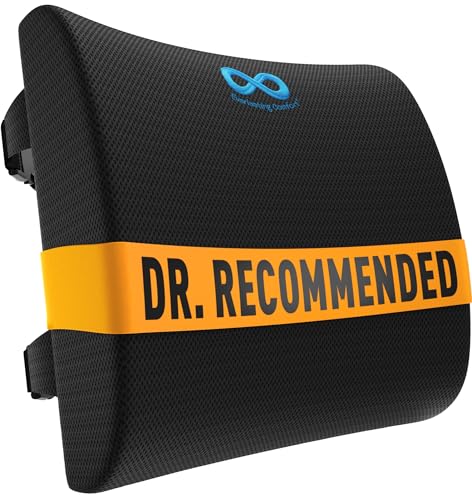
Compare the best back pillows for office chairs by support, fill, firmness, and fit, with practical buying tips to help you choose with confidence.
A back pillow can turn a mediocre desk chair into one you can sit in all morning without shifting around every few minutes. The catch is that the shape suiting a long day of focused work differs from the one suiting short sessions at a shared desk. This guide explains how to choose the best back pillows for office chairs for the way you actually sit, and the comparison table below sums up the main styles side by side.
What matters is how the pillow matches your chair back, your posture habits, and how many hours you spend seated each day. The sections below cover who benefits from which style, the features that matter, the mistakes that waste money, and simple care that keeps foam supportive for longer.
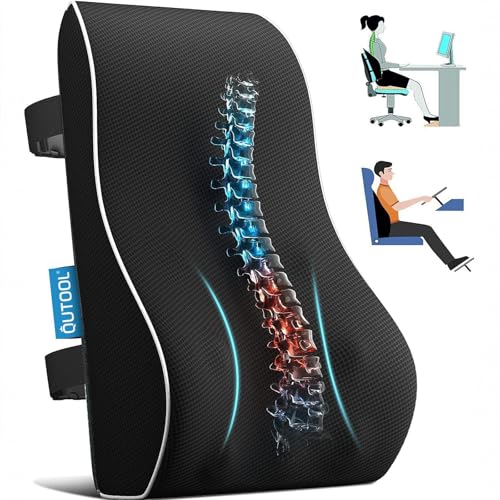
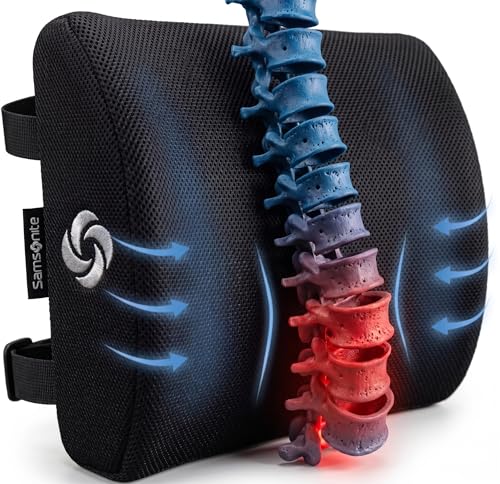

Who Should Buy Which Back Pillows?
Start with your chair, not the pillow. A back pillow adds support where the chair leaves a gap, so the best match depends on what your current seat lacks and how you use it each day. If your lower back aches even when you sit with good posture, the chair itself may be the deeper problem, and it is worth reading about the best office chairs for back first.
For First Time Buyers
If you have never used a back pillow, start with a simple contoured design in medium firm memory foam. This is the most forgiving starting point because its curve fills the natural hollow of your lower back without pushing you forward. Look for an adjustable strap, a washable removable cover, and a return window long enough to test it across several full workdays. Give it a week to adjust, since mild awareness of new support at first is normal and usually fades.
For Gift Shoppers
A back pillow makes an easy gift for anyone who works at a desk, but fit is personal, so choose the safest version of the idea. Pick a midsize pillow in a neutral color that suits most chair backs, and favor models with washable covers and straightforward warranty terms. Avoid very tall or extra thick designs, because those only suit specific chairs and taller torsos. Choosing a listing with easy returns lets the recipient swap firmness without awkwardness.
For Value Seekers
Value in this category means cost spread over years of daily sitting, not the lowest sticker price. A dense foam core that holds its shape, stitching that survives weekly strap adjustments, and a cover you can replace or wash will outlast a plush pillow that flattens within months. Many solid options cost about $25 to $60, and the middle of that range usually buys noticeably better foam.
Key Features to Compare
When you compare the best back pillows for office chairs side by side, the differences that matter are shape, fill, firmness, and how well the pillow stays where you put it. If your chair already has strong built in lumbar shaping, a thinner pillow may be all you need, and our guide to the best office chairs for back support shows what good built in support looks like. Use the product table above to shortlist a few shapes, then check them against the details below.
Features That Matter for Office Chairs
Office use makes specific demands that a sofa cushion never faces. The pillow must stay in position through hours of small movements, so look for one or two adjustable straps and a nonslip backing, especially on smooth leather or mesh chairs. Portability helps too if you split your week between a home desk and an office. A washable cover matters more than decorative fabric, because the pillow sits against your clothing all day and absorbs heat and sweat.
Support and Pressure Relief
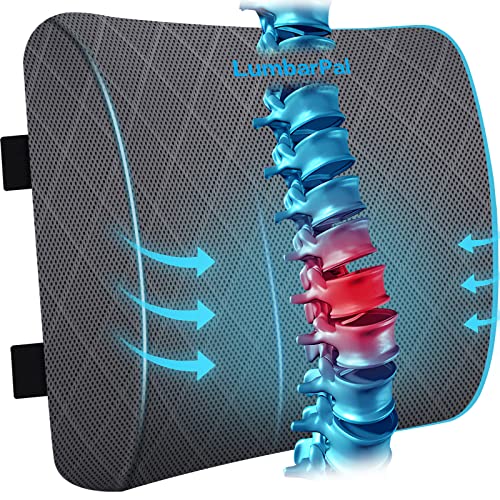
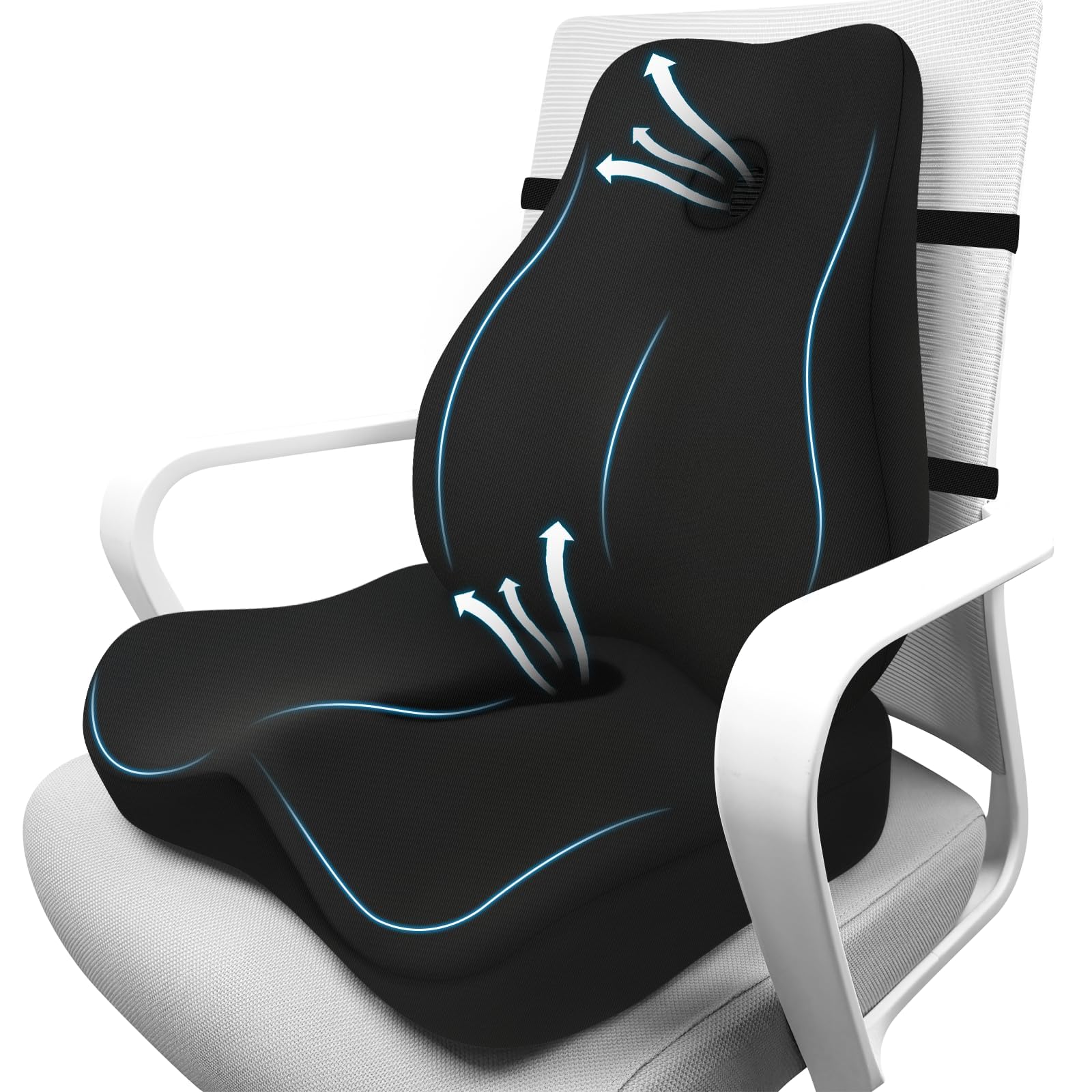
Good support means the pillow fills the gap between the chair back and the inward curve of your lower back, so your spine keeps its natural shape without muscular effort. Pressure relief comes from foam that spreads contact across a wide area instead of pressing on one spot. A contour that is tallest at the belt line and gentler above and below usually does this best. Side wings can help you feel centered, though aggressive wings may crowd smaller frames.
A pillow improves comfort, but it is not a medical treatment. If you notice numbness or tingling in a leg, weakness, pain that shoots below the knee, or any change in bladder or bowel control, stop experimenting with cushions and see a doctor promptly. Readers working through ongoing pain may also want to look at the best office chairs for bad backs, and you should talk with your clinician about what support suits your personal situation.
Material and Fill
Memory foam is the most common fill because it molds to your back and holds that shape, giving steady pressure relief, though it can feel warm in summer. Latex feels springier and pushes back a little, which some people prefer because it encourages small posture changes, and it feels cooler than dense foam. Polyester fiber fill and down alternative fills feel plush at first but compress faster and give less structured support. Foams certified by CertiPUR US meet standards for content and emissions, and covers made with OEKO TEX certified fabrics are tested for harmful substances. If heat bothers you, look for cooling fabrics such as mesh covers or foam with an open cell structure.
Firmness and Thickness
Firmness decides how much the pillow holds your curve versus sinking under you. Medium firm suits most people because it supports without feeling like a board against the spine. Heavier users often do better with firmer foam that does not bottom out, while lighter users may find firm foam pushy. Thickness matters just as much: a very thick pillow shoves you toward the front edge of the seat and shortens the usable seat depth. For most desk chairs, a pillow around 3 to 5 inches thick at its fullest point is a sensible range.
Size and Fit
Measure your chair back before ordering, both the width between any side bolsters and the height from the seat up to where you want support to end. A pillow wider than the flat part of the chair back will curl at the edges and dig into your sides. Standard best office task chairs usually pair well with midsize pillows, while executive chairs with tall backs can take larger designs. If your chair back curves strongly or is made of tensioned mesh, choose a slimmer, more flexible pillow that can follow the curve instead of bridging across it.
Common Mistakes to Avoid When Buying Back Pillows
- Buying the thickest pillow available, which pushes you forward and steals seat depth your legs need.
- Ignoring the strap setup, which lets the pillow slide down behind you within the first hour of sitting.
- Choosing a pillow much wider than your chair back, which makes the edges curl and press into your sides.
- Judging comfort after five minutes instead of after a full work session, when weak support finally shows itself.
- Skipping the return policy and warranty check, which leaves you stuck with a firmness that never feels right.
- Expecting a pillow to fix a chair with a cracked or badly leaning backrest, which is a chair problem rather than a cushion problem.
Tips to Get the Most From Your Back Pillow
Position decides whether a good pillow actually helps. Set it so the fullest part of the contour sits at your belt line, in the small of your back, then adjust the straps so it stays there when you stand up and sit back down. Recheck the position after you change chair height or recline angle, because a small shift moves the gap the pillow needs to fill. Sitting with your feet flat and your hips slightly higher than your knees makes the pillow work better, since your pelvis stays in a neutral tilt.
Care for the pillow itself is simple. Wash the removable cover according to its label, and let it dry fully before putting it back on. Spot clean the foam core with a lightly damp cloth only, because soaking memory foam ruins its structure and takes days to dry. Air the pillow out near an open window now and then to keep it fresh, fluff fiber filled models by hand to restore loft, and store it flat rather than folded.
FAQs
What features matter most in back pillows for office chairs?
The features that matter most are a contour that fills your lumbar curve, a strap system that holds the pillow at belt height, and a cover you can remove and wash. Fill and firmness come next, matched to how long you sit each day. One point shoppers often miss is the return window: a pillow you can exchange after a week of real use beats a small discount on one you cannot send back.
How can you wash a back pillow for an office chair safely?
You wash the cover, not the foam. Unzip the cover and follow its label, usually a gentle machine cycle in cool water, then air dry it or use low heat so it keeps its shape and still fits the core. The foam itself should only be spot cleaned and left to dry completely before you zip the cover back on, because trapped moisture inside foam leads to musty smells. Never wring or fold a memory foam core to speed up drying.
Are cooling back pillows for office chairs worth it in a warm office?
Cooling designs are worth it if you regularly feel hot where the pillow touches your back during long sessions. Mesh covers, open cell foam, and gel infused layers all reduce heat buildup compared with dense foam in a thick fabric cover. Keep expectations realistic: room temperature and clothing affect warmth more than any pillow feature. If your office runs cool, a standard cover is fine, and you can spend the difference on better foam instead.
How often should you replace a back pillow for an office chair?
Replace your back pillow when it stops holding its shape, which for daily use is often after about one to two years for foam and sooner for fiber fill. Signs include foam that stays dented where your back rests, a stretched strap that lets the pillow slide, and support that feels fine in the morning but flat by afternoon. A cover that wears through at the zipper is another practical signal that the pillow has done its service.
Is a higher thread count always better for a back pillow cover?
No, a higher thread count is not always better, and for a pillow cover it matters less than the weave and the fabric itself. Very high counts can make cotton feel dense and less breathable, which works against comfort during long sits. A smooth, tightly woven cover that resists pilling and has a sturdy zipper will serve you better than a headline number. If your skin is sensitive, a certified fabric with a soft hand feel is the smarter priority.
What firmness should you choose in a back pillow for an office chair if you have back pain?
Start with medium firm, because it supports the lumbar curve without pressing hard into sore tissue, and softer pillows usually collapse too much to help. If pain persists or keeps returning after a week or two of correct positioning, the pillow is unlikely to be the fix, and our guide to the best office chairs for back problems covers when the chair itself needs attention. Persistent pain is also a reason to talk with your clinician rather than cycling through cushions.
Final Thoughts
The right choice comes down to three checks: the pillow fits your chair back, the fill and firmness suit the hours you sit, and the straps keep it at your belt line all day. Match those to your situation, whether you are buying your first pillow, gifting one, or hunting for lasting value, and use the product table above to compare your shortlist. Chosen that way, the best back pillows for office chairs stop being a guess and become steady support for your work.