Best AWD Robot Lawn Mower (2026): Slopes, Navigation and Battery
Disclosure: We may earn a commission when you buy through links on this page, at no extra cost to you. As an Amazon Associate I earn from qualifying purchases. Learn more

Best AWD Robot Lawn Mower guide: compare all wheel drive designs by slope rating, navigation, battery and yard size for hilly lawns.
A standard robot mower works well on a flat, dry lawn, then struggles the moment the ground tilts or turns soft. Wheels spin in damp grass, the mower slides on a bank, and uncut patches appear exactly where mowing by hand is hardest. Choosing the best awd robot lawn mower solves that traction problem, because power reaches all four wheels instead of just two. This guide explains how all wheel drive designs differ and which features matter.
We compare the main AWD design types by build materials and weather resistance, size and capacity, and ease of setup. Use the product table below to see real models, then read on for the criteria that separate a mower that climbs from one that only claims to.
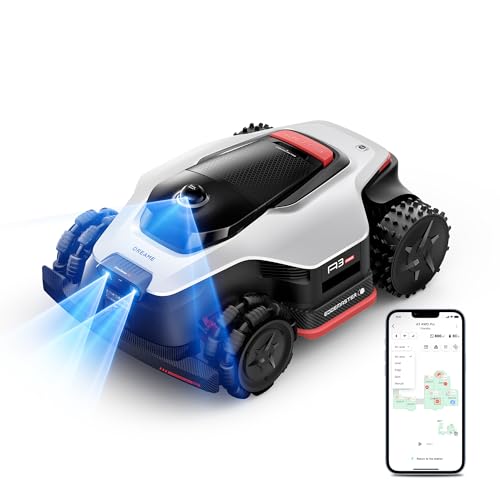
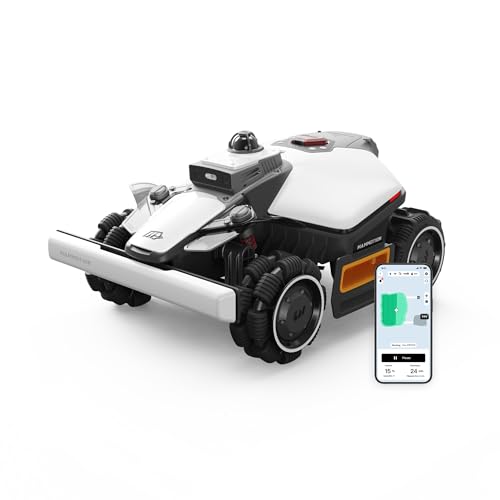
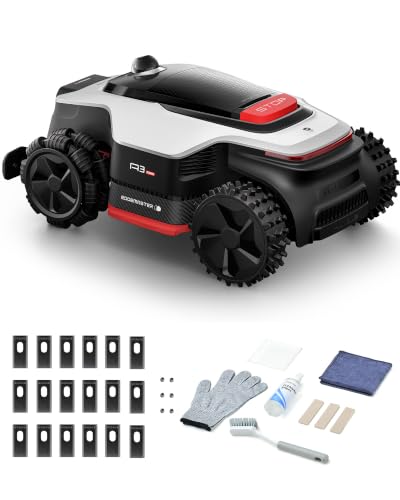
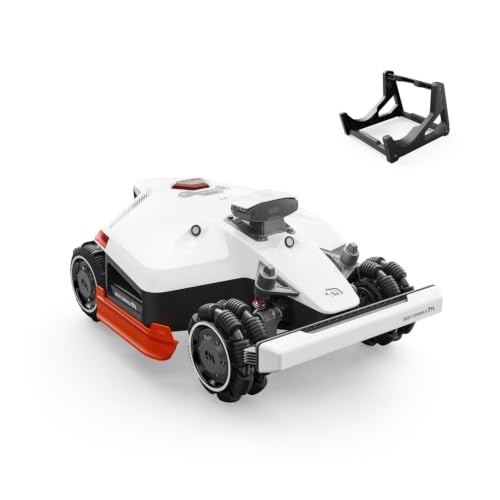
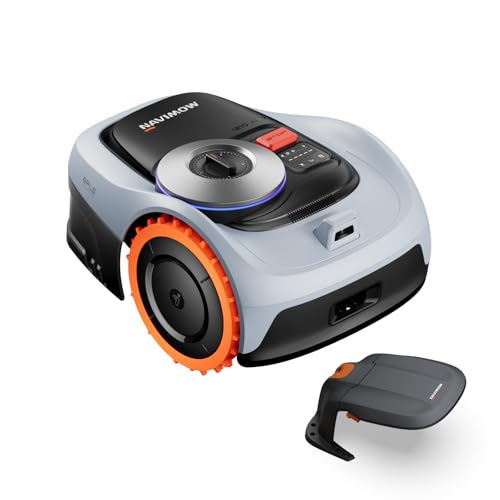
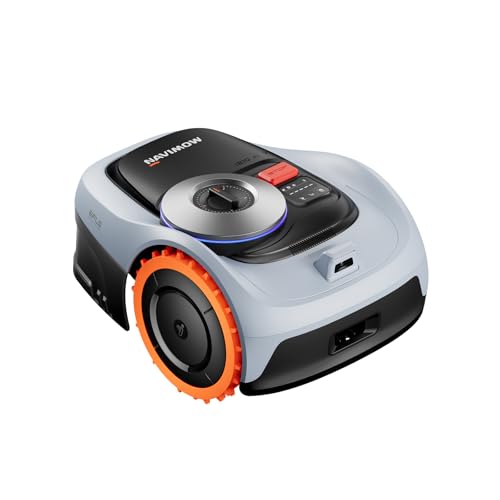
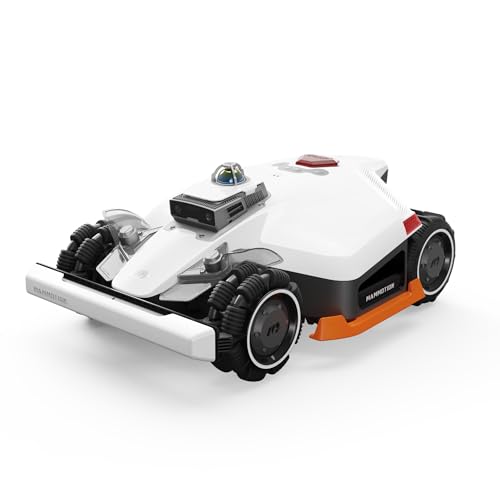

AWD Robot Mower Types Compared
AWD robot mowers fall into a few design families, and the family matters more than any single spec. The first group uses four driven wheels with a motor at each wheel or axle, giving the most even push on slopes and loose soil. These machines tend to be larger and heavier, with wide tread tires that grip without tearing turf. For the wider field first, see our guide to the best robot lawn mower, then narrow to this group.
The second group pairs all wheel drive with a pivoting frame, so the body flexes as it crosses ruts, roots, and drainage swales while all four wheels stay on the ground. Constant ground contact keeps traction steady on rough land. The third group is the compact AWD mower, built for smaller sloped lots where a full size machine would be slow to turn and hard to store. Compact models trade coverage and battery size for agility, suiting yards where the hill is steep but the total area is modest.
How We Built This Buying Guide
We judged AWD models against five criteria drawn from manufacturer specifications and verified buyer feedback: build materials and weather resistance, size and capacity, assembly effort, durability, and warranty cover. Traction claims only counted when the maker published a grade rating and wheel details to back them. Treat the criteria as a checklist for comparing listings in the product table above, not as measured results.
Who Should Buy an AWD Robot Lawn Mower?
Hillside and Banked Yards
If your lawn includes a slope you would rather not push a mower up, AWD is the feature that matters most to you. Four driven wheels share the climbing work, so no single wheel has to grip hard enough to dig in. Look for a published grade rating above your steepest section, with margin to spare. Our guide to the best robot lawn mower for hills goes deeper on slope ratings if hills are your main concern.
Large and Rough Properties
On an acre or more, terrain rarely stays smooth. You may have a flat front lawn, a rutted side strip, and a soft patch near a ditch, all in one mowing zone. An AWD mower with a flexing frame and generous ground clearance handles those changes without getting hung up on high spots. You also need capacity headroom, since rough ground slows travel and drains the battery faster than flat grass does.
Wet Climates and Soft Ground
Frequent rain changes the buying math. Two wheel drive mowers often spin and rut the lawn after a wet week, while all wheel drive spreads the push across four contact patches and keeps moving with less turf damage. If your soil stays soft for days, weight matters too: a lighter AWD model can outperform a heavier one because it sinks less. Strong weather sealing also matters more for you.
How to Choose the Right Robot Lawn Mower
Size and Form Factor
Coverage ratings usually come in bands of 1/4 acre, 1/2 acre, 1 acre, and 2 acres. Treat those numbers as best case figures for open, flat grass, then size up when your yard has slopes, trees, or many turns, because each obstacle costs mowing time. A longer, wider AWD body carries bigger wheels and batteries, but it needs wider gates and turning room at borders. Measure your narrowest gate before you fall for a large model, and check that the charging station fits a flat spot near power.
Navigation Type
AWD describes the wheels, not the guidance, so you still choose how the mower finds its way. Boundary wire systems are simple and proven, but installing wire around a complex, sloped yard takes real effort. Wire free designs use GPS with RTK correction or onboard cameras to map the lawn, which makes setup faster and lets you redraw zones in the app when beds change. On tree covered lots, camera based vision can hold position where satellite signals fade. Pick guidance that fits your yard cover, because the best drive system cannot help a mower that keeps losing its place.
Features Worth Paying For
Four features earn their cost on an AWD mower. GPS tracking with a PIN lock and alarm supports anti theft protection on a machine that works outdoors unattended. Obstacle avoidance that recognizes toys, hoses, and pets prevents stalls that leave stripes uncut. App control with zone scheduling lets you send the mower to the steep section on dry afternoons only. Rain sensing that pauses work in a downpour protects soft turf. Skip decorative extras such as headlights if the price gap is large, since they add little to cut quality.
Weather Resistant Materials
An AWD mower earns its keep in rough weather, so the shell and seals matter. Look for a housing that shrugs off UV exposure without going brittle, sealed wheel motors, and a charging station with a covered contact area. Published water resistance ratings tell you whether the mower can sit out in rain or needs shelter between sessions. Metal blade discs and stainless hardware resist the corrosion that starts at the underside, where wet clippings cling.
Size for Your Space
Small yards with one steep corner are a special case: you need AWD traction without a machine sized for an estate. Compact AWD models exist for lots under 1/4 acre, and they turn tighter around beds and play equipment. Our guide to the best robot lawn mower for small yards covers that end of the range. Whatever the size, leave about a fifth of the rated coverage unused as headroom, so the mower finishes zones on schedule instead of running flat out daily.
Assembly and Anchoring
Setup on a sloped property has one extra job: the charging station must sit on level ground, even when the lawn around it is not. Choose a flat pad near an outdoor outlet, level it if needed, and anchor the station with the supplied stakes or screws so the mower docks squarely every time. Wire free models still need a clear sky view for the RTK reference station, so place that unit on a roof edge or pole away from trees. Allow an afternoon for mapping and trial runs on the steepest zone.
Care and Off Season Storage
AWD mowers work harder per session, so small care habits protect the drive system. Swap or flip the small cutting blades when edges dull, since dull blades tear grass and force longer run times. Check the wheel treads monthly and clear packed grass from the hubs, because clogged tread quietly erases the traction you paid for. Before winter, charge the battery to the level the manual states and store the mower indoors away from freezing damp. Bring it out in spring with a short supervised run to confirm the map and dock still line up.
How Much Should You Spend?
Around $700 and below, expect smaller coverage, basic guidance, and modest slope ratings; true all wheel drive is rare at this level, so read listings closely. Between about $1,000 and $2,000, AWD becomes common, with wire free navigation and ratings for real hills. Above about $2,000 to $3,000, you gain large coverage, better obstacle avoidance, and stronger warranties. Our guide to the best budget robot lawn mower shows what the entry level gives up.
AWD vs Other Robot Lawn Mowers: Pros and Cons
The case for AWD is simple: it finishes ground that defeats two wheel drive. Slopes, soft soil, and rough patches get mowed on schedule instead of being left for a weekend with a trimmer. The trade offs are price, weight, and size. AWD models cost more, cut a wider path than some small yards need, and their extra motors add parts to maintain. If your lawn is flat, firm, and simple, a standard model does the same job for less, and our take on is a robot lawn mower worth it weighs that simpler choice. Our robot lawn mower buying guide covers the full decision framework.
- Pro: steady climbing on banks and grades that stall two wheel drive models
- Pro: less wheel spin and turf damage on wet or soft ground
- Pro: keeps cutting through ruts and uneven patches without stranding
- Con: higher purchase price than standard models of similar coverage
- Con: heavier bodies need level, anchored docking spots
FAQ
What is the best awd robot lawn mower?
It is the AWD model whose grade rating, coverage, and guidance type match your yard, not a single winner for everyone. A steep half acre needs a flexing frame and a rating above your steepest bank, while a small sloped lot needs compact size more than raw power. One detail many buyers miss: makers measure slope ratings on dry grass, so keep a margin for damp days.
Are AWD robot lawn mowers worth it?
They are worth it when the alternative is pushing a mower on a slope, which is one of the more tiring and risky parts of yard work. If a standard robot mower already handles your ground without spinning or stranding, the extra drive adds cost without adding results. A useful test is to note where your current mowing fails. Failures on hills and soft patches point to AWD; failures around flower beds point to better navigation instead.
How long does a robot lawn mower last?
The mower body and drive motors commonly serve for many seasons, while the battery has the shortest life, often needing replacement after several years of daily cycles. Before you buy, check that a replacement battery is sold for the model and note its price, since a cheap mower with an unavailable battery is not cheap for long. Storing the battery indoors over winter stretches its life.
Is a robot lawn mower worth it?
For most owners the value shows up as time returned every week, plus grass that stays at an even height because small cuts happen often. The math turns favorable fastest where the alternative is a paid lawn service, since a season or two of service fees can rival the price of a mower. It turns slower on tiny, flat lawns that take ten minutes with a push mower. Count your current mowing hours honestly before deciding.
How do you clean a robot lawn mower?
Power it off, tip it carefully, and scrape the clippings from the underside and wheel treads with a stiff brush and a plastic scraper. Skip the pressure washer, because jets can force water past seals into wheel motors and electronics. A damp cloth is enough for the top shell and sensors, and camera lenses deserve a soft cloth so vision stays clear. Cleaning right after a wet session is easiest, before clippings dry into a hard crust.
What is the most reliable robot lawn mower brand?
No single brand owns reliability in this class, so judge the support behind the mower instead of the badge. Strong signs include a warranty of at least two years, spare blades and batteries that are easy to order, a service network in your country, and a maker that still issues software updates for older models. A mower whose maker abandons parts support quickly becomes hard to keep running.
Final Thoughts
All wheel drive earns its place when your yard has slopes, soft ground, or rough patches that a standard mower cannot finish. Match the grade rating and coverage to your land with headroom to spare, and anchor the station on level ground. If the best awd robot lawn mower for your property is the one that climbs your steepest bank on a damp morning, the product table above is the place to compare candidates.