Best Avr for Klipsch Speakers: What Each Budget Gets You for 2026
Disclosure: We may earn a commission when you buy through links on this page, at no extra cost to you. As an Amazon Associate I earn from qualifying purchases. Learn more

A buying guide to the best avr for klipsch speakers, with channel counts, power needs, room correction, and price tier advice for every setup.
AV receivers range from under $300 to well past $2,000, and the price gaps do not always map neatly to sound quality with efficient Klipsch speakers. This guide shows you where extra money actually buys more channels, better room correction, and cleaner power, and where it buys features you may never use. Choosing the best avr for klipsch speakers starts with your channel count and room, not the wattage headline. Use the comparison table below to see how current models line up on those basics.
Klipsch speakers are famously efficient, often rated around 96 to 98 dB sensitivity, so they play loud on modest power. That frees your budget for calibration quality, HDMI capacity, and subwoofer management instead of raw watts.


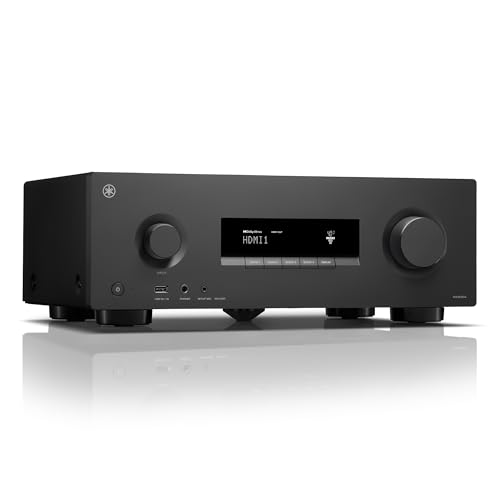
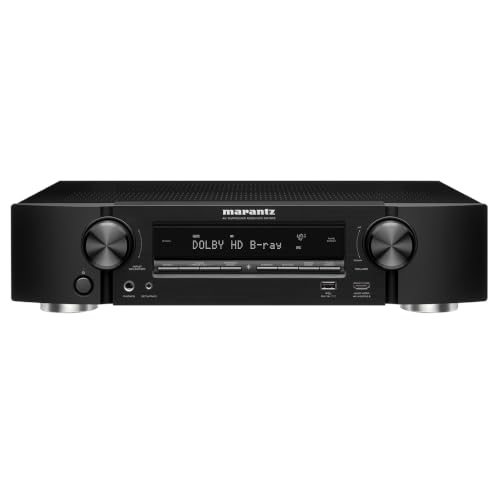
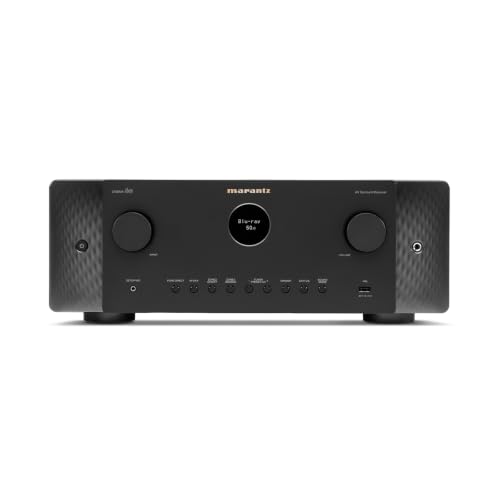
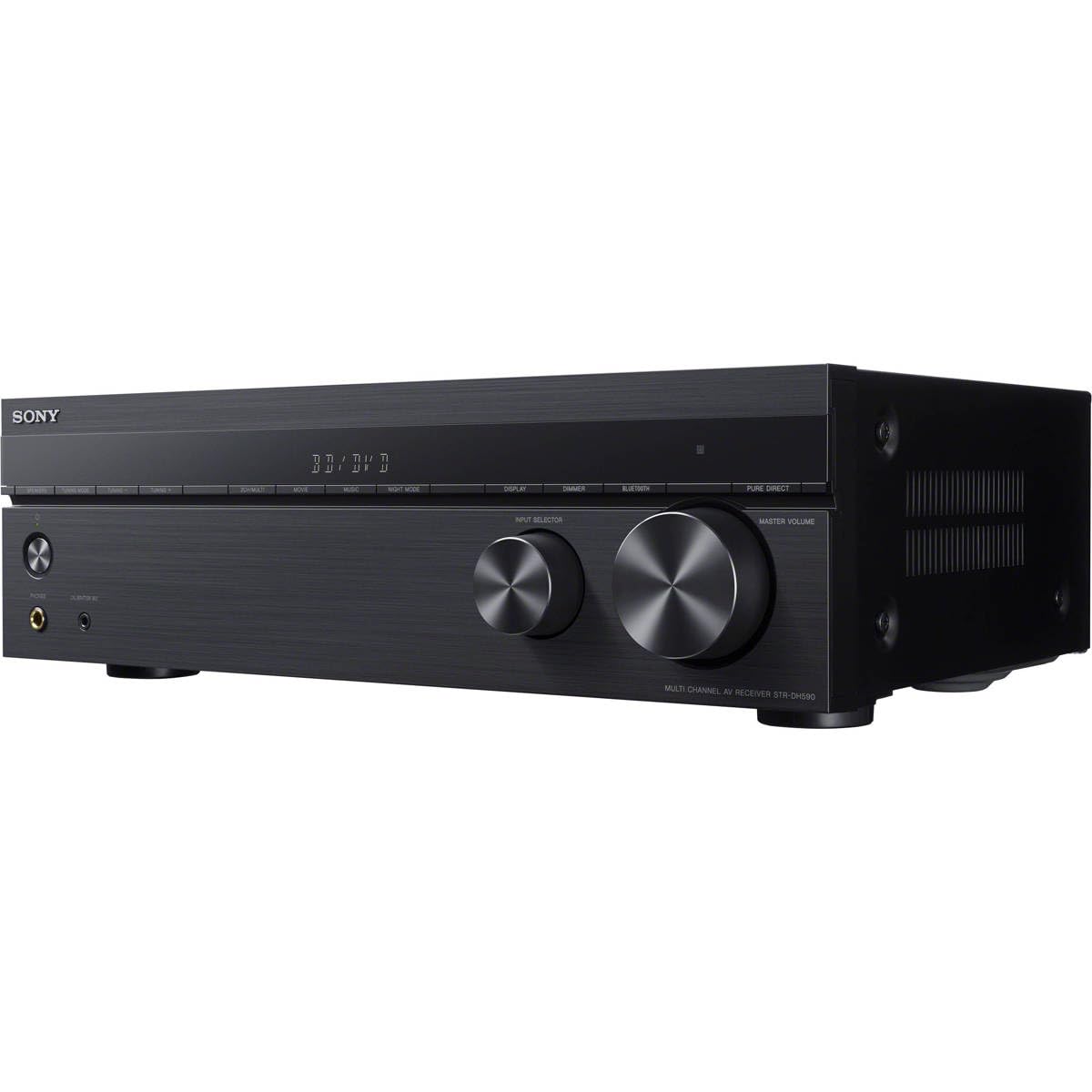


What to Look For at Each Budget
Instead of chasing a single winner, match the receiver tier to the system you actually own. The three profiles below describe what a strong choice at each budget should deliver, so you can judge any model in the product table above against a clear standard.
Budget Profile
A good budget choice, usually around $300 to $500, covers a 5.1 or 5.2 channel setup with at least four HDMI inputs and basic room calibration. It should support 4K video pass through at 60 Hz and include a proper subwoofer output with adjustable crossover. What you give up is processing for height channels and the more refined correction software found higher up. For a living room system built around bookshelf speakers and one subwoofer, that trade is often perfectly fine.
Midrange Profile
The midrange, around $600 to $1,000, is where most Klipsch owners should shop. Expect seven or nine powered channels, support for Dolby Atmos and DTS:X, and a stronger version of the brand room correction with better subwoofer handling. You also tend to get zone two outputs, more HDMI inputs, and sturdier binding posts. The limitation is usually amplifier headroom at very high volumes in large rooms, plus fewer streaming extras than flagship models offer.
Premium Profile
Premium receivers, around $1,200 and up, add eleven or more channels of processing, superior room correction that can manage multiple subwoofers independently, and heavier power supplies. They suit dedicated theater rooms with tower speakers and dual subs. If you are still comparing speaker options, our guide to the best klipsch speakers shows how the ranges differ. The honest limitation is value: in a small room with a 5.1 layout, a premium unit sounds barely different from a good midrange one.
What Your Money Gets You at Each Price Tier
Price tiers in this category are really about channels, correction software, and build quality, in that order. Here is how the steps break down in practice.
Budget Tier: What to Expect
Budget receivers focus on the essentials: five powered channels, one subwoofer output, standard surround decoding, and a simple microphone based setup routine. Streaming is usually limited to Bluetooth and basic network audio. Build quality is lighter, with spring clip terminals on some surround channels. If your plan is a compact system for movies and TV in a small to medium room, this tier does the job and leaves money for a better center channel speaker, which does more for dialogue clarity than extra receiver features.
Midrange Tier: The Sweet Spot for Most Buyers
Midrange models add height channel support for Atmos, which Klipsch upfiring or ceiling speakers can exploit, along with noticeably better calibration that measures from several seating positions. You also gain preamp outputs on some models, letting you add an external amplifier later for the front channels. HDMI boards handle 4K at 120 Hz for current game consoles. For most households running 5.1.2 or 7.1 layouts, this tier delivers nearly all the audible benefit available at any price.
Premium Tier: When Spending More Pays Off
Spending more pays off when your room or speaker count demands it. Advanced correction suites can tame difficult acoustics and integrate two to four subwoofers so bass sounds even across seats. Premium units also offer more HDMI 2.1 inputs, stronger video processing, and metal chassis construction that runs cooler under sustained load. If you plan a 7.2.4 theater or want a single box to anchor a whole home system, the upgrade is rational. Otherwise it is mostly unused capacity.
Features Worth Paying For (and Ones to Skip)
Placement and Room Size
Your receiver choice should follow speaker placement. Bookshelf speakers in a small room need only five channels and modest power, while a large open plan space benefits from nine channels and stronger correction. If bookshelf models are your front pair, see our guide to the best klipsch bookshelf speakers for size and sensitivity notes. Practical point: leave at least two inches of open space above the receiver in your cabinet, because AVRs vent heat through the top panel and cramped placement shortens their life.
Ventilation, Dust and Surge Protection
AV receivers belong indoors in dry conditions. What protects them is ventilation, dust control, and surge protection. Blow dust from the vents a few times a year and plug the unit into a quality surge protector. If you want music on a patio, run speaker wire from the zone two output to outdoor rated speakers and keep the receiver inside where it stays dry and cool.
Features That Matter for Klipsch Speakers
Klipsch horn tweeters are revealing, so a receiver with clean, low distortion amplification matters more than a huge wattage figure. Look for honest power ratings quoted with all channels driven or at least two channels at 0.08 percent distortion or lower. Bass management with crossovers adjustable in small steps, commonly 40 to 200 Hz, helps blend the subwoofer with efficient mains. Good room correction that can gently tame the horn forwardness in reflective rooms is the single feature most worth paying for with this speaker brand.
Sound Quality and Tuning
Every modern receiver offers tone controls and preset EQ curves, but the useful tuning tools are the calibration software and the manual EQ it leaves accessible afterward. A flat, neutral starting point works best for music, while a slight bass lift suits movies at low volume. Klipsch speakers have strong dynamics and lively treble, so avoid stacking a bright EQ preset on top of their natural character. If your speakers are older models, our guide to the best vintage klipsch speakers covers the traits that affect pairing, including impedance swings.
Long Term Costs to Factor In
The receiver price is only part of ownership. Budget for speaker wire, HDMI cables rated for your video sources, and a surge protector, which together often add about $50 to $150. A second subwoofer, the upgrade owners most often add later, costs far more than the receiver step up would have. Receivers draw modest standby power, and most carry one to three year warranties, with premium lines sometimes longer. Buying a midrange model with preamp outputs is a quiet cost saver, since it lets you add an amplifier later instead of replacing the whole unit.
Avrs: Your Questions Answered
What features matter most in avrs for klipsch speakers?
Channel count for your layout, quality room correction, and flexible bass management matter most. Because Klipsch speakers are highly efficient, a receiver rated around 80 to 100 watts per channel is plenty for most rooms. Also confirm the unit offers enough HDMI inputs for your sources and a phono input only if you actually own a turntable, since paying for unused inputs adds cost without benefit.
Do I need a special codec?
You need decoding support, not a special codec purchase. Any current receiver decodes Dolby Atmos, Dolby TrueHD, DTS:X, and standard streaming formats like AAC and FLAC over the network. Check that the model passes Dolby Vision and HDR10+ if your TV supports them. Gamers should confirm HDMI 2.1 with 4K at 120 Hz support, which is a hardware matter rather than a codec one.
Wired or wireless: which sounds better?
Wired connections sound better and stay more reliable for the main speakers, because speaker wire carries full power with no compression or dropouts. Wireless links are fine for rear surrounds or a subwoofer where running cable is impractical, and modern systems keep delay low enough for movies. If you are comparing terminology while you shop, our guide to the best receiver for klipsch speakers explains how receivers and AVRs overlap. Use wired for the front three channels whenever you can.
How many channels do I need for Klipsch speakers?
Match the channel count to your layout. A 5.1 system needs five powered channels plus a subwoofer output, 7.1 adds two rear surrounds, and Atmos layouts add height channels such as 5.1.2 or 7.1.4. Efficient Klipsch speakers make a seven channel receiver a flexible choice for most living rooms.
Will an AV receiver drive Klipsch speakers without a separate amplifier?
Yes in most rooms. Klipsch models are efficient, so a midrange receiver rated at around 80 to 100 watts per channel plays loud and clean. Add an external amplifier only for very large rooms or demanding power hungry towers.
Do I need 8K support on my receiver?
Not for most homes. Look for HDMI 2.1 inputs, eARC and 4K at 120 Hz if you game or plan to upgrade your TV. Buying 8K features you will not use adds cost without helping your Klipsch speakers sound better.
Wrapping Up
Decide your channel count first, then buy the best room correction your budget allows, then check HDMI capacity for your sources. Tower based theaters can use premium power and correction, and our guide to the best klipsch tower speakers helps size that system. For most rooms, the best avr for klipsch speakers is a midrange model matched to the speakers you own today. Compare the candidates in the product table above against those three criteria before you buy.