
Best AV Speakers: A Buying Guide for 2026
Disclosure: We may earn a commission when you buy through links on this page, at no extra cost to you. As an Amazon Associate I earn from qualifying purchases. Learn more
A buying guide to the best av speakers, covering drivers, placement, powered options, and room size, so you can choose speakers that fit your home.
Speakers decide more of your home theater sound than any other single purchase, yet they are the easiest part to buy for the wrong room. Too large and dialogue gets muddy up close, too small and action scenes feel thin from the back row. This guide walks you through choosing the best av speakers for your space, your receiver, and the way your family actually watches and listens.
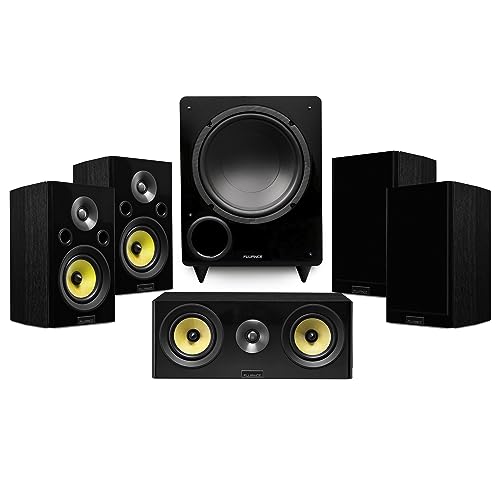
Think in systems, not in single boxes. Your front pair, center channel, surrounds, and subwoofer have to share a similar tonal character, or voices will change as they move across the screen. Budget and placement rules below will help you keep that balance as you read through the product table above.




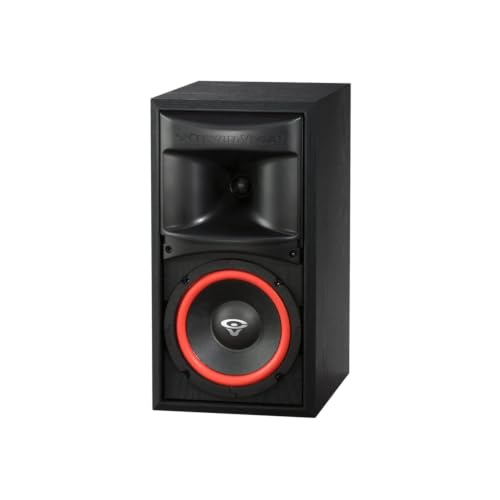
What Each Price Tier Usually Delivers
Use these tier descriptions to read the product table above with clear expectations. Price alone does not guarantee a match for your room, but each tier does tend to bring a consistent set of strengths and limits.
The All Round Tier
The overall tier balances output, clarity, and build quality for a typical living room system. Expect larger woofers that can play down to about 50 to 60 Hz before the subwoofer takes over, a dedicated center design with good off axis response, and cabinets that stay quiet at movie volume. This tier suits a main room of about 200 to 350 square feet where you want one system to handle films, sports, and music without strain. It is the safest starting point if this will be your only major speaker purchase for several years.
The Value Tier
The value tier focuses on the front three channels and sensible cabinet sizes. You may give up deep bass extension, fancy finishes, and very high output, but you keep clear dialogue and honest midrange, which matter most for daily viewing. Compact bookshelf fronts with a matched center work well here, especially when paired with one capable subwoofer. For apartments and smaller rooms, this tier often sounds better in practice than a larger set pushed against walls and corners, because placement stays manageable.
The Upgrade Tier
The upgrade tier adds output headroom, lower bass extension, and more refined tweeters for larger rooms and louder listening. Tower fronts become practical, surround channels can be full range rather than tiny satellites, and two subwoofers become a realistic option for even bass across several seats. Choose this tier only if your room can support it with space behind and beside each speaker. In a small room the same money spent on a better center and better placement will usually give you more audible gain.
How to Choose the Best AV Speakers for Your Room
Sound Quality and Tuning
Start with the midrange, where voices and most instruments live. A speaker that gets voices right, with clear consonants and natural weight, will satisfy you longer than one that impresses with booming bass in a short demo. Driver size matters by role: about 5 to 6.5 inch woofers suit most bookshelf and center models, while towers may use multiple larger drivers for output. Check the frequency response range as a guide to crossover planning, not as a promise, and favor a neutral tuning if you watch a lot of dialogue heavy content, since boosted treble and bass can fatigue you over a full film.
Connectivity and Receiver Matching
Passive speakers connect with speaker wire and depend on your receiver for power, so confirm impedance and sensitivity before you buy. Most home speakers are rated at 6 or 8 ohms and work with mainstream receivers, while higher sensitivity, roughly 88 dB and above, means easier volume in larger rooms. Keep wire runs tidy, use the same length for left and right fronts when practical, and leave enough slack to pull a speaker forward for cleaning. If you are also shopping for amplification, our guide to the best speakers for av receiver walks through matching in more depth.
Ecosystem and Control Features
For passive speakers the ecosystem is your receiver, its room correction system, and its app for levels and crossovers. That software matters because it sets distance, trims channel levels, and blends the subwoofer, all of which change sound more than small cabinet differences. For powered and wireless models, check the app for equalizer control, firmware updates, and input switching, and confirm it works on your phone platform. A stable app you understand will get used, while a confusing one leads to settings that stay wrong for months.
Power Handling and Room Output
Power handling tells you what a speaker can tolerate, not how loud it will play in your room. Sensitivity and distance decide that. Each time you double distance from the speaker, output drops in a way you can clearly hear, so back row seats in a long room need either more sensitive speakers or a layout that moves seating closer. Plan your loudest realistic scene, not an extreme test tone, and leave headroom so peaks stay clean. Clean moderate volume beats strained loud volume every time for home viewing.
Placement, Fit, and Cabinet Size
Measure before you fall for a cabinet. Front speakers should sit with tweeters near ear height when seated, centers should sit just below or above the screen and angled toward listeners, and surrounds belong slightly above ear level to the sides or behind. Leave space for ports that fire to the rear, often about 8 to 12 inches or more, or choose sealed or front ported designs for shelves and media cabinets. Weight matters for wall mounting, so confirm stud location and bracket ratings rather than trusting drywall anchors for heavy models.
Voice Clarity and Room Reflections
Hard floors, bare walls, and large windows reflect sound and blur dialogue, no matter how good the speaker is. A rug, curtains, and soft seating do real acoustic work in a living room system. Keep the center channel clear of cabinet edges that can diffract sound, avoid placing speakers deep inside enclosed shelves, and aim the front pair so their direct sound reaches the main seats before strong reflections do. If clarity is still poor, adjust center level and crossover in the receiver before you consider replacing speakers that may be fine.
Readers comparing standalone music options will find our guide to the best sounding speakers helpful for understanding tuning differences, while those building around a specific brand can check our guide to the best av receiver for klipsch speakers for pairing notes.
Types of Speakers for Home Theater
Home and Bookshelf Models
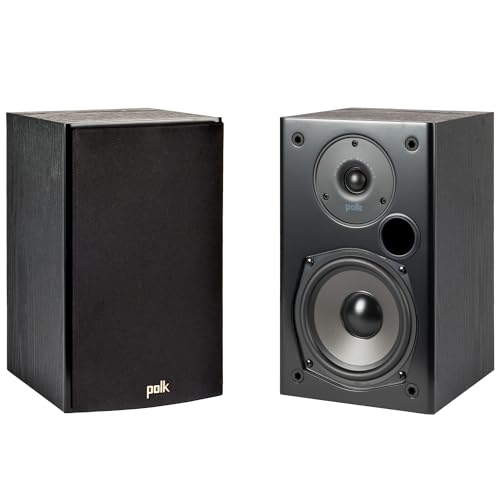
Bookshelf speakers are the flexible default for most rooms. They fit on stands or sturdy furniture, they are easier to position at the correct height, and they pair naturally with a subwoofer for full range sound. Their limit is output and bass depth when used alone in a large room. For small and medium rooms, a strong bookshelf front pair is rarely a compromise in real listening.
Floor Standing Models
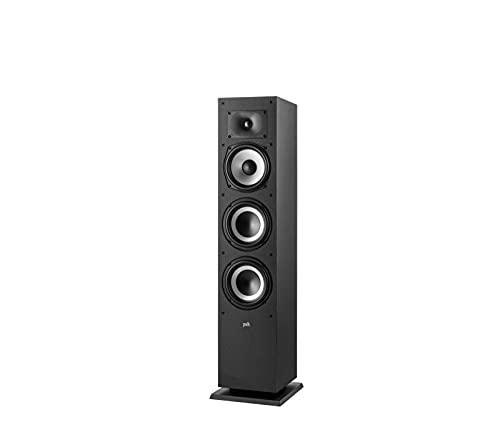
Tower speakers add bass extension and output and they place tweeters at ear height without stands. They suit larger rooms and music listeners who want a fuller sound for stereo. They cost more, they dominate visual space, and they still benefit from a subwoofer for film effects below about 40 Hz. Buy towers for room size and output needs, not as a status step.
Compact and Satellite Models
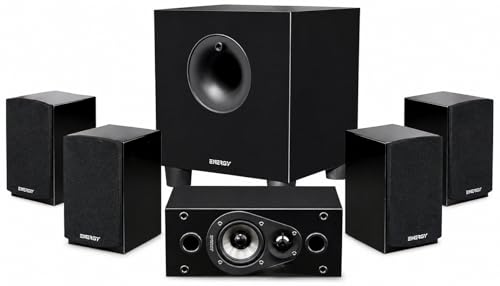
Small satellite systems suit bedrooms, apartments with strict space limits, and secondary rooms. They depend heavily on the subwoofer, so crossover settings and sub placement become critical, and dialogue can suffer if the satellites are too small for the seating distance. Keep expectations aligned with the room. In the right small space they can sound balanced and tidy, especially for sports and streaming shows.
Soundbar Alternatives
A soundbar is not a speaker set, but many buyers cross shop them. Soundbars win on simplicity and space, while separate speakers win on stereo width, center clarity, upgrade paths, and repair options. If you value dialogue and plan to keep the system for years, separate front speakers with a true center channel usually justify the extra setup effort within the first week of viewing.
Speakers for Specific Needs
Best Powered Av Speakers
If you are considering best powered av speakers as a simpler path, focus on three differences. First, powered models carry their own amplifiers, so you need power outlets at each speaker location and you do not need a receiver for basic stereo use. Second, check input options for your TV, usually HDMI ARC or optical, plus an analog input if you own a turntable with a preamp. Third, confirm how the pair handles a subwoofer output and remote volume control from the TV. Powered models suit desks and small media setups where simplicity beats expandability.
Setup and Care Tips
- Run receiver calibration after final placement, not before, and measure from your real seats with the microphone at ear height and away from seat backs.
- Set speakers to small in the receiver menu when you use a subwoofer, with crossovers near 80 Hz as a starting point, then adjust by ear for a smooth blend.
- Keep firmware updated on receivers and powered speakers, since updates often improve HDMI behavior and app stability.
- Dust drivers and grilles gently with a soft brush, and never push in a dust cap or touch a tweeter dome to clean it.
- Avoid maximum volume for long sessions, and lower the level at the first sign of distortion to protect tweeters.
- Check wire connections twice a year, trimming oxidized bare ends and confirming polarity matches at both ends of each run.
FAQs
How many speakers do I need to start a home theater?
Start with three front speakers and a subwoofer if your budget is tight, because that setup anchors dialogue and screen action. A stereo pair alone can work for music first rooms, but a dedicated center makes voices far easier to follow at modest volume. Add surrounds later with models from the same family to keep tone consistent. This staged path also spreads cost and lets you learn your room before committing to a full layout.
Do I need a subwoofer with tower speakers?
Yes, for films you almost always benefit, even with capable towers. Movie effects contain deep bass that most towers cannot reproduce at full level across a room, and offloading that work frees the front speakers to play cleaner in the midrange. Set the crossover so the subwoofer handles the lowest range, place it away from corners if bass booms, and judge the result with dialogue scenes as well as action, since balance matters more than impact alone.
What speaker size suits a small living room?
Compact bookshelf models with about 5 inch woofers usually suit small living rooms best. They are easier to keep away from walls, they reach satisfying volume at short seating distances, and they leave budget for a good center and subwoofer. Very small satellites can work for near seating, but they raise the crossover and make placement of the subwoofer more critical. Measure your furniture and seating distance first, then choose the largest model that still places correctly.
How long do home theater speakers last?
Passive speakers often last well over a decade because they contain no batteries or complex electronics. Foam surrounds on very old models can age, and powered models depend on amplifier and app support, so their practical life can be shorter. Keep speakers out of direct sun and damp areas, avoid sustained distortion, and they should serve through several receiver and TV upgrades. That longevity is a strong reason to prioritize the front three channels.
Wired or wireless speakers: which sounds better?
Wired speakers offer the most stable and flexible path for the main channels, with no latency worries for games and no dependence on wireless signal strength. Wireless models add placement freedom and suit rear channels or secondary rooms where running wire is impractical. For the front stage that carries dialogue, wired remains the safer recommendation. If you go wireless for surrounds, test lip sync with dialogue heavy content during your return window.
Wrapping Up
Prioritize a matched front stage, correct placement, and a subwoofer blend you have taken time to set well. Those choices shape daily viewing far more than a small step between similar models. Use the comparison table above to shortlist by size and tier, then choose the best av speakers set that fits your room dimensions, your seating distance, and your plan for growing the system over time.


