Best Available Android Phones Made Simple: A Clear Buying Guide for 2026
Disclosure: We may earn a commission when you buy through links on this page, at no extra cost to you. As an Amazon Associate I earn from qualifying purchases. Learn more

Shopping for the best available android phones for the first time? Learn the key terms, compare the specs that matter, and avoid common rookie mistakes.
Buying your first Android phone can feel confusing, because every listing throws numbers and buzzwords at you all at once. This guide slows things down and explains each term in plain English, so you can compare best available android phones with confidence instead of guessing. You do not need technical knowledge to follow along, only a rough idea of how you plan to use the phone.
We start with the basics, then walk through the specs that actually change daily use, from screens and cameras to storage and software updates. You will also see how the comparison table below is organized, so each row matches the needs we describe. By the end, you will know which features deserve your money and which ones you can safely ignore.

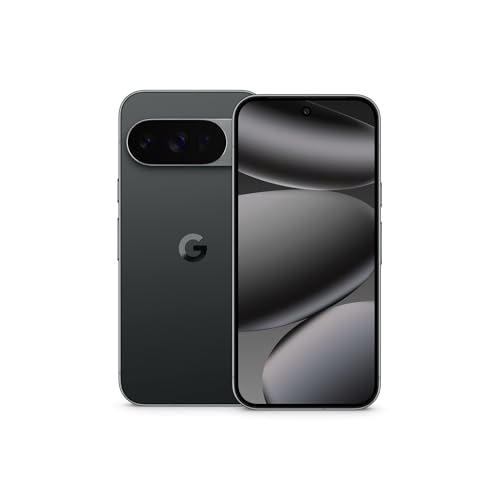

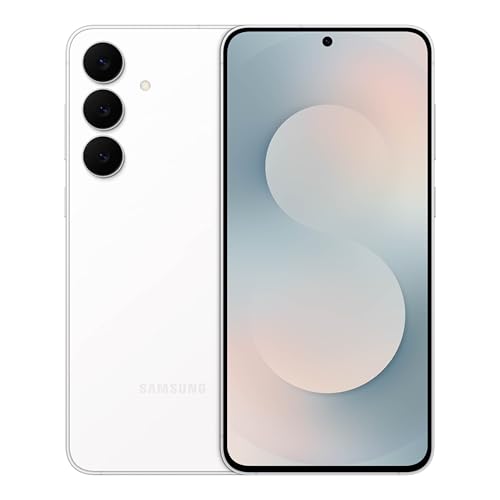
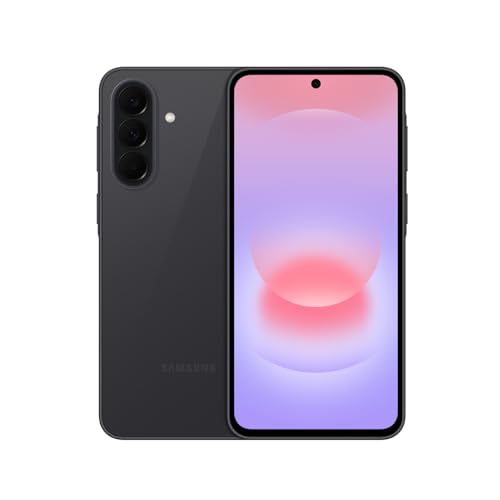


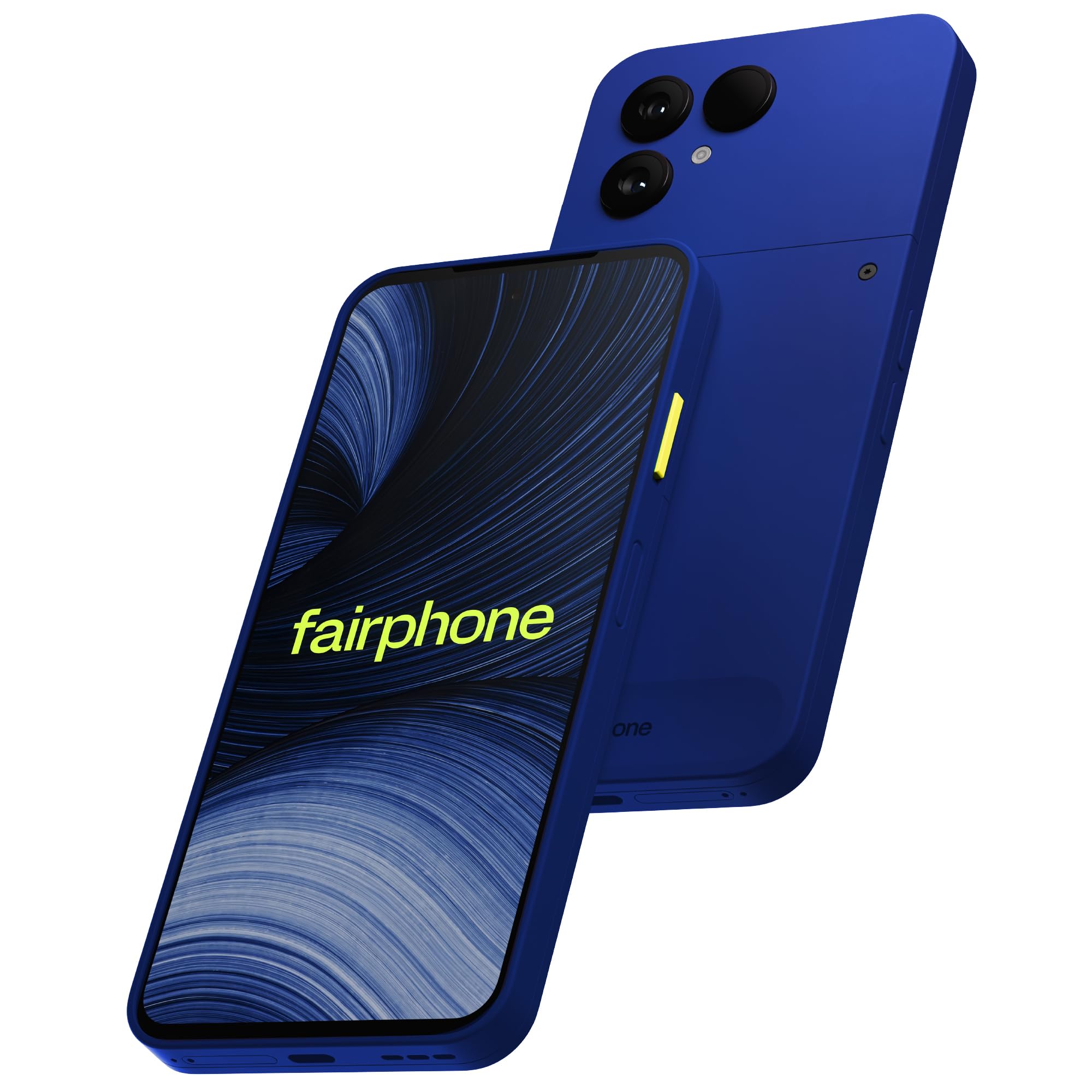
Available Android Phones 101: The Basics
An Android phone is simply a smartphone that runs the Android operating system from Google. Many brands build Android phones, so you get far more choice in size, price, and style than with a single maker lineup. Most models sold in the United States today support 5G networks, carry batteries rated around 4000 to 5000 mAh, and use USB C charging. If you want a snapshot of what stores are stocking right now, see our guide to the best android phones available now for a sense of current pricing and styles.
The word available matters more than it sounds. It means the phone is sold new through normal retail channels, works on United States carriers, and still receives support from its maker. Older models sometimes linger in listings at tempting prices, yet they may have stopped getting security updates or may lack the network bands your carrier uses. A slightly newer model with a longer support window usually serves a first time buyer better than a discounted phone that is already near the end of its supported life.
One more term you will see everywhere is IP68, a rating that means the phone resists dust and can survive brief immersion in water. It is a nice safety net against rain and spills, but it never makes a phone waterproof in every situation, and water damage is rarely covered by warranty. Treat the rating as accident insurance, not as permission to take the phone swimming.
Key Specs Explained in Plain English
Specification sheets look intimidating, but only a handful of items change how a phone feels day to day. The sections below translate each one into everyday language and give you a sensible target to aim for. The processor deserves a quick mention first, because it affects speed in apps, games, and photo processing. Shoppers who care most about raw speed can see our guide to the best performing android phones to learn how fast chips are described, while most people will be happy with any recent mid range processor.
Display Size and Quality
The display is the part you look at all day, so it deserves real attention. Most Android phones now measure about 6.1 to 6.7 inches diagonally, and larger screens help with video and reading but make one handed use harder. Look for an OLED panel, which shows deeper blacks and richer color than older LCD screens, plus a refresh rate of 120Hz if you can get it. A higher refresh rate makes scrolling and animations look smoother. Brightness matters outdoors, so a screen rated for strong peak brightness stays readable in sunlight instead of washing out.
Carrier Compatibility and 5G
A phone only works well if it matches your carrier network. Buying an unlocked phone gives you freedom, because it is not tied to one carrier and you can switch plans or carriers later without replacing the handset. Before ordering, confirm the model supports the 5G bands your carrier uses in the United States, since some imported versions miss key bands and fall back to slower service. If you travel, an unlocked model also lets you add a local plan or an eSIM abroad. Checking the model number against your carrier list takes five minutes and prevents the most frustrating return of all.
Software Updates and Support Window
Every Android phone receives two kinds of updates. Operating system updates bring new features and a fresh look, while security updates patch flaws that criminals could exploit. Makers promise a set number of years for each, and that support window varies widely, from about two years on the cheapest models to seven years on flagships. For a first purchase, aim for at least four years of security updates so the phone stays safe for banking and shopping apps. A longer window also raises resale value and delays the day you must shop again.
Camera System
Camera listings love big megapixel numbers, but sensor quality and software processing matter more than the count. Most phones carry a main camera for everyday shots, an ultrawide camera for landscapes and group photos, and sometimes a telephoto camera that zooms without losing detail. If you take photos at restaurants, concerts, or evening walks, ask how the phone handles low light, since night modes differ a lot between models. Video fans should check whether recording stays smooth and whether the front camera suits video calls. Camera focused phones spend more of their budget here and less on extras like wireless charging.
Storage Options
Storage holds your photos, videos, apps, and downloaded music, and it fills faster than most people expect. A 128GB phone suits light users who stream almost everything, while 256GB gives comfortable room for years of photos and offline video. Very few new Android phones still accept a microSD card, so assume the storage you buy is the storage you keep. Check your current phone settings to see how much you already use, then buy a step above that number. Cloud backups help, but they do not replace local space for apps and large game files.
Android Phones for Specific Needs
Once the basics make sense, match the phone to your habits instead of chasing the longest spec sheet. Heavy camera users should weight the camera section above, commuters should weight battery size and screen brightness, and anyone keeping a phone for many years should weight the update window most. Budget phones have improved so much that many buyers never need a flagship at all, as long as the support window and storage are right.
Best Available Android Phones under 500
Shopping best available android phones under 500 means spending under $500 while keeping the features that matter most. In this range, expect a bright OLED screen, a capable main camera, and a battery that lasts a full day, with savings coming from simpler zoom cameras, plastic or basic frames, and shorter update promises. Check the support window carefully here, because two otherwise similar models can differ by three years of security updates. If your ceiling is lower still, see our guide to the best inexpensive android phones for what changes at the lowest prices and which corners are safe to cut.
Rookie Mistakes to Avoid
- Buying a phone without checking carrier bands, so it arrives and delivers weak signal or no 5G service at home.
- Choosing the smallest storage to save money, then spending years deleting photos because the phone stays full.
- Judging cameras by megapixels alone, so you end up with big numbers but dull photos in low light.
- Ignoring the update window, so a cheap phone stops receiving security patches long before the hardware wears out.
- Skipping a case and screen protector, so one short drop onto concrete turns into a screen repair that costs more than the savings.
Getting Started: Setup and First Use
When the box arrives, charge the phone first, then power it on and follow the setup prompts with your WiFi network handy. Signing in with your Google account restores contacts and photos if you are moving from an older Android phone, and the transfer tool can copy data by cable from most devices. Set a screen lock with your fingerprint or face plus a PIN backup, since that lock protects everything else on the phone. Before you explore, run any pending software update so you start on the newest and safest version.
Fit a case and a screen protector on day one, before the phone ever rides in a pocket with keys. Then spend a few minutes on the home screen, because small touches make the phone feel like yours. Widgets show live information such as weather, calendar events, and music controls without opening apps, and you can see our guide to the best widgets for android phones for ideas worth trying first. A fresh background image helps too, and our guide to the best wallpapers for android phones explains how to pick images that stay readable behind your app icons.
Finish by turning on automatic backups and locating the find my device setting, which helps you ring, lock, or erase a lost phone from any browser. Review which apps may send notifications so the phone stays calm during the first week. Keep the box and receipt until you are sure the phone works well on your carrier, since returns are far easier with the original packaging.
FAQs
Is a mid range Android phone good enough for everyday use?
Yes, a mid range Android phone handles calls, messaging, maps, streaming, and social apps smoothly for most people. The differences versus flagships show up in zoom photos, very demanding games, and premium materials rather than daily tasks. One point many buyers miss is charging speed, since mid range models often charge faster than expensive ones. If your routine is typical, put the savings toward more storage or a longer lasting plan instead.
How much storage does an Android phone need?
Most Android phone buyers should start at 256GB if the price gap is small, because photos and videos grow every year. A quick check helps: open the storage screen on your current phone and double whatever you already use, since your next phone will likely serve three to five years. People who record lots of 4K video or download games should treat 256GB as a minimum rather than an upgrade.
How many years of software updates should an Android phone get?
An Android phone should get at least four years of security updates, and more is better if you keep phones a long time. Security updates matter more than feature updates, because they close holes that affect banking and email safety. One useful habit is checking the update policy on the maker product page before buying, since promises differ even between models from the same brand and the same year.
Should I buy an unlocked Android phone?
Yes, buying an unlocked Android phone is the safer default for most shoppers, because it works across carriers and avoids carrier payment lock in. Unlocked models also tend to receive updates on the maker schedule rather than waiting for carrier approval. The one catch is financing, since carriers sometimes offer monthly deals that unlocked listings cannot match, so compare the full cost over the contract before deciding.
Does an Android phone need 5G?
Yes, an Android phone bought today should include 5G, because carriers keep shifting capacity toward their 5G networks each year. You may not notice a speed jump at home if your current service already feels fast, but 5G support protects you as older network layers are retired. If you live in a rural area, check coverage maps for your exact address, since a strong signal of any kind beats a weak 5G signal.
Final Thoughts
For a first purchase, three things matter most: a screen you enjoy looking at, enough storage for several years, and an update window that keeps the phone secure. Carrier compatibility comes right behind them, because no feature helps if the signal is weak where you live. Use the product table above to compare models against those four points, and treat extras like advanced zoom cameras as bonuses rather than requirements. Chosen that way, the best available android phones stop being a confusing list and become a short set of options that fit your life and your budget.