
Best Av Receiver for Klipsch Reference Speakers of 2026: Complete Buying Guide
Disclosure: We may earn a commission when you buy through links on this page, at no extra cost to you. As an Amazon Associate I earn from qualifying purchases. Learn more

Use this buying guide for the best av receiver for klipsch reference speakers, with power, tuning, and room setup checks to help you choose well.
Klipsch Reference speakers are easy to drive but easy to make sound harsh if the receiver pushes them the wrong way. You need clean power at low volume, calm treble control, and room correction that respects how lively these speakers already are. This guide helps you find the best av receiver for klipsch reference speakers for your room by focusing on match quality instead of headline watt numbers.
Start with how you actually listen. Note your room size, your usual volume, and whether you watch mostly movies, mostly music, or a mix of both each week. Those three facts narrow the field faster than any feature list, and they keep you from paying for channels or inputs you will never use.

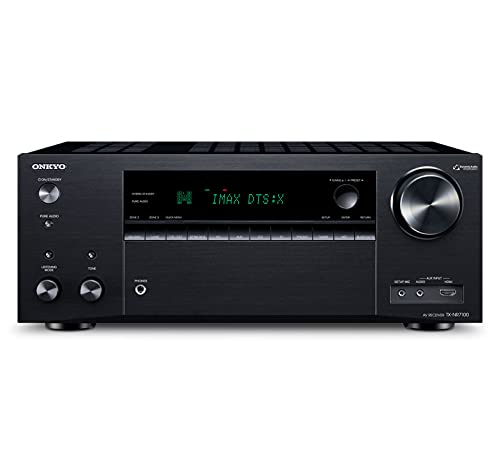


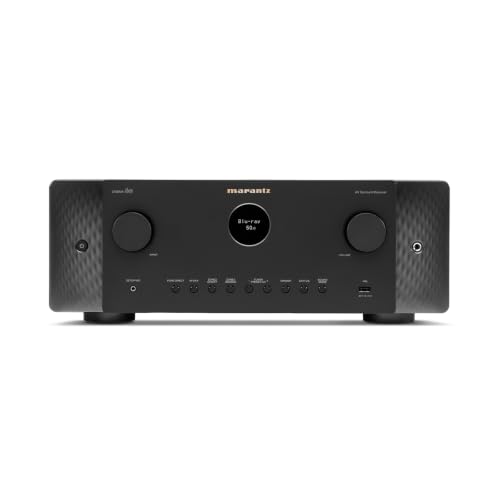
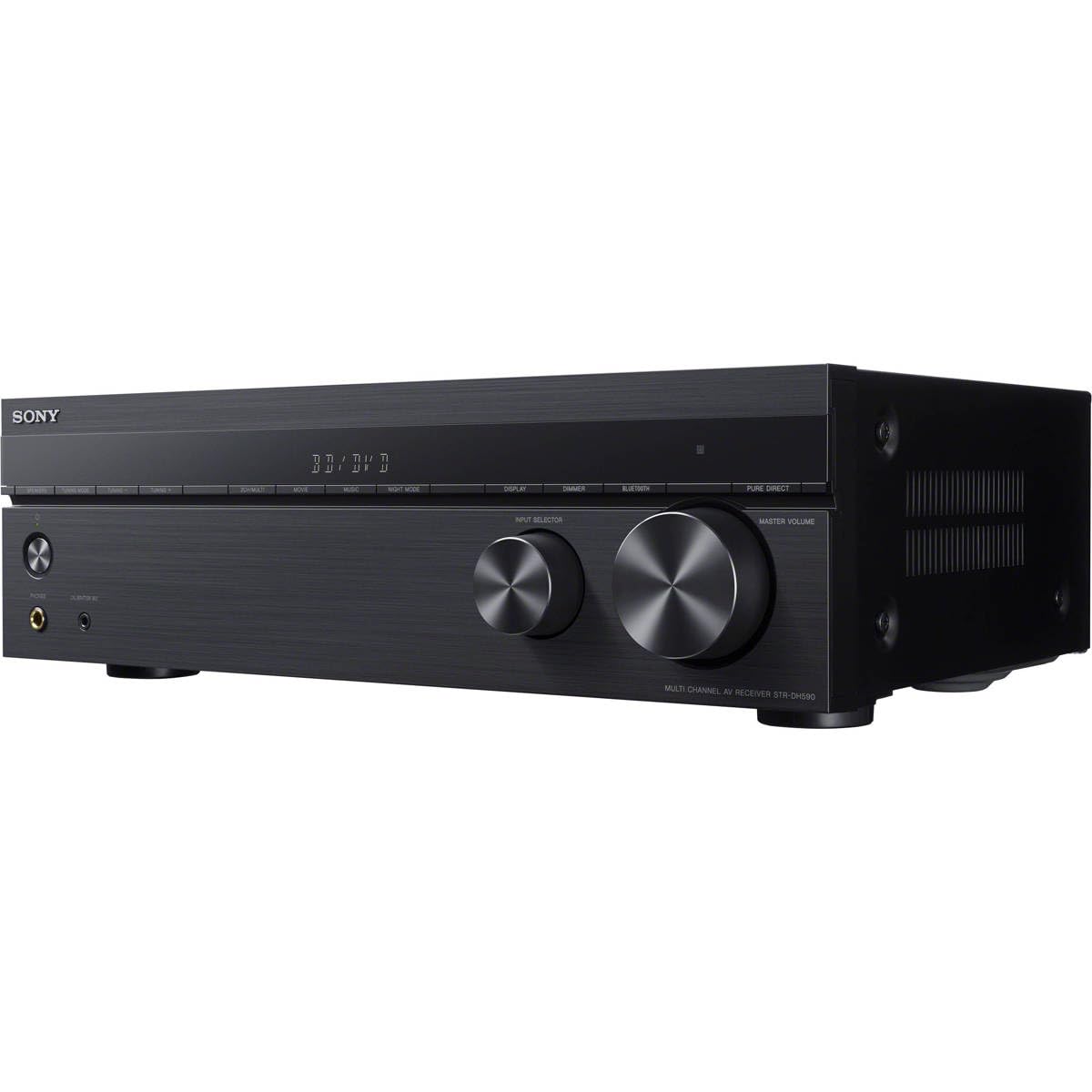

What Good Looks Like at Each Price Tier
The comparison table below groups receivers by tier rather than by brand promise. Use the tiers here to set expectations before you look at the product table above in detail. A strong match at a modest price will serve Reference speakers better than a costly unit bought only for extra channels.
The All Round Tier
The overall tier to aim for pairs moderate rated power with strong room correction and a full set of pre outs for at least the front channels. For Reference towers and larger bookshelf models, look for honest power ratings measured with all channels driven, not a single channel figure. You also want adjustable treble tone control and a cinema equalizer option that can soften dialogue sibilance without dulling the whole soundtrack. This tier suits mixed movie and music rooms of about 200 to 350 square feet where you listen at moderate to loud levels and want headroom for action scenes.
The Value Tier
The value tier keeps the essentials and trims the extras. Expect five or seven channels, one room correction system with a supplied microphone, and streaming built in for music apps. What you give up is usually extra HDMI inputs, second zone flexibility, and pre outs for external amps. For smaller rooms and for listeners who sit fairly close to their speakers, that trade is often smart because Klipsch Reference models need fewer watts to reach satisfying volume. Put the savings toward a better center speaker or proper speaker stands, both of which improve clarity more than a small step up in receiver price.
The Premium Tier
The premium tier adds stronger power supplies, more advanced room correction with multiple measurement positions, and support for larger layouts such as nine or eleven channels. It also tends to offer better digital to analog conversion for music and more flexible bass management for two subwoofers. Choose this tier if your room is large, if you plan to add height speakers later, or if you listen to a lot of two channel music and want a dedicated stereo mode that bypasses extra processing. Even here, tonal balance matters more than raw power because Reference speakers will reveal a bright receiver quickly.
How to Choose the Best AV Receiver for Klipsch Reference Speakers
A good buying process for these speakers starts with sensitivity. Most Reference models are rated well above 90 dB, which means they produce a lot of sound from very little power. That strength is also the risk, since distortion and harsh treble become obvious at lower watt levels than with less sensitive speakers.
Features That Matter for Klipsch Reference Speakers
Prioritize clean power, flexible bass management, and room correction you can limit by frequency. A receiver that lets you correct only below about 300 to 500 Hz can tame room boom while leaving the natural Klipsch treble character intact. Check the crossover options for your center and surrounds, look for a small speaker setting with adjustable points from about 60 to 100 Hz, and confirm the unit remembers separate settings for movie and music inputs if you use both often.
Sound Quality and Tuning
Reference speakers use horn loaded tweeters that project detail and dynamics with very little effort. Pair them with a receiver known for a warm or neutral presentation rather than a sharp one. In store or at home, listen to familiar dialogue at low volume first. Voices should sound full and relaxed, not thin or spitty on s sounds. Then raise the volume gradually and listen for the moment cymbals or strings turn edgy. A well matched receiver stays composed well past your normal listening level, and its tone controls can trim treble by a small amount without making music feel muffled.
Placement and Room Size for Speakers
Room size changes what you need from the receiver more than speaker size alone does. In a small room, sit closer and you will need less power but more control over reflections, so look for strong room correction and a night mode that keeps dialogue clear at low volume. In a large or open plan room, distance eats output quickly, so headroom and a second subwoofer output become more valuable. Keep front speakers at least a foot from the wall behind them when you can, toe them in slightly toward the main seat, and let the receiver calibration measure from your real seating positions.
Dialogue Clarity and Center Channel Control
Most movie frustration with Reference systems comes from the center channel, not the front pair. Choose a receiver with independent center level adjustment, dialogue enhancement that raises vocal frequencies rather than overall volume, and a clear display of what sound mode is active. After calibration, many owners raise the center by about 1 to 3 dB for streaming content, which is mixed quieter than disc content. Knowing how to find that setting quickly is a practical skill worth learning on day one, and it prevents the common habit of riding the main volume up and down through a whole film.
Connectivity for TV, Streaming, and Games
Count your sources before you shop. List your TV, game console, disc player, streaming box, and any turntable or CD player, then add one spare HDMI input for the device you have not bought yet. Confirm support for eARC so TV apps can send full quality audio back to the receiver, and check that at least one HDMI input matches your console needs for 4K at high refresh rates if you game. For music, built in streaming, Bluetooth for casual listening, and a proper phono input only if you actually play vinyl will cover most homes without extra boxes and cables.
If you already own other Klipsch speakers and want to compare matching logic, see our guide to the best av receiver for klipsch speakers for the broader family view. Readers focused only on the Reference line will also find the narrower discussion in our guide to the best receiver for klipsch reference speakers useful when weighing channel count against budget.
Types of Receivers and Who Each Suits
Home and Bookshelf System Models
Compact five channel receivers suit apartments and smaller living rooms where Reference bookshelf speakers handle front duties. They save shelf space and money, and their simpler menus are easier to learn. The limit is future growth, since most cannot add height channels later. If your plan is a solid 5.1 system that stays that size, this type is often the most sensible buy.
Wired Focused Models
Some midrange and premium receivers emphasize wired performance with better power supplies, balanced style connections on higher tiers, and extensive analog inputs. They suit music lovers who keep a disc player, turntable, and streamer all connected at once. You pay more and get a larger chassis, so measure your cabinet depth and leave several inches behind the unit for cable bends and airflow before you commit.
Gaming Focused Models
Gaming focused receivers highlight low latency passthrough, variable refresh rate support, and multiple high bandwidth HDMI inputs. They matter if you play fast paced games on a current console or PC and own a TV that can display those signals. For movie only rooms, these features add cost without adding sound quality, so weigh them honestly against your actual weekly use rather than a possible future console.
Larger Room and Expandable Models
Expandable nine channel and processing ready models suit dedicated media rooms and owners who plan to grow from 5.1 to 7.1 or to a height layout over time. Their value is flexibility and stronger bass management for multiple subwoofers. The drawback is complexity, since more channels mean more speaker wire, more calibration care, and more chances to misassign a channel during setup. Grow into this type only when your room and seating plan are already settled.
When you compare speaker choices to pair with any of these types, our guide to the best speakers for av receiver explains sensitivity and impedance in plain terms that apply well beyond one brand.
How to Make Your Receiver Last Longer
- Keep firmware updated through the receiver menu or app, and check again after you add a new TV or console, since updates often fix handshake problems between devices.
- Leave clear airflow above and around the chassis, with at least a few inches open on top, because heat is the main cause of early shutdowns and shortened component life.
- Dust the vents and the speaker terminals every few months with a soft brush, and confirm banana plugs or bare wire ends are tight and free of stray strands that could short.
- Avoid running at maximum volume for long sessions, especially with bass heavy scenes, and lower the level if you hear distortion rather than pushing through it.
- Use a surge protector rated for home theater gear, and unplug during severe storms if your area sees frequent lightning.
- Rerun room calibration after you move furniture, add a rug, or change speakers, so the receiver is not correcting for a room that no longer exists.
FAQs
What features matter most in a receiver for Klipsch Reference speakers?
Clean power, limited frequency room correction, and flexible center channel control matter most. Because Reference speakers are highly sensitive, you gain more from low distortion and calm treble than from high watt claims. Also check for adjustable crossovers and a second subwoofer output if your room is large, since smooth bass integration protects dialogue clarity and keeps action scenes from sounding boomy or thin.
How much power do Klipsch Reference speakers really need?
Most Reference speakers reach comfortable movie volume with about 20 to 50 honest watts per channel in an average room. Extra power buys headroom for loud peaks and larger spaces, not louder everyday listening. Focus on power ratings measured across all channels at low distortion, and remember that doubling volume takes far more power than most buyers expect, so placement and seating distance matter just as much.
Wired or wireless connections: which sounds better for movies and music?
Wired speaker connections remain the reliable choice for the main channels because they carry full power without compression or delay. Wireless features on a receiver are best used for streaming music into the unit, for a subwoofer in a hard to wire spot, or for casual rear speaker solutions where the product supports them. For critical listening and for gaming, keep the signal path wired whenever you can to avoid latency and dropouts.
Can I use a receiver rated for 6 ohms or 8 ohms with these speakers?
Yes, most Reference speakers work well with receivers rated for 6 ohm or 8 ohm loads, but you should check the manual for the setting the maker recommends. Some speakers dip below their nominal rating at certain frequencies, so good ventilation and sensible volume habits matter. If a receiver runs very hot or shuts down during loud scenes, lower the volume and verify that no stray wire strands are touching at the terminals.
Do I need room correction if my room is already treated?
Yes, in most cases you will still benefit, because correction handles speaker distance, levels, and bass peaks that panels and rugs cannot fully fix. In a treated room you can often limit correction to the lower frequencies and leave the upper range natural, which suits the lively Reference tweeter well. Measure from your main seats, save the result, and compare it with correction off on familiar scenes before you decide which you prefer.
How do I stop Klipsch Reference speakers from sounding too bright?
Start with placement and settings before you buy anything new. Pull speakers slightly away from side walls, reduce toe in a little, add a rug between you and the speakers if the floor is bare, and use a small treble trim in the receiver menu. Then check that room correction is not boosting high frequencies to match a microphone position close to a wall. Small changes stack up, and most brightness complaints fade once bass is balanced.
Final Thoughts
Choose for tonal match, honest power, and room correction you can control, in that order. Set your channel count from your seating plan, leave airflow in your cabinet, and use the product table above to compare tiers once your needs are clear. For most homes, the best av receiver for klipsch reference speakers is the calm, well ventilated unit that makes dialogue effortless at the volume you actually use every night.


