Best Automotive Scan Tool for 2026: Which One Fits the Way You Use It?
Disclosure: We may earn a commission when you buy through links on this page, at no extra cost to you. As an Amazon Associate I earn from qualifying purchases. Learn more

Match the best automotive scan tool to how you work on cars, from quick code checks to full system scans, without paying for coverage you will never use.
There is no single winner for every driver, because the best automotive scan tool for a commuter who only wants to know why the check engine light came on is a poor match for a home mechanic chasing an airbag fault. Shoppers comparing the best automotive scan tools are really choosing how much of the car they want to see, and how often they plan to look. A tool that fits your actual use saves money twice, once at purchase and once in parts you never buy by mistake.
This guide sorts scan tools by use first: quick code checks, steady home repairs, older car upkeep, and shop level work. It explains what each class can read, where the hidden costs sit, and how to read a fault code without turning it into a parts order. The product table gives you picks to compare, and the sections below help you spot your fit.


Who Should Buy Which Scan Tool?
Start with the work you honestly do in a year, not the work you might do one day. Most buyers fit one of the four groups below, and each group points to a different class of tool.
Drivers Who Only Want the Light Explained
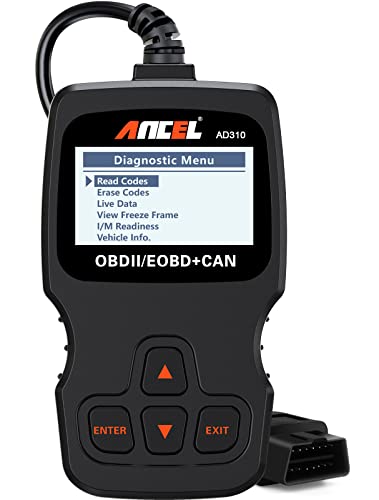
If your only goal is to learn why the dashboard light is on and whether the car can wait until the weekend, a basic code reader is the right class. These small tools plug into the port under the dash, show engine fault codes with a plain definition, and clear the light after a repair. They read engine codes only, and for about $20 to $50 that limit is fair. This is the group our guide to the best scan tool is written for: simple readers that answer one question fast and live in the glove box.
Home Mechanics Who Fix What They Find
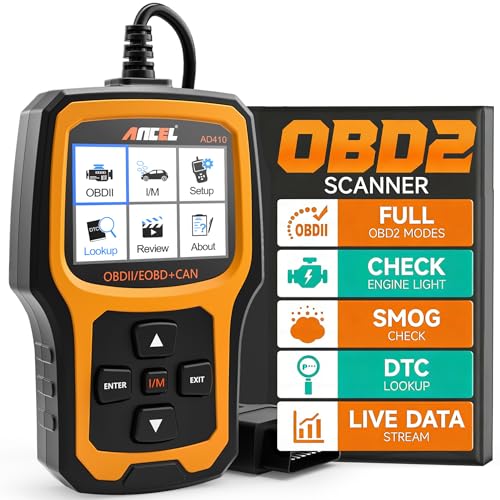
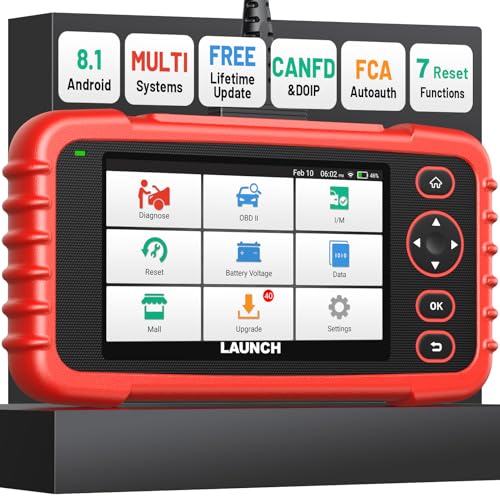
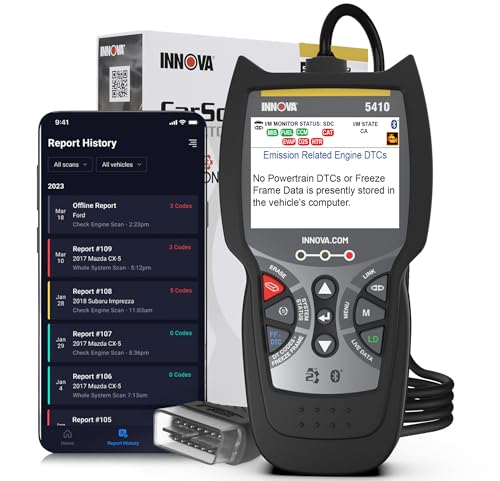
If you change your own brakes, chase sensor faults, and keep cars past their warranty, step up to a mid range scan tool with live data. This class adds readings from the anti lock brake and airbag systems, shows sensor values as the engine runs, and saves reports you can compare later. Prices run about $80 to $250, and the jump buys information you will actually use on every repair. Readers who want that middle class compared on its own will find it covered in our guide to the best car scan tool.
Owners of Older and High Mileage Cars
Cars with years of road behind them develop faults outside the engine: transmission codes, steering angle faults, and maker specific codes that a basic reader never sees. Owners of these cars should look for wide system coverage and definitions written for their brand of car, because a code that reads as a generic number on a cheap tool often carries a precise meaning on a better one. Expect about $150 to $400 for this class. Battery service functions, such as telling the car a new battery was fitted, also appear at this level and matter on many newer models.
Small Shops and Frequent Users
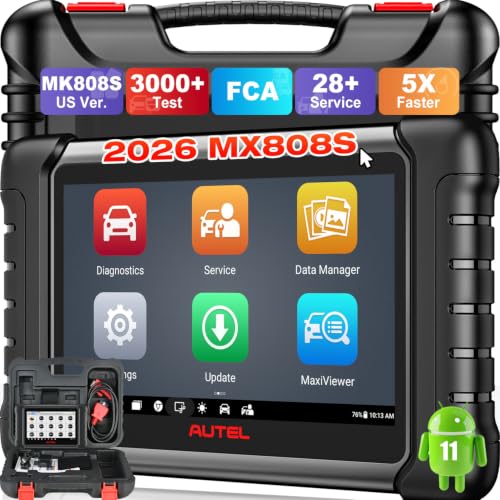
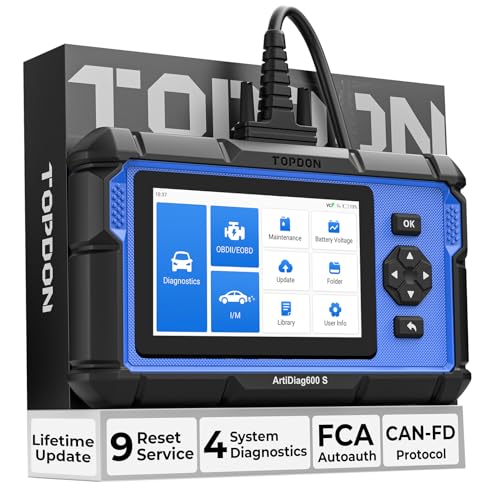
Shops and serious home workshops need speed as much as depth: full system scans in minutes, service resets for oil and brakes, and two way control that can command a pump or a fan on and off to test it. That is the territory of the best professional automotive scan tool class, where tools cost about $400 to $1,200 and coverage updates matter more than the sticker price. A larger screen, a rugged case, and fast boot times sound minor until the tool earns its keep every day.
Key Features to Compare
System Coverage: Engine Only or the Whole Car
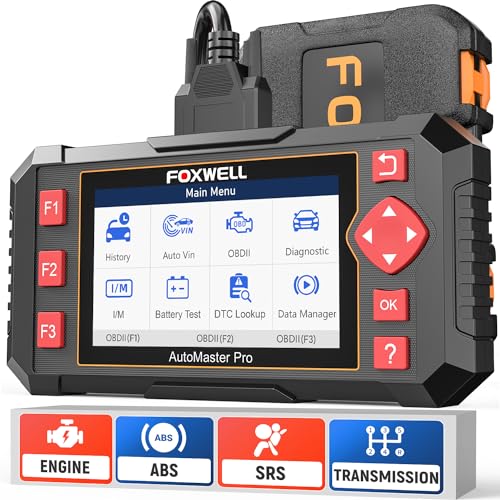
Coverage is the feature that separates the classes more than any screen or button layout. Engine codes are the floor: every tool reads them. The systems beyond the engine, brakes, airbags, transmission, and steering, are where prices climb and where DIY repairs often stall without the right data. Stores file this shelf under several labels, and our guide to the best auto scan tool uses that shorter name for the same classes. Coverage is also where a simple reader and the best automotive diagnostic tool class part ways, so decide which systems you will realistically open before you pay for the rest.
The Screen and Live Data
Live data is the stream of sensor values the car reports while running, and the screen decides how much of it you can use. A small reader shows one value at a time, which is fine for a single check. A larger color screen can graph two or three values together, so you can watch a sensor misbehave as revs rise. Buttons you can press with gloves on beat a touchscreen in a cold garage, and a screen you can read in daylight beats both. If you plan to diagnose drivability faults, put screen and graphing near the top of your list.
A Code Names a System, Not a Part
This is the most important idea in this guide, stated plainly: a fault code names a system or a circuit, not the faulty part. A code about an oxygen sensor circuit can come from the sensor, its wiring, a connector, or an exhaust leak upstream. The code tells you where to check, not what to buy. Good tools help by showing the values around the fault, but no tool removes the testing step. Buyers who accept this buy fewer wrong parts, and the tool pays for itself in avoided returns.
Clearing Codes Erases the Snapshot
When a fault sets, the car stores a snapshot of speed, temperature, and load at that moment, called freeze frame data. Clearing the code erases that snapshot along with the light. It also resets the readiness monitors that inspection stations check, so a freshly cleared car can fail an emissions test simply for being untested. Write the codes and the snapshot values down, or save the report, before you clear anything. Treat the clear button as the last step of a repair, never the first step of a diagnosis.
Connections, Updates and Subscriptions
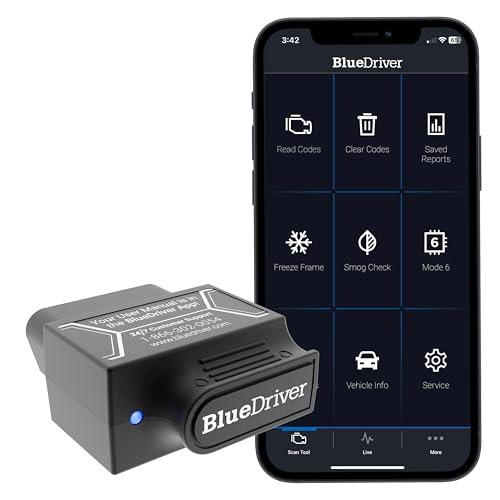
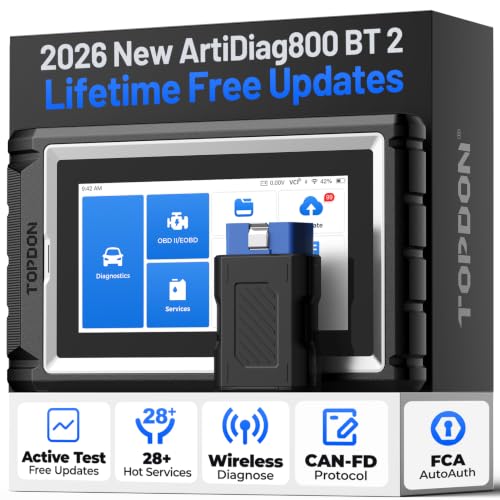
Most tools are plug and play: connect to the port, turn the key, and read. The differences sit in how they connect and stay current. Wired handheld tools work on their own. Bluetooth dongles pair with a phone app, which keeps the tool cheap but puts your phone in the garage. Updates arrive over WiFi or through a computer, and coverage grows as new models appear. Read the fine print here: some app based classes charge about $20 to $100 a year after the first year for full coverage, so the true price is the tool plus its renewals.
Service Resets and Two Way Tests
Two feature classes separate repair tools from reading tools. Service resets tell the car that work was done: an oil service reset, an electronic parking brake wound back for pad changes, or a new battery registered with the charging system. Two way tests go further and let the tool command a part, running a cooling fan or cycling a pump, so you can hear and see whether it answers. Neither class matters for light checks. Both matter the first time a repair ends with a warning light that only a reset can close.
Vehicle Compatibility
Every car sold in the United States from 1996 onward carries the standard OBD2 port, so basic engine reading is universal. Deep coverage is not. Diesel trucks, hybrids, and electric cars expose different systems, and some brands hide their deeper codes behind maker specific access that only certain tool classes include. Check the maker list for your exact car, its fuel type, and its model year before ordering. A tool that covers your neighbor's sedan deeply may read your diesel pickup at engine level only, and returns are a slow way to learn that.
Common Mistakes to Avoid
- Buying the deepest tool on the shelf for a light you check once a year, then never learning its menus.
- Clearing a code before writing it down, which erases the freeze frame snapshot a mechanic would want to see.
- Treating a code as a parts order, when the code names a system to check and several parts can set it.
- Ignoring update fees and app subscriptions, which can cost more over three years than the tool itself.
- Assuming every tool covers diesel, hybrid, and electric cars as deeply as it covers a common gasoline sedan.
Care, Storage and Getting More From Your Tool
A scan tool asks for little care, but the little it asks for protects the connection it depends on. Keep the connector pins clean and dry, coil the cable loosely instead of wrapping it tight around the case, and store the tool in its case rather than loose in a toolbox where the screen takes the knocks.
- Update the software at home on a calm evening, not in the driveway with a car waiting.
- Save or photograph every report before clearing codes, so you hold a record of what the car said.
- Run a quick scan before a long trip, so a stored code does not become a roadside surprise.
- Keep the printed code definitions from the manual with the tool; phone signals vanish in some garages.
Best Automotive Scan Tool Questions Answered
Can a scan tool tell me exactly which part has failed?
No scan tool can name the failed part on its own. A code points at a system or circuit, and the same code can come from a sensor, its wiring, a corroded connector, or the component the sensor watches. The tool narrows the search and shows the values around the fault. A short check with a multimeter or a known good part then confirms the cause before money is spent.
What is the difference between a code reader and a scan tool?
A code reader does one job: it shows engine fault codes and clears them. A scan tool adds live data, freeze frame snapshots, and access to other systems such as brakes and airbags, and the stronger classes add service resets and two way tests. The price gap follows that gap in information. If you only react to dashboard lights, the reader class is honest value; if you repair, the scan tool class earns its price.
Do scan tools work on diesel and hybrid cars?
Basic engine codes read fine on diesel and hybrid cars through the standard port. Deeper coverage varies by class: diesel exhaust treatment systems and hybrid battery data sit behind maker specific access that budget tools often skip. Check the coverage list for your fuel type before buying. This is the one area where a cheap tool and a mid range tool can look identical on the shelf and behave very differently in the driveway.
Will clearing a code make my car fail an inspection?
It can, because clearing codes also resets the readiness monitors that inspection stations read. The car then needs a mix of driving, often called a drive cycle, before those monitors report ready again, and a station may turn away a car with too many monitors unset. Clear codes only after a repair, and leave driving time before any scheduled inspection. The light staying off also proves nothing until the monitors have run.
How often do scan tools need software updates?
Update timing depends on the class and the cars you own. The best automotive scan tools for home use typically receive updates a few times a year, adding new models and fixing code definitions, and most owners update when a new car joins the household or a code reads as unknown. Drivers of older cars can go far longer between updates. What matters is whether updates stay free, so check the renewal terms before the first year ends.
The Bottom Line
Match the tool to the work: a basic reader for light checks, a mid range tool with live data for real repairs, and a professional class tool only when resets and two way tests will earn their keep. Remember what a code can and cannot say, count updates and subscriptions in the true price, and confirm coverage for your exact car before ordering. Chosen that way, the best automotive scan tool is simply the one whose coverage fits your driveway, and the picks in the product table are a good place to start comparing.